
Shot hole borers are tiny beetles with a big impact on global agriculture, causing significant crop damage and yield losses worldwide. These pests can infest trees and shrubs, creating holes that weaken the plant’s structure and reduce its ability to fight off disease. You may have noticed small, round holes in the bark of your favorite fruit tree or ornamental plant – this is a telltale sign of shot hole borer activity. Shot hole borers are not just a nuisance; they can also lead to economic losses for farmers and gardeners, as well as environmental degradation due to the chemicals used to control them. In this article, we’ll explore effective control methods to mitigate their impact, from integrated pest management techniques to biological controls that minimize harm to people and the planet. By the end of this piece, you’ll know how to manage shot hole borers and reduce their economic and environmental impacts on your crops.
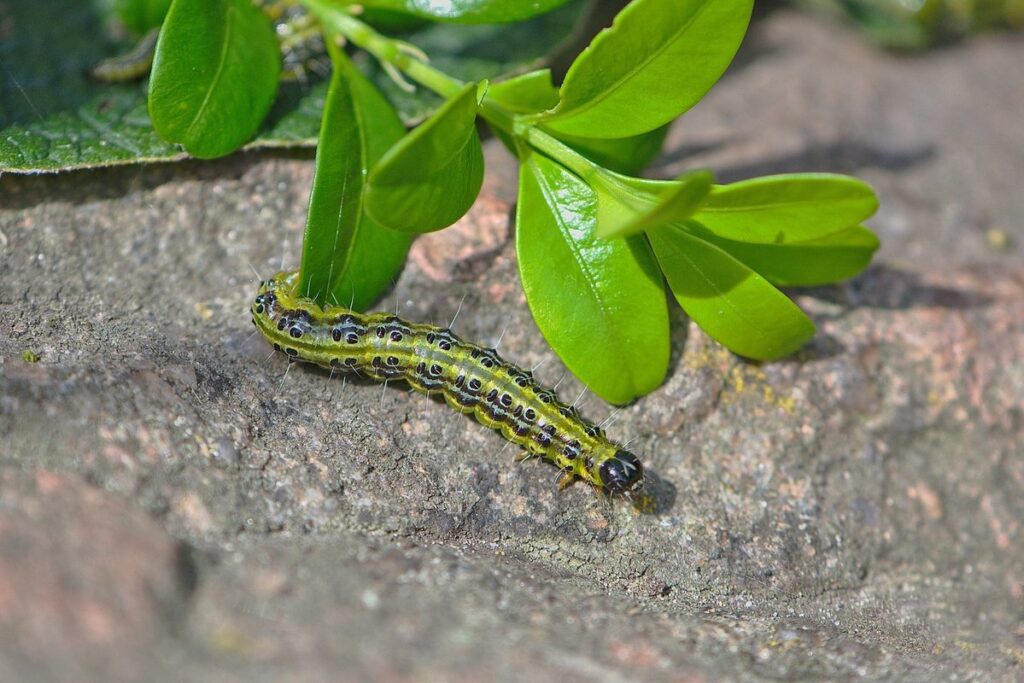
What is a Shot Hole Borer?
The shot hole borer beetle is a tiny insect causing significant harm to trees and plants, so let’s take a closer look at its characteristics. This beetle has several distinct features that set it apart from other pests.
Definition and Identification
A shot hole borer is a type of beetle that belongs to the family Curculionidae. Specifically, it’s within the genus Euwallacea, which includes several species that are considered significant pests worldwide. To identify a shot hole borer, look for a small, typically dark-colored beetle with an elongated body and distinctive snout-like mouthparts.
Adult shot hole borers are usually around 4-6 millimeters in length and have a characteristic shiny or matte finish to their elytra (wing covers). They often have a yellow or orange tint on their head or thorax, although this can vary depending on the species. Shot hole borers tend to be active during warm temperatures, typically above 64°F (18°C), which is why they’re commonly found in tropical and subtropical regions.
When identifying shot hole borers, it’s essential to examine the damage they cause rather than just the beetles themselves. The beetles’ larvae are responsible for tunneling into plant tissue, creating distinctive holes or shot holes that can be a few millimeters deep. These wounds often appear as small, circular marks on the bark of trees or stems of other plants.
Host Plants and Distribution
Shot hole borers are known to infest a wide range of plant species, but some plants are more susceptible than others. Trees in the Ficus and Prunus genera, such as figs and stone fruits like cherries and plums, are commonly affected. Other hosts include citrus trees, avocado, and eucalyptus. In addition to these primary hosts, shot hole borers can also infest ornamental plants like roses and gardenias.
The global distribution of the shot hole borer varies by region. In California, for example, the beetle has been found in many urban areas, particularly in cities with warm and dry climates like Los Angeles and San Diego. In Australia, the shot hole borer is a significant threat to eucalyptus plantations, while in South Africa it has been reported in fig orchards.
Regional variations in temperature and humidity can influence the distribution and prevalence of shot hole borers. In areas with mild winters, the beetles may remain active year-round, leading to more frequent infestations. Conversely, colder climates may slow down their activity, but still allow populations to persist. Understanding these regional differences is crucial for developing effective management strategies that account for local conditions.
Life Cycle and Biology
The shot hole borer’s life cycle is a crucial aspect of understanding its impact, as it determines how quickly the beetle can spread and infest new areas. We’ll break down this process in detail next.
Egg Stage and Larval Development
The shot hole borer’s life cycle begins with the female adult boring into a host plant to lay her eggs. She typically targets areas with high moisture content and nutrient availability, such as near wounds or pruning sites. A single female can lay up to several hundred eggs within a few days.
After about 7-10 days of incubation, the eggs hatch into larvae. These early-stage borers feed on the plant’s sap, causing localized damage that may not be immediately visible. As they mature, the larvae move deeper into the plant tissue, eventually reaching the heartwood or cambium layer.
During this stage, the larvae produce compounds that can inhibit the plant’s defense mechanisms, allowing them to thrive without being detected by the host plant’s immune system. The entire larval development process typically takes several weeks to a few months, depending on factors such as temperature and moisture levels.
Adult Emergence and Behavior
Adult shot hole borers exhibit unique behavior as they emerge from their underground tunnels. Mating habits are crucial during this stage, with adults typically mating within 24 to 48 hours of emergence. This brief window highlights the importance of early detection and monitoring techniques in managing infestations.
Flight patterns vary depending on environmental conditions, but adult shot hole borers tend to fly low to the ground, attracted to moisture and potential host plants. This behavior contributes to their ability to rapidly colonize new areas, spreading infestations quickly.
The presence of adult shot hole borers can have significant impacts on ecosystems, particularly in areas with limited natural predators or competition. They can outcompete native species for resources, leading to a decline in biodiversity and ecosystem disruption. A notable example is the infestation of eucalyptus trees in California, which has led to widespread die-off and economic losses.
To mitigate these effects, land managers and foresters should prioritize early detection and monitoring techniques, as well as implementing integrated pest management strategies that address both chemical and biological control methods. By understanding adult shot hole borer behavior and implementing effective management strategies, it is possible to slow the spread of infestations and protect ecosystem health.
Economic and Environmental Impacts
The shot hole borer has far-reaching consequences that affect not only trees, but also local economies and ecosystems. We’ll examine the economic and environmental impacts in more detail here.
Crop Damage and Yield Losses
Shot hole borers cause significant damage to various crops, leading to substantial yield losses. The beetles’ larvae feed on the plant’s vascular tissue, disrupting water and nutrient transport, and causing dieback of branches and roots. This can result in reduced fruit quality, lower yields, and even tree death.
In avocado orchards, for example, shot hole borers have been linked to a decline in fruit production. Infested trees may produce smaller fruits with lower oil content, leading to economic losses for growers. In some cases, infected trees may be unproductive for several years, requiring costly replacement or rehabilitation.
The extent of crop damage and yield losses varies depending on factors such as the tree’s age, variety, and level of infestation. Younger trees are more susceptible to damage, while older trees can tolerate some level of infestation without severe impact. However, even mature trees may suffer significant losses if left unchecked. To mitigate these effects, growers should implement integrated pest management strategies, including monitoring for signs of infestation, using resistant rootstocks, and applying targeted treatments.
Ecosystem Disruption and Biodiversity Effects
Shot hole borers disrupt ecosystems by altering the composition of plant communities, leading to a cascade of effects on beneficial insects and microorganisms. One key impact is the reduction of native tree species, as shot hole borer infestations can cause significant mortality rates among these plants. This, in turn, alters the structure and function of forest ecosystems.
For example, California’s iconic coast live oak (Quercus agrifolia) has been particularly hard hit by shot hole borers. As this keystone species declines, other plant species that rely on it for shelter and food also suffer. The loss of these native trees can have far-reaching consequences, including reduced pollinator diversity and increased risk of wildfires.
Furthermore, the presence of shot hole borers can also lead to an increase in sap-sucking insects, such as aphids and scale insects, which can further weaken trees and make them more susceptible to infestation. This creates a self-reinforcing cycle of ecosystem degradation, making it essential for land managers and policymakers to prioritize effective management strategies to mitigate the impacts of shot hole borers.
Management Strategies for Shot Hole Borers
Effective management of shot hole borers requires a multi-faceted approach, combining techniques that prevent infestation and mitigate damage to trees. This section will explore key strategies for mitigating the impact of these beetles on urban forests.
Chemical Controls and Pesticides
Chemical control methods are often used to manage shot hole borer populations, but they can have significant risks to human health and the environment. Pesticides, such as neem oil and pyrethrin, can be effective against borers, but their use should be carefully considered due to potential harm to beneficial insects like bees and butterflies.
When using pesticides, it’s essential to choose products with a narrow spectrum of activity to minimize impact on non-target species. For example, imidacloprid has been linked to bee deaths in some studies, so alternatives like spinosad or Bacillus thuringiensis (Bt) may be more suitable choices.
In addition to pesticide risks, chemical controls can also lead to the development of borer populations resistant to these treatments. This is why integrated pest management (IPM) strategies that combine chemical control with non-chemical methods are often recommended for shot hole borer management. When using pesticides, it’s crucial to follow label instructions carefully and take steps to minimize environmental exposure.
Some effective pesticide products include:
- Neem oil: a broad-spectrum insecticide
- Pyrethrin: a fast-acting but short-lived pesticide
- Spinosad: a selective neurotoxin that targets insects
Remember, chemical controls should be used judiciously and in combination with other management strategies to minimize risks to human health and the environment.
Biological Control Methods and IPM
Biological control methods offer a promising approach to managing shot hole borer populations. These methods involve introducing natural predators or parasites of the borer to the affected area, thereby reducing its population over time. For example, certain species of wasps and beetles have been identified as effective biological controls for shot hole borers.
One key aspect of biological control is integrated pest management (IPM). IPM involves combining multiple techniques, including cultural controls, physical barriers, and biological controls, to manage pests like the shot hole borer. This approach requires a thorough understanding of the pest’s life cycle and ecology, as well as the local ecosystem.
Cultural controls can also play a crucial role in mitigating shot hole borer populations. These controls involve modifying agricultural practices to reduce the attractiveness of crops to the borers. For instance, avoiding water stress and maintaining healthy soil conditions can help prevent shot hole borer infestations. In some cases, crop rotation and sanitation may also be necessary to control the spread of the pest.
When implementing biological control methods or IPM approaches, it’s essential to carefully select the most effective techniques for your specific situation. This may involve consulting with local experts or conducting thorough research on the most promising biological controls for shot hole borers in your area.
Preventing Shot Hole Borer Infestations
To effectively manage shot hole borer infestations, it’s crucial to understand how these pests spread and thrive on your trees. Let’s explore some practical tips for preventing their arrival in the first place.
Quarantine and Trade Regulations
International quarantine regulations for shot hole borers vary by country but generally follow guidelines set by organizations such as the International Plant Protection Convention (IPPC) and the United States Department of Agriculture’s Animal and Plant Health Inspection Service (APHIS). These regulations often require importers to declare and certify that their shipments are free from pests, including shot hole borers. This can involve phytosanitary certificates, pre-export inspections, and other measures.
Countries may also impose trade restrictions on countries or regions known to have significant shot hole borer infestations. For example, the European Union has implemented specific regulations for importing plants from certain regions in California where the shot hole borer is prevalent. These regulations can impact plant nurseries, exporters, and importers, highlighting the need for vigilance and compliance.
Exporting countries must also adhere to these regulations to avoid losing market access or facing penalties. This may involve implementing their own pre-export controls, such as heat treatment or fumigation, to ensure that plants are free from pests before export. Compliance with quarantine and trade regulations is crucial to prevent the spread of shot hole borers and protect global plant health.
Early Detection and Monitoring Techniques
Early detection of shot hole borers is crucial for preventing infestations. Visual inspections are a key part of early detection, and should be done regularly by growers, especially in high-risk areas. This involves looking for small holes or lesions on the bark and leaves of trees, as well as any signs of sap flow or bleeding from the trunk.
Monitoring techniques include using traps to capture adult beetles, which can then be identified and used to determine if an infestation is present. Sticky traps coated with a sticky substance can be effective in capturing adults, particularly when placed near host plants. Another method involves monitoring for larvae by inserting probes into tree bark or checking for galleries.
Growers should also look out for other signs of infestation, such as frass (insect waste) on the ground or fallen leaves with shot holes. In high-risk areas, it’s a good idea to set up multiple traps and monitor them regularly. This will help detect any early signs of an infestation before it gets out of control. By combining these methods, growers can get a better understanding of their risk level and take steps to prevent or mitigate infestations.
Frequently Asked Questions
Can I use a single pesticide treatment to control shot hole borers throughout the entire growing season?
Yes, but it’s essential to rotate pesticides with different modes of action to avoid developing resistance and minimize environmental risks. A comprehensive integrated pest management (IPM) approach should be implemented, combining chemical controls with cultural, biological, and physical methods.
What are the most critical factors to consider when implementing a biological control method for shot hole borers?
The effectiveness of biological control methods depends on factors such as the specific biological agent used, the target host plant, climate, and existing pest populations. Conduct thorough risk assessments and monitor results closely to ensure the chosen method is effective in your specific environment.
How do I prevent shot hole borer infestations from spreading to nearby fields or regions?
Implement strict quarantine measures when introducing new plants or materials into an area. Regularly inspect incoming shipments, use certified pathogen-free seed sources, and maintain accurate records of plant origins and movements.
Can integrated pest management (IPM) strategies be adapted for small-scale or organic farms with limited resources?
Yes, IPM can be tailored to fit various farm sizes and operations. Focus on low-cost cultural controls, such as sanitation, pruning, and monitoring, in conjunction with biological control methods or minimal chemical treatments when necessary.
What if I notice shot hole borer damage but haven’t seen any adults; what should my next steps be?
Monitor the affected area closely for adult emergence and continue to implement preventative measures. Consider using traps or pheromone lures to capture or monitor adult activity, as this can help inform further management decisions.
