
North Carolina is often hailed as the “Tar Heel State,” but few people know about its rich agricultural heritage. For decades, tobacco has been a staple crop in North Carolina, with many farmers relying on it as their primary source of income. However, as consumer attitudes towards smoking have shifted, the industry’s economic impact has begun to wane. Meanwhile, other crops like corn and sweet potatoes continue to thrive in the state’s fertile soil. In addition to these traditional crops, specialty crops such as blueberries and strawberries are gaining popularity among farmers and consumers alike. This article will explore the history, types, and economic significance of major crops in North Carolina, shedding light on the complex relationships between agriculture, industry, and local economies. By the end of this article, you’ll have a deeper understanding of the state’s diverse agricultural landscape.
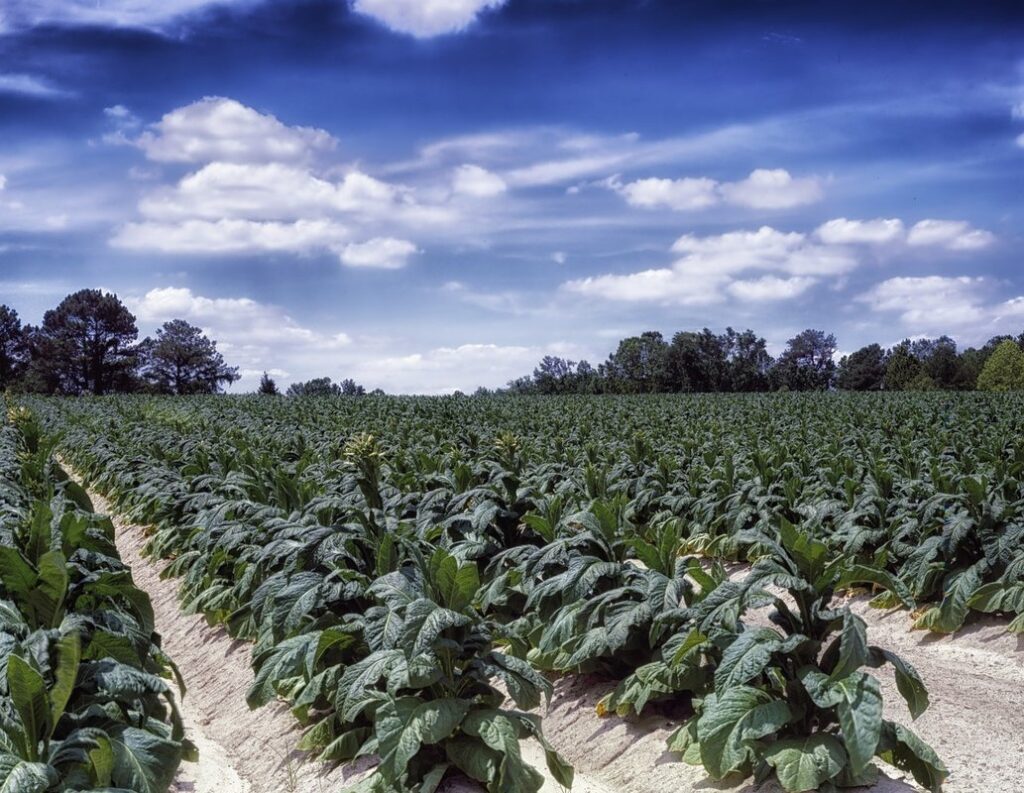
Overview of Major Crops in North Carolina
North Carolina is a top producer of several major crops, and we’ll start by exploring the state’s leading agricultural exports, including tobacco, cotton, and soybeans. These cash crops play a significant role in the state’s economy.
History and Significance of Agriculture in NC
Agriculture has played a pivotal role in shaping North Carolina’s economy and culture since colonial times. The state’s fertile soil, mild climate, and abundant water resources made it an ideal place for farming, with crops such as tobacco, cotton, and corn becoming major cash crops during the 18th and 19th centuries. Today, agriculture remains a significant contributor to North Carolina’s GDP, accounting for over $10 billion in annual economic output.
The state’s agricultural industry also has deep cultural roots. Many families have passed down farming traditions through generations, with family-owned farms still producing a wide range of crops. In fact, according to the US Department of Agriculture, nearly 90% of North Carolina’s farms are family-owned, making agriculture an integral part of the state’s heritage.
The significance of agriculture in North Carolina extends beyond its economic and cultural importance. It also plays a critical role in maintaining the state’s natural resources. Sustainable farming practices such as crop rotation, conservation tillage, and organic farming help preserve soil health, reduce erosion, and protect water quality. These efforts not only benefit local ecosystems but also contribute to the state’s overall environmental well-being.
Types of Crops Grown in North Carolina
Tobacco and cotton are two of the most significant crops grown in North Carolina. Tobacco farming has a long history in the state, with many farmers still growing tobacco today. The state’s mild climate and rich soil make it an ideal place for growing these two crops.
Corn is another major crop grown in North Carolina, with the majority being used for livestock feed and ethanol production. Soybeans are also widely grown in the state, with many farmers using conservation tillage to reduce soil erosion and promote water retention.
Sweet potatoes are a significant crop in North Carolina, particularly in the southeastern part of the state where the climate is warm and humid. They are often grown on small family farms and are prized for their sweet flavor and high nutritional value.
In addition to these major crops, many other fruits and vegetables are grown in North Carolina, including blueberries, strawberries, and tomatoes. These specialty crops are often grown using sustainable practices and are highly sought after by consumers looking for fresh, locally grown produce.
Some of the key characteristics that make a crop suitable for growth in North Carolina include mild winters, hot summers, and adequate rainfall.
Tobacco Production in North Carolina
North Carolina has a long history of tobacco production, with the crop playing a significant role in the state’s agricultural economy for centuries. We’ll take a closer look at this iconic crop and its importance to the region.
History of Tobacco Farming in NC
Tobacco farming has a rich history in North Carolina, dating back to the 18th century when it was introduced by European settlers. The crop thrived in the state’s fertile soil and mild climate, becoming one of its main cash crops. By the mid-19th century, tobacco production had become a significant contributor to the state’s economy, with many farmers relying on it as their primary source of income.
The peak years for tobacco farming in North Carolina were between 1950 and 1980, when the crop dominated the state’s agricultural landscape. During this period, tobacco was grown mainly in the Piedmont region, where the soil and climate conditions were most suitable. The industry reached its zenith in the late 1960s, with the state producing over 100 million pounds of tobacco annually.
However, with the rise of global competition and changes in consumer preferences, the industry began to decline. Today, while some farmers still grow tobacco, the industry has significantly shrunk, and many have turned to alternative crops such as flue-cured pipe tobacco and e-liquid production.
Methods of Tobacco Cultivation and Harvesting
Tobacco farmers in North Carolina typically begin by preparing the soil for planting. This involves tilling the land to loosen and aerate the soil, as well as adding organic matter such as compost or manure to improve its fertility. The specific type of tobacco being grown will determine the exact nutrient requirements.
Once the soil is prepared, seeds are planted in late spring or early summer. Tobacco plants require a long growing season, typically around 120 days from planting to harvest. During this time, farmers must carefully monitor the crop for pests and diseases, using techniques such as mulching and crop rotation to minimize the risk of infestation.
After the tobacco leaves have matured, they are cut from the plant, usually by hand. The harvested leaves are then hung in a controlled environment called a curing barn, where they are allowed to dry slowly over several weeks. This process helps to preserve the quality and flavor of the tobacco. It’s essential for farmers to maintain consistent temperatures and humidity levels during this phase to prevent mold or spoilage.
Corn Production in North Carolina
Corn is one of North Carolina’s most valuable crops, with the state consistently ranking among the top corn-producing states in the country. This section explores the details behind NC’s thriving corn industry.
Types of Corn Grown in NC
In North Carolina, three primary types of corn are grown for various purposes. Sweet corn is a popular choice among farmers and consumers alike due to its high demand in the fresh market. This type of corn is harvested when the kernels are still moist and tender, making it ideal for grilling, boiling, or roasting.
Dent corn, on the other hand, is used primarily for livestock feed and ethanol production. Its hard outer shell, or “dent,” makes it more resistant to moisture loss during storage and transportation. Dent corn accounts for a significant portion of North Carolina’s total corn crop due to its versatility and profitability.
Popcorn, often grown as a specialty crop in the state, is another type of corn with a unique purpose. Its hard outer shell and soft inner starch make it ideal for popping into a popular snack food. Many small-scale farmers in North Carolina have begun growing popcorn as a niche market crop, capitalizing on its growing demand.
For growers interested in cultivating these different types of corn, understanding the specific climate and soil requirements for each is essential.
Corn Farming Techniques and Challenges
Corn farmers in North Carolina employ a range of techniques to optimize their yields and mitigate risks. Crop rotation is crucial, as it helps break disease cycles and improves soil fertility. Many farmers rotate corn with soybeans or wheat, which also provides an opportunity for cover cropping during the off-season.
Irrigation management is another vital aspect of corn farming in NC. The state’s varying climate requires careful monitoring to avoid overwatering, which can lead to waterlogged soils and reduced yields. Farmers often use drip irrigation systems or center-pivot irrigation to conserve water while ensuring consistent moisture levels.
Effective pest management is also essential, as common pests like the European corn borer and corn rootworm can cause significant damage if left unchecked. Integrated Pest Management (IPM) strategies involving crop monitoring, biological controls, and targeted chemical applications help minimize pesticide use and reduce environmental impact.
Some of the challenges faced by NC corn farmers include unpredictable weather patterns, soil erosion, and competition from neighboring states. To address these issues, many farmers participate in state-sponsored initiatives that promote best practices and provide technical assistance. Regular soil testing and nutrient management planning can also help mitigate soil degradation and optimize fertilizer use.
Specialty Crops in North Carolina
As you explore the diverse range of crops grown in North Carolina, a few stand out for their unique characteristics and thriving production. From sweet potatoes to blueberries, these specialty crops are worth getting to know.
Overview of NC’s Specialty Crop Industry
NC’s specialty crop industry is a vibrant segment of the state’s agricultural landscape. Fruits like strawberries, blueberries, and grapes are among the most popular crops grown for fresh market and processing purposes. These berries and other fruits thrive in NC’s mild winters and long growing seasons, making it an ideal location for fruit production.
Vegetables such as tomatoes, cucumbers, and squash are also widely cultivated in the state. Many of these vegetables are sold through Community Supported Agriculture (CSA) programs or at local farmers’ markets, allowing consumers to purchase fresh produce directly from the farm. In addition to these staple crops, NC growers also cultivate a variety of flowers like sunflowers and zinnias for ornamental purposes.
According to data from the US Department of Agriculture, North Carolina ranks among the top producers of several specialty crops in the country, including strawberries, blueberries, and cucumbers. The state’s warm climate and extensive network of greenhouses enable growers to extend the harvest season and produce high-quality crops year-round. This focus on quality and sustainability has contributed to the growth and diversification of NC’s specialty crop industry over time.
Opportunities and Challenges for Specialty Crop Growers
Specialty crop growers in North Carolina face a complex landscape of opportunities and challenges. On the one hand, consumer demand for locally grown produce is on the rise, driven by growing interest in health-conscious eating and support for local economies. This trend has led to increased market value for specialty crops like heirloom tomatoes, leafy greens, and berries. In fact, North Carolina’s specialty crop industry generated over $100 million in revenue in 2020 alone.
However, growers must also contend with regulatory issues related to water quality and environmental sustainability. The state’s agricultural community is subject to strict guidelines governing the use of pesticides and fertilizers, which can be costly for small-scale farmers. Additionally, growers may struggle to meet certification standards for organic or regenerative production methods, further limiting their market reach.
To succeed in this environment, specialty crop growers must prioritize research and development, investing in innovative techniques like hydroponics, aeroponics, and precision irrigation. They should also engage with local consumers through farmers’ markets, community-supported agriculture programs, and online marketing channels to build brand loyalty and drive sales. By embracing these strategies, North Carolina’s specialty crop industry can continue to thrive despite the challenges it faces.
Sweet Potato Production in North Carolina
North Carolina is a top producer of sweet potatoes, accounting for over 40% of the country’s total harvest. We’ll look at what makes the state so well-suited for this crop.
History of Sweet Potato Farming in NC
Sweet potato farming has a long history in North Carolina, with evidence of cultivation dating back to the 16th century. The crop became increasingly popular during the colonial period, particularly among enslaved Africans who brought their own knowledge and techniques for cultivating sweet potatoes from West Africa. By the late 19th century, sweet potatoes had become a staple crop in many parts of the state.
The early 20th century saw North Carolina’s sweet potato production surge to new heights, with peak years occurring between 1915 and 1920. During this period, the state accounted for nearly half of the country’s total sweet potato production. The crop’s popularity can be attributed to its hardiness, versatility, and adaptability to various soil types.
Today, North Carolina remains one of the leading sweet potato-producing states in the nation. While peak production years have passed, the state continues to cultivate millions of pounds of sweet potatoes annually. In recent years, there has been a growing trend towards sustainable and organic farming practices among sweet potato growers in the state, with many adopting innovative techniques such as crop rotation and integrated pest management to improve yields and reduce environmental impact.
Methods of Sweet Potato Cultivation and Harvesting
Sweet potatoes are typically planted in well-draining soil with a pH between 5.5 and 6.5, as they are sensitive to both acid and alkaline conditions. Before planting, farmers in North Carolina usually till the soil to a depth of about 8-10 inches to loosen it and incorporate any amendments. This process can be done manually or mechanically, depending on the size of the farm.
Sweet potatoes are then planted in late spring to early summer, when the soil has warmed up to at least 65°F. They are usually spaced about 12-18 inches apart, either by hand or using a planter. Farmers often use disease-resistant varieties such as ‘Jewel’ or ‘Beauregard’, which are well-suited for North Carolina’s climate.
After harvesting the sweet potatoes, farmers need to cure them in a warm, dry place with good air circulation. This process helps to heal any wounds on the tubers and converts some of their starches into sugars, making them sweeter and more flavorful. The curing process typically takes 7-10 days at temperatures between 70-80°F.
Economic Impact of Agriculture on North Carolina’s Economy
Agriculture plays a vital role in North Carolina’s economy, generating significant revenue and supporting local communities through its vast array of crops. This sector also creates numerous jobs and stimulates growth statewide.
Contribution to State GDP and Employment
Agriculture plays a vital role in North Carolina’s economy, contributing significantly to both state GDP and employment numbers. According to data from the North Carolina Department of Agriculture and Consumer Services, agriculture is a top industry sector in the state, accounting for approximately 18% of the state’s total GDP.
This impact is particularly evident in rural areas where many residents depend on farming as their primary source of income. In fact, agricultural production supports over 170,000 jobs statewide, making it one of the largest employment sectors in North Carolina. Breakdowns by industry reveal that farming, forestry, and fishing industries contribute to a substantial portion of these numbers.
In addition to job creation, agriculture also contributes to state tax revenues through sales of crops, livestock, and other agricultural products. For instance, in 2020, the value of agricultural commodities sold totaled over $10 billion, generating significant revenue for local governments and state coffers. This substantial economic impact underscores the importance of supporting North Carolina’s agricultural sector through policies and programs that promote its growth and development.
Trends in Agricultural Exports from NC
Over the past decade, North Carolina’s agricultural exports have undergone significant changes. According to data from the US Department of Agriculture (USDA), the state’s top export markets for agricultural products include Canada, Mexico, China, and South Korea. These countries account for a substantial portion of NC’s total agricultural exports, with a focus on commodities such as tobacco, corn, and sweet potatoes.
The trade agreements in place between the US and these countries have had a profound impact on NC’s agricultural export trends. For instance, the North American Free Trade Agreement (NAFTA) has facilitated the export of NC-grown tobacco to Mexico, while the US-China Trade Relations have led to an increase in sweet potato exports to China. In addition, the Korea-US Free Trade Agreement has enabled NC farmers to export corn and soybeans to South Korea.
Some notable trends in NC’s agricultural exports include a shift towards more value-added products, such as processed tobacco and sweet potatoes. This trend is driven by growing demand for high-quality, specialty crops from foreign markets. To capitalize on these opportunities, NC farmers are advised to focus on building relationships with international buyers, investing in quality control measures, and adapting their production methods to meet the specific requirements of each market.
Frequently Asked Questions
Can I start growing specialty crops in North Carolina without any prior experience?
Yes, with proper research and guidance, it’s possible to start growing specialty crops in North Carolina. The North Carolina Department of Agriculture and Consumer Services offers resources for new farmers, including workshops and online courses.
How do I protect my corn crop from pests and diseases in North Carolina’s climate?
Corn farming in North Carolina can be challenging due to the state’s humid subtropical climate. To minimize losses, use integrated pest management techniques such as crop rotation, sanitation, and biological controls. Regularly monitor your fields for signs of pests or diseases and take action promptly.
What are the primary markets for sweet potatoes grown in North Carolina?
Sweet potatoes grown in North Carolina are primarily sold to wholesalers and processors who export them to countries like China and Japan. However, there is also a growing demand for locally grown sweet potatoes in North Carolina’s farmers’ markets and restaurants.
Can I grow tobacco in North Carolina without a large farm or significant resources?
While it’s possible to grow small quantities of tobacco for personal use, commercial tobacco farming requires a significant amount of land, labor, and equipment. If you’re interested in growing tobacco, consider starting with a small plot and exploring alternative uses for the crop.
How do changes in global trade policies affect North Carolina’s agricultural exports?
Changes in global trade policies can impact North Carolina’s agricultural exports by affecting tariffs, quotas, and market access. Stay up-to-date with developments in international trade agreements and work with your local agricultural extension office to adapt to changing market conditions.
