
You might assume that working in agriculture is limited to farming or ranching, but there are many more career paths available. The truth is, ensuring food security and sustainability requires a diverse range of skills and expertise, from plant scientists to business managers. Emerging technologies like vertical farming and precision agriculture are also opening up new opportunities for those with the right training and experience. In this article, we’ll explore 20 careers in agriculture that go beyond traditional farming and ranching roles, showcasing the breadth and depth of this vital industry. We’ll delve into plant-based and livestock-based careers, as well as roles focused on business management, technology, and innovation, highlighting the many ways you can contribute to a more sustainable food system. By the end of this article, you’ll have a better understanding of the diverse opportunities available in agriculture and be able to identify potential career paths that align with your skills and interests.
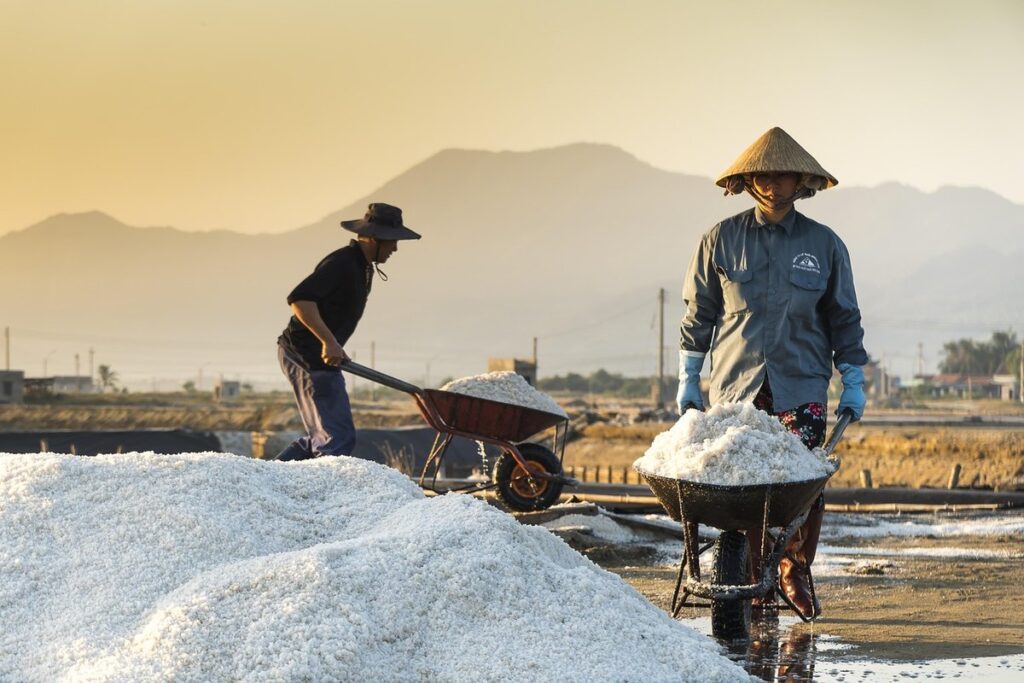
The Importance of Agricultural Careers
Agricultural careers offer a wide range of opportunities that not only contribute to food security but also have a significant impact on our environment and communities worldwide.
Meeting Global Food Demands
The world’s population is projected to reach 9.7 billion by 2050, putting a significant strain on global food systems. With more mouths to feed, agricultural production must increase to meet these demands. However, arable land and water resources are limited, making it essential for the agricultural industry to adopt efficient practices that minimize waste and maximize yields.
Agricultural careers play a critical role in ensuring food security by developing innovative solutions to meet growing demand. For example, crop breeders work on improving yield, disease resistance, and drought tolerance in crops such as maize, wheat, and rice – staples for many communities worldwide. By doing so, they contribute significantly to global food production.
Other agricultural professionals focus on optimizing resource use through precision agriculture techniques. This includes using drones or satellite imaging to monitor crop health and detect early signs of stress, allowing farmers to take targeted action. Additionally, experts in agricultural water management develop methods to reduce waste and optimize irrigation systems – essential for conserving this vital resource.
In the next section, we will explore the various career paths available within agriculture that focus on plant-based production.
Career Development in Agriculture
Pursuing a career in agriculture often requires ongoing education and training to stay up-to-date with industry developments. Many agricultural professionals start by earning a bachelor’s degree in agriculture, animal science, or a related field, which provides a solid foundation for their chosen career path.
Some careers in agriculture also benefit from specialized certifications, such as the Certified Agricultural Consultant (CAC) designation for those working as agricultural consultants. Other training programs may focus on areas like precision agriculture, sustainable farming practices, or environmental conservation.
In addition to formal education and certifications, many agricultural professionals participate in continuing education workshops, conferences, and online courses to stay current with new technologies and best management practices. For example, a livestock breeder might attend seminars on reproductive technology or genetics to improve their breeding program’s efficiency and quality.
Plant-Based Careers in Agriculture
If you’re passionate about plants and the environment, a career in plant-based agriculture could be an exciting fit. This section highlights opportunities to grow, manage, and promote sustainable plant-based systems.
Horticultural Specialist
As a horticultural specialist, you’ll be responsible for ensuring the health and well-being of plants throughout their life cycle. This involves developing and implementing plant care strategies tailored to specific crop requirements, such as temperature, humidity, and soil conditions. Pruning techniques are also crucial in maintaining plant shape, promoting healthy growth, and increasing yields.
You’ll need to understand various propagation methods, including seed starting, grafting, and tissue culture, to ensure the efficient production of high-quality plants. This may involve experimenting with different mediums, temperatures, and light schedules to optimize rooting success rates. In addition to hands-on work, horticultural specialists must stay up-to-date on the latest research and best practices in plant care.
When working with specific crop types, you’ll need to consider factors such as dormancy periods, pest management strategies, and nutrient requirements. A good understanding of these nuances will enable you to provide targeted advice to farmers, gardeners, or other horticultural professionals looking for optimal growing conditions and techniques. By combining theoretical knowledge with practical experience, you can develop innovative solutions that improve plant productivity and reduce environmental impact.
Greenhouse Manager
As a greenhouse manager, you’re responsible for maintaining optimal conditions for plant growth. This involves precise control over temperature, humidity, and light exposure. You’ll monitor and adjust climate control systems to ensure that plants receive the right amount of heat or coolness, depending on their needs.
Irrigation systems are another critical aspect of your job. You’ll oversee water distribution networks, scheduling irrigation cycles to match plant growth stages. This may involve hand-watering sensitive crops or implementing automated drip irrigation systems. Crop monitoring is also essential: you’ll track plant health, detect pests and diseases early, and implement integrated pest management strategies.
Greenhouse managers often work closely with horticultural specialists to develop crop plans that take into account specific growing conditions. They might also collaborate with agricultural research scientists to stay up-to-date on the latest techniques and technologies for greenhouse cultivation. To succeed in this role, you’ll need a strong understanding of plant physiology, as well as practical skills in maintenance and repair.
In terms of equipment, greenhouses often rely on advanced technology such as climate control systems, CO2 injection, and precision irrigation sensors. Familiarity with these tools is essential for optimizing growing conditions and minimizing waste.
Agricultural Research Scientist (Plant Focus)
As an agricultural research scientist with a plant focus, you’ll play a crucial role in advancing crop yields and improving food security. These scientists specialize in areas like plant breeding, genetics, and biotechnology to develop new crop varieties that are more resilient, efficient, or nutritious.
Your work might involve studying the genetic makeup of crops to identify desirable traits, such as drought tolerance or pest resistance. You may also explore cutting-edge technologies like gene editing or precision agriculture to enhance crop performance.
Some examples of research projects in this field include developing disease-resistant wheat varieties or creating high-yielding soybean strains. Your findings could have a significant impact on global food production and help address pressing issues like climate change, water scarcity, or malnutrition.
To succeed as an agricultural research scientist with a plant focus, you’ll need a strong background in biology, genetics, or a related field. A master’s or Ph.D. degree is often required for this role. Experience working in a laboratory setting and familiarity with specialized equipment like microscopes or PCR machines are also essential skills.
A key part of your job will be staying up-to-date with the latest research and technologies in plant breeding and genetics. This might involve attending conferences, publishing papers in scientific journals, or collaborating with other experts in the field.
Livestock-Based Careers in Agriculture
If you’re passionate about working with animals, consider a career that involves raising and caring for livestock. This includes roles such as ranching, farming, and animal science specialists.
Animal Nutritionist
As an animal nutritionist, you play a critical role in ensuring the health and productivity of livestock. Your primary responsibility is to formulate feed rations that meet the nutritional needs of different species and production levels. This involves analyzing the nutrient content of various feed ingredients, including grains, proteins, and fiber sources.
To achieve optimal performance, you must balance nutrients carefully, taking into account factors like energy requirements, protein needs, and mineral deficiencies. A well-balanced diet can improve growth rates, fertility, and milk production in dairy cows, while also reducing the risk of disease and improving overall animal welfare.
Your expertise extends beyond feed formulation to include monitoring livestock health and identifying areas for improvement. This might involve working with farmers to implement nutritional management plans or collaborating with veterinarians to diagnose and address underlying issues. By optimizing nutrition, you can help farmers increase efficiency, reduce costs, and produce high-quality products that meet consumer demands. Effective animal nutritionists must stay up-to-date on the latest research and developments in feed science and livestock production.
Veterinarian in Agricultural Settings
In agricultural settings, veterinarians play a vital role in maintaining animal health and preventing disease outbreaks. They work closely with farmers and ranchers to develop vaccination programs tailored to specific livestock operations, taking into account factors like climate, geography, and the type of animals being raised.
Veterinarians also conduct regular animal health monitoring, tracking key metrics such as weight gain, fertility rates, and mortality rates. This data helps identify potential issues early on, allowing for swift interventions that can mitigate losses and maintain productivity. For instance, a veterinarian might detect an outbreak of respiratory disease in a flock of chickens and recommend immediate changes to the ventilation system or antibiotic treatments.
In addition to their clinical work, veterinarians often educate farmers and ranchers about best practices for animal care and welfare. This includes advice on nutrition, parasite control, and biosecurity measures to prevent the introduction and spread of diseases. By working in tandem with producers, veterinarians can help ensure that livestock operations are not only profitable but also humane and sustainable.
Livestock Breeder
As a livestock breeder, you’re responsible for selecting and breeding high-quality animals for meat, dairy, or fiber production. This involves working closely with farmers to understand their needs and preferences, as well as staying up-to-date on the latest genetic research and technology.
When selecting animals for breeding, you’ll consider factors such as genetics, temperament, and overall health. For example, if you’re breeding cattle for beef production, you might prioritize traits like marbling score (the amount of fat within the meat) or feed efficiency (how much food the animal needs to produce a certain amount of weight). Similarly, dairy farmers might look for cows with high milk yield potential or superior udder health.
To develop new breeds or improve existing ones, you’ll need to understand how genetics work and be able to interpret data on traits like birth weight, growth rate, and fertility. You may also collaborate with other breeders, veterinarians, and scientists to identify the best breeding strategies for a particular farm or region.
Soil Science and Conservation Careers
If you’re passionate about preserving our planet’s natural resources, a career in soil science and conservation might be the perfect fit for you. From analyzing soil samples to developing sustainable farming practices, there are many exciting opportunities ahead.
Soil Scientist
As a soil scientist, you play a crucial role in analyzing and understanding the composition of various soils. This expertise is essential for developing effective conservation plans and implementing sustainable agricultural practices. Soil scientists assess soil types, structure, and nutrient levels to identify areas where improvement is necessary.
One key aspect of this work involves evaluating soil erosion risk and recommending strategies to mitigate it. For instance, a study in Iowa found that using cover crops can significantly reduce soil erosion on cornfields by up to 70%. By applying this knowledge, you can help farmers implement best practices that maintain soil health while ensuring crop yields remain high.
In your role as a soil scientist, you might also work with landowners or agricultural managers to create sustainable irrigation systems. This involves analyzing soil moisture levels and developing plans for optimal water usage. You may also conduct research on new technologies or methods for improving soil fertility, such as using organic amendments or integrating microorganisms into the soil.
To succeed in this field, it’s essential to have a strong foundation in soil science, including geology, chemistry, and biology. A graduate degree in a related field is typically required.
Ecological Restoration Specialist
Ecological restoration specialists work on restoring degraded land to its former health and biodiversity. This process involves assessing the site’s ecological condition, identifying areas of degradation, and developing a plan to reverse these changes. In doing so, they preserve ecosystem services such as clean air and water, soil formation, and climate regulation.
To accomplish this, ecological restoration specialists employ various techniques including reintroducing native plant species, controlling invasive species, and restoring hydrological processes. For instance, in a degraded wetland, they might construct new channels to improve water flow or replant native vegetation to stabilize the soil and prevent erosion. By preserving ecosystem services, these professionals contribute to maintaining food security and supporting human well-being.
A key aspect of this work is collaboration with other stakeholders including farmers, conservationists, and local communities. Ecological restoration specialists must be able to communicate their findings and recommendations effectively, often in a way that balances competing interests and priorities. This requires strong interpersonal skills as well as knowledge of policy frameworks and regulations governing land use.
Some common tasks for ecological restoration specialists include developing and implementing restoration plans, monitoring site conditions, and reporting on progress to stakeholders. In some cases, they may also be involved in conducting environmental impact assessments or providing advice on sustainable land-use practices.
Water Resource Manager (Agricultural Focus)
As a Water Resource Manager with an agricultural focus, you’ll play a crucial role in ensuring the efficient use of water resources for farming and agriculture. This involves managing irrigation systems to optimize crop yields while minimizing waste and conserving precious water supplies.
Your work might involve assessing the water needs of various crops, identifying areas where water can be saved or reused, and implementing strategies to mitigate drought impacts on agricultural production. You’ll also need to stay up-to-date with changing weather patterns, soil conditions, and crop requirements to make informed decisions about water allocation and management.
Some key responsibilities for a Water Resource Manager in agriculture include:
• Conducting regular site visits to monitor irrigation systems and identify areas for improvement
• Collaborating with farmers, agronomists, and other stakeholders to develop and implement water-saving strategies
• Developing and managing water budgets for agricultural operations
• Identifying opportunities for water reuse or recycling on-farm
• Staying informed about new technologies and best practices in water management and conservation
Business and Management Careers in Agriculture
If you’re passionate about business and management, but also want a career that’s connected to the land and food production, there are many rewarding options available. From farm managers to supply chain coordinators, we’ll explore some exciting opportunities here.
Agricultural Consultant
As an agricultural consultant, you’ll work closely with farmers and agricultural businesses to provide expert guidance on business strategy, market trends, and operational efficiency. Your role will involve conducting market analysis to identify opportunities for growth, developing strategic plans to maximize profits, and implementing cost-saving measures.
You may be asked to analyze production costs, assess the competitiveness of a farm’s products in the market, or identify areas where technology can improve operations. For example, you might help a dairy farmer streamline their milking process using data-driven insights from sensors and monitoring systems. Your knowledge of agricultural markets, business management principles, and industry best practices will be essential in advising clients on how to stay ahead.
In this role, you’ll need to balance technical expertise with business acumen, communicating complex ideas clearly to clients who may not have a background in finance or marketing. A strong understanding of local regulations, market trends, and industry standards is also crucial for providing informed guidance. By combining your agricultural knowledge with business skills, you can help farmers and businesses thrive in an increasingly competitive marketplace.
Farm Manager
As a farm manager, you’ll be responsible for overseeing the daily operations of a working farm. This includes supervising staff, managing budgets, and implementing productivity improvements to increase efficiency and profitability. A key part of this role is developing and maintaining relationships with suppliers, buyers, and other stakeholders.
Farm managers must also stay up-to-date on industry trends, best practices, and regulatory requirements. They may need to adapt their strategies in response to changing market conditions or environmental factors such as weather events or pests. Effective communication and problem-solving skills are essential for resolving conflicts or addressing unexpected challenges.
To succeed in this role, you’ll need a strong understanding of agricultural production methods, business management principles, and the ability to analyze data to inform decision-making. Practical experience with farm operations and management software is also beneficial. If you enjoy working outdoors, leading teams, and solving complex problems, a career as a farm manager may be an excellent fit for you.
When managing a farm’s resources, prioritize tasks based on urgency and importance. Break down larger projects into smaller, manageable steps, and delegate responsibilities to your team when possible. Regularly review and adjust budgets to ensure alignment with business goals and market conditions.
Supply Chain Specialist (Agricultural Focus)
As a Supply Chain Specialist with an agricultural focus, you’ll play a critical role in ensuring that farmers and food producers have access to the resources they need to grow and distribute their products. This includes managing procurement, logistics, and distribution of inputs like seeds, fertilizers, and equipment, as well as overseeing the movement of produce from farm to table.
In this role, you might oversee the import and export of agricultural goods, coordinating with suppliers and logistics providers to ensure timely delivery. You’ll also work closely with farmers to identify areas for improvement in their supply chain operations, implementing cost-saving measures and optimizing transportation routes to reduce waste and emissions.
Effective supply chain management is essential for food producers seeking to meet growing demand for sustainable and locally sourced products. A Supply Chain Specialist can help mitigate risks associated with climate change, trade policies, and economic fluctuations by developing contingency plans and identifying opportunities for diversification.
Some key responsibilities of a Supply Chain Specialist in agriculture include:
- Developing and maintaining relationships with suppliers and logistics providers
- Analyzing transportation costs and routes to optimize supply chain efficiency
- Managing inventory levels and tracking product movement through the supply chain
- Identifying areas for improvement and implementing cost-saving measures
Emerging Careers in Agriculture
As we venture further into the field of agriculture, you’ll discover innovative roles that combine technology, sustainability, and food production. From precision farming to regenerative agriculture experts, these emerging careers are shaping the industry’s future.
Agricultural Data Analyst
Agricultural data analysts play a vital role in improving farm efficiency and optimizing resource allocation. They interpret and analyze complex data from various sources, including sensor readings, weather forecasts, and market trends, to make informed decisions that benefit farmers and the agricultural industry as a whole.
One of the key responsibilities of an agricultural data analyst is to identify areas where resources can be optimized. This might involve analyzing water usage patterns, soil moisture levels, or crop yields to determine the most effective ways to allocate resources such as water, fertilizer, and labor. By doing so, farmers can reduce waste, increase productivity, and improve overall profitability.
To succeed in this role, agricultural data analysts must have a strong foundation in statistics, data visualization, and programming languages such as Python and R. They should also be familiar with industry-specific software and tools, including precision agriculture platforms and data management systems. With the increasing use of technology in agriculture, the demand for skilled agricultural data analysts is on the rise.
Precision Agriculture Specialist
Precision agriculture specialists play a vital role in implementing technology-driven farming practices. These specialists oversee the integration of advanced technologies such as drones, satellite imaging, and automation systems into farm operations.
Drones are used for crop monitoring, precision application of fertilizers and pesticides, and early detection of pests and diseases. Satellite imaging provides high-resolution data on soil moisture levels, temperature, and crop health. Automation systems streamline tasks like planting, irrigation, and harvesting, increasing efficiency and reducing labor costs.
To succeed in this role, a strong understanding of agricultural practices, technology, and data analysis is essential. Precision agriculture specialists must also be skilled communicators, working with farmers to understand their specific needs and implementing solutions that meet those needs.
Some common tasks for precision agriculture specialists include:
- Developing and implementing crop monitoring plans using drones and satellite imaging
- Integrating automation systems into farm operations
- Analyzing data from various sources to inform decision-making
- Collaborating with farmers, engineers, and other stakeholders to design and implement efficient technology-driven farming practices
Urban Agriculture Specialist
Urban agriculture specialists are at the forefront of developing innovative and sustainable approaches to food production within urban environments. These experts use their knowledge of soil science, hydroponics, and other techniques to create high-yielding and diverse crop systems that thrive in even the most challenging urban conditions.
One key aspect of an urban agriculture specialist’s role is identifying underutilized spaces for growing crops. This might include rooftops, abandoned lots, or community gardens within city parks. By repurposing these areas, specialists can increase food production while also revitalizing neighborhoods and promoting community engagement.
Innovative approaches to water management are another crucial aspect of urban agriculture. Specialists often employ techniques such as drip irrigation, rainwater harvesting, and graywater reuse to minimize waste and optimize resource use. This not only reduces the environmental impact of urban agriculture but also helps cities adapt to changing climate conditions.
When considering a career as an urban agriculture specialist, it’s essential to develop skills in areas like soil management, pest control, and crop selection for high-density environments. Relevant education or training programs can provide valuable hands-on experience with cutting-edge technologies and techniques.
Frequently Asked Questions
Can I switch careers to agriculture with no prior experience?
Yes, many agricultural careers offer training programs and certifications that can be completed while working in the field. Consider starting as an intern or assistant to gain hands-on experience and build your skills.
How do I decide between plant-based and livestock-based careers in agriculture?
Consider your interests, skills, and values. If you’re passionate about botany and sustainability, a horticultural specialist or agricultural research scientist role might be a good fit. If you prefer working with animals and have experience in animal care, an animal nutritionist or veterinarian position could suit you better.
What if I’m interested in agriculture but don’t live near farmland?
Many agricultural careers can be done remotely, such as data analysis, consulting, or supply chain management. Consider exploring these options or looking into urban agriculture projects that focus on indoor farming and community engagement.
Can I use my skills from other industries in an agricultural career?
Yes, many skills are transferable across industries, such as business management, marketing, or environmental science. Highlight your relevant experience and training when applying for agricultural roles, and be prepared to learn about specific agricultural practices and regulations.
How long does it take to become a certified agricultural professional?
Certification requirements vary depending on the profession and country. Typically, certification programs last from several months to two years and require completion of coursework, internships, or work experience in addition to passing an examination. Research the certification process for your desired role and plan accordingly.

