
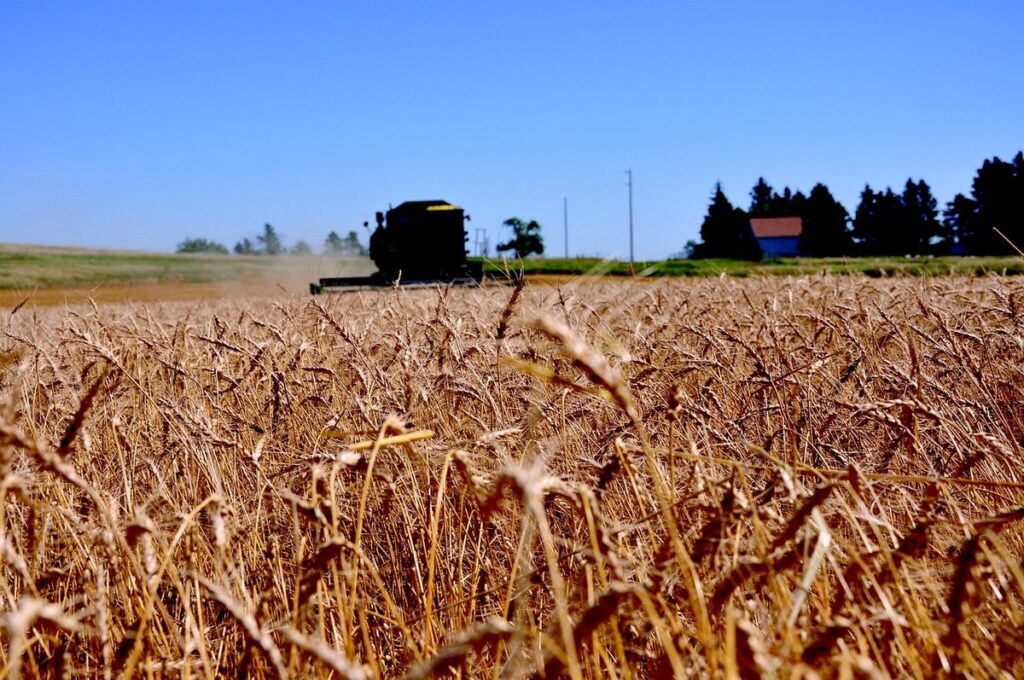
North Dakota is often overshadowed by its more populous neighbors, but when it comes to agriculture, this small state punches well above its weight. From the fertile Red River Valley to the rugged Badlands, North Dakota’s diverse landscapes are perfectly suited for a wide range of crops, including wheat, soybeans, and canola. The state’s agricultural industry is a vital part of its economy, employing thousands of people and producing billions of dollars’ worth of goods each year. However, like farmers everywhere, those in North Dakota face challenges such as unpredictable weather patterns, soil erosion, and fluctuating market prices. In this article, we’ll explore the history and significance of agriculture in North Dakota, examine regional variations, and discuss how you can support the state’s agricultural industry, from buying local produce to advocating for policies that benefit farmers.
History and Significance of Agriculture in North Dakota
North Dakota’s agricultural heritage is deeply rooted in its history, with farming playing a vital role in shaping the state’s economy and culture. From pioneering settlers to modern-day farmers, let’s explore the significance of agriculture in this rural region.
Early Settlement and Pioneering Farmers
Agriculture began in North Dakota during the late 19th century when European settlers arrived, primarily from Scandinavia and Germany. These early pioneers brought with them their agricultural expertise, which was shaped by their experiences in their native lands. They settled mainly along the Red River Valley, where the fertile soil and favorable climate made it an ideal location for farming.
The first crops planted by these early farmers were hardy ones like wheat, oats, and barley. These staple grains allowed settlers to establish a reliable food source and eventually enabled them to export excess grain to other regions. Wheat became a particularly important crop, with the Red River Valley earning the nickname “the breadbasket of the world” due to its rich harvests.
Pioneering farmers in North Dakota also adopted innovative farming techniques from their European counterparts. For example, they used contour plowing to reduce soil erosion and employed crop rotation to maintain soil fertility. These early settlers’ adaptability and resourcefulness laid the groundwork for the state’s subsequent growth into a leading agricultural producer.
The Impact of Government Policies on North Dakota’s Agricultural Industry
The Homestead Act of 1862 and other government policies significantly influenced the development of agriculture in North Dakota. This act allowed settlers to claim up to 160 acres of land for a minimal fee, providing an opportunity for pioneers to establish themselves as farmers. The policy encouraged westward expansion and settlement, ultimately leading to the establishment of large-scale agricultural operations.
The government also invested in infrastructure projects, such as building roads and railroads, which facilitated the transportation of crops and equipment. This infrastructure development enabled farmers to expand their operations and access new markets.
Additionally, government programs like the Agricultural Adjustment Act (AAA) helped stabilize farm prices during the Great Depression by reducing crop production. While this policy had its drawbacks, it also allowed farmers to adapt to changing market conditions and focus on more efficient farming practices.
The Homestead Act’s legacy continues to shape North Dakota’s agricultural landscape today, with many modern-day farms situated on land originally claimed under the act. Understanding these historical government policies provides context for the current state of agriculture in North Dakota and highlights the ongoing importance of supportive legislation for farmers.
Modern-Day Importance of Agriculture to North Dakota’s Economy
Agriculture plays a vital role in North Dakota’s economy, generating significant revenue and creating employment opportunities. The state’s fertile soil and favorable climate make it an ideal place for crop production, with wheat, soybeans, and canola being the primary crops grown. According to the United States Department of Agriculture (USDA), agriculture is one of the leading industries in North Dakota, contributing approximately 5% to the state’s GDP.
Agriculture also provides a substantial number of jobs in the state. Farming and related activities employ over 20,000 people, which is roughly 10% of the workforce. Additionally, the industry supports a network of rural businesses, including equipment suppliers, feed manufacturers, and farm-related services, further boosting employment opportunities.
The economic impact of agriculture extends beyond job creation and revenue generation. It also contributes to the state’s infrastructure development, with roads, bridges, and other critical infrastructure built and maintained through agricultural activities. Furthermore, the industry helps sustain rural communities by providing a source of income for local residents and supporting local economies through purchasing power.
Major Crops Grown in North Dakota
North Dakota is renowned for its rich agricultural land, and several crops thrive under the state’s favorable climate conditions. Let’s take a closer look at some of the major crops grown in this fertile region.
Wheat: The Primary Crop of North Dakota
Wheat is North Dakota’s primary crop, accounting for a significant portion of the state’s agricultural output. Hard red spring wheat and hard red winter wheat are the two main types grown in the region. Farmers typically plant wheat in the fall, with the ideal planting time usually occurring between September 15th and October 15th.
Cultivation practices vary depending on factors such as soil type, moisture levels, and weather conditions. No-till or reduced-till farming methods are often employed to minimize soil erosion and preserve soil health. Crop rotation is also crucial in maintaining soil fertility and reducing pest and disease pressure.
The North Dakota wheat market is heavily influenced by global demand and prices. The United States Department of Agriculture (USDA) reports that the state’s wheat exports account for a significant share of total U.S. wheat exports. To remain competitive, farmers must stay informed about market trends and adjust their production strategies accordingly.
In terms of cultivar selection, North Dakota farmers often choose varieties with high yield potential and disease resistance. Some popular wheat varieties in the region include ‘Conrad’, ‘Unity’, and ‘Endeavor’. By understanding local climate conditions, soil types, and market trends, farmers can optimize their wheat production and contribute to the state’s thriving agricultural industry.
Soybeans: A Growing Industry in the State
Soybean production has been steadily increasing in North Dakota over the past decade. The state’s fertile soil and moderate climate make it an ideal location for growing soybeans. Planting typically begins in late May, with farmers using a combination of tillage and precision planting techniques to achieve optimal yields. Soybean varieties bred specifically for the region are often used, which can produce up to 60 bushels per acre.
Harvesting is usually completed by early October, with many farms utilizing combines equipped with advanced technology to minimize waste and maximize efficiency. On average, North Dakota soybean yields range from 45 to 55 bushels per acre. The majority of the state’s soybeans are used for food products, such as protein powders, meat alternatives, and cooking oils. However, a growing portion is also allocated to the biofuel industry, with many companies using soybean oil to produce biodiesel.
In recent years, there has been an increase in research into new uses for soybeans, including their potential application in animal feed and pharmaceuticals. This shift is likely driven by changing market demands and advances in technology that allow for more efficient processing and utilization of the crop.
Canola: An Emerging Crop with High Demand
Canola has become an increasingly significant crop in North Dakota’s agricultural sector. Its demand is high due to its versatility and the various products it can be used to make. Canola oil, a key byproduct of the crop, is popular for cooking and as a biofuel source. The state’s favorable climate and soil conditions make it an ideal place for canola production.
While there are benefits to growing canola in North Dakota, challenges do exist. One major issue is the crop’s susceptibility to disease, particularly blackleg, which can have significant yield impacts. Farmers must take proactive measures to prevent disease outbreaks through proper crop rotation, seed selection, and integrated pest management techniques.
A smaller challenge is that some farmers may struggle with equipment and harvesting methods, as canola requires specialized machinery. However, many are adapting by investing in new technology and learning more efficient practices. As the demand for canola continues to rise, North Dakota’s agricultural sector stands to benefit from its production, providing a valuable economic boost to the state.
Regional Variations in Crop Production
Crop production in North Dakota varies significantly across different regions, shaped by unique soil types and climatic conditions that affect yields and crop selection.
The Red River Valley, for example, is a prime area for growing wheat and sugar beets, while the western part of the state is better suited for sunflowers and flax.
Eastern Region: The Wheat Belt
The eastern region of North Dakota is known as the Wheat Belt, and for good reason. This area boasts some of the most productive soil types in the state, including the renowned Red River Valley’s fertile glacial till soils. The climate conditions here are ideal for wheat production, with warm summers and cold winters that allow for a long growing season. Farmers in this region typically plant hard red winter wheat, which is well-suited to the area’s cool springs and moist summers.
Farming practices in the Wheat Belt have evolved over time to optimize yields and minimize environmental impact. Many farmers now employ conservation tillage techniques, such as no-till or reduced-till farming, to reduce soil erosion and promote soil health. This approach also helps to sequester carbon in the soil, which can mitigate climate change. With its unique combination of soil types and climate conditions, the Wheat Belt is a prime location for wheat production in North Dakota. By understanding the specific needs of this region, farmers can make informed decisions about crop selection, planting strategies, and best management practices to achieve optimal yields.
Central Region: Soybean Dominance
The central region of North Dakota is where soybean production truly thrives. Several factors contribute to its success, including the area’s rich soil and favorable climate conditions. The region’s proximity to major transportation routes also makes it easier for farmers to export their soybean crops, providing a competitive edge in the market.
One key challenge faced by soybean farmers in this region is managing the risk of moisture-related diseases, such as white mold. To mitigate this issue, many farmers are turning to best management practices (BMPs) that incorporate integrated pest management techniques and crop rotation strategies. These proactive approaches help maintain soil health while minimizing the need for chemical inputs.
While these efforts pay off in terms of reduced disease pressure, they also require careful planning and attention from farmers. Effective scouting and monitoring of soybean fields can help identify potential problems early on, enabling timely interventions that prevent significant yield losses. By adopting a holistic approach to crop management, central North Dakota’s soybean farmers are well-positioned for continued success in this lucrative market.
Western Region: Canola Expansion
Canola expansion in western North Dakota has been gaining momentum in recent years. The region’s dry climate and well-drained soils make it an ideal location for canola production, which requires less moisture than many other crops. As a result, canola yields in western North Dakota have increased significantly since its introduction to the area around 2005.
Market demand for canola is high due to its versatility in food processing and biofuel production. The crop’s popularity is also driven by its health benefits, as it contains a higher percentage of omega-3 fatty acids than other oilseed crops. In response to this growing demand, many local farmers are turning to canola as a profitable alternative to traditional wheat or soybean crops.
To maximize their yields and profits, farmers in western North Dakota should consider factors such as soil type, moisture levels, and pest management strategies specific to the region. By adopting best practices for canola production, they can take advantage of the crop’s potential for growth and contribute to the state’s agricultural industry.
Challenges Faced by North Dakota Farmers
North Dakota farmers face unique challenges that can impact crop yields and profitability, from unpredictable weather patterns to soil erosion concerns. We’ll examine these obstacles in more detail below.
Climate Change and Its Impact on Crop Yields
Climate change has become a pressing concern for North Dakota farmers, as it directly impacts crop yields. Rising temperatures and extreme weather events are altering the growing conditions for crops such as wheat, soybeans, and canola. Heatwaves and droughts can cause plants to wither and die, while heavy rainfall and flooding can lead to soil erosion and waterlogged fields.
Temperature fluctuations are also affecting the timing of planting and harvesting seasons. Warmer winters allow pests and diseases to thrive, while warmer summers can accelerate plant growth but also increase the risk of heat stress. For instance, the 2017 drought in North Dakota resulted in significant losses for soybean farmers, with some crops failing to mature due to lack of moisture.
Farmers are adapting to these changes by shifting their planting dates and crop selections. Some are experimenting with new varieties that are more resilient to heat and drought. However, these adjustments come at a cost, as farmers may need to invest in new equipment or adopt different farming practices. By understanding the impact of climate change on crop yields, North Dakota farmers can make informed decisions about their operations and develop strategies to mitigate its effects.
Soil Erosion and Conservation Efforts
Soil erosion poses a significant challenge to North Dakota farmers, with its effects felt throughout the state’s agricultural industry. Heavy rainfall and strong winds can strip topsoil from fields, reducing fertility and increasing production costs. The consequences are severe: in some areas, soil loss can exceed 50 tons per acre annually.
To combat this issue, many farmers have adopted conservation tillage methods. These techniques reduce soil disturbance by minimizing tillage depth and frequency, allowing crop residues to remain intact. For example, using a no-till planter or reducing the number of passes with a tractor can significantly decrease erosion risk. Additionally, cover crops are often planted during off-seasons to hold soil in place.
Conservation programs also play a vital role in mitigating soil erosion. The North Dakota Department of Agriculture and the Natural Resources Conservation Service (NRCS) offer technical and financial assistance to farmers implementing conservation practices. These initiatives can include installing terraces or contour strips, which help slow water flow and reduce erosion. By adopting these measures, farmers can protect their land, preserve its fertility, and ensure long-term sustainability.
Market Fluctuations and Price Volatility
Market fluctuations and price volatility can significantly impact North Dakota farmers’ bottom line. Several factors contribute to these trends, including changes in global demand, weather-related crop failures, and shifts in supply chains. For instance, a strong market for wheat may drive up prices, but if drought conditions affect the yield, prices could plummet. Soybean prices are also influenced by international trade agreements, which can lead to price volatility.
To manage risk, farmers can diversify their crops or consider futures contracts. Diversifying means planting multiple crops to spread risk across different markets. Futures contracts allow farmers to lock in a price for their crop before harvest, providing stability in uncertain market conditions. However, these strategies require careful planning and consideration of various factors, such as storage costs and market trends.
Some farmers also explore alternative pricing models, like value-based pricing, which ties the sale price to the actual quality or characteristics of the crop rather than just its quantity. This approach can help stabilize prices during periods of market fluctuation. By understanding these market dynamics and implementing strategies for risk management, North Dakota farmers can better navigate the challenges posed by market fluctuations and price volatility.
Supporting the State’s Agricultural Industry
North Dakota is known for its rich agricultural heritage, and supporting local farmers is crucial to the state’s economy. We’ll explore ways you can contribute to this vital industry.
Cooperative Extension Services: A Resource for Farmers
Cooperative Extension Services offer a wealth of expertise, research, and educational resources to North Dakota farmers. These services are provided by the University of North Dakota’s Agriculture Experiment Station and the North Dakota State University’s Agricultural Experiment Station, both of which are part of the statewide cooperative extension system.
These services include crop management advice from experienced agents who have in-depth knowledge of local growing conditions and best practices for specific crops. Agents also offer guidance on soil health, irrigation systems, and integrated pest management techniques to help farmers optimize their yields while minimizing environmental impact.
In addition to direct assistance, the Extension Services provide access to research trials and demonstrations, where farmers can see new technologies and methods in action. This allows them to stay up-to-date with the latest developments and make informed decisions about which practices to adopt on their own farms.
Some specific resources available through the cooperative extension services include:
- Crop advisory programs that offer personalized guidance for individual fields
- Research trials focused on topics like crop rotation, cover cropping, and precision agriculture
- Educational workshops and field days where farmers can learn from experts and network with peers
Research Institutions and Their Contributions
Research institutions play a vital role in advancing North Dakota’s agricultural industry through cutting-edge research and innovative solutions. The North Dakota State University (NDSU) and the University of Minnesota Extension, among others, contribute significantly to improving crop yields, disease management, and sustainable farming practices.
These institutions conduct research on various aspects of agriculture, including crop rotation, soil health, and integrated pest management. For instance, NDSU’s research has led to the development of new wheat varieties that are resistant to fusarium head blight, a major disease affecting wheat production in North Dakota. Similarly, the University of Minnesota Extension provides guidance on sustainable farming practices, such as cover cropping and reduced tillage, which help maintain soil health and reduce erosion.
One notable example is the Northern Crops Institute (NCI) at NDSU, which offers expertise and resources for improving crop quality and reducing waste in the processing industry. The institute’s collaboration with local farmers and industry partners has led to the development of new products and value-added applications for crops like wheat and soybeans.
Some notable research institutions and their contributions include:
- North Dakota State University (NDSU): Developing new wheat varieties, improving crop yields, and providing expertise on sustainable farming practices.
- Northern Crops Institute (NCI) at NDSU: Offering resources and guidance on improving crop quality and reducing waste in the processing industry.
- University of Minnesota Extension: Providing guidance on integrated pest management, crop rotation, and soil health.
Community Engagement and Support for Local Farmers
Local farmers are essential to North Dakota’s agricultural industry, and community engagement plays a vital role in their success. The state has made significant strides in promoting local food systems through initiatives like the North Dakota Department of Agriculture’s (NDDA) “Buy Local” campaign. This program encourages consumers to purchase products directly from local farms, thereby supporting the local economy.
Farmers’ markets have also become increasingly popular in North Dakota, providing a platform for farmers to sell their produce directly to consumers. The Fargo Farmers Market, for example, is one of the largest and most successful in the state, hosting over 200 vendors during peak season. To participate, farmers must meet specific requirements, including adhering to food safety guidelines and maintaining accurate record-keeping.
To foster a supportive community environment, many organizations offer resources and training programs for local farmers. These initiatives often focus on topics such as sustainable agriculture practices, marketing strategies, and business management. By investing in these programs, farmers can improve their bottom line while contributing to the state’s agricultural economy.
Frequently Asked Questions
What if I’m interested in growing canola but don’t have the necessary equipment or experience?
Growing canola requires specialized equipment and expertise, especially when it comes to harvesting. If you’re new to canola production, consider consulting with a local farmer or agronomist who has experience with the crop. They can provide guidance on equipment needs and share best practices for successful canola cultivation.
Can I use the same techniques for growing soybeans in different regions of North Dakota?
While some general principles apply across regions, soybean growth does vary significantly depending on climate, soil type, and moisture levels. For instance, eastern North Dakota’s cooler temperatures may require earlier planting, while central North Dakota’s warmer summers can lead to higher yields with proper irrigation management.
What are the most significant challenges faced by farmers in western North Dakota when growing canola?
Western North Dakota’s semi-arid climate poses unique challenges for canola growth. Drought conditions and extreme temperature fluctuations can impact crop yields. Additionally, soil erosion is a concern due to intense wind activity. Farmers must implement effective conservation practices, such as crop rotation and mulching, to mitigate these risks.
How do I determine whether my farm’s soil is suitable for growing canola?
Assessing your farm’s soil suitability involves testing its pH levels, nutrient content, and drainage properties. If the soil lacks essential nutrients or has poor drainage, it may not be ideal for canola cultivation. Consider consulting a local agronomist or soil specialist who can provide personalized advice based on your specific soil conditions.
What if I’m experiencing difficulties with market fluctuations affecting my crop prices?
Market price volatility is indeed a challenge faced by many farmers in North Dakota. To manage risk, consider diversifying your crops and developing long-term contracts with buyers. You might also explore value-added products or direct-to-consumer sales to stabilize revenue streams.
