
Wet rice farming is one of the most water-intensive agricultural practices, but it’s also a crucial source of food for millions worldwide. As global demand for rice continues to rise, farmers must adopt efficient methods to meet this demand without compromising the environment. You may be surprised to learn that traditional wet rice farming methods can lead to significant water waste and environmental degradation. By adopting modern techniques in irrigation, crop management, and water conservation, farmers can boost yields while minimizing their ecological footprint. This article will explore the latest innovations in wet rice farming, including efficient irrigation systems, precision agriculture tools, and sustainable crop rotation practices. By the end of this guide, you’ll be equipped with the knowledge to implement these methods on your own farm, resulting in higher productivity, reduced water waste, and a lower environmental impact.
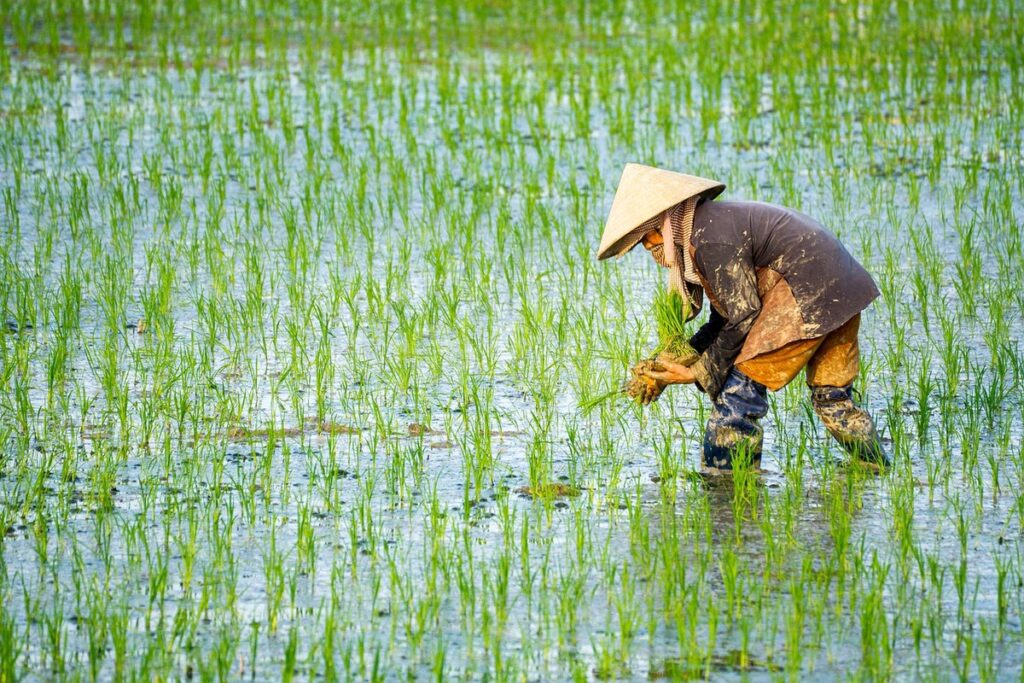
Benefits and Challenges of Wet Rice Farming
Wet rice farming presents unique advantages, including high yields and crop stability, but it also comes with significant challenges that farmers must carefully consider. Let’s examine these trade-offs more closely.
Understanding the Basics of Irrigation Systems
Irrigation is a crucial component of wet rice farming, as it provides water to the crop throughout its growth cycle. Without sufficient irrigation, yields would be significantly lower and crops more susceptible to drought stress. There are several types of irrigation systems used in wet rice farming, including gravity-fed systems, pump-based systems, and sprinkler irrigation.
Gravity-fed systems rely on natural elevation differences between fields and canals to deliver water to the crop. These systems are often less expensive to install and maintain than other types of irrigation systems but may require more labor to operate. Pump-based systems use electric or diesel-powered pumps to lift water from a source, such as a canal or river, and transport it to the field. Sprinkler irrigation uses a network of pipes and sprinklers to distribute water evenly over the crop.
Each type of irrigation system has its advantages and disadvantages. For example, gravity-fed systems can be more efficient in flat or gently sloping terrain but may struggle to deliver water uphill. Pump-based systems are often more versatile but can be more expensive to operate.
Common Challenges Faced by Wet Rice Farmers
Water scarcity is one of the most significant challenges faced by wet rice farmers. With increasing demand for water and changing weather patterns, many regions experience droughts that severely impact crop yields. In some areas, farmers may need to rely on groundwater or rainwater harvesting systems to supplement irrigation needs.
Land degradation is another pressing concern, as intensive flooding can lead to soil erosion and nutrient depletion. This not only reduces fertility but also increases the risk of water-borne diseases and pests. Pests like rice stem borers and leaf folder moths can cause significant damage if left unmanaged.
Diseases such as sheath blight and bacterial leaf blight can spread rapidly in wet environments, further reducing yields. In addition to these biological challenges, farmers may also face issues related to water quality, including high levels of salinity or pollution from fertilizers and pesticides.
To mitigate these risks, farmers should adopt integrated pest management (IPM) strategies that combine physical barriers, cultural controls, and biological agents to minimize chemical use. Regular soil testing can help identify nutrient deficiencies and optimize fertilizer application. By taking a proactive approach to managing these challenges, wet rice farmers can improve crop resilience and maintain profitability despite the unpredictable nature of their environment.
History and Evolution of Wet Rice Farming
Wet rice farming has a rich history that spans thousands of years, evolving from small-scale irrigation systems to large-scale industrial practices. Let’s take a journey through its fascinating evolution and development over time.
Origins and Spread of Wet Rice Cultivation
Wet rice cultivation originated in Asia over 7,000 years ago, with evidence suggesting its practice began in the Yangtze River Delta in China around 4500 BCE. From there, it spread to other parts of Asia, including India and Southeast Asia. The earliest known examples of wet rice farming were found in the Kukreiya archaeological site in India’s Punjab region, dating back to approximately 3800 BCE.
As Asian civilizations developed and trade networks expanded, wet rice cultivation techniques and knowledge diffused throughout the continent. Rice became a staple crop in many Asian societies, with its production playing a crucial role in shaping local economies and cultures. The spread of Buddhism from India also facilitated the transfer of wet rice farming practices to other regions, including Sri Lanka and Southeast Asia.
In time, European explorers and colonizers introduced wet rice cultivation to new parts of the world, including Africa and Latin America. The crop’s adaptability and ability to thrive in diverse environments made it a valuable commodity for many cultures. Today, Asia remains the world’s largest producer of rice, accounting for over 80% of global output.
Impact of New Technologies on Wet Rice Farming
Precision irrigation systems have revolutionized wet rice farming by optimizing water usage and reducing waste. These systems use sensors and algorithms to monitor soil moisture levels and deliver exactly the right amount of water to each field, eliminating over-irrigation and its associated costs. In contrast to traditional flood-based irrigation methods, precision irrigation can reduce water consumption by up to 30%.
Mulching has also become a crucial component of modern wet rice farming. By applying a layer of organic material such as straw or coconut husk to the soil surface, farmers can retain moisture, suppress weeds, and regulate soil temperature. This reduces the need for herbicides and pesticides, making the farming process more sustainable.
Crop rotation is another key innovation that has improved efficiency and yields in wet rice farming. By rotating different crops through the same field on a regular basis, farmers can break disease cycles, replenish nutrients, and maintain soil health. For example, following a season of rice with a leguminous crop like soybeans or cowpeas can add nitrogen to the soil, reducing the need for synthetic fertilizers.
Some examples of effective crop rotation patterns include:
- Rice-wheat-soybean
- Rice-cotton-maize
- Rice-peanut-chickpea
Techniques for Successful Wet Rice Farming
Wet rice farming requires precise management of water and soil conditions, which can be achieved through techniques such as mulching and crop rotation. Effective implementation of these strategies is crucial for a successful harvest.
Choosing the Right Variety and Planting Time
When selecting a suitable rice variety for wet farming, consider factors such as climate, soil type, and intended use. Climate conditions play a significant role in determining the success of a crop. For instance, tropical climates are ideal for certain varieties like Jasmine or Basmati, while temperate regions may be better suited to shorter-season varieties.
Understand your local climate’s temperature, rainfall, and sunlight patterns before choosing a variety. This will also help you plan planting schedules accordingly. Typically, rice is planted in the spring or early summer when temperatures are around 15-20°C (59-68°F). However, this can vary depending on your specific region.
In regions with distinct wet and dry seasons, plant short-season varieties during the wet season to ensure optimal growth. Conversely, long-season varieties may require more time to mature and should be planted in advance of the wet season. Understanding these patterns will help you create a planting schedule tailored to your farm’s unique conditions.
Crop Management Practices for Optimal Yield
Fertilization is a crucial aspect of crop management in wet rice farming. To achieve optimal yield, farmers should implement a balanced fertilization program. This typically involves applying a mix of nitrogen, phosphorus, and potassium (NPK) fertilizers at different stages of plant growth. The exact fertilizer requirements will depend on the soil type, climate, and specific rice variety being grown.
Pest control is another critical component of crop management in wet rice farming. Common pests include rice stem borers, gall midges, and leaf folder caterpillars. Integrated pest management (IPM) strategies should be employed to minimize chemical use. This can involve introducing natural predators or parasites, using physical barriers, and practicing good agricultural practices such as maintaining a clean farm environment.
Effective irrigation scheduling is also essential for optimal yield in wet rice farming. Farmers should monitor soil moisture levels and adjust their irrigation schedule accordingly. In addition, they should ensure that water is applied uniformly to prevent dry spots and overwatering. A common approach is to use the “three-water” system: flooding, drainage, and drying. This involves flooding the field to a depth of 2-3 cm, allowing the water to drain, and then drying the field for several days before re-flooding.
Water Management in Wet Rice Farming
Effective water management is crucial for wet rice farming, as it directly impacts crop yields and sustainability. Let’s take a closer look at how to manage water resources efficiently in this type of agriculture.
Efficient Use of Water Resources
Minimizing water waste is crucial for efficient wet rice farming. Techniques like mulching, drip irrigation, and conservation agriculture can significantly reduce water loss. Mulching involves covering the soil with a layer of organic material, such as straw or crop residues, to retain moisture and suppress weeds. This method can save up to 50% of the total water used in conventional farming.
Drip irrigation delivers water directly to the roots of plants through a network of tubes, reducing evaporation and runoff. By applying water exactly where it’s needed, drip irrigation can increase crop yields while minimizing waste. Conservation agriculture, which involves leaving crop residues on the soil and planting between rows, also helps retain moisture and reduce erosion.
In addition to these techniques, farmers can also adopt more efficient irrigation systems. For example, sprinkler irrigation is often used in combination with mulching to further reduce water loss. Regular monitoring of soil moisture levels and adjusting irrigation schedules accordingly can also help minimize waste. By incorporating these strategies into their farming practices, wet rice farmers can conserve water resources while maintaining high yields.
Monitoring and Managing Floods and Droughts
Coping with extreme weather events is crucial for wet rice farmers. Floods and droughts can damage crops or disrupt farming operations, leading to significant economic losses. To mitigate these risks, farmers employ various strategies.
One effective approach is to monitor water levels closely. This involves installing sensors to track the water table’s depth and ensuring that drainage systems are functioning properly. For example, in Japan’s rice paddies, automatic water level controllers regulate water flow to prevent flooding during heavy rainfall. Farmers also need to be prepared for droughts by implementing conservation tillage or mulching to retain soil moisture.
Drought-tolerant crop varieties can also help minimize losses. These crops require less irrigation and are more resistant to dry conditions. In some regions, farmers rotate their rice crops with drought-resistant crops like corn or soybeans to reduce the risk of crop failure during extended dry spells. Early warning systems for weather events, such as mobile apps or SMS alerts, enable farmers to take proactive measures and minimize losses.
Farmers can also consider adopting flood-tolerant varieties, which have been bred to withstand excess water and can recover quickly after flooding subsides.
Environmental Impact of Wet Rice Farming
Wet rice farming, while providing a vital source of food for millions, also has significant environmental consequences that we need to consider. Let’s examine the effects of this widespread agricultural practice on ecosystems and biodiversity.
Soil Erosion and Degradation Concerns
Soil erosion and degradation are significant concerns associated with wet rice farming. The constant flooding required for this type of cultivation can lead to soil erosion, particularly on slopes or uneven terrain. Nutrient depletion is another issue, as the frequent submergence of the soil can cause nutrient-rich topsoil to be washed away.
Rice paddies often have poor drainage due to the need for continuous water coverage. When water levels fluctuate, this can lead to oxygen deprivation in the soil, causing anaerobic conditions that favor the growth of pathogens and reduce beneficial microbial activity. As a result, essential nutrients like nitrogen, phosphorus, and potassium become tied up in the soil, making them unavailable to the rice plants.
To mitigate these concerns, farmers can implement conservation tillage or no-till farming practices, which minimize soil disturbance and promote soil health. Regularly monitoring water levels and maintaining proper drainage systems is also crucial for preventing erosion and nutrient depletion. By adopting more sustainable approaches to wet rice cultivation, farmers can reduce their environmental impact while maintaining yields.
Greenhouse Gas Emissions from Wet Rice Farming
Methane production is a significant contributor to greenhouse gas emissions from wet rice farming. This process occurs when microorganisms in flooded paddies break down organic matter and release methane as a byproduct. The extent of methane production varies depending on factors such as water depth, temperature, and soil type.
Fertilizer use also plays a crucial role in greenhouse gas emissions from wet rice farming. Synthetic fertilizers contain nitrogen, which can be converted into nitrous oxide (N2O) through microbial processes in the soil. N2O is a potent greenhouse gas with a global warming potential 300 times higher than carbon dioxide over a 100-year time frame.
The use of synthetic fertilizers is particularly problematic because it not only contributes to greenhouse gas emissions but also leads to soil degradation and nutrient pollution in waterways. As such, many sustainable wet rice farming practices emphasize the use of organic amendments or integrated nutrient management systems to minimize fertilizer application rates while maintaining crop yields.
Incorporating conservation agriculture techniques, such as reducing tillage or using cover crops, can help mitigate methane production by minimizing the amount of organic matter available for decomposition.
Frequently Asked Questions
Can I implement drip irrigation on my existing wet rice farm without major renovations?
Yes, it’s possible to integrate drip irrigation into your existing system with some adjustments. Start by identifying areas where water loss is most significant and focus on those zones first. You can begin with a small section of land and expand as you optimize your irrigation design.
How do I choose the right mulching material for my wet rice farm, considering factors like climate and soil type?
Select materials that decompose slowly to minimize labor and maintenance. For example, coconut husk or sugarcane bagasse work well in tropical climates with acidic soils. In cooler regions, straw or grass clippings might be more suitable. Test different options on a small scale before scaling up.
What if I experience waterlogging issues despite using efficient irrigation systems? How can I mitigate the problem?
Yes, waterlogging is still possible even with modern irrigation methods. Assess your soil’s water-holding capacity and drainage characteristics to identify potential causes. Add organic matter like compost or manure to improve soil structure and increase aeration.
Can I combine conservation agriculture practices with precision irrigation for optimal results?
Combine these techniques to enhance efficiency and reduce environmental impact. Conservation agriculture reduces soil disturbance, while precision irrigation optimizes water application based on crop needs and weather data. This integrated approach can lead to significant gains in both productivity and sustainability.
How do I balance the use of chemical fertilizers with the need for sustainable practices in wet rice farming?
While some fertilizer use is unavoidable, excessive reliance on chemicals harms soil health and environment. Adopt a gradual transition toward integrated nutrient management by incorporating organic amendments like compost or green manure into your rotation plans. Monitor soil test results to adjust application rates accordingly.
