
Creating a pollinator-friendly vegetable garden is easier than you think. Not only can it provide a bountiful harvest, but it also supports the local bee population and other beneficial insects like butterflies and hummingbirds. Without these essential visitors, your plants simply won’t reproduce, and many varieties may even die off altogether. This is because bees are responsible for pollinating over 75% of all plant species, including many vegetables that we rely on for food. By selecting the right plants, designing your space wisely, and using eco-friendly pest management strategies, you can create a thriving oasis that attracts these valuable visitors and improves biodiversity in your area. In this article, you’ll learn how to make your vegetable garden pollinator-friendly and reap its rewards.
Understanding the Importance of Pollinators
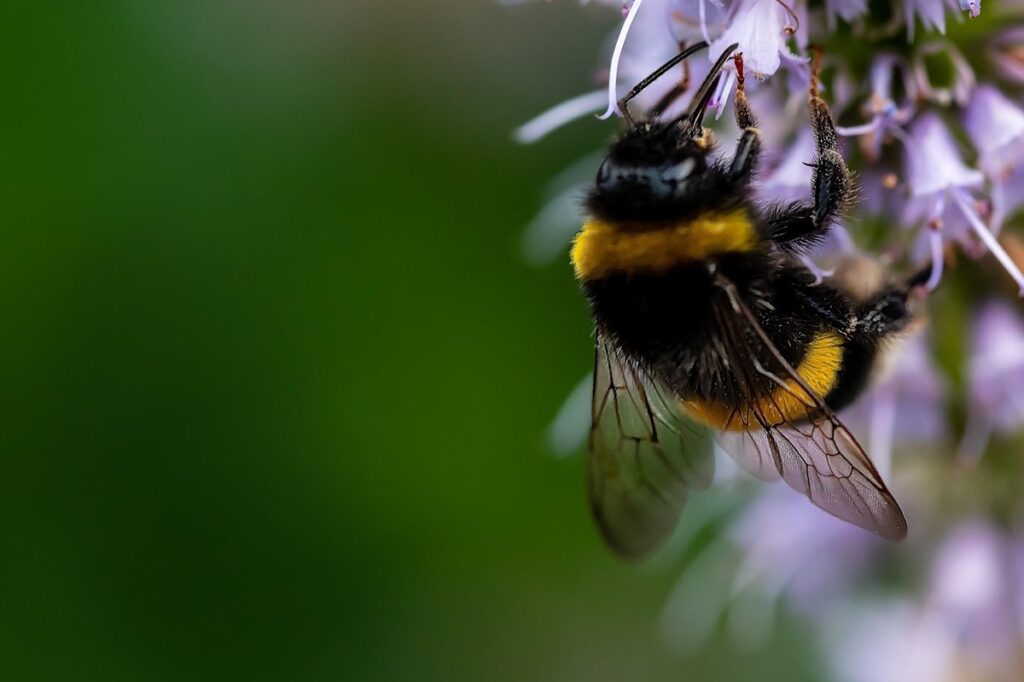
Pollinators play a vital role in maintaining the health and diversity of our ecosystem, making them essential for a thriving vegetable garden. Without these tiny creatures, many plants would struggle to reproduce successfully.
The Role of Pollinators in Food Production
Pollinators like bees, butterflies, and hummingbirds play a crucial role in vegetable garden production. Without them, many plants would be unable to reproduce, leading to reduced yields and lower quality produce. Bees, in particular, are responsible for pollinating over 75% of the world’s crop species, including vegetables like tomatoes, peppers, and cucumbers.
When bees visit flowers, they transfer pollen from one plant to another, allowing fertilization to occur. This process is essential for fruit and seed set. Without pollination, plants may produce flowers but fail to develop fruits or seeds. For example, many squash varieties require cross-pollination by bees to produce viable seeds.
Hummingbirds also play a vital role in pollinating certain vegetables, such as tomatoes and peppers. These birds are attracted to tubular flowers that provide nectar, which they use for energy. As they feed on nectar, they transfer pollen between plants, facilitating pollination.
To attract pollinators to your vegetable garden, it’s essential to create a diverse range of flowers that provide nectar and pollen throughout the growing season. By incorporating these plants into your garden design, you can support the health and productivity of your pollinator population.
The Impact of Pollinator Decline on Food Security
Pollinator decline has a ripple effect on global food security, impacting not only crop yields but also the nutritional diversity of our diets. One-third of the crops we rely on for food are directly pollinated by bees and other pollinators. Without these pollinators, staple crops like apples, blueberries, and almonds would see significant declines in production. This is particularly concerning for regions with limited agricultural resources.
In addition to reduced crop yields, a decline in pollinator populations can lead to increased prices for certain produce. For example, the price of almonds has risen by up to 20% due to bee population declines. Furthermore, many of these crops are often grown in monocultures, which already have lower biodiversity and ecosystem resilience.
To put this into perspective, consider that a small minority of pollinators (around 1-2%) are responsible for the majority of pollination services. This means that even localized pollinator decline can have far-reaching consequences for food security and ecosystems.
Creating a Pollinator-Friendly Vegetable Garden
When designing a pollinator-friendly vegetable garden, it’s essential to incorporate a mix of plants that provide nectar and pollen for these beneficial visitors. This section will explore specific tips for creating a welcoming space for pollinators.
Plant Selection for Pollinators
When selecting plants for a pollinator-friendly vegetable garden, it’s essential to focus on varieties that provide nectar and pollen, as well as those with edible flowers. Nectar-rich flowers like sunflowers (Helianthus annuus), cosmos (Cosmos bipinnatus), and zinnias (Zinnia elegans) attract bees, butterflies, and hummingbirds. Herbs such as lavender (Lavandula angustifolia) and mint (Mentha spp.) are also attractive to pollinators.
Some vegetable varieties that are particularly pollinator-friendly include tomatoes (Solanum lycopersicum), peppers (Capsicum annuum), and cucumbers (Cucumis sativus). These plants produce flowers that provide nectar and pollen, making them valuable resources for pollinators. Consider incorporating these vegetables into your garden design to create a welcoming environment for pollinators.
When choosing varieties, look for those with long flowering periods or repeat-blooming habits, such as ‘Cherry Roma’ tomatoes or ‘Bell Boy’ peppers. These plants provide a consistent source of nectar and pollen throughout the growing season.
Garden Design Considerations
When designing a pollinator-friendly vegetable garden, it’s essential to consider the layout and features of the space. Incorporating native plants is a crucial aspect of garden design for pollinators. Native plants have evolved alongside local pollinators, providing them with the necessary resources for survival. They tend to bloom at specific times of the year, offering a consistent source of nectar and pollen.
To create a pollinator-friendly garden, reduce or eliminate pesticide use altogether. Many pesticides are toxic to pollinators and can harm their populations. Instead, adopt integrated pest management strategies that minimize chemical intervention. For example, introduce beneficial insects like ladybugs and lacewings, which prey on common pests. You can also use physical barriers or hand-picking to remove pests.
Consider the garden’s structure by incorporating features that benefit pollinators, such as a mix of sun-loving and shade-tolerant plants, varying heights for flowers and foliage, and areas with loose soil for nesting. By thoughtfully designing your garden, you’ll create a haven for pollinators to thrive and support their role in vegetable production.
Providing a Source of Nectar and Pollen
To attract pollinators, you’ll want to provide them with an abundant source of nectar and pollen, which they rely on for energy. Planting flowers that bloom at different times will ensure a constant supply.
Types of Nectar-Rich Flowers for Vegetable Gardens
When selecting nectar-rich flowers for your vegetable garden, look for blooms with long, tube-shaped petals that can reach deep into the flower to gather nectar. Marigolds and zinnias are excellent choices, as they produce bright, vibrant flowers that attract a variety of pollinators. Sunflowers, with their tall stature and large, daisy-like blooms, also provide an abundance of nectar for pollinators.
Consider planting a mix of annuals and perennials to ensure a constant source of nectar throughout the growing season. For example, you can plant marigolds in early spring and zinnias in mid-summer, while sunflowers will continue to bloom throughout the summer months. These flowers are relatively easy to care for and can thrive in a variety of soil types.
When choosing nectar-rich flowers, also consider their fragrance. Many pollinators are drawn to strong scents, so incorporating fragrant blooms like lavender or honeysuckle into your garden can help attract even more pollinators. By selecting a mix of nectar-rich flowers with different characteristics, you can create a diverse and welcoming environment for pollinators in your vegetable garden.
Attracting Hummingbirds with Tubular Flowers
Hummingbirds are attracted to tubular flowers with long, narrow shapes that match their beak size. When planning a vegetable garden that draws hummingbirds, consider incorporating plants like trumpet-shaped honeysuckle or fuchsia. These flowers have the perfect shape for hummingbirds to access nectar deep within the blooms.
Incorporating native plants is essential when attracting hummingbirds with tubular flowers. For example, in regions where red salvia is native, it can thrive in vegetable gardens and provide a reliable source of nectar for hummingbirds. This plant’s tall spikes of red or purple flowers are particularly appealing to these birds.
To attract hummingbirds with tubular flowers, focus on creating a garden that meets their specific needs. Plant species that offer a constant supply of nectar-rich blooms throughout the growing season. By incorporating these plants and maintaining a healthy ecosystem, you can create an environment where hummingbirds feel welcome and can thrive alongside your vegetable crops.
Some tubular flower options to consider for attracting hummingbirds include:
• Trumpet-shaped honeysuckle (Lonicera sempervirens)
• Fuchsia (Fuchsia spp.)
• Red salvia (Salvia coccinea)
Managing Pesticides Responsibly
When using pesticides, it’s easy to overdo it and harm pollinators, so we’ll explore safe alternatives for controlling pests in your vegetable garden. This includes choosing the right products and handling them carefully.
The Impact of Chemical Pesticides on Pollinators
Chemical pesticides can have a devastating impact on pollinator populations and ecosystems. When bees, butterflies, and other pollinators come into contact with these chemicals, they can suffer from acute poisoning or chronic exposure leading to colony collapse disorder. In addition to direct harm, pesticide use also disrupts the delicate balance of ecosystem services, such as pest regulation, nutrient cycling, and soil health.
Safer alternatives for pest management include introducing beneficial insects like ladybugs and lacewings that prey on pests, practicing crop rotation and companion planting, and using physical barriers or traps. For example, row covers can prevent pests from reaching crops while allowing pollinators to access them. You can also try neem oil, a natural insecticide derived from the seeds of the neem tree.
When choosing pest management strategies, consider the specific needs of your garden and the types of pests you’re trying to control. Avoid using broad-spectrum pesticides that harm beneficial insects as well. Instead, opt for targeted solutions or integrated pest management (IPM) approaches that combine multiple techniques for optimal results.
Integrated Pest Management Strategies
When managing pests in your vegetable garden without harming pollinators, consider introducing beneficial insects. Encourage natural predators like ladybugs and lacewings by planting their preferred flowers, such as dill or fennel. These beneficial insects prey on common pests like aphids and whiteflies, reducing the need for chemical pesticides.
Physical barriers can also prevent pest damage. Use fine mesh or fine-netted row covers to keep flying pests away from your plants. Cover individual plants with fine netting to protect them from larger pests like slugs and snails. This method is particularly effective for sensitive crops like lettuce and spinach.
Some gardeners use neem oil, a natural insecticide derived from the seeds of the neem tree, to control pest populations without harming pollinators. Neem oil works by disrupting the insects’ reproductive cycle, preventing them from laying eggs. When using neem oil, follow the recommended application rates and timing to avoid harming beneficial insects.
It’s essential to monitor your garden regularly for signs of pests and intervene early to prevent infestations from getting out of control.
Maintaining a Healthy Ecosystem
To keep your pollinator-friendly garden thriving, maintaining a healthy ecosystem is crucial, which involves balancing soil, water, and plant diversity. This delicate balance ensures a stable environment for bees and butterflies to flourish.
Encouraging Diverse Biodiversity in Your Garden
A diverse range of plant species is essential for creating a resilient ecosystem in your vegetable garden. This approach not only benefits pollinators but also increases the overall health and productivity of your garden. By incorporating multiple plant types, you can create a complex web of relationships between plants, which helps to mitigate the effects of pests, diseases, and environmental stressors.
For example, planting marigolds with tomatoes can deter nematodes, while basil repels aphids. Companion planting like this can also improve soil health and structure by attracting beneficial insects that break down organic matter. Consider including native wildflowers or herbs in your garden, as these are often highly attractive to local pollinators.
Aim for a mix of annuals and perennials, as well as plants with different growth habits, such as climbing vines and shrubs. This will create a layered ecosystem that provides habitat and resources for a variety of pollinator species throughout the growing season. By embracing diversity in your garden design, you’ll be creating a haven for pollinators and setting yourself up for long-term ecological success.
Managing Water and Soil for Pollinator Health
Proper water management and soil health are crucial for maintaining a healthy ecosystem that supports pollinator well-being. When it comes to water, ensure that your garden receives adequate moisture without overwatering, which can lead to root rot and other issues detrimental to pollinators. A general rule of thumb is to maintain a consistent watering schedule, taking into account the specific needs of each plant species.
Soil health also plays a significant role in supporting pollinator health. Use compost or well-rotted manure to improve soil structure and fertility. Aim for a mix that includes at least 20% organic matter, which will help retain moisture and nutrients. Avoid using synthetic fertilizers, as they can harm beneficial microorganisms essential for plant growth.
In addition to these measures, consider incorporating plants with deep root systems, such as comfrey or sunchokes, to improve soil aeration and structure. These plants also act as nutrient accumulators, making it easier for other plants to absorb the necessary nutrients. By prioritizing water management and soil health in your garden, you’ll create an environment that supports not only pollinators but also the overall biodiversity of your ecosystem.
Monitoring and Supporting Local Pollinators
To ensure these beneficial visitors thrive, it’s essential to monitor their presence and provide them with the support they need through proper care. This includes recognizing potential threats and addressing them promptly.
Observing and Recording Pollinator Activity
When observing pollinator activity in your vegetable garden, timing is everything. Try to catch pollinators during their peak visiting hours, which are usually during warm parts of the day when flowers are most fragrant and nectar-rich. This might be early morning or late afternoon, depending on your location and climate.
You can use a notebook or a mobile app to record observations. Note the types of pollinators you see, the flowers they’re visiting, and any patterns in their behavior. Consider using camera traps or citizen science apps that allow you to photograph and identify species. For example, some apps will guide you through identification using images and range maps.
To make your recordings more useful, try to record data consistently over time. This could be daily, weekly, or monthly, depending on the scope of your observations. Take note of any factors that might influence pollinator activity, such as weather conditions, flower bloom times, or nearby food sources. By tracking these patterns, you’ll gain a deeper understanding of how your garden’s ecosystem functions and where improvements can be made to support local pollinators.
Collaborating with Local Communities and Conservation Efforts
Engaging with local conservation efforts and participating in community-led initiatives can significantly contribute to pollinator health. Start by researching nearby organizations, such as beekeeping associations, botanical gardens, or wildlife refuges, that focus on pollinator conservation. These groups often organize activities like plant sales, gardening workshops, and habitat restoration projects. Joining these events not only helps you connect with like-minded individuals but also allows you to learn from experienced gardeners and conservationists.
Consider participating in community-led initiatives such as creating pollinator-friendly habitats in local parks or green spaces. Many cities have programs that enable residents to adopt plots of land for gardening, which can be used to plant a variety of flowers, herbs, and vegetables that attract pollinators. You can also volunteer with local groups to monitor pollinator populations, record data on their activity, or assist with conservation efforts.
Some key initiatives to look out for include local pollinator counts, where volunteers help track the number of pollinators in a specific area, and community garden projects that focus on creating pollinator-friendly spaces. By collaborating with these organizations, you’ll be able to share knowledge, resources, and best practices for attracting pollinators to your vegetable garden while contributing to a larger effort to support local pollinator health.
Frequently Asked Questions
Can I attract pollinators to my garden even in areas with harsh winters?
Yes, many plant species that attract pollinators have adapted to survive through winter. Consider incorporating plants like snowdrops or winter-flowering heather, which provide nectar and pollen during the cold months.
What if some of my vegetable varieties don’t produce as much nectar as others? Should I remove them from the garden?
No, it’s not necessary to remove these varieties entirely. Instead, consider adding more pollinator-friendly plants around them that can provide additional food sources for pollinators. This will help create a diverse and resilient ecosystem in your garden.
How do I know if my pest management strategies are harming pollinators by mistake?
Regularly monitor pollinator activity in your garden, observing which areas seem to attract the most visitors. If you notice a decline in pollinator numbers or species diversity after implementing new pest control measures, reassess and adjust your methods accordingly.
Can I use native plants from my local region if they’re not necessarily nectar-rich? What are some good alternatives?
While it’s ideal to incorporate native plants for their specific benefits, not all native species produce significant amounts of nectar. Consider supplementing with non-native flowers that have proven track records as pollinator attractors, like marigolds or zinnias, which can thrive in a variety of conditions.
What if I notice an overabundance of certain pollinators visiting my garden? Are there steps to balance the ecosystem?
Yes, having too many of one species visit your garden can indicate an imbalance. Consider introducing plants that attract predators of these species or incorporating physical barriers to manage their numbers more effectively.
