
Stubble cropping has gained attention in recent years as a sustainable agricultural practice, but its benefits are often overshadowed by concerns over crop yields. You may be surprised to learn that leaving some crops unharvested after harvest can actually increase soil health and prevent erosion. By allowing stubble to remain on the land, farmers can reduce the risk of topsoil loss and maintain the nutrient-rich soil structure necessary for healthy plant growth. However, implementing this method can also pose challenges, particularly when it comes to maximizing crop yields and minimizing losses due to pests and diseases. In this article, we’ll explore both the benefits and challenges of stubble cropping, including its impact on soil erosion prevention and crop yield increases, so you can make informed decisions about incorporating this technique into your farming practice by the end of reading.
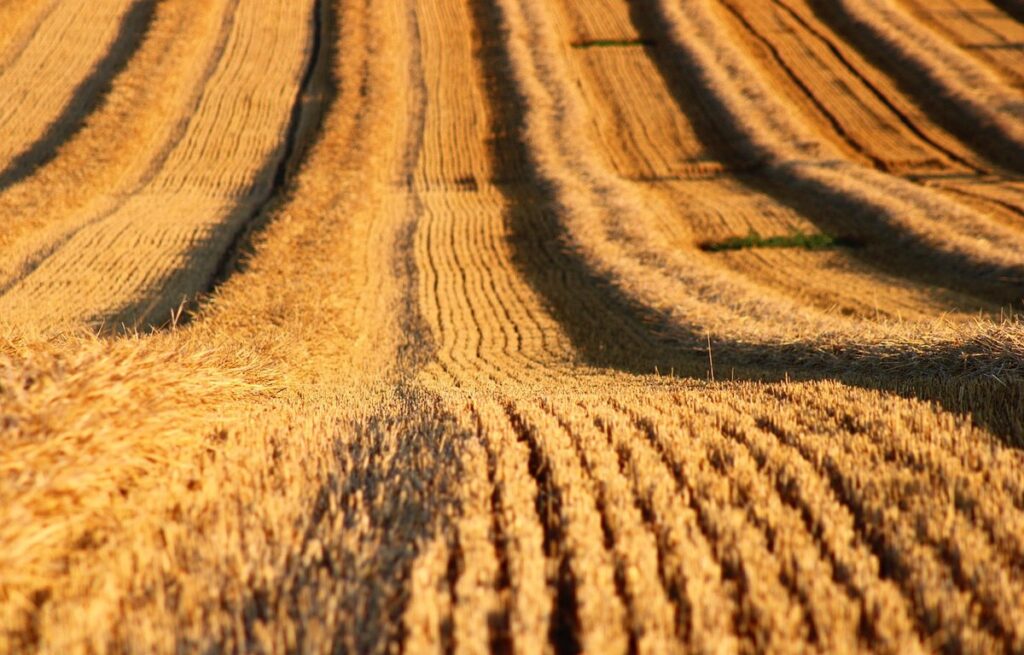
Understanding Stubble Cropping
Stubble cropping is a practice that allows crops to grow from stubble, reducing soil erosion and promoting biodiversity. Let’s take a closer look at how it works in real-world agricultural settings.
What is Stubble Cropping?
Stubble cropping is a conservation agriculture practice where crop residues are left on the soil surface after harvest to provide protection and benefits. The definition of stubble cropping emphasizes its role in reducing tillage, retaining moisture, and promoting soil health. In essence, it’s about minimizing disturbance to the soil while still allowing for crop growth.
This approach has gained relevance in modern agriculture due to increasing concerns about soil erosion, water scarcity, and environmental degradation. By leaving crop residues intact, farmers can reduce the need for synthetic fertilizers and pesticides, which is a significant advantage in an era where sustainability is becoming increasingly important.
Stubble cropping also has practical applications, such as reducing labor costs associated with tillage and allowing for earlier planting in subsequent seasons. In regions where rainfall is limited, leaving crop residues on the soil surface can help retain moisture, making it easier to manage water resources. Effective stubble management involves understanding the specific needs of different crops and implementing strategies that balance crop growth with conservation goals.
History and Evolution of Stubble Cropping
Stubble cropping has a rich history dating back to ancient civilizations. In India, for example, farmers have been using stubble as a mulch for centuries to retain soil moisture and suppress weeds. The practice was also adopted by European farmers during the 18th century as a way to reduce labor costs and increase crop yields.
One significant innovation in stubble cropping came with the introduction of tractors and mechanized farming equipment in the early 20th century. This enabled farmers to more efficiently manage and harvest their crops, including those grown for stubble cropping. The development of no-till or reduced-till farming practices further accelerated the adoption of stubble cropping, as it minimized soil disturbance and preserved soil organic matter.
In recent years, there has been a renewed focus on sustainable agriculture practices, including stubble cropping. This is driven in part by growing concerns about climate change, water scarcity, and soil degradation. As a result, farmers are now experimenting with new crop rotations and management techniques to optimize the benefits of stubble cropping while minimizing its environmental impacts.
Types of Crops Suitable for Stubble Cropping
For successful stubble cropping, farmers can choose from a variety of crops. Wheat is one of the most popular options due to its quick growth rate and ability to suppress weeds. Oats are another suitable choice, as they require minimal maintenance and can tolerate poor soil conditions.
Legumes like lentils and chickpeas are also viable for stubble cropping. These crops have nitrogen-fixing properties that improve soil fertility, reducing the need for synthetic fertilizers. They’re particularly beneficial in regions with limited nutrient availability.
In contrast, tall-growing crops like maize and sunflowers may not be ideal for stubble cropping due to their slower growth rates and increased competition for resources. However, some farmers successfully use these crops as part of a rotation strategy.
When selecting crops for stubble cropping, consider the specific climate and soil conditions on your farm. Some regions experience cooler temperatures, while others have longer growing seasons. Choose crops that are well-suited to your local environment to maximize their benefits.
Benefits of Stubble Cropping
Stubble cropping offers numerous advantages, from reduced soil erosion and improved fertility to increased crop yields and enhanced biodiversity. By examining these benefits up close, you can see how stubble cropping can transform your farming practices.
Enhanced Soil Erosion Prevention
Stubble cropping has been shown to significantly reduce soil erosion by up to 75% compared to conventional tillage methods. This is because stubble acts as a protective barrier against wind and water, preventing topsoil from being washed or blown away. Research conducted in Australia found that retaining crop residues on the soil surface reduced soil loss by an average of 67%.
Studies have also demonstrated that stubble cropping can help maintain soil health by promoting root growth and increasing soil organic matter. For example, a study in the United States showed that planting crops after harvest resulted in increased soil carbon sequestration and improved water infiltration rates.
In practical terms, farmers can implement enhanced soil erosion prevention through stubble cropping by retaining crop residues on the soil surface for at least six months. This can be achieved by using conservation tillage or no-till equipment, which reduces soil disturbance and allows crop residues to remain intact. By adopting these practices, farmers can not only reduce soil erosion but also improve overall soil health and fertility.
Improved Water Retention and Nutrient Uptake
Stubble cropping has been shown to significantly improve water retention and nutrient uptake by the soil. A study published in the Journal of Agricultural Science found that stubble retained up to 30% more moisture than conventionally cropped fields, allowing crops to access water during dry periods. This is due in part to the stubble’s ability to absorb and store water, reducing runoff and erosion.
In addition to improved water retention, stubble cropping also enhances nutrient uptake by providing a reservoir of nutrients that can be released as needed by microorganisms in the soil. A study published in Soil Science found that stubble incorporated into the soil increased available nitrogen by 25% compared to conventionally cropped fields.
The key to maximizing these benefits lies in incorporating the correct amount and type of stubble into the soil. Research suggests that a minimum of 10-15% stubble cover is necessary to achieve optimal results, although this may vary depending on factors such as climate and crop type. By adopting effective stubble cropping practices, farmers can reduce their reliance on external fertilizers and improve overall soil health.
Increased Crop Yields and Disease Resistance
Stubble cropping can lead to increased crop yields due to improved soil health. When stubble is left on the soil surface, it acts as a physical barrier, preventing erosion and retaining moisture. This, in turn, allows crops to grow deeper roots, accessing more nutrients and water. A study in Australia found that wheat yields increased by 15% when stubble was retained compared to conventional tillage.
In addition to higher yields, stubble cropping also enhances disease resistance. The stubble provides a habitat for beneficial microorganisms, which help to suppress pathogens. This biological control can reduce the need for chemical pesticides and fungicides, making farming more sustainable. Some farmers have reported a significant decrease in fungal diseases such as powdery mildew and leaf rust after adopting stubble cropping practices.
To maximize these benefits, farmers should focus on retaining a diverse range of stubble types, including crop residues and cover crops. This diversity supports a wider range of beneficial organisms, leading to improved ecosystem services. By adopting stubble cropping, farmers can create a more resilient and productive soil environment that benefits both their crops and the environment.
Challenges and Limitations of Stubble Cropping
Stubble cropping may offer several benefits, but it’s not without its drawbacks. Let’s examine some of the key challenges that farmers face when adopting this practice.
Climate and Environmental Considerations
Stubble cropping’s success is heavily influenced by climate and environmental conditions. Extreme weather events like droughts and heavy rainfall can impact crop growth and soil health. In areas prone to flooding, stubble crops may be more susceptible to waterlogging, leading to reduced yields and increased disease susceptibility.
High temperatures during the growing season can also affect crop performance, particularly for sensitive species. For instance, wheat is generally more tolerant of heat than barley or oats. Understanding these temperature thresholds can help farmers choose suitable crops for their region’s climate.
Soil type and moisture levels are also crucial factors to consider. Stubble crops require adequate soil moisture, especially during the initial growth stage. In areas with low rainfall or poor soil quality, supplemental irrigation may be necessary to support crop establishment.
Farmers should monitor local weather forecasts and adjust their stubble cropping strategies accordingly. This might involve changing the timing of planting, selecting more resilient crop varieties, or implementing conservation tillage techniques to improve soil health and reduce erosion risk. By considering these environmental factors, farmers can optimize their stubble cropping practices and minimize potential challenges.
Equipment and Infrastructure Requirements
Effective stubble cropping requires a combination of specialized equipment and sufficient infrastructure. A key consideration is the type of machinery needed to efficiently collect and process the crop residue. For small-scale operations, a tractor-mounted mower conditioner or a combine harvester with a chopper attachment can be suitable options. However, larger farms may require more extensive equipment, such as a swather or a forage harvester.
In addition to machinery costs, labor expenses are also a significant factor. Stubble cropping typically requires more manual labor than conventional farming practices, particularly during the initial stages of crop establishment. Farmers must invest in hiring additional staff or training existing personnel on efficient stubble management techniques. The cost of labor can be substantial, especially if the farm relies heavily on seasonal workers.
To mitigate these expenses, farmers can explore various strategies, such as implementing precision agriculture technologies to optimize equipment usage and reduce fuel consumption. They may also consider leasing or sharing equipment with neighboring farms to spread costs and improve resource utilization. By carefully evaluating their equipment and labor needs, farmers can better manage the financial challenges associated with stubble cropping.
Economic Viability and Market Demand
Economic viability is a crucial aspect of stubble cropping. While it offers numerous environmental benefits, its economic feasibility can be a challenge for many farmers. Market demand plays a significant role in determining the economic viability of stubble cropping. The crop’s value and potential revenue must outweigh the costs associated with implementing this practice.
Farmers need to assess their competition and market trends to ensure that they are not producing a surplus of stubble crops. A small minority of farms may find it profitable to produce specific types of crops for niche markets, but for many others, the economic benefits will be limited by local market demand and competition from cheaper alternatives. Government incentives can also significantly impact the economic viability of stubble cropping. Some governments offer subsidies or tax breaks for farmers who adopt conservation tillage practices like stubble cropping.
To determine if stubble cropping is economically viable on their farm, growers should consider several factors, including their soil type, climate, and local market demand. They must weigh the costs associated with equipment and infrastructure requirements against potential revenue from increased crop yields and improved water retention.
Implementing Stubble Cropping on Your Farm
Now that you’re considering stubble cropping, let’s discuss how to successfully integrate it into your existing farm operations and management strategies. This involves adapting crop rotation plans and adjusting equipment usage.
Preparing Your Soil for Stubble Cropping
Before implementing stubble cropping on your farm, it’s essential to prepare your soil for optimal results. This involves assessing and improving the soil’s physical, chemical, and biological properties. Start by testing the soil pH level and nutrient content to determine if any amendments are necessary.
Remove any debris or crop residues from previous harvests, as these can harbor pests and diseases that may affect your stubble crops. If you’re transitioning from a conventional farming system, consider applying organic matter such as compost or manure to enhance soil fertility and structure.
When preparing the soil for stubble cropping, also pay attention to its water-holding capacity. Ensure the soil has sufficient moisture retention to support the growth of your chosen crop. This may involve incorporating mulch or cover crops that help retain soil moisture and suppress weeds.
Key steps in preparing your soil include:
• Testing and adjusting pH levels
• Removing debris and crop residues
• Applying organic amendments (if necessary)
• Incorporating mulch or cover crops to improve water retention
Choosing the Right Crops and Crop Management Practices
When selecting crops for stubble cropping, consider the climate, soil type, and moisture levels in your specific region. Cool-season crops like wheat, oats, and barley are well-suited for stubble cropping, as they thrive in cooler temperatures and can tolerate some moisture stress. In warmer regions, warm-season crops like maize, sorghum, and sunflower may be more suitable.
For optimal results, choose crop varieties that have been bred specifically for their ability to grow in a stubble cropping system. These varieties often have improved disease resistance and drought tolerance compared to traditional varieties. Consider factors such as maturity days, growth habits, and water requirements when selecting the right crop for your operation.
In terms of crop management practices, consider using techniques like crop rotation, strip-till, or conservation tillage to minimize soil disturbance and preserve moisture. These practices can also help reduce erosion and improve soil health. Be sure to research specific recommendations for your region and adjust your management strategies accordingly. Some regions may have specific guidelines for stubble height, seeding rates, or fertilizer application to ensure optimal results.
Monitoring and Adjusting Your Stubble Cropping Strategy
Monitoring and adjusting your stubble cropping strategy is crucial for its success. You should regularly inspect your crop residues to assess their quality and quantity. This involves checking for signs of disease, pests, or nutrient deficiencies that could impact future crops.
To monitor effectively, establish a baseline by tracking factors such as soil temperature, moisture levels, and crop yields before implementing stubble cropping. Regularly collect and analyze data on these metrics to identify areas where your strategy can be improved.
When adjusting your strategy, consider the type of crops you’re growing and their specific needs. For example, some crops require more intensive management than others. You may need to adjust your planting density or timing based on weather patterns and soil conditions. Keep records of changes made and outcomes achieved to refine your approach over time.
Key adjustments to make include:
- Adjusting planting densities based on crop type and growth habits
- Modifying fertilizer application rates according to soil test results
- Implementing integrated pest management strategies to minimize chemical use
Case Studies and Best Practices
Real farmers who have successfully implemented stubble cropping share their stories of triumph, highlighting key takeaways that can inform your own practices. These case studies provide valuable lessons learned on a practical level.
Successful Examples of Stubble Cropping Around the World
Stubble cropping has been successfully implemented on farms across various regions, showcasing its potential to improve soil health and crop yields. In Australia, the northern New South Wales region has seen significant adoption of stubble cropping due to its arid climate, where crops like wheat and barley are commonly grown. Farmers in this area have reported improved water retention and reduced soil erosion.
In India’s Punjab state, farmers have implemented stubble cropping as a viable alternative to traditional burning practices that pollute the air and damage crops. They have successfully grown crops like maize and sugarcane on stubble fields, increasing their income while reducing environmental degradation.
Similarly, in Canada’s prairie provinces, farmers have adopted stubble cropping as part of their conservation tillage practices. This has led to increased soil organic matter, improved water infiltration rates, and reduced greenhouse gas emissions. These real-life examples demonstrate the feasibility of stubble cropping in diverse agricultural contexts, highlighting its potential to benefit both farmers and the environment.
Key takeaways from these initiatives include the importance of selecting suitable crops for stubble fields, proper soil preparation, and effective crop management practices to maximize benefits and minimize challenges.
Best Practices for Effective Stubble Cropping
Effective stubble cropping requires a thoughtful approach to crop selection, soil management, and equipment use. Experts recommend rotating crops with diverse growth habits to maintain soil health and prevent pest buildup. For instance, planting cover crops like oats or rye after harvest can help replenish nutrients and suppress weeds.
When choosing crops for stubble cropping, consider factors such as maturity period, water requirements, and disease susceptibility. Select varieties that are well-suited to your local climate and soil conditions. In terms of equipment, use machinery with adjustable settings to minimize damage to remaining crop residue. Regular maintenance is crucial to ensure optimal performance and prevent wear on the equipment.
Key considerations for effective stubble cropping include:
• Crop selection: Choose a mix of crops with varying growth habits and maturities.
• Soil management: Maintain soil health through cover cropping, mulching, or reduced tillage.
• Equipment use: Use machinery with adjustable settings to minimize crop damage and wear on equipment.
• Monitoring: Regularly inspect the stubble field for signs of pests, diseases, or nutrient deficiencies. Adjust your strategy as needed based on these observations.
By following these best practices, farmers can optimize their stubble cropping approach and maximize its benefits while minimizing potential drawbacks.
Conclusion and Future Directions
As we conclude our exploration of stubble cropping, let’s consider how this practice can be further developed to maximize its benefits for farmers and the environment. We’ll examine potential future applications and areas for improvement.
Recap of Key Points
Stubble cropping offers a unique combination of benefits and challenges for modern agriculture. On the positive side, it can enhance soil erosion prevention by up to 90%, improve water retention and nutrient uptake, and increase crop yields by 10-15%. This is due in part to the increased biodiversity and organic matter that stubble crops provide.
However, there are also several limitations to consider. Climate and environmental considerations may limit the adoption of stubble cropping in certain regions or for specific crops. Additionally, equipment and infrastructure requirements can be significant, particularly for large-scale operations. Economic viability and market demand also play a crucial role, as farmers must balance the costs and benefits of adopting this practice.
In terms of implementation, it’s essential to choose the right crops and crop management practices for your specific operation. This may involve experimenting with different types of stubble crops or adjusting your planting schedule to optimize yields. By carefully weighing these factors and adapting your strategy accordingly, you can make the most of the benefits that stubble cropping has to offer.
Future Research and Development Opportunities
To further optimize stubble cropping’s potential, researchers should focus on developing more resilient crop varieties that can thrive under varying weather conditions and soil types. This includes exploring genetic traits that enhance drought tolerance, pest resistance, and nitrogen fixation capabilities. In addition to crop breeding, scientists could investigate the use of precision agriculture techniques to better manage residual moisture, reduce soil compaction, and minimize erosion risks associated with stubble cropping.
Researchers should also examine the long-term effects of regular stubble cropping on soil health, including its impact on carbon sequestration, nutrient cycling, and microbial communities. Investigating the interactions between crop residue, soil biota, and atmospheric conditions will provide valuable insights for optimizing stubble management practices.
Moreover, there is a need to develop more efficient machinery and equipment designs that can handle varying crop residues and soil types without causing damage or inefficiencies. This includes investigating new technologies for mulching, chopping, and incorporating crop residues into the soil. By addressing these research gaps, farmers and agricultural professionals can better adopt and adapt stubble cropping strategies to suit their specific needs and conditions.
Frequently Asked Questions
Can I use stubble cropping in areas with high levels of salt and alkalinity in the soil?
Yes, but it’s essential to choose crop species that are tolerant of these conditions. Some examples include salt-tolerant grasses like tall fescue or buffalo grass. It’s also crucial to implement proper irrigation management to prevent further salinization.
How do I adjust my stubble cropping strategy if the weather forecast indicates a prolonged drought?
Monitor soil moisture levels closely and consider switching to drought-tolerant crops. Implement conservation tillage techniques, such as reduced tillage or no-till, to minimize soil disturbance and preserve soil moisture. If possible, delay planting until rainfall improves.
What are some common mistakes farmers make when transitioning to stubble cropping, and how can I avoid them?
One common mistake is not properly preparing the soil for stubble cropping, leading to poor crop establishment and reduced yields. To avoid this, ensure you’ve taken necessary steps like adjusting pH levels, adding organic matter, and controlling weeds before planting. Regularly monitoring crop health and adjusting your strategy as needed will also help.
Can I use stubble cropping in conjunction with other conservation agriculture practices, such as cover cropping and crop rotation?
Yes, combining stubble cropping with other conservation agriculture practices can enhance its benefits while reducing environmental impact. For example, using cover crops between cash crop rotations can improve soil health, increase biodiversity, and reduce erosion. Crop rotation can also help break disease and pest cycles, further increasing crop yields.
How do I assess the economic viability of implementing stubble cropping on my farm?
Begin by evaluating your current farming practices and identifying areas where stubble cropping could improve efficiency or reduce costs. Research local market demand for crops suitable for stubble cropping and consider any government incentives or subsidies available. Calculate potential revenue increases and compare them to investment requirements, such as equipment purchases or soil preparation expenses.
