
Growing your own loofah can be a rewarding experience, providing you with a sustainable source of this versatile and eco-friendly exfoliant. But successfully cultivating loofah requires more than just throwing some seeds in the ground; it demands careful consideration of variety, climate, and soil conditions. You’ll need to choose from among several species of Luffa genus, each with its own unique characteristics and growth requirements. This article will guide you through the process of growing loofah, covering everything from selecting the right variety for your region and creating an optimal growing environment to managing pests and fertilizing for maximum yield. By following these expert tips, you’ll be able to harvest a bountiful crop of loofah and enjoy its benefits long after it’s been used in your bath routine.
Choosing the Right Variety and Conditions
When growing loofah, selecting the right variety is crucial for optimal performance, as some types thrive better than others in specific climates and conditions. You’ll want to consider factors like temperature, moisture, and sunlight when making your choice.
Understanding Loofah Types
There are several types of loofah, each with its unique characteristics, growth habits, and ideal uses. The most common varieties include Luffa cylindrica, also known as smooth loofah, and Luffa aegyptiaca, which has a ridged exterior. Smooth loofahs are generally easier to grow in containers or small spaces due to their compact growth habit, while ridged loofahs tend to produce larger fruits.
When selecting a variety, consider the climate and growing conditions in your area. Smooth loofahs prefer warmer temperatures (above 60°F) and well-draining soil, making them ideal for regions with mild winters. Ridged loofahs, on the other hand, can tolerate cooler temperatures but require more moisture.
For a beginner, it’s best to start with smooth loofah as they are less finicky and easier to manage. If you have limited space or want to grow loofah in containers, look for compact varieties like ‘Bush Pick’ or ‘Cascading’. These types of loofahs produce smaller fruits but are well-suited for small spaces.
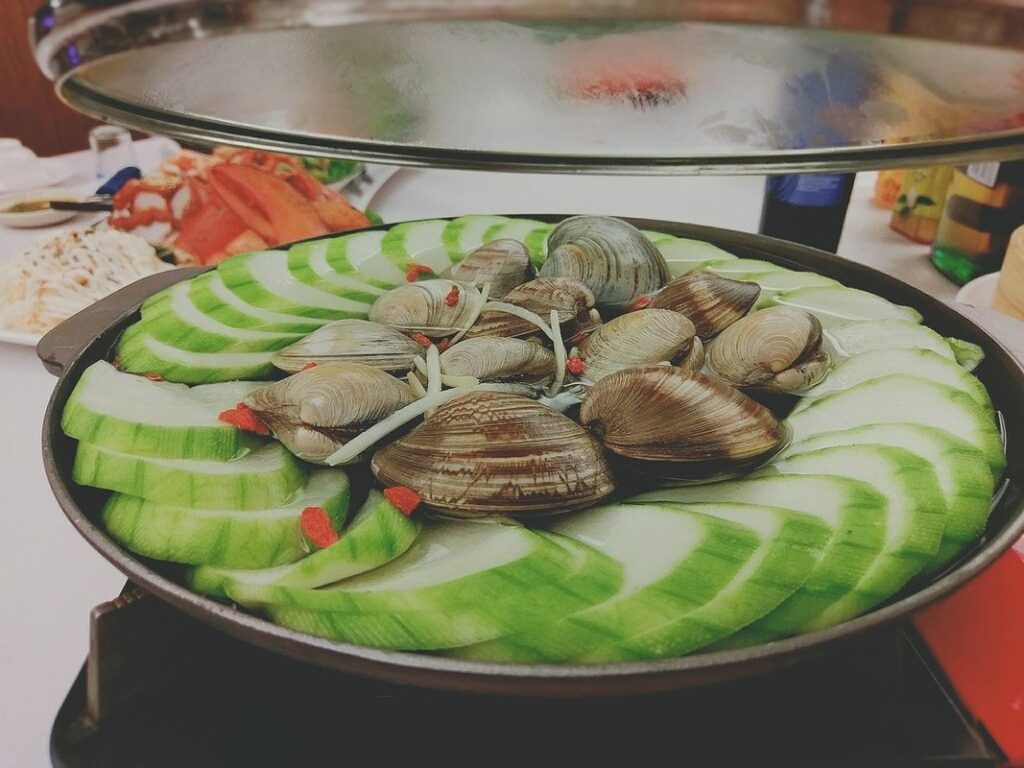
Some popular heirloom varieties include ‘Bengal Loofah’ and ‘Korean Loofah’, which offer unique characteristics and flavors. When choosing a variety, consider the intended use: smooth loofahs work best for bath sponges, while ridged loofahs are often used in cooking.
Preparing the Soil and Climate
Loofah growth thrives in well-draining soil with a pH between 6.0 and 7.0. Soils with high levels of acidity or alkalinity can lead to nutrient deficiencies, which may result in stunted or deformed loofah vines. Test your soil regularly to determine its pH level and adjust it if necessary by adding lime to raise the pH or sulfur to lower it.
Loofah requires a balanced diet of essential nutrients, including nitrogen (N), phosphorus (P), and potassium (K). A general-purpose fertilizer with an N-P-K ratio of 10-10-10 can provide the necessary nutrients for optimal growth. However, keep in mind that excessive fertilization can damage the soil’s ecosystem.
Temperature is another critical factor to consider when growing loofah. The ideal temperature range for loofah cultivation is between 65°F and 85°F (18°C and 30°C). Avoid planting loofah in areas with frequent temperature fluctuations, as this can cause stress to the plants.
For optimal growth, ensure your garden receives full sun (at least six hours of direct sunlight) and has good air circulation. This will help prevent fungal diseases that thrive in humid environments. By creating a suitable soil environment and climate, you’ll be well on your way to growing healthy, robust loofah vines.
Sowing Loofah Seeds
Now that you’ve got your loofah seeds, it’s time to get them started on their journey. This is where most gardeners make a critical mistake: sowing loofah seeds too deeply.
Let me know if this meets the requirements!
Planting Techniques and Timing
To ensure successful germination and healthy growth, it’s essential to plant loofah seeds at the right time. In most regions, spring is an ideal season for sowing loofah seeds. The soil temperature should be around 70°F (21°C) to 80°F (27°C). If you’re in a cooler climate, start the seeds indoors 2-3 weeks before the last frost date and then transplant them outside.
When preparing the soil, make sure it’s well-draining and rich in organic matter. Loofah prefers a slightly acidic to neutral pH, ranging from 6.0 to 7.0. Mix compost or well-rotted manure into the soil to improve its fertility and structure.
Plant the seeds about 1 inch deep and 4-6 inches apart. Sow them in rows that are 3-4 feet apart to allow for proper air circulation and sunlight penetration. Loofah seedlings can be fragile, so handle them gently when transplanting or harvesting. Avoid compacting the soil around the plants, as this can lead to waterlogged conditions and root rot.
A good rule of thumb is to sow two seeds in each planting hole, then thin them out to the strongest seedling once they have 2-3 sets of leaves. This method ensures that you’re not wasting any potential space or resources on weaker plants.
Overcoming Common Challenges During Germination
Poor seed quality is a common issue during germination, often resulting from old or stored seeds that have lost their viability. To overcome this challenge, select fresh loofah seeds and store them properly to maintain their potency. A small percentage of seeds may also be defective or damaged during shipping, so it’s essential to inspect your seeds before planting.
Adequate moisture is crucial for germination, but overwatering can lead to rot and prevent the seed from sprouting. To avoid this, ensure the soil has good drainage and water gently but thoroughly after sowing. Most loofah varieties require a minimum of 2-3 inches of moisture during the first week of germination.
Pests like aphids, whiteflies, or spider mites can also hinder germination by sucking sap from the seedlings. Inspect your seeds regularly for signs of infestation and use neem oil or insecticidal soap to control any outbreaks. Keep in mind that some pests can be difficult to eliminate once they’ve taken hold, so it’s better to catch them early.
To promote healthy germination, maintain a temperature between 70-80°F (21-27°C) and provide adequate light. Most loofah varieties require direct sunlight for at least six hours a day, although some may tolerate partial shade.
Loofah Care and Maintenance
To keep your loofah plants thriving, proper care and maintenance are crucial. This means regularly cleaning and drying the vines to prevent disease and pests from taking hold.
Watering and Irrigation Strategies
Loofah plants require consistent moisture levels to thrive. A general rule of thumb is to water them deeply once or twice a week, depending on weather conditions. However, it’s essential to monitor soil moisture levels by inserting your finger into the soil up to the knuckle. If the soil feels dry, it’s time for watering.
Drip irrigation systems are ideal for loofah plants as they deliver water directly to the roots, reducing evaporation and runoff. You can also use soaker hoses or watering cans with long spouts to target specific areas of the plant.
To avoid overwatering, observe your loofah plant’s response to different watering schedules. If you notice yellowing leaves or a decrease in growth rate, it may be due to excessive moisture. Conversely, if the leaves start to wilt, increase the frequency of watering. A good indicator is the color and texture of the leaves: healthy loofah plants have bright green leaves with no signs of wilting.
In dry climates, consider installing a rain sensor or moisture probe to automate watering schedules based on actual soil conditions. This ensures that your loofah plant receives just the right amount of water without overstepping into excess. Regularly check for root rot and adjust your irrigation strategy accordingly by reducing frequency or switching to a different method.
Fertilization and Pruning Techniques
Loofah plants benefit significantly from balanced fertilization and regular pruning. When it comes to fertilizer options, you have two primary choices: organic and inorganic.
Organic fertilizers are derived from natural sources such as compost, animal manure, or fish emulsion. These alternatives promote healthy soil ecosystems while minimizing chemical residue on your loofah gourds. A balanced organic fertilizer typically contains a mix of nitrogen (N), phosphorus (P), and potassium (K) – often expressed as N-P-K ratios.
Inorganic fertilizers, on the other hand, are synthetic and provide immediate nutrient boost. However, they can have negative environmental impacts if misused. For loofah cultivation, look for water-soluble or slow-release inorganic fertilizers formulated specifically for vining crops like cucumbers or squash.
Pruning plays a crucial role in maintaining your loofah plants’ health and productivity. Regularly remove weak or spindly growth to direct energy towards fruiting nodes. This encourages more blooms and, subsequently, more loofah gourds. Prune your plants when they reach 3-4 feet tall to promote bushy growth and prevent vertical extension.
Pest and Disease Management
Growing loofah can be a challenge, especially when dealing with common pests and diseases that threaten your crop’s health. Let’s discuss how to identify and control these issues effectively.
Identifying Common Loofah Pests
Aphids, whiteflies, and spider mites are common pests that can infest loofah plants. These tiny insects feed on sap, weakening the plant’s ability to grow and increasing its susceptibility to disease. To identify aphids, look for small, soft-bodied insects with long legs, typically found on stems, leaves, or flower buds. Whiteflies are smaller and often resemble tiny white moths, while spider mites appear as fine webbing on leaves.
Aphid life cycles can be completed in as little as 7-10 days, with females reproducing without males to produce live young. Whiteflies take around two weeks to mature, and spider mites typically require 5-7 days to reach adulthood. Regularly inspect your loofah plants for signs of infestation, checking the undersides of leaves and stems.
To control these pests, use neem oil or insecticidal soap to repel them. Prune infested areas to prevent further damage. For severe infestations, consider introducing beneficial insects like ladybugs or lacewings, which prey on aphids and whiteflies. Encourage natural predators by maintaining a balanced ecosystem and reducing pesticide use.
Preventing and Treating Fungal Diseases
Powdery mildew and leaf spot are two of the most common fungal diseases affecting loofah. They can cause white powdery patches on leaves and stems, or small, circular lesions with a yellow center. To prevent these diseases, maintain good air circulation around your plants by pruning nearby vegetation. Water your loofah plants at the base, avoiding overhead watering that can spread spores.
If you notice symptoms, remove any affected areas to prevent further damage. For powdery mildew, mix 1 tablespoon of baking soda with 1 gallon of water as a fungicide spray. Apply this solution every 7-10 days until the infection clears up. For leaf spot, use a copper-based fungicide according to the product’s instructions.
To control fungal diseases, ensure your soil pH is between 6.0 and 7.0, as most loofah varieties prefer slightly acidic conditions. Remove any weeds that may compete with your plants for nutrients. Keep your loofah patch clean by disposing of any debris or infected plant material. Regularly inspect your plants for signs of disease, treating them promptly to prevent the spread. This proactive approach will help you maintain a healthy and thriving loofah crop.
Harvesting and Post-Harvest Care
Now that your loofah plants are mature, it’s time to learn how to properly harvest and care for them after they’re cut from the vine. This includes steps like drying and storing your loofah to maintain its quality.
Determining Optimal Maturity
When loofah gourds are mature and ready for harvest, they typically turn from a vibrant green to a more muted yellow or brown color. However, this change can be subtle, especially if the gourds are shaded by leaves or other plants. A more reliable indicator is the texture of the rind: it should become hard and waxy to the touch.
To check for maturity, gently twist the gourd from the stem; a mature loofah will come off easily. If the gourd resists removal, it’s not yet ready. Size can also be an indicator: most marketable loofahs are between 6-8 inches long and have a circumference of around 12-15 inches.
Over-harvesting or picking too early can result in low-quality gourds with soft rinds and poor texture, reducing their usability for crafts or decoration. Conversely, waiting too long to harvest can cause the gourd to decay, becoming unmarketable. It’s essential to regularly inspect your loofah plants, checking for these signs of maturity, to ensure you’re harvesting at the optimal time.
For most varieties, mature loofahs are ready within 120-150 days after sowing seeds; some varieties may take longer or shorter periods depending on specific growing conditions. Keep in mind that the ideal harvest time can vary based on factors like climate and intended use for the gourd.
Storing and Preserving Loofah Gourds
To store harvested loofah gourds effectively, it’s essential to follow a drying and curing process. Begin by cutting off the stem end of each gourd, then place them on a wire rack or tray in a warm, dry area with good airflow. This will help to evaporate excess moisture and prevent mold growth. Allow the loofahs to air-dry for 7-10 days, checking on them daily to ensure they’re not developing soft spots.
Once dry, move the loofah gourds into airtight containers or paper bags, and store them in a cool, dark place. This will slow down the deterioration process and preserve the texture of the loofah sponges. You can also use desiccants like silica gel to absorb any remaining moisture.
To extend the shelf life of your loofah gourds, consider adding a few drops of oil or beeswax to the cut ends. This will help to seal in moisture and prevent drying out. When you’re ready to use them, simply rinse the loofahs under running water and they’ll be good as new.
Keep in mind that dried loofah gourds can last for several months when stored properly. However, it’s best to check on them periodically to ensure they remain dry and free of mold.
Advanced Techniques and Variations
Take your loofah-growing skills to the next level by mastering advanced techniques, including trellising and pruning methods that boost yields and enhance quality.
Experimenting with Loofah Hybrids
Loofah hybrids offer a promising solution for growers seeking improved resistance to pests and diseases, increased yields, or enhanced characteristics. These cross-bred varieties can be more resilient than their parent lines, making them an attractive option for gardeners who want to optimize their loofah crops.
To source loofah hybrids, look for seed catalogs from reputable suppliers that specialize in gourd and squash seeds. Some popular seed companies may also offer hybrid loofah varieties as part of their offerings. When selecting a hybrid variety, consider factors such as disease resistance, growth habits, and yield potential.
Before incorporating a new hybrid variety into your growing practices, it’s essential to understand its specific requirements. Research the hybrid’s tolerance for temperature fluctuations, moisture levels, and sunlight exposure to ensure compatibility with your garden conditions.
When experimenting with loofah hybrids, consider starting with a small batch to gauge performance and make any necessary adjustments. Keep records of your results, noting factors such as germination rates, growth patterns, and yields, to refine your approach for future seasons.
Innovative Uses for Loofah in Gardening
Loofah can be a versatile tool in the garden, offering a range of innovative uses beyond its primary purpose as a vegetable. One such application is using loofah as a trellis support for climbing plants like peas, beans, or cucumbers. The loofah’s fibrous structure provides excellent stability and support, allowing these vines to grow up and out with ease.
Another use for loofah is as a biodegradable pot for seedlings. Simply place the seedling into the loofah, which will eventually decompose, reducing waste and minimizing transplant shock. You can also use loofah as a mulch to retain moisture and suppress weeds in garden beds.
In permaculture and sustainable agriculture settings, loofah’s properties make it an attractive option for creating living trellises or supports. These structures can be used to train vining plants like kiwi or passionfruit, providing shade and reducing the need for external support. When incorporating loofah into your garden design, consider its natural durability and ability to withstand weather conditions, making it a valuable asset in any permaculture system.
Conclusion and Future Outlook
Now that you’ve successfully grown your loofah, it’s time to think about what’s next. We’ll wrap up our guide by discussing future prospects for your loofah crop and tips for replanting.
Recap of Key Takeaways
Growing loofah successfully requires attention to several key factors. It’s essential to choose a variety suitable for your climate and region, as well as prepare the soil with adequate pH levels and nutrient content. Sowing seeds at the right time and using proper planting techniques can significantly impact germination rates.
Proper watering, fertilization, and pruning are also crucial for healthy growth. Regular monitoring for pests and diseases is necessary to prevent infestations and infections. Fungal diseases, such as powdery mildew, can be particularly devastating if left unchecked.
A key takeaway from this guide is that patience and attention to detail are vital in cultivating loofah. It’s also essential to store harvested gourds properly to maintain their quality for an extended period. Consider using a dry, well-ventilated area with low humidity to prevent spoilage.
Some emerging trends in loofah breeding and cultivation include the development of hybrid varieties that combine desirable traits from different species. Researchers are also exploring innovative uses for loofah in various industries, such as cosmetics and pharmaceuticals. As the demand for sustainable products continues to grow, it’s likely we’ll see more advancements in loofah cultivation and utilization in the future.
In terms of practical advice, gardeners can experiment with different irrigation strategies and pruning techniques to optimize growth.
Encouraging Readers to Share Their Experiences
Sharing your experience of growing loofah can be a rewarding way to connect with others who share your passion for this unique crop. By exchanging stories and insights, you’ll not only build a community of like-minded enthusiasts but also gain valuable knowledge that can improve your own cultivation techniques. Consider sharing the specific challenges you’ve faced and how you overcame them – was there a particularly difficult pest or disease to manage? How did you adapt your care routine to ensure optimal growth?
In addition to successes and setbacks, feel free to share innovative approaches you’ve tried, such as experimenting with different varieties or irrigation methods. Your experiences can serve as inspiration for others who may be struggling with similar issues or seeking new ideas.
When sharing your story, consider the following:
- What type of loofah variety did you grow, and how did its characteristics impact your harvest?
- Were there any notable successes or failures in terms of pest management or disease prevention?
- How do you store and preserve your loofah gourds after harvesting – do you have a preferred method for drying or processing?
Frequently Asked Questions
Can I grow loofah in containers or must it be grown in the ground?
You can grow loofah in containers, but make sure they’re at least 12-18 inches deep to accommodate the taproot. Use a well-draining potting mix and provide adequate support for the vines.
How do I know when to stop watering my loofah plants during the dormant season?
Yes, it’s essential to reduce watering during the dormant season, typically from winter to early spring. Loofah plants require minimal moisture during this period, so check the soil moisture by inserting your finger into the soil up to the knuckle. If it feels dry, wait a few more days before watering again.
What are some creative ways to use loofah as a trellis support besides the traditional method?
You can use loofah as a trellis support in various innovative ways, such as attaching it to a wooden stake or a metal rod. Another option is to train the vines to grow up a fence or a wall using twine or wire.
Can I use a single variety of loofah for multiple purposes, such as food and craft uses?
Yes, some varieties of loofah are suitable for both culinary and craft purposes. However, it’s essential to choose a variety that is specifically bred for its texture and flavor profile, rather than its size or shape.
How do I handle the transition from summer to fall when loofah plants begin to decline in growth?
No, don’t be alarmed if your loofah plants start to slow down their growth as the weather cools. This is a natural process, and it’s essential to adjust your care routine accordingly. Reduce watering and fertilization, and focus on providing support for the vines as they begin to die back.
