Cattle farming is a vital industry that provides meat, dairy products, and leather goods to millions of people worldwide. As you consider starting or expanding your cattle farm, it’s essential to have a solid understanding of the basics. This includes selecting breeds that suit your climate, soil type, and market demand, as well as implementing effective grazing and nutrition strategies to ensure optimal animal health and productivity. But cattle farming is more than just raising animals – it also involves marketing and selling them to maximize profits. In this comprehensive guide, we’ll cover all aspects of the industry, from selecting breeds to marketing and selling cattle, providing you with a solid foundation for success in cattle farming. By the end of this article, you’ll be equipped with the knowledge needed to make informed decisions and build a thriving cattle farm.
Understanding Cattle Farming Basics
To get started, let’s cover the fundamentals of cattle farming, including breed selection and the essential care requirements for these animals. This sets the stage for a successful operation.
What is Cattle Farming?
Cattle farming involves raising cattle for various purposes, including meat production, dairy products, and breeding. It’s a significant industry worldwide, providing livelihoods for millions of people and contributing to food security. There are different types of cattle farming, such as beef cattle farming, where cattle are raised for their meat, and dairy cattle farming, which focuses on milk production.
Beef cattle farming can be further divided into sub-types like grass-fed, grain-fed, or cross-bred. Dairy cattle farming involves breeds that produce high-quality milk, often used to make cheese, butter, and other dairy products. Some farms specialize in raising exotic breeds for niche markets or cultural purposes.
In addition to these primary types, there’s also ranching and pastoralism – the former focuses on large-scale cattle grazing, while the latter emphasizes traditional nomadic herding practices. Understanding the different types of cattle farming helps you decide which approach suits your goals, resources, and climate best. This knowledge is essential for starting or improving a successful cattle farm, as it allows you to tailor your operations to meet market demands and maintain profitability.
History of Cattle Farming
Cattle farming has a rich and diverse history that spans thousands of years. Archaeological evidence suggests that early humans domesticated wild aurochs around 10,000 years ago in present-day Turkey. These early cattle were used for meat, milk, and hide production, setting the stage for the development of more sophisticated agricultural practices.
As civilizations rose and fell, cattle farming spread throughout the world. The ancient Egyptians, for example, prized their cattle for their strength and fertility, using them to pull plows and transport goods. In contrast, the nomadic tribes of Africa developed a more mobile approach to cattle farming, herding their animals across vast distances in search of grazing land.
The Industrial Revolution marked a significant turning point in the history of cattle farming. New technologies, such as mechanized milking machines and feed processing equipment, enabled farmers to produce meat and dairy products on a larger scale. The introduction of selective breeding programs also allowed for the development of specialized breeds with specific traits, such as high milk production or rapid growth rates.
Key innovations in recent decades have included the use of antibiotics and vaccines to control disease, improved feeding practices that prioritize animal welfare, and more efficient breeding techniques that enhance genetic diversity.
Benefits of Cattle Farming
Cattle farming offers numerous benefits for farmers, consumers, and the environment. For farmers, cattle farming can provide a stable source of income through the sale of meat, dairy products, and hides. It also allows them to diversify their agricultural operations and reduce dependence on a single crop or product. For example, in rural areas where land is limited, cattle farming can be an efficient use of resources, as a small plot of land can support multiple animals.
In terms of consumer benefits, cattle farming provides high-quality protein sources such as beef, milk, and cheese. These products are rich in essential nutrients like iron, zinc, and calcium, making them an important part of a balanced diet. Furthermore, the hides and other by-products from cattle farming can be used to create leather goods, furniture, and even fuel.
For the environment, cattle farming has both positive and negative impacts. On one hand, well-managed cattle farms can sequester carbon dioxide from the atmosphere through grazing practices that promote soil health and biodiversity. They also provide habitat for various wildlife species and contribute to rural development by creating jobs and stimulating local economies.
Setting Up a Cattle Farm
When starting a cattle farm, it’s essential to lay a solid foundation, which begins with choosing the right land and infrastructure. This includes evaluating soil quality, climate conditions, and accessibility for your future operation.
Choosing the Right Breed
When selecting a suitable breed for your cattle farm, several key factors come into play. Climate is a crucial consideration, as some breeds thrive in hot and humid conditions while others excel in cooler temperatures. For example, the Brahman breed is well-suited to tropical regions due to its heat tolerance and resistance to tick-borne diseases. In contrast, the Angus breed performs better in temperate climates with moderate winters.
Feed availability is another essential factor to consider. If your farm has limited grazing land or must rely on hay and silage for feed, you’ll want a breed that excels at converting low-quality feed into meat. The Charolais breed, known for its rapid growth rate and efficient feed conversion, is often a good choice in such scenarios.
Market demand is also an important consideration when choosing a breed. If your farm plans to sell beef directly to consumers or through local markets, you may want to focus on breeds with strong consumer appeal, such as grass-fed Angus or Wagyu cattle. This can help ensure a steady market for your product and maximize profits.
Land and Infrastructure Requirements
When setting up a cattle farm, it’s essential to consider the land and infrastructure requirements that will support your livestock. This includes preparing the soil for grazing, fencing to contain the animals, providing shelter from extreme weather conditions, and establishing a reliable water supply.
Land preparation typically involves removing any debris or weeds, leveling the terrain, and creating a suitable pasture for grazing. The ideal pasture should have adequate grass cover, be free of contaminants, and allow for easy maintenance. A general rule of thumb is to allocate at least 1-2 acres per cow depending on the breed and grazing intensity.
Fencing requirements vary depending on the type of cattle being raised, but a sturdy fence that can withstand impact from large animals should be installed. The fencing material can be wire mesh, wooden posts, or a combination of both. Adequate shelter for your cattle is also crucial, providing protection from wind, rain, and sun exposure.
A reliable water supply is essential for cattle farming. This may involve installing a borewell, digging a well, or connecting to a nearby water source. The water should be free of contaminants and have adequate flow rate to meet the needs of your herd.
Initial Investment and Budgeting
Estimating startup costs, ongoing expenses, and potential revenue streams is crucial for a sustainable cattle farming business. To start, consider initial investment costs such as land acquisition or lease, fencing, water supply, and infrastructure development like barns and silos. These can range from $10,000 to $100,000 or more, depending on the farm’s size and scope.
Ongoing expenses include feed, veterinary care, and labor costs. Cattle feed, for instance, typically accounts for 40-60% of total expenses, with hay, grains, and supplements making up the bulk of this cost. A rough estimate is $1 to $2 per pound of beef produced. Veterinary care and vaccinations can range from $5 to $10 per head annually.
Potential revenue streams include direct sales of cattle or beef products, as well as government subsidies for farmers who meet certain standards. However, these revenues may be unpredictable due to factors like market fluctuations and disease outbreaks. To mitigate risks, consider diversifying your income streams by selling value-added products like organic beef jerky or developing a subscription-based service for local meat delivery.
Keep in mind that most small-scale cattle farms start with a modest 10-20 head of cattle, gradually increasing their herd size as the business grows. This approach allows farmers to test and refine their operations before scaling up production.
Cattle Nutrition and Feed Management
A good cattle farmer knows that providing high-quality feed is essential for optimal growth and productivity, which is why proper nutrition and feeding management are crucial considerations. Let’s take a closer look at how to get this right.
Understanding Cattle Diet Requirements
Cattle have distinct nutritional needs at different stages of growth. Calves, for instance, require a diet rich in protein and energy to support their rapid development. A starter ration with 18-20% crude protein is typically recommended for calves between 1-3 months old. As they transition to weaners (around 4-6 months), the protein content can be reduced to 14-16%. Breeders, on the other hand, need a balanced diet that supports reproductive health and maintenance of body condition.
The nutritional needs of cattle also vary depending on factors such as age, sex, and production level. For example, lactating cows require more energy than dry cows due to their increased milk production. A 3% increase in feed intake is recommended for each additional liter of milk produced per day.
To meet these varying nutritional demands, farmers can use different types of feed and supplements. These may include hay, silage, concentrates, and minerals. The quality and quantity of these feeds should be carefully managed to avoid overfeeding or underfeeding the cattle.
Types of Feed and Supplements
Cattle diets can vary depending on factors such as breed, production system, and climate. One common type of feed is grains like corn and soybeans. These are often used in intensive dairy farming systems where high-energy feeds support rapid milk production. However, grain-based diets may not be suitable for all breeds or grazing systems.
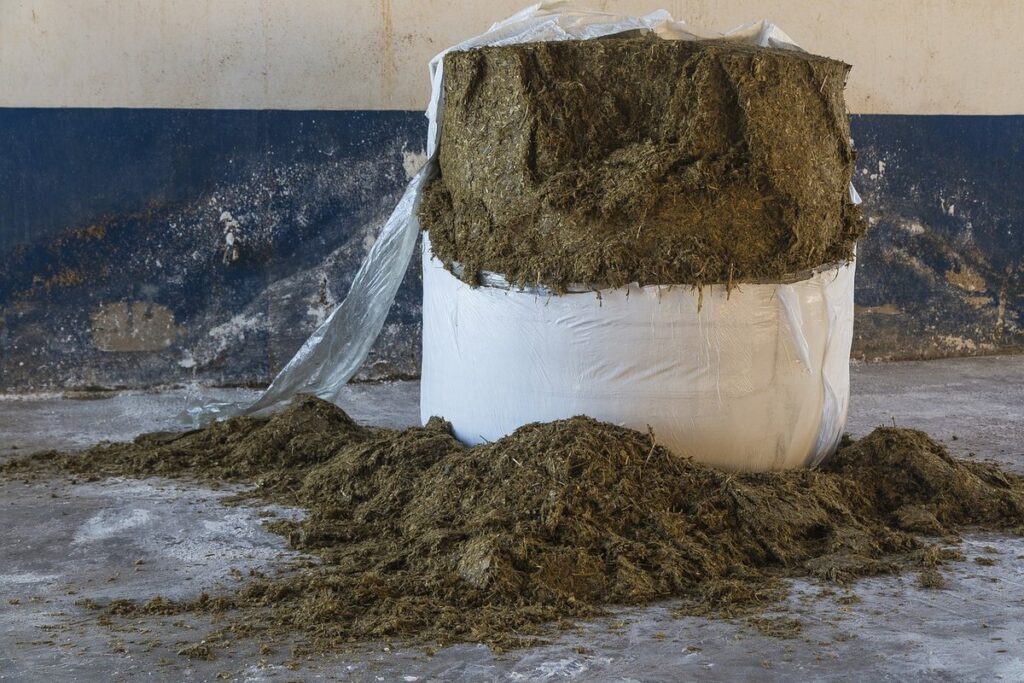
Hay, particularly alfalfa hay, provides essential nutrients and fiber for ruminant animals. It’s commonly used in beef cattle feed and can be supplemented with grains to meet energy requirements. Silage, a fermented feed made from plant material like corn or sorghum, offers a cost-effective alternative to grains while providing similar nutritional benefits.
Consider the specific needs of your cattle when selecting a feed type. For example, dairy breeds may require more energy-dense feeds than beef breeds. Grazing systems can benefit from hay and silage as these allow for more flexibility in terms of pasture management. In some cases, it’s possible to grow your own feed on-farm, which can be an attractive option for small-scale farmers or those with limited resources.
Water Quality and Management
Clean water is essential for maintaining cattle health and optimal production. Dehydration can lead to decreased milk production, weight loss, and reduced fertility in breeding stock. Cattle typically consume 25-40 gallons of water per day, depending on the climate and breed. A reliable water supply must be maintained at all times to prevent dehydration and associated problems.
Water quality is also critical. Bacteria like E. coli and Salmonella can contaminate water sources, causing illness in cattle. Regular testing for bacterial and chemical contaminants should be performed to ensure safe drinking water. This typically involves collecting a water sample from the source and sending it to a laboratory for analysis.
To maintain a reliable water supply, consider the following strategies: implement a backup system in case of drought or equipment failure; provide multiple watering sources to reduce competition among animals; use floating feeders to minimize contamination; and regularly inspect and clean water troughs.
Health and Veterinary Care
Maintaining a healthy herd is crucial for successful cattle farming, so let’s discuss the importance of regular vaccinations and parasite control. Proper veterinary care also plays a significant role in reducing disease outbreaks.
Common Cattle Diseases and Parasites
BVDV (Bovine Viral Diarrhea Virus) is a highly contagious and widespread disease affecting cattle worldwide. It’s often difficult to diagnose due to its non-specific symptoms, which can range from mild diarrhea to severe weight loss and reproductive issues. Prevention measures include isolating new additions to the herd for at least 2-3 weeks before introducing them to the main group, as well as implementing strict biosecurity protocols.
Johne’s disease is another significant concern, caused by Mycobacterium avium subspecies paratuberculosis (MAP). It primarily affects dairy cattle, leading to chronic diarrhea and weight loss. Prevention strategies involve testing for MAP antibodies in new animals and culling any infected individuals before they can spread the disease within the herd.
Other notable parasites include internal worms like Ostertagia ostertagi and Haemonchus placei, as well as external pests such as ticks and flies. Effective management includes regular deworming programs, using a combination of anthelmintics to target different types of parasites. It’s also essential to maintain clean living conditions and ensure proper manure disposal to reduce the risk of parasite infestation.
Vaccination Programs and Schedules
Vaccination programs are a critical component of cattle health management. The goal is to protect against key diseases and prevent outbreaks, which can have significant financial and welfare impacts on your herd.
Core vaccinations for cattle typically include protection against respiratory pathogens such as bovine viral diarrhea (BVD) virus, infectious bovine rhinotracheitis (IBR), and parainfluenza-3. These vaccines are usually administered at weaning or shortly after, followed by booster shots at 6 to 12 months of age.
In addition to core vaccinations, you should also consider vaccinating against other diseases prevalent in your region, such as brucellosis, leptospirosis, and bovine viral diarrhea (BVD) virus. Consult with a veterinarian to determine the most suitable vaccination schedule for your herd based on factors like climate, geography, and disease pressure.
For example, some regions may require annual vaccinations against diseases like anaplasmosis or babesiosis due to their specific parasite burdens. A well-planned vaccination program can help reduce morbidity and mortality rates, minimize losses from disease-related culling, and maintain herd productivity.
Biosecurity Measures for Disease Prevention
Maintaining a healthy herd through proper biosecurity practices is crucial for preventing disease outbreaks and ensuring the overall well-being of cattle. This involves implementing strategies to minimize the risk of disease introduction, transmission, and spread within the farm.
A key aspect of biosecurity is controlling access to the farm. Designate specific entry points for people, vehicles, and equipment, and ensure that all visitors follow a strict decontamination protocol before entering areas where animals are housed. Regularly inspect fencing and gates for any signs of damage or weakness, and consider installing motion-sensitive lighting to deter intruders.
Another important aspect is managing manure and waste effectively. Implement a proper cleaning schedule for animal enclosures and remove soiled bedding promptly. Store manure in sealed containers or designated areas, keeping them at least 100 feet away from water sources and living quarters. Regularly disinfect equipment and tools used for handling animals or their waste.
In addition to physical measures, develop a vaccination program that aligns with local disease risks and consult with a veterinarian to create an annual health plan. Monitor animal behavior and report any signs of illness promptly to your veterinarian.
Breeding and Reproduction Management
Effective breeding and reproduction management is critical for a thriving cattle farm, so let’s discuss how to optimize your herd’s fertility and genetic potential.
Selecting Suitable Bulls and Mating Strategies
When selecting suitable bulls for breeding purposes, cattle farmers must prioritize factors such as fertility, growth rate, and carcass quality. A bull’s fertility can be evaluated through semen analysis, and its genetic potential can be assessed using tools like EPDs (expected progeny differences). Farmers should also consider the breed standard and production goals when making their selection.
Mating systems can either involve artificial insemination (AI) or natural service. AI allows for more precise control over breeding schedules and reduces the risk of disease transmission, but it requires significant investment in equipment and expertise. Natural service, on the other hand, is often less expensive and can be a good option for smaller farms.
In terms of mating strategies, farmers should consider the reproductive potential of their herd and implement breeding goals that align with this potential. This may involve selecting bulls that are suitable for specific production systems or using techniques like embryo transfer to maximize genetic gain. The choice between AI and natural service ultimately depends on the individual farm’s resources and needs.
Cattle Breeding Programs and Genetic Selection
Breed association programs play a crucial role in cattle improvement by standardizing breeding practices and promoting desirable traits. These programs establish breed standards, which are used to evaluate the quality of cattle. The American Angus Association and the Simmental Breeders Association are two prominent examples of breed associations that have developed rigorous selection processes.
Genetic principles guide these programs by identifying and selecting individuals with superior genetics. The concept of “predicted breeding value” (PBV) is used to estimate an animal’s potential for passing on desirable traits to its offspring. This information helps breeders make informed decisions when selecting bulls or heifers for their herd.
In practice, this means that breed associations collect data from various sources, including pedigree records and performance testing results. They then analyze this data using advanced statistical models to identify genetic trends and predict future breeding values. By applying these principles, breed association programs can accelerate the process of improving cattle quality, leading to increased productivity and profitability for farmers.
Pregnancy Diagnosis and Reproductive Management
Cattle farmers rely on accurate and timely pregnancy diagnosis to make informed decisions about breeding programs. One common method is rectal palpation, where a trained veterinarian or experienced stockperson manually feels the uterus for fetal development. This technique requires significant expertise and can be time-consuming but remains an effective option.
Another approach is ultrasonography, which uses sound waves to visualize the fetus and estimate gestational age. This non-invasive method is often used in conjunction with rectal palpation to confirm results. Farmers should consider factors like equipment cost, training requirements, and scanning frequency when choosing between these options.
A third consideration is reproductive management strategies. Culling cows that fail to breed or exhibit poor reproductive performance can help maintain herd quality and reduce overall costs. Implementing a breeding program based on genetic selection criteria can also optimize reproductive success. This involves selecting bulls with desirable traits and matching them to suitable females, taking into account factors like breed, age, and previous reproductive history.
In addition to these methods, farmers should keep accurate records of breeding activities and pregnancy diagnoses to inform future decisions and evaluate the effectiveness of their programs.
Marketing and Selling Cattle
Once you’ve raised and cared for your cattle, it’s time to think about selling them to make a profit. In this crucial stage, you’ll need to master marketing strategies to attract buyers.
Understanding Market Trends and Demand
To make informed marketing decisions, you need to understand market trends and demand. This involves analyzing fluctuations in cattle prices, consumer preferences for different breeds and cuts of meat, and seasonal changes in demand. Start by monitoring industry reports and news outlets that cover the cattle market. Websites like the US Department of Agriculture’s National Agricultural Statistics Service (NASS) provide valuable data on cattle prices, production, and trade.
You should also stay up-to-date with consumer trends through social media and online forums where people discuss their preferences for grass-fed, organic, or specialty meats. Consider factors like regional demand, seasonal fluctuations, and cultural influences on meat consumption. For example, beef sales often peak during holidays like Thanksgiving in the US, while lamb sales tend to be higher around Easter.
When it comes to pricing strategies, understanding market trends can help you set competitive prices for your cattle. Be aware of benchmark prices for different breeds and types of cattle to ensure you’re getting a fair price for your animals. This involves tracking auction prices, private treaty sales, and other market data to make informed decisions about when to sell and at what price.
Pricing Strategies and Negotiation Tips
When setting prices for cattle, consider the breed, age, sex, and quality of the animals. Research current market trends to determine a fair price range. Typically, cattle are priced based on their live weight or carcass weight, depending on the buyer’s requirements. For example, beef producers may pay more per kilogram for heavier, mature cows, while dairy farmers might prioritize younger, more productive stock.
Effective negotiation requires building relationships with buyers and understanding their needs. Be prepared to provide detailed information about the cattle’s health, breeding history, and feeding practices to establish credibility. When negotiating prices, focus on the value you’re offering rather than making concessions based on the buyer’s initial offer. Consider using a tiered pricing system, where different price ranges apply depending on the quantity of cattle purchased.
Aim for transparency in sales transactions by keeping accurate records of breed, age, weight, and any relevant health or genetic information. This documentation can help prevent disputes and ensure fair compensation for your livestock.
Documentation and Record-Keeping for Sales
Accurate records and documentation are crucial in cattle sales, as they provide transparency and assurance for both buyers and sellers. This includes obtaining health certificates, which verify that animals have undergone necessary vaccinations and testing to prevent the spread of diseases. Health certificates typically require a veterinarian’s inspection and stamp of approval, making them an essential document in cattle transactions.
In addition to health certificates, pedigree papers are also vital in cattle sales. These documents detail an animal’s ancestry, breeding history, and genetic makeup, which can impact its value and suitability for specific markets. Sellers should ensure that pedigree papers are up-to-date and accurately reflect the animal’s lineage. Buyers, on the other hand, should carefully review these documents to understand the animal’s potential and make informed purchasing decisions.
To facilitate smooth cattle sales, it’s essential to maintain detailed records of transactions, including sale dates, prices, and buyer information. This documentation helps track the movement of animals throughout their lifespan and ensures compliance with regulations. By prioritizing accurate record-keeping and documentation, cattle farmers can build trust with buyers, protect their business interests, and ensure a successful sales process.
Conclusion: Future of Cattle Farming
As we conclude our comprehensive guide to cattle farming, let’s look ahead to the future of this industry and explore how technology and innovation will shape its trajectory.
Emerging Trends and Technologies
Precision farming is becoming increasingly prevalent in cattle farming, allowing for more efficient use of resources and better monitoring of animal health. This involves using data from sensors and drones to track factors like temperature, humidity, and soil moisture, enabling farmers to make informed decisions about feed and care. Genomic selection is also gaining traction, where genetic information is used to identify the most suitable breeding stock, leading to improved fertility rates and faster growth.
This shift towards precision farming and genomic selection can significantly impact the industry, with potential benefits including reduced costs and increased productivity. However, it requires significant investment in technology and training for farmers. Implementing these innovative practices can be complex, but some key considerations include:
- Evaluating existing infrastructure to ensure compatibility with new technologies
- Investing in data analysis software and equipment
- Developing strategies for integrating genomic selection into breeding programs
- Ensuring adequate staff training to effectively utilize new tools and techniques
As the industry continues to evolve, it’s essential for farmers to stay informed about emerging trends and adapt their operations accordingly. By embracing innovation and leveraging cutting-edge technology, they can remain competitive in a rapidly changing market.
Challenges Facing Cattle Farmers Today
Cattle farmers today face a multitude of challenges that threaten their livelihoods and the sustainability of their operations. Climate change is one such concern, with rising temperatures and changing precipitation patterns affecting grazing quality, water availability, and disease prevalence. For instance, heat stress can significantly impact cattle health and productivity, particularly in regions experiencing prolonged droughts.
Disease outbreaks are another pressing issue, often caused by factors like poor biosecurity measures, inadequate vaccination programs, or the spread of disease-prone animals. A notable example is the 2019-2020 outbreak of bovine respiratory syncytial virus (BRSV) in several countries, which highlights the importance of robust veterinary care and biosecurity protocols.
Market fluctuations also pose significant challenges to cattle farmers, as they struggle to maintain profitability amidst price volatility and changing consumer preferences. A key strategy for resilience is diversifying income streams through value-added products like beef jerky or dairy-based cosmetics. To mitigate these risks, farmers must remain adaptable, invest in climate-resilient infrastructure, and prioritize disease prevention and control measures.
Frequently Asked Questions
What if I’m new to cattle farming and don’t have any experience with large-scale animal husbandry?
You can start by taking courses or attending workshops on cattle farming basics, such as animal nutrition, health management, and breeding practices. Many colleges and universities offer agricultural programs that cover these topics. Additionally, consider starting small by investing in a few head of cattle and gradually expanding your operation as you gain experience.
Can I still make a profit from cattle farming if I have limited land or resources?
Yes, many successful cattle farmers operate on smaller plots of land or with limited resources. Focus on efficient breeding programs, cost-effective feed options, and effective marketing strategies to maximize profits. Consider specializing in niche markets, such as organic or grass-fed beef, which can command higher prices.
How do I know if my water supply is suitable for cattle consumption?
Check the pH level, bacterial contamination, and mineral content of your water source. You may need to install a filtration system or add supplements to improve water quality. Regularly test your water to ensure it meets the nutritional needs of your cattle.
What’s the best way to handle disease outbreaks on my farm without causing financial ruin?
Develop a comprehensive biosecurity plan that includes regular vaccinations, isolation protocols for new animals, and sanitation procedures. Keep accurate records of animal health and vaccination history to quickly identify potential issues. Consider consulting with a veterinarian or experienced farmer to develop a contingency plan for disease outbreaks.
Can I raise cattle on my small farm without having to deal with complicated breeding programs?
Yes, many breeders offer embryo transfer services that can help you obtain high-quality genetics without the need for extensive breeding expertise. You can also consider purchasing weaned calves from reputable breeders rather than starting with embryos or heifers.