As a producer, you know that optimizing nutrition and production efficiency is crucial for dairy and beef livestock. But have you considered the role of corn silage in your operation? Not only is it a cost-effective alternative to traditional hay sources, but when used as part of a well-formulated diet, corn silage can also provide essential nutrients and improve overall animal health. However, incorporating corn silage into your feeding program can be challenging due to its high moisture content and potential for spoilage. In this article, we’ll explore the benefits and challenges of using corn silage as a key component in dairy and beef livestock diets, examining how it can optimize nutrition and production efficiency while minimizing risks. By the end of this article, you’ll understand how to effectively utilize corn silage in your operation and make informed decisions about its use in your feeding program.

Understanding Corn Silage Basics
Corn silage is a vital component of many livestock diets, providing essential nutrients that support growth and health. Let’s start by understanding its basic composition and how it benefits your animals.
What is Corn Silage?
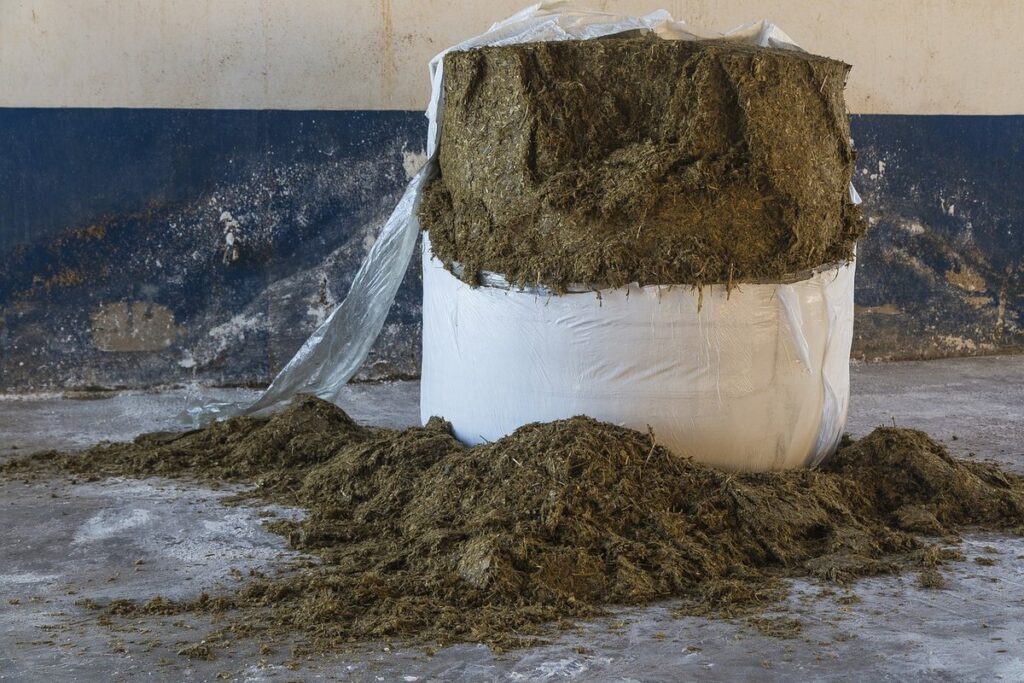
Corn silage is a fermented product made from corn plants. It’s created when whole corn plants are harvested and then fermented to break down their cell walls. This process increases the plant’s nutrient availability for livestock consumption.
The fermentation process involves microorganisms like lactic acid bacteria, which convert the corn’s sugars into lactic acid. This creates an acidic environment that inhibits the growth of pathogens, preserving the silage’s nutritional value and safety for feeding animals.
Typically, corn silage is harvested as whole-plant silage, meaning it includes all parts of the plant: leaves, stalks, and ears. The fermentation process allows the silage to be stored without refrigeration, making it a convenient feed option for farmers and ranchers.
When selecting corn varieties for silage production, choose hybrids with high moisture content, as they tend to ferment better. Regular monitoring of temperature and pH levels during fermentation is also crucial to ensure optimal results. Proper fermentation helps maintain the quality and nutritional value of the silage, which ultimately benefits livestock health.
Benefits of Using Corn Silage
Corn silage is a rich source of fiber, providing up to 30% of a cow’s daily dietary needs. This high fiber content helps maintain digestive health and prevents digestive disorders such as laminitis. The nutrients present in corn silage also contribute significantly to overall nutrition. For instance, phosphorus, calcium, and potassium are essential for bone development and muscle function.
In particular, the high energy content of corn silage makes it an ideal feed supplement during times of rapid growth or reproduction. Cows require more energy to support these processes, and corn silage helps meet this increased demand without overloading their digestive system. Additionally, corn silage can be a cost-effective alternative to traditional concentrates like grains.
It’s essential to note that the nutrient profile of corn silage can vary depending on factors such as moisture content, harvest time, and storage conditions. However, when managed properly, corn silage offers numerous benefits for livestock nutrition, making it an invaluable component of any feed program.
Nutritional Profile of Corn Silage
Corn silage is a nutrient-rich feed source that offers a high concentration of energy, fiber, and essential vitamins and minerals for optimal livestock nutrition. Let’s take a closer look at its nutritional profile to understand its value as a feed supplement.
Macronutrient Composition
Corn silage’s macronutrient composition plays a crucial role in its value as a livestock feed. The dry matter content typically ranges from 30 to 40%, with variations depending on factors such as moisture levels, storage conditions, and production methods.
The protein content in corn silage can vary between 6 and 12% of the total dry matter, making it an essential component for meeting animal nutritional needs. However, its relatively low protein concentration often necessitates supplementation to meet requirements, particularly for certain species or life stages. For instance, young animals or those in high-production phases may require additional protein sources.
Carbohydrates are present in significant amounts, typically accounting for 40-60% of the dry matter. This carbohydrate profile is primarily composed of soluble and insoluble fiber, contributing to corn silage’s energy content. The fat content usually ranges between 2 and 5%, which can be beneficial but may also contribute to issues such as fatty liver syndrome if not managed properly.
To maximize the nutritional value of corn silage, it’s essential to understand its macronutrient profile and adjust feeding strategies accordingly. This includes considering factors like species-specific needs, production phase, and individual animal requirements when incorporating corn silage into a livestock diet.
Microbial Fermentation Processes
Lactic acid production is a crucial outcome of microbial fermentation processes in corn silage. The process begins when lactic acid bacteria, such as Lactobacillus plantarum and Pediococcus pentosaceus, are introduced to the ensiled corn. These microbes thrive in the anaerobic environment created by packing the corn into airtight silos or bags. As they feed on the sugars present in the corn, they produce lactic acid as a byproduct.
This increase in acidity has several benefits for the nutritional profile of corn silage. The high concentration of lactic acid acts as a natural preservative, preventing the growth of pathogens and spoilage microorganisms that can degrade the quality of the feed. Additionally, the production of lactic acid increases the pH level of the silage, making it less hospitable to unwanted bacteria.
A desirable pH range for corn silage is between 4.0 and 5.5. This allows the beneficial microbes to thrive while minimizing the risk of nutrient degradation or spoilage. Achieving this optimal pH balance through proper microbial fermentation processes can significantly enhance the nutritional value of corn silage, making it a more reliable choice for livestock nutrition.
Importance of Corn Silage in Livestock Diets
Corn silage has become a staple component in many livestock diets, offering numerous benefits that contribute to overall health and productivity. It’s essential to understand these advantages for optimal feeding practices.
Dairy Cow Nutrition
Corn silage is a crucial component in dairy cow diets due to its high energy content and ability to support milk production. A diet rich in corn silage can lead to increased lactation yields, improved overall health, and enhanced reproductive performance. The energy-dense nature of corn silage allows it to be efficiently utilized by dairy cows, resulting in a significant increase in milk production.
To reap the benefits of corn silage, dairy farmers should aim to provide their cows with a diet that consists of at least 20-25% corn silage on a dry matter basis. This can help optimize energy intake and support peak milk production. When selecting corn silage for dairy cow nutrition, consider factors such as moisture content, pH level, and nutrient composition.
Some key nutrients found in high-quality corn silage include:
• Crude protein (10-12%)
• Neutral detergent fiber (30-35%)
• Acid detergent fiber (20-25%)
By incorporating these essential nutrients into their diet, dairy cows can maintain optimal health and productivity.
Beef Cattle Feed
During the finishing phase, beef cattle require a diet rich in energy and nutrients to promote rapid growth and weight gain. Corn silage fills this need by providing a concentrated source of fermentable fiber and easily digestible starches. When incorporated into the feeding program at an optimal inclusion rate (typically between 10-20% of the total ration), corn silage can increase dry matter intake and improve overall feed efficiency.
The energy-rich compounds in corn silage, particularly starches and simple sugars, are quickly metabolized by the animal’s rumen microorganisms. This rapid fermentation process allows the nutrients to be absorbed more efficiently, supporting muscle growth and development. Beef cattle producers who supplement their finishing diets with high-quality corn silage often report improved marbling scores and increased carcass yields.
In practical terms, this means that beef cattle producers can optimize their production strategies by adjusting the quantity of corn silage included in the feed ration based on individual animal needs and production goals. By doing so, they can minimize waste and maximize returns while maintaining a nutritious and well-balanced diet for their livestock.
Factors Affecting Corn Silage Quality
The quality of corn silage can be influenced by several factors, including moisture levels and storage conditions. Understanding these variables is crucial for dairy farmers to optimize their silage’s nutritional value.
Harvesting and Handling Techniques
To preserve moisture levels and support microbial fermentation processes, it’s crucial to harvest corn silage at the right time. This typically occurs when the corn is mature but still moist, usually between 30% to 40% dry matter content. Over-maturity can lead to reduced quality and increased risk of spoilage.
When cutting the crop, chop lengths should be around 1-2 inches to minimize moisture loss and optimize fermentation. It’s also essential to handle the chopped material gently to avoid bruising or compacting the forage, which can hinder airflow and promote anaerobic conditions that lead to off-flavors and reduced quality.
In storage, it’s vital to maintain adequate aeration by ensuring sufficient headspace in silos or bags. This can be achieved through regular monitoring of temperature and moisture levels, as well as implementing strategies such as periodic turning or pumping of the forage to redistribute heat and prevent hotspots.
Silo Design and Maintenance
Proper silo design and maintenance are crucial to storing corn silage safely and efficiently. A well-designed silo should have a large enough capacity to hold the harvested corn without overflowing, which can lead to spoilage and contamination. The silo’s shape and size also affect airflow, with narrow silos promoting better air circulation than wide ones.
To minimize spoilage, silos should be designed with adequate ventilation systems, including windows or vents that allow for air exchange. Regular cleaning of the silo is also essential to prevent mold growth and maintain feed quality. A small minority of farmers use aeration systems to circulate air within the silo, which can help reduce moisture content and minimize spoilage risks.
When it comes to maintenance, farmers should monitor silo temperature and moisture levels regularly. Typically, most corn silages are stored between 32°F and 40°F (0°C and 4°C) to slow down microbial fermentation processes. Farmers should also inspect the silo for signs of leakage or damage, which can compromise feed quality and safety. Regular inspections and maintenance tasks help extend the lifespan of the silo and ensure it remains a reliable storage solution for corn silage.
Corn Silage vs. Other Feed Sources
When comparing corn silage to other feed sources, it’s essential to consider their nutritional profiles and overall value as a cost-effective ingredient in livestock diets.
Comparison with Other Energy Sources
Compared to hay and grains, corn silage stands out for its high energy density and digestibility. A typical 1-ton load of corn silage contains around 50-60 megacalories of energy per pound, which is significantly higher than the 20-30 megacalories found in timothy hay. This increased energy content translates into cost savings, as less feed is required to meet a given animal’s nutritional needs.
In terms of nutritional value, corn silage is also comparable to other high-quality silages like alfalfa and soybean silage. However, it tends to be more affordable than these alternatives. Furthermore, corn silage can be customized by adjusting factors such as moisture content, particle size, and fermentation parameters to suit specific animal requirements.
Some producers may argue that grains like barley or oats offer better nutrient profiles for certain livestock populations. While this is true in some cases, the overall cost-effectiveness of corn silage often outweighs the added benefits of these alternative energy sources. When selecting a feed source, consider not just its nutritional content but also its impact on your operation’s bottom line.
Potential for Customization
One key advantage of corn silage is its potential for customization. By adjusting moisture levels, producers can tailor the feed to meet specific animal needs. For example, adding more water can make the silage more palatable for young or lactating animals that require higher energy intake. Conversely, reducing moisture content can help maintain the silage’s integrity and prevent mold growth.
Producers can also adjust nutrient content by manipulating factors like chopping length, fermentation time, or using different corn varieties. For instance, adding a nitrogen-rich supplement to the silage can enhance protein levels for animals requiring more nitrogen in their diet.
In some cases, producers may choose to blend corn silage with other feed sources, such as hay or grains, to create a customized mix that meets specific animal requirements. This approach allows them to capitalize on the strengths of each component while minimizing potential drawbacks. By leveraging these customization options, livestock producers can optimize the nutritional value and efficiency of their operations.
Challenges and Limitations of Corn Silage Use
While corn silage offers numerous benefits for livestock nutrition, it’s essential to acknowledge the challenges farmers may face when incorporating it into their feeding strategies. Issues such as storage and transportation can be significant hurdles to overcome.
Moisture Content Considerations
Managing moisture levels is crucial to maintaining the quality and nutritional value of corn silage. Excessive moisture can lead to mold growth, which not only affects the feed’s palatability but also reduces its digestibility. This, in turn, can impact the overall health and productivity of your livestock.
When corn silage contains too much moisture, it becomes an ideal breeding ground for pathogens like Aspergillus and Fusarium. These fungi produce mycotoxins that can cause a range of issues, from mild gastrointestinal upset to more severe conditions like liver damage and immunosuppression. To prevent mold growth, most experts recommend maintaining a moisture level below 35%. This is achievable through proper harvesting techniques, such as using a corn chopper with a built-in drying system or adding ingredients that help absorb excess moisture.
Monitoring the silo’s temperature and humidity levels can also help identify potential issues early on. Ideally, the temperature should remain between 50°F to 60°F (10°C to 15°C), while the relative humidity shouldn’t exceed 80%. By maintaining a controlled environment within the silo, you can minimize the risk of mold growth and ensure your corn silage remains safe for consumption. Regular sampling and testing can also help identify any issues before they become major problems.
Potential for Nutrient Imbalances
Over-reliance on corn silage can lead to nutrient imbalances if not properly balanced with other feed sources. This is particularly true when relying heavily on high-moisture corn silage, which tends to be low in certain nutrients like phosphorus and sulfur.
When corn silage dominates the diet, it’s common for cows to consume excessive amounts of carbohydrates while lacking sufficient protein, fiber, and micronutrients. This can result in a range of problems, from decreased milk production and reproductive issues to impaired immune function.
To avoid these imbalances, it’s essential to carefully formulate rations that balance corn silage with other feed sources. Consider adding supplements like phosphorus-rich limestone or sulfur-rich gypsum to address potential deficiencies. Monitor your herd’s nutritional profile closely, and adjust feeding strategies as needed to maintain optimal nutrient levels.
A simple rule of thumb is to limit corn silage to no more than 50-60% of the total diet, with other feed sources making up the remainder. This allows for flexibility in adjusting nutrient intake based on changing needs and availability.
Frequently Asked Questions
Can I use corn silage for all types of livestock?
Yes, while corn silage is particularly beneficial for dairy and beef operations, its nutritional value makes it suitable for other livestock as well. However, its high energy content may require careful management to avoid overfeeding smaller animals like pigs or poultry.
How do I ensure consistent quality in my corn silage production?
Maintaining consistent moisture levels, proper fermentation processes, and efficient storage conditions are crucial for ensuring the quality of your corn silage. Regularly monitor temperature, pH, and moisture levels during production and storage to minimize spoilage risks.
Can I mix corn silage with other feed sources without compromising its benefits?
Yes, one of the advantages of corn silage is its adaptability. Mixing it with hay, grains, or other silages can create a well-balanced diet for your livestock, but ensure you’re not diluting its nutritional value by overusing cheaper alternatives.
What are some common mistakes to avoid when using corn silage?
Be cautious of over-reliance on corn silage, which can lead to nutrient imbalances. Also, improper handling and storage techniques can result in mold growth or spoilage, making it essential to follow proper protocols for harvesting, ensiling, and feeding.
Can I produce high-quality corn silage without specialized equipment?
While specialized equipment can enhance efficiency, you can still produce quality corn silage with basic tools and careful management. However, investing in a silo designed for fermentation will significantly improve the consistency and safety of your product.