
Broiler poultry production is one of the most common types of animal agriculture, with millions of birds raised every year for meat. But have you ever stopped to think about how they’re raised? From conventional factory farms to organic free-range systems, there’s a wide range of methods used to produce broiler chickens. While these methods may seem interchangeable, they can have significantly different impacts on the environment and animal welfare. In this article, we’ll take a closer look at the various approaches to broiler poultry production, exploring both conventional and organic methods. We’ll also delve into sustainable practices that can reduce environmental impact while improving conditions for the birds. By the end of this article, you’ll have a better understanding of what goes into raising broiler chickens and be able to identify more environmentally friendly options when making choices about your food.
Understanding Broiler Poultry Basics
To get started with broiler poultry production, it’s essential to understand the basics of raising healthy birds that thrive on farms and in processing facilities. You’ll learn about their needs, habits, and characteristics here.
Definition and Overview of Broiler Poultry
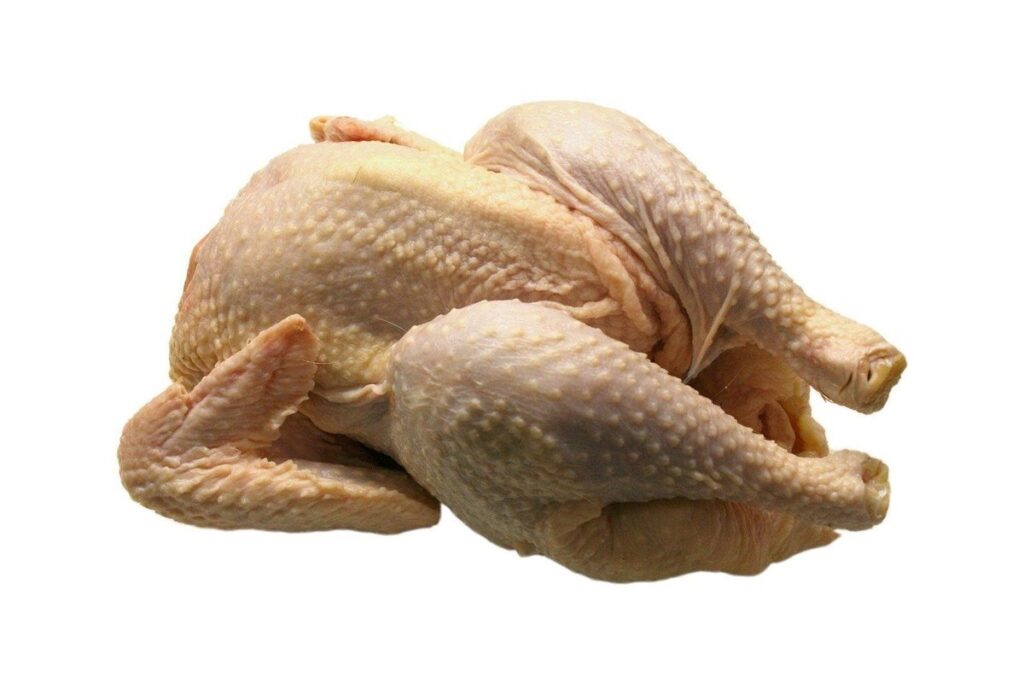
Broilers are a type of domesticated poultry raised specifically for meat production. They play a vital role in the global meat industry, with chicken being the most widely consumed broiler species worldwide. In addition to chickens, other popular broiler species include turkeys, ducks, and geese. Broilers are bred for their rapid growth rate, large muscle mass, and efficient feed conversion ratio, which enables them to be produced at a lower cost.
The importance of broilers lies in their ability to meet the growing demand for affordable meat protein. According to the Food and Agriculture Organization (FAO), poultry accounts for over 30% of global meat consumption. Broilers are also more environmentally friendly compared to other livestock species, as they require less land and water to produce a unit of meat.
There are different types of broilers, including conventional, organic, and free-range birds. Conventional broilers are raised in large-scale industrial farms, while organic and free-range broilers are produced on smaller farms with more stringent welfare standards. Understanding the characteristics and production methods of these different types is essential for making informed decisions about the meat we consume.
History and Evolution of Broiler Poultry
Broiler poultry production has undergone significant changes since its inception in the early 20th century. Prior to World War I, chicken meat was primarily sourced from slow-growing breeds raised on small farms for local consumption. However, with the advent of mechanization and advancements in breeding technology during the 1920s and 1930s, large-scale commercial broiler production emerged.
The development of modern broiler breeds such as the Cornish Cross and the Ross 308 marked a turning point in the industry. These breeds were bred for rapid growth rates, increased feed efficiency, and improved carcass quality. By the 1950s, broiler production had shifted from small-scale, backyard operations to large industrial farms.
The post-war period saw significant technological advancements, including improvements in feed formulation, ventilation systems, and processing equipment. The introduction of antibiotics and vaccines further boosted productivity and reduced mortality rates. Changes in consumer demand also played a crucial role, with growing interest in convenience foods and ready-to-cook products driving the demand for faster-growing broiler breeds.
Broiler Poultry Production Methods
Broiler poultry production involves various methods aimed at optimizing efficiency, including intensive and free-range systems. We’ll explore these different approaches in detail below.
Conventional vs. Organic/Free-Range Broiler Production
Conventional broiler production methods involve raising birds in large-scale industrial facilities with strict controls over feed, housing, and animal welfare. Feed is typically a standardized mixture of grains and soybeans, formulated to optimize growth rates while minimizing costs. Housing often consists of battery cages or floor pens with limited space for movement.
In contrast, organic and free-range broiler production prioritize animal welfare and environmental sustainability. Organic farms provide birds with access to the outdoors, where they can forage for insects, seeds, and other natural food sources. Free-range systems offer more generous space allocations, but may not guarantee outdoor access. Both methods require a diverse range of feedstuffs, including fruits, vegetables, and whole grains.
Organic and free-range production often face higher costs due to the need for specialized housing and feeding infrastructure. However, many consumers are willing to pay premium prices for products that align with their values on animal welfare and environmental stewardship. As consumer demand grows, more farmers may consider transitioning to organic or free-range methods, which can also offer benefits in terms of reduced disease pressure and improved product quality.
Scaling Up: Large-Scale Commercial Broiler Farms
Large-scale commercial broiler farms have become a staple of modern poultry production. These operations prioritize efficiency and cost-effectiveness, enabling them to supply large quantities of chicken to supermarkets and restaurants worldwide. One advantage of large-scale farming is its ability to reduce labor costs through automation and mechanization. For instance, some farms use computerized feeding systems that can monitor the nutritional needs of thousands of birds at once.
However, this approach also has its challenges. Disease management becomes increasingly complex in such settings, with a greater risk of disease outbreaks due to high bird density and increased stress levels. Worker safety is another concern, as workers may be exposed to hazardous conditions, including antimicrobial resistance risks and biosecurity breaches.
Furthermore, large-scale farms often rely on centralized systems for managing waste, water, and feed, which can create environmental hazards if not properly managed. For example, improper disposal of manure can lead to nutrient pollution in nearby waterways. To mitigate these risks, farmers must invest in robust disease management strategies, worker training programs, and environmental monitoring protocols. By understanding the trade-offs involved with large-scale commercial broiler farming, producers can make more informed decisions about their operations.
Nutrition and Feed for Broilers
When it comes to rearing broiler poultry, providing the right nutrition is crucial for optimal growth and health. This section will explore the essential components of a balanced feed for broilers.
Understanding the Nutritional Requirements of Broilers
Broilers have distinct nutritional requirements at different growth stages. The protein content of their feed should increase from 18-20% during starter phase to 22-24% in grower phase and remain high up until market weight. Energy needs also change, with broilers requiring more calories as they mature. Vitamins and minerals are crucial for optimal health; however, excessive amounts can be detrimental.
Key micronutrients include vitamin E, which supports immune function, and calcium for strong bone development. Phosphorus is essential for growth and maintenance of bones and teeth, while potassium plays a critical role in maintaining proper fluid balance within the body. A balanced diet should provide adequate levels of these nutrients without over-supplementation, which can lead to health issues.
At different stages of growth, broilers have varying needs for specific nutrients. The protein requirement is higher during the grower phase compared to the starter phase. Similarly, energy requirements increase as they mature. It’s essential to tailor feed formulations according to the age and weight of the birds. This involves providing more calories in the later stages of growth while maintaining a balance of other essential nutrients.
Feeding Strategies: Conventional vs. Alternative Diets
Conventional broiler feed often relies on corn and soybeans as primary protein sources. These ingredients are generally inexpensive and widely available but have been linked to environmental degradation and resource depletion. Alternative diets, such as organic or locally sourced feeds, may incorporate more diverse ingredients like wheat, oats, or barley.
Organic feed, for example, tends to exclude genetically modified organisms (GMOs) and synthetic pesticides, reducing the risk of pesticide residues in meat products. However, this type of feed can be more expensive due to stricter production standards and higher labor costs. Locally sourced feed may offer benefits like reduced transportation emissions but could also limit the producer’s access to a broader range of nutrients.
Some producers are exploring plant-based diets for broilers, which typically consist of grains, legumes, or other non-animal products. These alternatives can be beneficial in reducing antibiotic use and environmental impact. Yet, they may require more precise nutritional balancing to ensure optimal bird health and growth rates. Considerations like these underscore the importance of a well-designed feeding strategy tailored to specific production goals and circumstances.
Health and Disease Management in Broiler Flocks
Effective disease management is crucial for maintaining healthy broiler flocks, which is why we’ll be exploring common health issues and practical prevention strategies next. We’ll cover everything from vaccination protocols to biosecurity measures.
Common Health Issues in Broilers
Avian influenza is a significant concern for broiler farmers worldwide. This highly contagious disease can spread rapidly through a flock, causing severe mortality and economic losses. Regular monitoring of flocks for signs of illness, such as lethargy, loss of appetite, or respiratory distress, is crucial to early detection.
Coccidiosis is another prevalent health issue in broilers, caused by Eimeria parasites that infect the intestines. This disease can lead to weight loss, dehydration, and even death if left untreated. Vaccination programs and improved hygiene practices are effective strategies for controlling coccidiosis outbreaks.
Salmonella infections are also a common problem in broiler flocks. These bacteria can cause severe gastrointestinal illness in humans who consume contaminated poultry products. Implementing strict biosecurity measures, such as proper cleaning and disinfection of facilities, can help prevent Salmonella outbreaks.
Vaccination and Biosecurity Measures
Effective vaccination strategies are crucial for maintaining healthy broiler flocks. Vaccination helps prevent outbreaks of diseases such as Newcastle disease and infectious bronchitis, which can be devastating to a flock. A veterinarian should oversee the development and implementation of a vaccination program tailored to the specific needs of the farm.
A common approach is to vaccinate chicks at day-old or shortly after arrival on the farm, followed by booster shots at 10-14 days and again at 21-28 days. This helps build immunity against key pathogens. Some farms also use oil-emulsion vaccines, which provide longer-lasting protection but may require more frequent administration.
Biosecurity measures are equally important in preventing disease outbreaks. These include restricting access to the farm, disinfecting equipment and footwear, and quarantining new arrivals. Additionally, maintaining good hygiene practices, such as regular cleaning of feeders and drinkers, can help reduce the risk of disease transmission.
Sustainability and Environmental Impact of Broiler Production
Broiler production has a significant environmental footprint, from feed cultivation to water usage and waste management. Let’s examine the sustainability concerns surrounding broiler farming and its impact on the environment.
Carbon Footprint and Greenhouse Gas Emissions
Broilers are a significant contributor to greenhouse gas emissions, primarily due to their reliance on resource-intensive production methods. The entire lifecycle of broiler chickens generates an estimated 10-15% of global greenhouse gas emissions, with the majority coming from feed production and transportation. This is largely attributed to the cultivation of soy and corn for feed, which requires large amounts of fertilizers, pesticides, and water.
Water usage in broiler production also raises concerns. It’s estimated that over 1,000 gallons of water are required to produce just one pound of chicken. A significant portion of this water is used for irrigation of feed crops, with the remainder allocated towards drinking water and washing facilities.
A notable example of the environmental impact is the massive scale of waste generated by commercial broiler farms. In the United States alone, poultry production generates over 20 billion pounds of waste annually. This has led to significant concerns regarding manure management, odor pollution, and nutrient runoff into nearby waterways.
Alternative Approaches: Regenerative Agriculture and Agroecology
Regenerative agriculture and agroecology offer a promising alternative approach to traditional broiler production methods. By prioritizing soil health, biodiversity, and ecosystem services, these approaches can mitigate the environmental impact of broiler farming while improving overall sustainability. Regenerative agriculture focuses on building soil organic matter through practices like no-till or reduced-till farming, cover cropping, and incorporating composted manure into the soil. This approach enhances soil’s water-holding capacity, reduces erosion, and promotes nutrient cycling.
Agroecology takes a more holistic view, considering the entire farm ecosystem as an interconnected system. It emphasizes biodiversity through crop rotation, polycultures, and integrating livestock grazing to mimic natural ecosystems. By doing so, agroecological systems can reduce synthetic fertilizer use, promote beneficial insects, and sequester carbon in soils. Key principles of regenerative agriculture and agroecology include minimizing external inputs, optimizing water usage, and fostering resilience through diverse farm ecosystems.
Examples of regenerative agriculture in broiler production are starting to emerge, with some farms implementing cover cropping and composting programs. Agroecological approaches have been successfully implemented in small-scale, integrated broiler-farming systems, where animals graze on cover crops or forage lands between crop rotations. These pioneering efforts demonstrate the potential for regenerative agriculture and agroecology to transform broiler production methods, promoting a more sustainable future for the industry.
Frequently Asked Questions
Can I transition my existing conventional farm to organic broiler production?
Yes, transitioning to organic broiler production requires careful planning and execution, including changes to feed, housing, and management practices. It’s essential to evaluate the financial and operational feasibility of this shift before making a decision.
What are some common mistakes to avoid when implementing regenerative agriculture principles in broiler production?
Some common mistakes include inadequate soil testing, insufficient planning for nutrient cycling, and failure to monitor biodiversity metrics. To avoid these errors, it’s crucial to conduct thorough research, consult with experts, and implement monitoring systems to track progress.
How do I determine the carbon footprint of my broiler farm, and what steps can I take to reduce it?
To calculate your broiler farm’s carbon footprint, consider factors such as feed production, transportation, energy usage, and waste management. Implementing measures like reducing feed waste, increasing energy efficiency, and exploring renewable energy sources can help minimize greenhouse gas emissions.
What are some effective ways to manage disease outbreaks in large-scale commercial broiler flocks?
Effective disease management involves a combination of vaccination strategies, biosecurity measures, and monitoring systems. This may include implementing all-in/all-out production cycles, improving ventilation systems, and conducting regular health checks on birds.
