Starting a thriving poultry farm requires careful planning and execution. You’ve probably heard of the rising demand for fresh eggs, chicken meat, and other poultry products, making this business venture both profitable and rewarding. However, many aspiring farmers struggle to get it right, often due to inadequate infrastructure, inconsistent nutrition, and poor health management practices. A well-planned poultry farm not only ensures a steady supply of nutritious produce but also contributes significantly to the local economy.
This guide will walk you through every step of starting and managing a thriving poultry farm, covering crucial aspects such as planning, infrastructure development, nutrition, health management, and effective marketing strategies. By the end of this article, you’ll be equipped with the knowledge necessary to establish a successful poultry operation that meets the growing demand for quality poultry products and contributes positively to your community’s food security and economic growth.
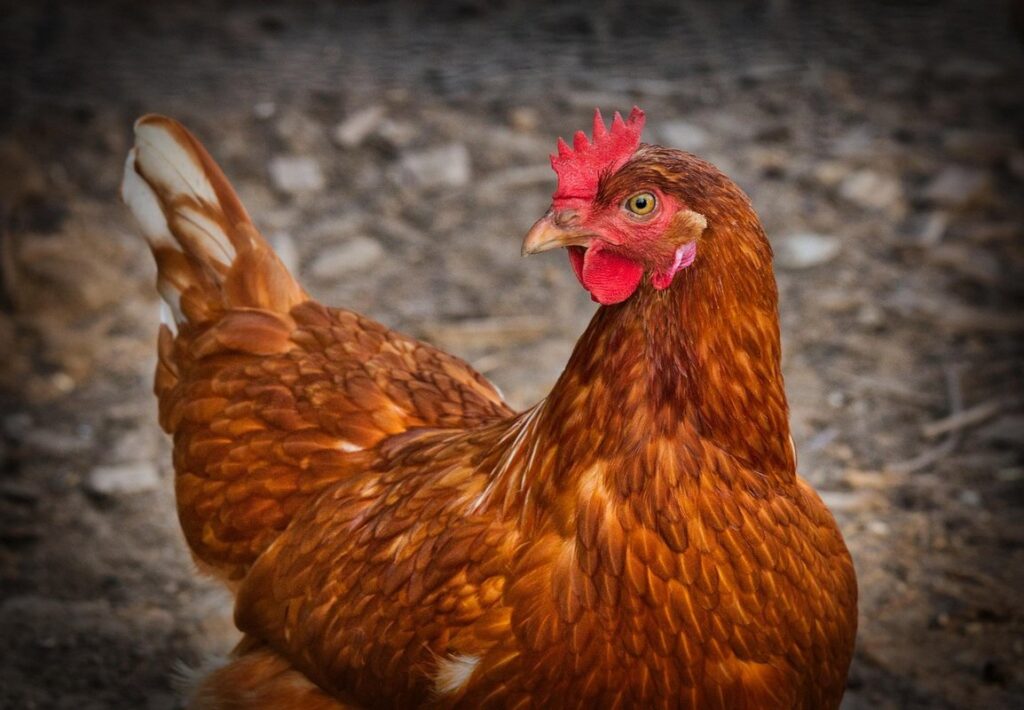
Understanding Poultry Farming Basics
To start a successful poultry farm, it’s essential to understand the basics of raising chickens and other birds for meat and eggs. We’ll cover the fundamental principles that will help you get started on the right track.
Types of Poultry Farms: Commercial vs. Small-Scale
Commercial poultry farms are large-scale operations that prioritize efficiency and high productivity. They often have thousands of birds under their care and focus on meeting the demands of a big market. One advantage of commercial farming is its ability to offer low prices due to economies of scale, making it attractive to consumers. However, this approach can lead to bird overcrowding and health issues if not managed properly.
On the other hand, small-scale poultry farms cater to a smaller audience and focus on quality over quantity. They often specialize in niche markets or products like free-range eggs or heritage breed meat. Small-scale farming allows for more flexible production schedules and better working conditions for farmers. It also enables them to develop closer relationships with their customers.
While commercial farms might have an initial lower cost, small-scale operations can be more profitable in the long run due to higher prices and less overhead costs. However, they require a deeper understanding of market trends and customer preferences. For those who want to start a poultry farm, it’s essential to consider which type aligns better with their goals, resources, and target audience.
Importance of Proper Planning in Poultry Farming
Proper planning is essential for the success of a poultry farm. It lays the foundation for efficient operations, reduces financial risks, and ensures optimal productivity. When starting a farm, several factors need consideration, including the size of the operation, breed selection, housing requirements, and equipment needs.
A well-planned farm takes into account the local climate, market demand, and competition. For instance, a farm located in an area with frequent heatwaves may require specific cooling measures to maintain bird health. Similarly, understanding market trends can help farmers choose breeds that are in high demand and profitable.
Other critical factors include budgeting for startup costs, determining feed requirements, and establishing a management plan. A comprehensive business plan should also be developed, outlining production targets, financial projections, and contingency plans for unexpected events such as disease outbreaks or equipment failures. By carefully planning these aspects, poultry farmers can ensure their farm’s success and make informed decisions to achieve long-term sustainability.
Selecting the Right Breed for Your Poultry Farm
When it comes to building a successful poultry farm, choosing the right breed is crucial. You’ll want to consider factors such as climate, feed costs, and market demand when making your selection.
Characteristics of Popular Poultry Breeds
Leghorns are known for their high egg-laying abilities, producing an average of 280-300 eggs per year. They have a slender build and can grow to about 5 pounds. In contrast, Rhode Island Reds are a popular choice for backyard farmers due to their friendly temperament and ability to produce large brown eggs. On average, they lay around 200-220 eggs per year and weigh between 7-9 pounds.
Plymouth Rock chickens are another popular breed, prized for their hardiness and adaptability. They have a medium build and can grow up to 6 pounds. While they don’t lay as many eggs as Leghorns or Rhode Island Reds, they still manage around 200 eggs per year.
It’s essential to consider these characteristics when choosing the right breed for your farm. For example, if you’re looking to maximize egg production, a Leghorn might be the better choice. However, if you prefer a more docile bird that can thrive in smaller spaces, Rhode Island Reds could be the way to go.
Factors to Consider When Choosing a Breed
When choosing a poultry breed for your farm, it’s essential to consider several key factors. Climate adaptability is crucial, as some breeds are better suited to extreme temperatures, humidity, or weather patterns. For example, heat-tolerant breeds like Leghorns and Orpingtons thrive in warm climates, while cold-hardy breeds like Wyandottes and Brahma excel in cooler environments.
Disease resistance is another critical consideration. Some breeds have a natural immunity to specific diseases, such as Marek’s disease or Newcastle disease. Research the breed’s history and genetic makeup to determine its susceptibility to common poultry diseases. You’ll also want to think about feed requirements, including the breed’s dietary needs, growth rates, and egg production.
In addition to these factors, consider the breed’s temperament, egg-laying capacity, and meat quality (if applicable). For instance, if you’re planning a small-scale farm, a docile breed like a Silkies or Polish might be a better fit. If you’re focused on egg production, a high-egg-laying breed like Leghorns or Rhode Island Reds may be more suitable. By carefully evaluating these factors, you’ll be able to select a breed that meets your specific needs and ensures the success of your poultry farm.
Setting Up Your Poultry Farm: Infrastructure and Equipment
First things first, you’ll need a solid foundation for your poultry farm to thrive. This includes designing and building necessary infrastructure like coops, runs, and feeding systems.
Housing Requirements for Healthy Birds
Proper housing is crucial for maintaining healthy birds on your poultry farm. Birds require adequate ventilation to breathe comfortably and prevent respiratory issues. Ensure that your coop has sufficient windows, vents, and airflow systems to maintain a consistent temperature between 40°F and 80°F (4°C and 27°C). Avoid overcrowding, as this can lead to stress and disease transmission.
Temperature control is also vital, especially in regions with extreme climates. Install heating or cooling systems, such as thermostatically controlled heaters or evaporative coolers, to maintain a stable temperature range. This will help prevent heat stress, chilling injuries, and other temperature-related issues.
Sanitation measures are equally important. Regularly clean the coop by removing soiled bedding, disinfecting surfaces, and replacing bedding materials. Provide easy access to a clean water source and ensure that feeders and waterers are placed in a way that minimizes contamination risk. Consider implementing a manure management system to prevent waste buildup and reduce odors. By prioritizing these housing requirements, you can create a safe and healthy environment for your birds to thrive.
Essential Equipment for a Poultry Farm
A well-designed feeding system is crucial for efficient poultry farming. This typically includes automated feeders that can be programmed to dispense the right amount of feed at set times, reducing waste and ensuring consistency. You’ll also need to consider water systems, such as nipple drinkers or bell-shaped drinkers, which provide clean drinking water for your birds.
For health monitoring, essential tools include thermometers to track temperature fluctuations, weighing scales to monitor growth rates, and egg counters to track laying performance. Regular monitoring of these metrics helps identify potential issues before they become major problems.
Some essential items to consider when setting up a poultry farm’s equipment include:
• A reliable feed storage system
• A means of measuring and tracking feed consumption
• An automatic watering system with backflow preventers
• Ventilation systems that can be adjusted according to weather conditions
Properly installed and maintained equipment ensures the health, safety, and productivity of your birds. It’s also important to select equipment from reputable suppliers and follow manufacturer guidelines for installation and maintenance.
Nutrition and Feeding Strategies for Optimal Performance
When it comes to raising healthy chickens, providing the right nutrition is crucial. A well-planned feeding strategy can make all the difference in their growth, productivity, and overall performance.
Understanding Feed Formulas and Nutrient Requirements
Proper nutrition is essential for optimal poultry performance. Understanding feed formulas and nutrient requirements is critical to ensure that birds receive the necessary nutrients at different stages of growth. A starter diet typically includes higher protein levels, around 20-22%, to support rapid growth and development during the first few weeks of life. As birds mature, their nutritional needs change; growers’ diets often contain slightly lower protein levels, around 18-20%.
Finishers, on the other hand, require even fewer nutrients due to slower growth rates. Layer hens also have specific dietary requirements that include higher calcium content for strong eggshell production. Feed manufacturers use various formulas and ingredients to meet these needs, but it’s crucial for farmers to understand what each feed is designed for and match it with their flock’s stage of life.
Farmers can work closely with their nutritionist or feed supplier to create customized rations based on the specific requirements of their birds. This may involve adding supplements or modifying existing formulas to meet unique needs.
Tips for Implementing Effective Ration Management
Monitoring intake is crucial for effective ration management. You need to regularly weigh the feeders to determine how much feed each bird is consuming per day. This data will allow you to adjust the rations accordingly, making sure birds are receiving the right amount of nutrients. A good rule of thumb is to aim for 3-4% daily weight gain in growing birds and maintain a stable body condition score.
To monitor intake effectively, you can implement a simple system such as:
- Weighing feeders every week
- Calculating feed consumption per bird per day
- Adjusting rations based on growth rates and nutrient requirements
Keep in mind that some breeds may require more or less feed due to their specific needs. For example, fast-growing breeds like Cornish Cross may need more feed to support rapid growth, while slower-growing breeds like Heritage birds may require less.
It’s also essential to consider the age of your flock when adjusting rations. Younger birds have different nutrient requirements than older ones, and a one-size-fits-all approach can lead to suboptimal performance. By regularly monitoring intake and adjusting rations accordingly, you’ll be able to ensure your birds are receiving the nutrients they need to thrive.
Health Management and Disease Prevention in Poultry Farms
Effective health management is crucial for maintaining a thriving poultry farm, and disease prevention strategies will be explored to minimize losses.
Common Diseases Affecting Poultry Flocks
Avian influenza, salmonella, and Newcastle disease are some of the most common diseases affecting poultry flocks. Avian influenza is a viral respiratory disease characterized by symptoms such as labored breathing, coughing, and reduced egg production. To prevent avian influenza outbreaks, maintain a clean and well-ventilated environment, implement strict biosecurity measures, and ensure proper vaccination.
Salmonella is a bacterial disease that causes diarrhea, vomiting, and weight loss in birds. Salmonella infections are often linked to contaminated feed or water sources. Regularly test your water and feed for pathogens, use filtered water systems, and maintain clean feeding and drinking areas to reduce the risk of salmonella outbreaks.
Newcastle disease is a viral disease with symptoms such as tremors, paralysis, and death in severe cases. Prevent Newcastle disease by implementing strict vaccination protocols, practicing good biosecurity, and maintaining a healthy bird population through regular health checks. Vaccination should be done according to your veterinarian’s recommendations and usually starts at 1-2 days old.
Vaccination Strategies for Poultry Farms
When it comes to preventing disease outbreaks on poultry farms, vaccination is a crucial aspect of health management. Vaccines protect birds against specific diseases and can significantly reduce morbidity and mortality rates.
There are several types of vaccines available for poultry farming, including live attenuated vaccines, killed vaccines, and subunit vaccines. Live attenuated vaccines, such as the Newcastle disease vaccine, contain a weakened form of the virus that cannot cause disease but still elicits an immune response. Killed vaccines, like the infectious bursal disease (IBD) vaccine, use inactivated viruses to stimulate immunity.
Administration methods vary depending on the type of vaccine and age of the birds. For example, live attenuated vaccines are typically administered through eye drops or nasal application, while killed vaccines are usually given via injection. Booster shots are essential for maintaining immunity and should be given according to the manufacturer’s instructions, typically every 6-12 months.
A typical vaccination schedule might include initial vaccinations at one day of age, followed by boosters at 4-8 weeks and again at 20-24 weeks. The specific vaccination plan will depend on factors such as the farm’s location, climate, and disease prevalence in the area.
Marketing and Selling Your Poultry Products
Finding buyers for your poultry products can be a daunting task, but having a solid marketing strategy is key to securing sales. In this section, we’ll explore effective ways to market and sell your poultry products successfully.
Understanding Market Trends and Consumer Preferences
When marketing your poultry products, understanding market trends and consumer preferences is crucial. Consumers are increasingly looking for more sustainable and humane options, driving demand for organic and free-range products. In fact, many consumers are willing to pay a premium for these types of products.
Understanding what type of product your target market wants is essential. Consider the following: do you have a niche for specialty products such as heritage breed turkeys or pasture-raised chicken? Are there local health food stores or restaurants that would be interested in carrying your products?
You should also research popular labels and certifications, like “Animal Welfare Approved” or “Certified Humane.” These can help differentiate your products from competitors and appeal to consumers who value animal welfare. Keep in mind that while these labels may not guarantee increased profit margins, they do signal a commitment to higher standards.
To capitalize on market trends, consider experimenting with different production methods or product offerings. This could include transitioning to organic feed or introducing new product lines like chicken sausages or duck eggs. Regularly monitoring consumer feedback and adjusting your marketing strategy accordingly will help you stay competitive in the market.
Strategies for Effective Marketing and Sales
Developing a strong brand identity for your poultry products is crucial for differentiating yourself from competitors. This can be achieved by creating a consistent visual identity, including a logo and color scheme, as well as establishing a unique value proposition that resonates with customers. Consider the characteristics of your farm, such as its location, production methods, or commitment to sustainability, and highlight these aspects in your marketing materials.
Pricing strategies should also be carefully considered. Research your competition to determine fair market prices for your products. You may want to offer discounts for bulk purchases or loyalty programs to incentivize repeat customers. Additionally, consider the costs associated with transporting your products to different markets, as this can impact pricing and profitability.
When it comes to distribution channels, focus on building relationships with local grocery stores, butcher shops, and restaurants that align with your brand values. Online platforms like farmers’ markets or social media can also be effective for reaching a wider audience. By carefully selecting the right branding, pricing, and distribution strategies, you can effectively market and sell your poultry products to customers who value quality and authenticity.
Frequently Asked Questions
Can I Start a Poultry Farm with Limited Space?
Yes, it’s possible to start a poultry farm with limited space by using vertical farming techniques or containerized systems. These solutions allow you to maximize your land use and still produce high-quality eggs or meat.
How Do I Know When My Birds Need Vaccination?
Vaccination needs vary depending on factors such as the type of breed, climate, and disease prevalence in your area. Consult with a veterinarian to determine the best vaccination schedule for your flock based on their specific health risks.
What Happens If I Notice Unusual Behavior in My Birds?
If you notice unusual behavior in your birds, such as lethargy or changes in appetite, monitor them closely and seek veterinary attention immediately. Common causes of unusual behavior include disease outbreaks, nutritional deficiencies, or environmental stressors.
How Do I Calculate the Optimal Ration for My Flock?
To calculate optimal rations for your flock, consider factors like age, breed, climate, and production level. You can consult with a poultry nutritionist or use online calculators to determine the right feed formula for your birds’ specific needs.
Can I Sell My Poultry Products Directly to Consumers?
Yes, you can sell your poultry products directly to consumers through on-farm sales, farmers’ markets, or community-supported agriculture (CSA) programs. This approach allows you to build a loyal customer base and generate revenue while promoting transparency and sustainability in the food system.