
When planning for crop production, getting the right amount of fertilizer on each acre is crucial to avoid overuse or underuse. You may know that excessive fertilizer application can lead to soil degradation and water pollution, while too little fertilizer can result in reduced yields. The key lies in accurately calculating fertilizer requirements per acre, taking into account factors such as crop type, soil quality, and climate. This involves considering the specific needs of each plant species, as well as the local environmental conditions that may impact nutrient availability. By understanding these dynamics, you’ll be able to optimize your fertilizer application practices and achieve more sustainable agricultural results. In this article, we will walk through expert tips on calculating fertilizer requirements per acre for various crops, along with real-world case studies to illustrate the importance of precise application.
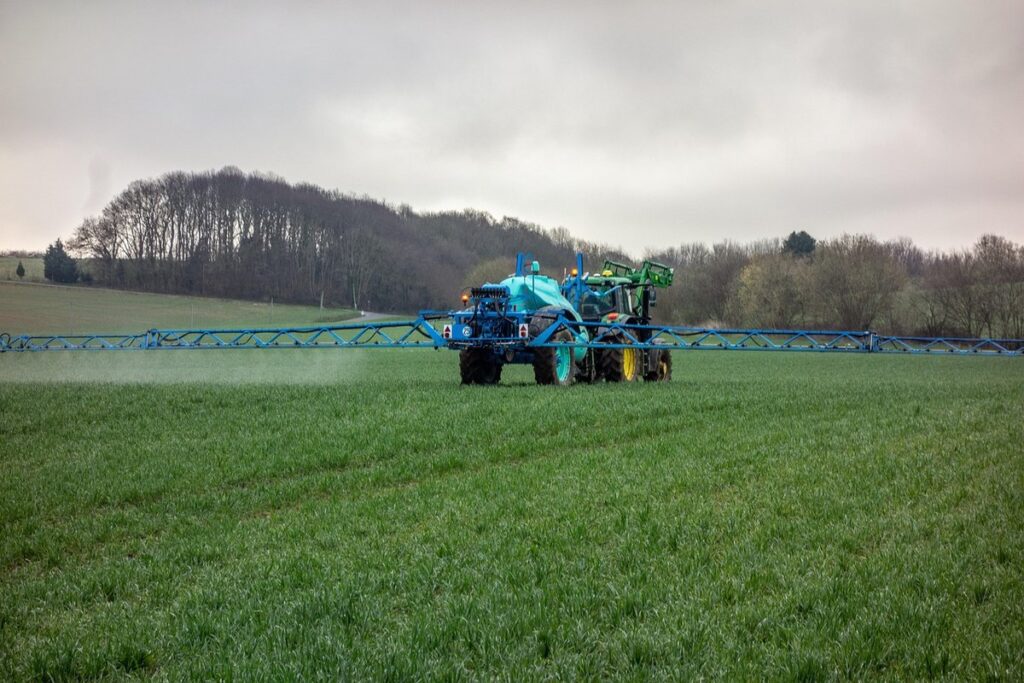
Understanding Fertilizer Application Rates
Let’s break down the specifics of fertilizer application rates, including how to determine the ideal amount per acre for your crops. We’ll explore the factors that influence these rates and provide guidance on accurate calculations.
What are Tonnes of Fertilizer?
In agricultural practices, tonnes of fertilizer are a critical measurement for determining crop yields and soil health. When referring to tonnes of fertilizer, we’re discussing the weight of fertilizer applied per unit area. One tonne is equal to 1,000 kilograms or 2,204 pounds. This unit of measurement is essential in calculating fertilizer requirements per acre because it helps farmers understand the actual amount of fertilizer they need to apply.
To put this into perspective, consider a typical fertilizer application rate for corn. A common recommendation might be 100 kg/ha (hectare) of nitrogen-based fertilizer. To calculate this amount per acre, you would multiply the hectare rate by 0.4047 (the conversion factor from hectares to acres). This calculation yields approximately 40.47 kg/acre or roughly 88 pounds per acre.
Understanding tonnes of fertilizer is crucial for accurate application and avoiding over- or under-fertilization. Over-applying can lead to environmental issues, while under-applying may compromise crop growth. By grasping this fundamental concept, farmers can optimize their fertilizer use, ensuring optimal soil health and maximizing yields without waste.
Factors Influencing Fertilizer Needs
Crop type is a primary factor influencing fertilizer needs. Different crops have varying nutrient requirements, with some demanding more nitrogen, phosphorus, and potassium than others. For example, legumes like beans and peas are able to fix atmospheric nitrogen, whereas cereals like wheat and rice require additional nitrogen fertilizers. Soil quality also plays a significant role in determining fertilizer needs, as poor soil structure or nutrient deficiencies can limit crop growth.
Climate is another critical factor, with temperature, rainfall, and sunlight affecting the rate of nutrient uptake by crops. In cooler climates, plants may require more phosphorus to promote root development, while hot and dry conditions often necessitate additional potassium fertilizers to maintain cell turgor pressure. Previous fertilizer applications can also impact current needs, as residual nutrients in the soil may influence crop requirements.
Soil pH is another essential consideration, with acidic soils often requiring lime application to adjust pH levels before fertilizing. Similarly, alkaline soils may require sulfur or other acidifying agents to improve nutrient availability. By considering these factors and conducting regular soil tests, farmers can develop a more accurate picture of their fertilizer needs, ensuring optimal crop yields while minimizing waste and environmental impact.
Determining Fertilizer Requirements per Acre
To calculate fertilizer requirements accurately, you need to understand how much nitrogen, phosphorus, and potassium your crops require. Let’s break down how to determine these nutrient levels on a per-acre basis.
Crop-Specific Fertilizer Rates
Different crops have distinct fertilizer requirements based on their nutrient needs and growth patterns. For instance, corn is a heavy feeder of nitrogen, phosphorus, and potassium (NPK), whereas wheat requires less phosphorus and more sulfur. Alfalfa, being a legume, has a high demand for NPK but can also benefit from added calcium.
To illustrate the variability in fertilizer requirements, consider the following examples:
- Corn: 180-200 pounds of nitrogen per acre
- Soybeans: 120-150 pounds of nitrogen per acre
- Wheat: 100-120 pounds of nitrogen per acre
These values are approximate and can vary depending on factors like soil type, climate, and crop yield. It’s essential to consult the specific fertilizer recommendations for your region and crop type.
Some crops also have unique nutrient requirements based on their growth stages. For example, potatoes benefit from a balanced NPK fertilizer during tuber formation but require less nitrogen during maturation. Understanding these nuances can help you optimize fertilizer application and avoid over-fertilization, which can lead to environmental issues like water pollution.
Soil Type and Fertilizer Application
Soil type plays a significant role in determining fertilizer absorption rates. Different soils have varying capacities to retain and utilize nutrients, affecting how fertilizers are applied. For instance, sandy soils with low fertility require more frequent applications of water-soluble fertilizers to compensate for their limited nutrient retention capabilities.
In contrast, clay soils with high fertility can benefit from less frequent but more substantial fertilizer applications. These soils tend to hold onto nutrients longer, making it essential to assess the soil’s specific properties when deciding on a fertilizer application schedule.
Soils with high pH levels or those prone to waterlogging may also require specialized fertilizers that are resistant to degradation under these conditions. For example, alfisols and vertisols exhibit unique characteristics that demand tailored approaches to nutrient management.
When evaluating your field’s soil type, consider the following factors: cation exchange capacity (CEC), organic matter content, and particle size distribution. These properties will help you determine how your soil interacts with fertilizers and guide more informed application decisions.
Measuring and Calculating Fertilizer Amounts
To accurately calculate fertilizer amounts, you’ll need to consider several key factors including soil type, crop requirements, and desired yield. Let’s break down these considerations step by step.
Common Units of Measurement
When calculating fertilizer requirements per acre, it’s essential to understand the common units of measurement used for fertilizers. The most widely recognized units are pounds (lb), kilograms (kg), and tonnes (t). A tonne is equivalent to 1,000 kilograms or 2,204.62 pounds, making it a more convenient unit for large-scale applications.
In the United States, pounds per acre (lb/ac) is often used, especially for smaller fields or gardens. However, in many countries, including those that follow the International System of Units (SI), kilograms per hectare (kg/ha) is the standard measurement. Since 1 acre is approximately equal to 0.4047 hectares, you can easily convert between these units.
When working with large areas or heavy fertilizer applications, tonnes per acre (t/ac) becomes a more practical unit. For example, if your field requires 5 tonnes of nitrogen-rich fertilizer per acre, this would translate to 10,000 kilograms or 22,046 pounds. Understanding and converting between these units is crucial for accurate calculations and efficient fertilizer use.
Conversion Factors for Easy Calculation
When working with different units of measurement for fertilizer application, conversion factors can be a crucial tool to ensure accurate calculations. For example, you may need to convert grams per hectare (g/ha) to kilograms per acre (kg/ac). To do this, you’ll use the conversion factor: 1 hectare is approximately equal to 2.471 acres.
Similarly, when switching between pounds of nitrogen per acre (lb N/ac) and kilograms of nitrogen per hectare (kg N/ha), use the following conversion factor: 1 lb N/ac is equivalent to about 0.4536 kg N/ha. These conversions can be especially important when working with different fertilizer products or application rates.
To make these calculations easier, it’s helpful to remember a few key conversion factors:
• 1 tonne of fertilizer is equal to 1,000 kilograms
• 1 hectare is approximately equal to 2.471 acres
• 1 pound (lb) is equivalent to about 0.4536 kilograms
By keeping these conversions in mind and using the right tools or online calculators, you can ensure that your fertilizer application rates are accurate and effective.
Considerations for Sustainable Fertilizer Use
When using sustainable fertilizers, several factors come into play that can affect their effectiveness and impact on your crop’s growth. We’ll examine some key considerations to keep in mind when making fertilizer choices.
Environmental Impact and Regulations
Excessive fertilizer use contributes to environmental degradation and regulatory challenges. Water pollution is a significant concern due to excess nitrogen and phosphorus entering waterways. These pollutants can lead to algal blooms, deplete oxygen levels, and harm aquatic life. Soil degradation occurs when excessive fertilizers alter soil pH, reduce nutrient cycling, and increase erosion risk.
Greenhouse gas emissions from fertilizer production and application exacerbate climate change concerns. Nitrous oxide (N2O) emissions during nitrification and denitrification processes contribute to global warming. Regulators have implemented measures to mitigate these impacts. For instance, the European Union’s Nitrates Directive sets limits on nitrogen levels in water bodies.
Farmers can minimize environmental harm by adopting best practices. Crop selection, rotation, and companion planting strategies reduce fertilizer requirements. Integrated Pest Management (IPM) techniques further decrease reliance on synthetic fertilizers. To ensure compliance with regulations, farmers should:
- Familiarize themselves with local and national environmental standards
- Monitor water quality and adjust fertilizer application accordingly
- Implement conservation tillage or no-till farming methods to minimize soil erosion
Implementing Best Practices for Efficient Application
When implementing best practices for efficient fertilizer application, precision agriculture techniques can play a crucial role. By using crop monitoring systems, farmers can track soil health, moisture levels, and nutrient uptake in real-time, allowing them to adjust their fertilizer application rates accordingly.
Variable rate application (VRA) is another key strategy for minimizing waste and optimizing fertilizer use. This involves applying different rates of fertilizer across the field based on specific soil types or crop characteristics. For example, a farmer might apply a higher rate of nitrogen-rich fertilizer in areas with high-yielding crops, while maintaining a lower rate in less productive regions.
To implement VRA effectively, farmers need to invest in advanced equipment such as GPS-guided sprayers and fertilizer spreaders that can accurately dispense the right amount of fertilizer at the right time. They should also develop detailed soil maps and crop management plans to ensure seamless integration with their existing operations. By adopting these best practices, farmers can significantly reduce their fertilizer waste, lower costs, and promote more sustainable agriculture.
Case Studies: Real-World Examples of Fertilizer Optimization
To help you better understand how fertilizer optimization works in practice, we’ll examine real-world examples of successful implementation. These case studies showcase the tangible benefits of efficient fertilizer use.
Successful Farm or Field Trials
Farmers in Iowa’s corn belt have reported significant reductions in nitrate runoff and greenhouse gas emissions by adopting variable rate fertilization. In one notable study, researchers applied precise amounts of nitrogen-based fertilizer to each section of the field based on soil type and crop yield data. The results showed a 15% increase in corn yields while using 10% less fertilizer overall. This approach has since been replicated in other regions with equally impressive results.
In Australia, a wheat farm successfully implemented a precision fertilization system that adjusted application rates in real-time based on sensor readings of soil moisture and nutrient levels. By making these adjustments, the farmer was able to reduce fertilizer usage by 20% while maintaining optimal crop yields. This example highlights the importance of monitoring and adjusting fertilizer applications as needed.
A key takeaway from these case studies is the need for accurate data collection and precise application techniques. Farmers should consider investing in soil testing and sensor technologies to inform their fertilization decisions. By doing so, they can optimize their use of resources while minimizing environmental impact.
Lessons Learned from Failures and Challenges
Many farmers and agricultural experts have attempted to optimize fertilizer use on their fields, but often encounter challenges and setbacks along the way. A common mistake is overestimating crop yields, leading to excessive fertilizer application and subsequent environmental pollution. In one notable case study, a farmer’s field trial showed that applying 50% more nitrogen than recommended resulted in soil degradation and reduced crop quality.
Another challenge arises from inadequate soil testing and analysis. Without proper assessment of soil pH levels and nutrient content, farmers may apply fertilizers that are either too potent or ineffective. For instance, applying high-phosphorus fertilizers on alkaline soils can lead to phosphorus buildup and eutrophication risks.
To avoid these pitfalls, it’s essential to regularly monitor crop performance and adjust fertilizer application rates accordingly. Farmers should also prioritize accurate soil testing and analysis, using techniques such as grid sampling and laboratory analysis to inform their decision-making. By learning from these common mistakes and incorporating best practices into their operations, farmers can optimize fertilizer use, reduce waste, and promote more sustainable agricultural practices.
Conclusion: Optimizing Fertilizer Use for Sustainable Agriculture
Now that you’ve calculated your fertilizer needs, let’s wrap up by exploring strategies to optimize fertilizer use and reduce waste in a sustainable agricultural approach. Effective implementation will depend on various factors, including crop selection and soil conditions.
Recap of Key Takeaways
Accurate calculation of fertilizer requirements is crucial for sustainable agriculture. To achieve optimal crop yields while minimizing environmental impact, farmers must consider multiple factors, including crop-specific rates, soil type, and application methods.
A key takeaway from this article is the importance of understanding the different units of measurement used in fertilization, such as tonnes per acre. This knowledge enables farmers to convert between various units, ensuring accurate calculations and avoiding costly mistakes.
The significance of sustainable fertilizer practices cannot be overstated. Excessive fertilizer use not only harms the environment but also wastes resources. By implementing best practices for efficient application, farmers can reduce waste, minimize environmental impact, and promote long-term soil health.
In addition to accurate calculation and sustainable practices, this article highlights the importance of considering local regulations and environmental factors when determining fertilizer needs. Farmers must balance crop yields with the need to protect waterways, prevent soil pollution, and maintain ecosystem services.
To recap, some key takeaways from this article include:
- Crop-specific fertilizer rates vary significantly depending on factors such as growth rate and nutrient demands
- Soil type plays a crucial role in determining fertilizer requirements, with different soils requiring tailored approaches
- Accurate calculation of fertilizer needs requires consideration of multiple factors, including crop yields, soil conditions, and environmental impact
By applying these key takeaways, farmers can optimize their fertilizer use, reduce waste, and promote sustainable agriculture practices. This not only benefits the environment but also contributes to long-term agricultural productivity and economic viability.
Frequently Asked Questions
How to Determine Fertilizer Requirements for Small-Scale or Hobby Farms?
Yes, the same principles apply to small-scale farms as they do to large commercial operations. However, due to limited resources and space constraints, it’s essential to prioritize precision and accuracy in calculating fertilizer requirements. Consider consulting with local experts or using online tools to streamline the process.
What if I’m Using a Combination of Organic and Synthetic Fertilizers?
Using a mix of organic and synthetic fertilizers can be effective, but it requires careful planning to avoid over-fertilization. Start by assessing your soil’s nutrient levels and then choose products that complement each other in terms of nutrient content. Be mindful of potential interactions between different types of fertilizers, as this may impact their efficacy.
Can I Use Conversion Factors for Fertilizer Units if I’m Not Familiar with Calculations?
Yes, you can still use conversion factors even if you’re not confident in your math skills. Online calculators and spreadsheets are readily available to help with unit conversions and fertilizer calculations. Focus on understanding the underlying principles rather than getting bogged down in complex arithmetic.
How Do I Balance Fertilizer Application Rates for Different Crop Rotations?
Crop rotation can significantly impact fertilizer requirements, as some crops may deplete soil nutrients while others contribute to its fertility. To achieve optimal balance, analyze your crop rotation patterns and adjust fertilizer application rates accordingly. Consider using variable rate application or precision agriculture techniques to ensure accurate dosing.
What if I Encounter Soil pH Issues During Fertilizer Application?
Yes, soil pH imbalances can negatively impact fertilizer efficacy. If you’re experiencing issues with soil acidity or alkalinity, take steps to correct the pH level before applying fertilizers. This may involve using lime or sulfur to adjust the pH, depending on the specific requirements of your crop and soil type. Consult with a local expert for guidance on addressing pH-related challenges.
