Planting peach pits can be a fun and rewarding experience for anyone looking to grow their own fruit tree from scratch. You might be surprised at how easy it is to plant a peach pit, but the process does require some preparation and care to ensure successful germination and growth. When done correctly, planting peach pits can lead to a bountiful harvest of delicious homegrown peaches right in your own backyard. In this article, we’ll cover everything you need to know about planting peach pits indoors and outdoors, including how to prepare the pit for planting, how to simulate the conditions necessary for germination through stratification, and common issues that can arise during the process. By following these steps and tips, you’ll be on your way to growing a thriving and productive homegrown peach tree in no time, allowing you to enjoy fresh peaches from the comfort of your own home.
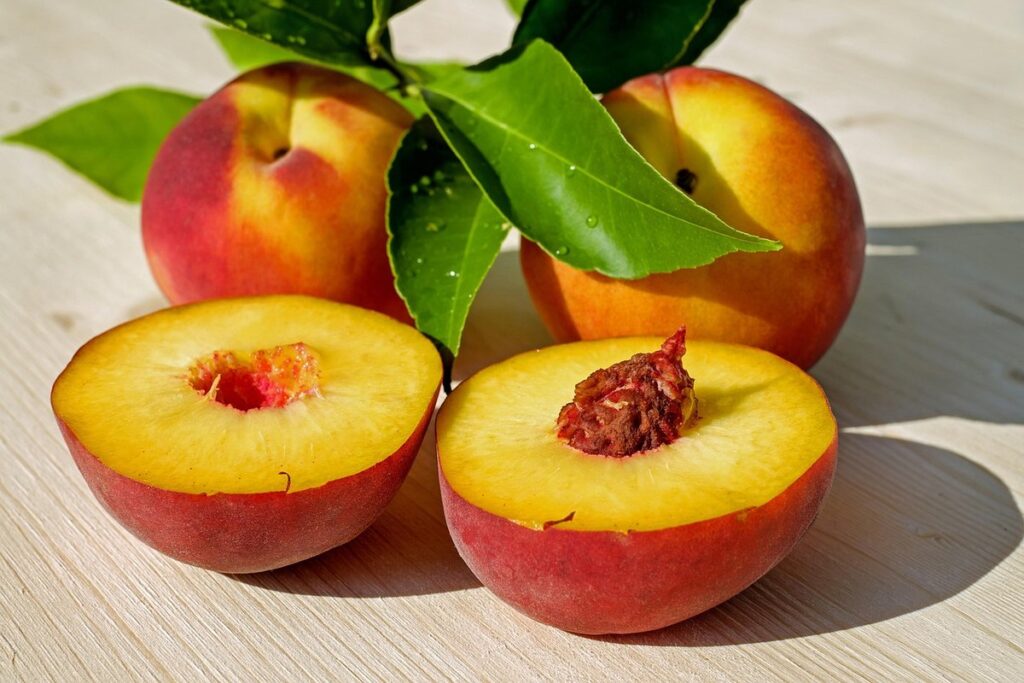
Understanding Peach Pit Germination
To successfully plant a peach pit, you need to understand how germination works, which involves simulating winter conditions to trick the seed into sprouting. This is where peach pit germination comes in.
The Science Behind Peach Pit Germination
Peach pits germinate through a process involving dormancy, which allows them to withstand harsh environmental conditions. The pit’s outer layer, called the pericarp, is dry and impermeable to water, protecting the inner embryo from moisture loss. When you plant a peach pit, the embryo remains dormant until it receives the right combination of temperature, moisture, and light.
During this period, the embryo undergoes a series of physiological changes that ultimately lead to germination. The process begins when the pericarp is cracked or broken, allowing water to penetrate the seed coat and initiate cell division. This usually occurs in response to warmth, typically above 40°F (4°C), which triggers an increase in water absorption.
As the embryo absorbs moisture, it breaks its dormancy and begins to grow. The radicle emerges first, followed by the hypocotyl, which pushes through the pericarp to reach the surface. This process can take anywhere from a few weeks to several months, depending on factors like temperature, light exposure, and seed quality.
A crucial aspect of peach pit germination is understanding that dormancy is not just a passive state but an adaptive mechanism that allows seeds to survive unfavorable conditions. By mimicking natural environments in your indoor or outdoor setup, you can encourage the pit to break dormancy and begin its growth cycle.
Factors Affecting Germination Success
When it comes to peach pit germination, several factors can significantly impact success. Temperature is a crucial consideration: most varieties require a period of cold stratification, typically between 30-45 days at around 35°F (2°C), followed by warmer temperatures for germination. If the temperature fluctuations are too extreme or prolonged, this delicate balance can be disrupted.
Light conditions also play a significant role in peach pit germination. Most seeds prefer indirect light or partial shade to prevent excessive moisture loss and promote even growth. Direct sunlight can cause seedlings to become scorched, leading to weakened roots and poor overall health.
Moisture levels are equally important, as both under-watering and over-watering can hinder successful germination. Ensure the soil remains consistently moist but not waterlogged during the first few weeks after planting. Aim for a well-draining potting mix that retains some moisture without becoming soggy.
By controlling these factors – temperature, light, and moisture – you can optimize the conditions for peach pit germination.
Preparing Peach Pits for Planting
Before planting peach pits, you’ll need to properly prepare them by cleaning and stratifying the seeds. This process ensures healthy germination and a strong start for your new tree.
Cleaning and Scarification
To clean and scarify peach pits effectively, you’ll need a few simple tools. Start by gently washing the pit in warm water to remove any dirt or debris. Then, use a soft-bristled toothbrush or small scrub brush to gently scrub away any stubborn stains or residue. Next, dry the pit with a paper towel.
For scarification, you can use a sharp utility knife or a sanding tool specifically designed for seed preparation. Hold the pit firmly and make shallow cuts on the surface of the pit in a radial pattern, being careful not to cut too deeply into the kernel. This will help break down any natural dormancy and encourage germination. A common mistake is to over-scarify, so it’s better to err on the side of caution and start with light cuts.
For harder pits, you may need to use a sanding tool or even a drill bit (specifically designed for seed preparation) to create small holes in the surface. Be cautious not to damage the kernel itself.
Stratification Methods
To ensure successful germination of peach pits, you need to simulate winter conditions. This process is called stratification. There are two main types: cold stratification and warm stratification.
Cold stratification involves subjecting the pit to temperatures between 32°F (0°C) and 40°F (4°C). This method is ideal for most peach varieties and can be achieved by placing the pits in a plastic bag with moist peat moss or sand, then storing them in the refrigerator. Keep the bag away from direct heat sources and check on it periodically to maintain moisture.
Warm stratification, on the other hand, involves exposing the pit to temperatures between 50°F (10°C) and 70°F (21°C). This method is suitable for some dwarf or compact peach varieties. You can simulate warm stratification by placing the pits in a plastic bag with moist peat moss or sand, then storing them in a warm location like a greenhouse or on top of a refrigerator.
Keep in mind that peach pit germination rates may vary depending on the specific method used and the variety of peach tree being grown. Typically, cold stratification results in higher success rates than warm stratification.
Planting Peach Pits Indoors
To successfully plant peach pits indoors, you’ll need to provide a suitable environment and follow specific steps for germination. This section will walk you through those essential requirements.
Materials Needed for Indoor Germination
To plant peach pits indoors, you’ll need a few essential materials. Start with pots specifically designed for seed starting, as they have good drainage and are typically smaller than regular pots. You can use plastic or biodegradable pots; the latter will save you time when transplanting later on.
Choose a well-draining potting mix that’s suitable for indoor seedlings. Avoid using garden soil, as it can be too dense for young roots to develop properly. A growing medium like coconut coir or perlite can also be added to improve drainage and prevent waterlogged conditions.
In addition to pots and soil, you’ll need a tray or saucer to catch excess water, a watering can or cup, and a warm location with indirect light. This could be a sunny windowsill or under grow lights, depending on the amount of natural light available in your home. A heat mat can also be useful for maintaining a consistent temperature around 70-75°F (21-24°C), which is ideal for peach pit germination.
When selecting pots and growing medium, consider the number of pits you’re planting and leave enough space between each seedling to accommodate their growth.
Steps for Indoor Germination
Sow peach pits about ¼ inch deep in a seed starting mix specifically designed for indoor germination. Moisten the soil but avoid overwatering, as this can lead to rot and poor germination rates. Place the container with the sown pit in a warm location, typically between 70-80°F (21-27°C), providing consistent heat.
Monitor the peach pits daily for signs of growth. You should see a small white root emerging within 1-3 weeks after sowing, followed by a sprout breaking through the surface. Keep the soil consistently moist during this time but avoid getting water on the leaves or crown to prevent fungal diseases.
Once germinated, provide supplemental lighting if necessary, ensuring that the seedling receives at least 4 hours of direct light per day. Maintain humidity around the seedlings using a cloche or plastic bag until they develop their first set of true leaves.
Transplanting Peach Seedlings Outdoors
Now that your seedlings have had a chance to grow indoors, it’s time to harden them off and transplant them outside into their permanent home. This section will guide you through the process of acclimating and planting peach seedlings outdoors successfully.
Preparing the Soil and Location
When transplanting peach seedlings outdoors, it’s essential to prepare the soil and location carefully. Start by selecting a spot with full sun and well-drained soil. Peach trees prefer a slightly acidic to neutral soil pH between 6.0 and 7.0. Test your soil type and pH level before planting to ensure optimal conditions.
If your soil is heavy clay or sandy, amend it with organic matter like compost or well-rotted manure to improve its structure. Remove any debris, rocks, or weeds from the area, as these can hinder seedling growth. Create a raised bed if necessary, but avoid over-tilling the soil, which can damage the delicate roots of the seedlings.
Choose a location with good air circulation to prevent disease and promote healthy growth. Avoid planting peach trees in low-lying areas where water may collect, as this can lead to root rot. Consider factors like wind direction and proximity to other trees or structures when selecting a spot. By carefully preparing the soil and location, you’ll give your seedlings the best chance to thrive outdoors.
Transplanting Techniques and Aftercare
When transplanting peach seedlings outdoors, it’s essential to handle them gently to minimize shock. Start by watering the seedling thoroughly a day before transplanting to make the soil easier to work with. Then, dig a hole that is slightly larger than the pot, taking care not to compact the surrounding soil.
Gently remove the seedling from its container and place it in the hole, burying it up to its original depth. Firm the soil around the roots to secure the seedling in place. Water well after transplanting to settle the soil.
Aftercare is crucial during the first few weeks following transplanting. Keep the soil consistently moist but not waterlogged, as this can lead to root rot. Aim for about 1 inch of water per week from rainfall or irrigation. Mulch around the seedling to retain moisture and suppress weeds.
To promote healthy growth, avoid over-fertilizing at this stage. A balanced fertilizer applied once a month is sufficient. Prune any weak or damaged branches to encourage bushy growth and prevent disease. With proper care, your peach seedling should adapt quickly to its new outdoor environment and continue to thrive.
Common Issues with Peach Pit Germination
Peach pit germination can be a bit finicky, and it’s not uncommon for problems to arise along the way. Let’s discuss some common issues that might prevent your peach pits from sprouting successfully.
Causes of Low Germination Rates
Poor quality seeds are often to blame for low germination rates. If peach pits are not properly dried and stored, they can become dormant, making it difficult for them to germinate. Similarly, seeds that have been damaged during storage or handling may also struggle to sprout. To avoid this issue, choose fresh, plump pits from a reputable source.
Inadequate stratification is another common cause of low germination rates. Peach pits require a period of cold temperatures to break dormancy and stimulate growth. If the seeds are not exposed to sufficient chill hours or if they are subjected to temperature fluctuations, the germination rate will suffer. Aim for a consistent refrigerator temperature between 35°F and 45°F (2°C and 7°C) during the stratification period.
In some cases, low germination rates may be due to over-preparation of the seeds. Overly aggressive scarification or excessive handling can damage the embryo and reduce the chances of successful germination. Balance your preparation techniques with caution, as too much intervention can do more harm than good.
Troubleshooting Tips for Seedling Care
Peach seedlings can be sensitive to their environment, and issues like overwatering, underwatering, or inadequate light can quickly become apparent. One common problem is root bound, where the roots outgrow the container. To address this, gently remove the seedling from its pot, taking care not to damage the delicate roots. Trim back any circling roots and re-pot the seedling in a slightly larger container filled with well-draining mix.
Another issue is fungal diseases like damping off or root rot. Prevent these by maintaining good air circulation around your seedlings and ensuring the growing medium isn’t too moist. You can also use a fungicide specifically designed for seedlings, following the manufacturer’s instructions carefully.
Watch out for pests like spider mites, mealybugs, or aphids, which can cause damage to young leaves and stems. Inspect your seedlings regularly, and treat any infestations promptly with insecticidal soap or neem oil.
Conclusion: Harvesting Your Homegrown Peach Tree
Harvesting your homegrown peach tree is a sweet reward for all the effort you put into planting and nurturing it. After months of anticipation, the moment finally arrives when your peach tree is ripe and ready for harvest. To ensure that your peaches are picked at their peak flavor and texture, gently grasp the fruit with your hand, twisting it slightly to avoid damaging the stem. A ripe peach will come off the tree easily, while an unripe one may not come loose.
When harvesting, choose a few of each variety to try at different stages of ripeness to determine the optimal picking time for your specific tree. This will also give you insight into how long it takes from flower to fruit and when to expect future harvests. Be sure to leave some peaches on the tree to allow the tree to continue growing and developing its root system.
As you enjoy the fruits of your labor, remember that peach trees typically produce two crops per year: a spring crop and a fall crop. Harvesting regularly will encourage the tree to produce more fruit over time.
Frequently Asked Questions
Can I Plant Peach Pits in Any Type of Container?
Yes. You can plant peach pits in any type of container that has good drainage and is at least 8-10 inches deep. However, make sure the container is large enough to accommodate the seedling’s growth and has sufficient room for root development.
What If I Notice White Mold on My Peach Pit Before Planting?
Remove the affected pit immediately and discard it. White mold can spread quickly, so it’s essential to catch any fungal infections early on. Inspect your pits carefully before planting to avoid introducing diseases into the soil.
Can I Use Regular Potting Soil for Planting Peach Pits Indoors?
No. Regular potting soil may not provide enough nutrients or support for peach pit germination and growth. Look for a high-quality seed starting mix specifically designed for indoor seedlings, which will help ensure optimal conditions for your peach pits to thrive.
How Do I Know When It’s Time to Transplant My Peach Seedling Outdoors?
Wait until the weather warms up in spring and the danger of frost has passed. Check the soil temperature by inserting a finger or a thermometer into the soil. Aim for a minimum temperature of 60°F (15°C) for optimal seedling growth.
What if My Peach Pit Doesn’t Germinate After Following All the Steps Correctly?
This can happen due to various factors, such as low-quality seeds or inadequate stratification. If your pit doesn’t germinate after trying multiple attempts, consider purchasing fresh seeds from a reputable supplier and starting the process again.