Creating a successful farming partnership requires more than just a shared passion for agriculture. A comprehensive farm lease agreement is essential to outline responsibilities, boundaries, and expectations between farmers and landowners. This agreement serves as the foundation for a productive and profitable collaboration. Without it, disagreements can arise over issues such as rent payments, crop management, and equipment usage. You may be wondering how to structure your own farm lease agreement or which type of lease is best suited for your needs.
The good news is that you don’t have to navigate this process alone. This article will guide you through the key provisions to include in a farm lease agreement, the different types of leases available, and provide expert advice on creating a comprehensive agreement that works for everyone involved. By the time you finish reading, you’ll be equipped with the knowledge necessary to establish a successful farming partnership and ensure a smooth operation from start to finish.
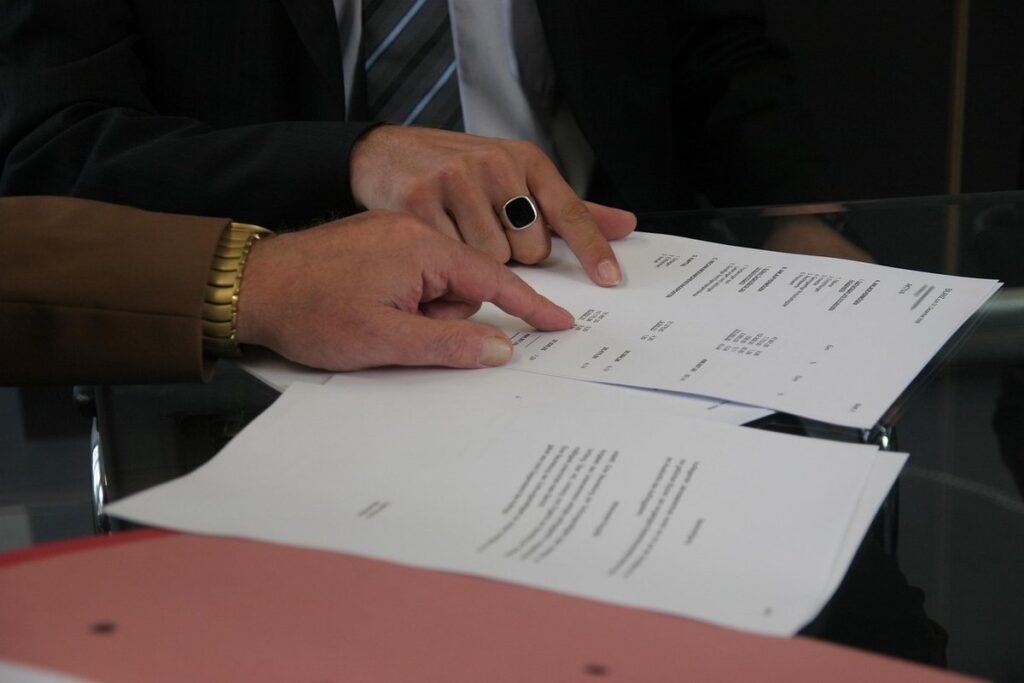
Understanding Farm Leases
When entering into a farm lease agreement, understanding your rights and responsibilities as a landowner is crucial. This section will break down the key aspects of farm leases to ensure you’re making informed decisions about your property.
What is a Farm Lease?
A farm lease is a contractual agreement between a landowner and an agricultural operator, outlining the terms of land use for farming purposes. It’s essential to understand what a farm lease entails because it directly impacts both parties’ interests and livelihoods. The primary goal of a farm lease is to define the responsibilities and obligations of each party involved.
The importance of a farm lease cannot be overstated. Without clear guidelines, disputes can arise over issues such as rent payment, equipment usage, crop yields, and property maintenance. A well-structured farm lease helps prevent these conflicts by establishing clear expectations from the outset.
In a typical farm lease agreement, you’ll find provisions that address land use restrictions, crop rotation schedules, water rights, and pest management practices. These details ensure that both parties are aware of their obligations and can work together to achieve mutually beneficial outcomes. A well-drafted farm lease can foster cooperation between landowners and agricultural operators, ultimately contributing to a more sustainable farming industry.
Types of Farm Leases
A farm lease can take various forms, each with its own set of terms and conditions. One common type is the cash rent lease, where the tenant pays a fixed amount per acre to use the land for farming purposes. This arrangement works well for tenants who want predictability in their expenses.
Another type is the share rent lease, where the tenant pays a portion of the crop yield as rent. For example, if a corn field yields 100 bushels, the tenant might pay 30% of that amount to the landowner. This type of lease benefits both parties: the tenant gets to keep most of the profits, while the landowner receives a guaranteed share.
Crop share leases are similar but involve the landowner receiving a percentage of the entire crop yield, rather than just a portion of it. This arrangement is often used for smaller-scale farming operations where the tenant and landowner work together closely. In all types of farm leases, clear communication about expectations and responsibilities is crucial to avoid misunderstandings down the line.
When selecting a lease type, consider factors such as your budget, farming goals, and risk tolerance. For instance, if you’re unsure about crop yields, a share rent or crop share lease might be more suitable than a cash rent lease.
Benefits of Farm Leasing
Entering into a farm lease agreement can provide numerous benefits for both landlords and tenants. For landlords, one of the primary advantages is increased income from renting out their land. This steady stream of revenue can be particularly valuable during times when crop prices are low or yields are unpredictable. Additionally, leasing allows landlords to reduce their management responsibilities, as they don’t have to worry about day-to-day farming operations.
Tenants also reap significant benefits from farm leasing. By leasing rather than owning the land, tenants can avoid the upfront costs of purchasing a property and focus on investing in their business. This arrangement also reduces their risk exposure, as they’re not responsible for factors like soil quality or pest management. Furthermore, leasing enables tenants to take advantage of economies of scale by spreading their operational costs over a larger area.
Ultimately, farm leasing can be a win-win situation for both parties involved. By understanding the benefits and negotiating a fair lease agreement, landlords and tenants can establish a mutually beneficial partnership that supports their respective goals and objectives.
Preparing a Farm Lease Agreement
When preparing a farm lease agreement, it’s crucial to carefully consider the terms and conditions that will govern your relationship with the landowner. This includes defining responsibilities, rights, and obligations for both parties involved.
Essential Clauses in a Farm Lease
When drafting a farm lease agreement, several essential clauses must be included to protect both parties’ interests. These clauses cover key aspects of the lease and should not be overlooked.
Rent payment terms are crucial as they outline how rent is calculated, when payments are due, and any penalties for late payments. Specify whether rent is paid monthly or annually, and clearly state the method of payment – cash, check, or electronic transfer. It’s also essential to establish a payment schedule that accounts for fluctuations in crop yields.
Termination conditions are another critical aspect of a farm lease agreement. These conditions outline the circumstances under which either party can terminate the lease. Specify notice periods, penalties for early termination, and the procedures for surrendering the property. Include provisions for crop abandonment or failure to meet yield expectations. It’s also wise to establish a process for resolving disputes that may arise during the lease term.
Consider including a clause that addresses how equipment will be maintained, stored, and transferred upon lease expiration. This helps prevent disputes over property damage or lost assets.
Negotiating a Fair Lease Agreement
When negotiating a fair lease agreement, it’s essential to consider the unique needs and circumstances of both parties. Start by clearly defining the terms and expectations for rent payment, crop yield, and equipment usage. Identify specific obligations for each party, such as maintenance responsibilities and property upkeep.
Develop a list of key performance indicators (KPIs) to measure the success of the lease agreement. This can include metrics like crop yields, soil quality, and pest management strategies. By setting achievable targets, you can ensure both parties are working towards common goals.
To avoid disputes, establish a clear process for addressing issues and concerns. This may involve regular meetings or inspections to review progress and address any problems that arise. Consider including a mediation clause in the lease agreement, which can help resolve conflicts through open communication and negotiation.
Ultimately, a fair lease agreement balances the interests of both parties while promoting a mutually beneficial partnership. By being proactive, transparent, and collaborative throughout the negotiation process, you can create a successful and productive farming arrangement that meets the needs of all involved.
Sample Farm Lease Agreement Template
To give you a concrete example of what to look for in a farm lease agreement template, consider the following essential clauses: crop yields and quality obligations, rent payment terms, equipment and property use, and termination procedures. A well-structured template should outline these key provisions in clear language.
When reviewing a sample farm lease agreement template, note the following:
- Crop yield and quality obligations typically specify targets for specific crops, with penalties or incentives for meeting or exceeding expectations.
- Rent payment terms often include details on how payments are made, when they’re due, and what happens if rent is late or missed.
- Equipment and property use should clearly outline which equipment and facilities the tenant has access to, as well as any restrictions on their use.
- Termination procedures typically specify notice periods, grounds for termination, and post-termination obligations.
A good template will break these complex provisions down into concise, easy-to-understand language. By referencing a sample farm lease agreement template, you can see how these essential clauses are organized and structured in practice.
Key Provisions in a Farm Lease Agreement
When reviewing a farm lease agreement, it’s crucial to understand the key provisions that govern your use of the land and obligations to the landlord. This includes critical details like crop selection, pest management, and equipment requirements.
Rent Payment Terms
A farm lease agreement typically outlines a specific payment schedule and amount for rent payments. This is crucial to ensure both parties are aware of their financial obligations. The payment terms should clearly specify when and how much rent will be paid, including the method of payment, such as bank transfer or check.
Many farm leases require rent to be paid on a regular basis, often monthly or quarterly. Some agreements may also include provisions for late payments or penalties for non-payment. For instance, if a tenant is unable to pay rent on time due to crop failure or other unforeseen circumstances, the lease agreement might outline a plan for temporary relief.
To avoid confusion, it’s essential to specify the payment amount and schedule in detail. This can be as simple as stating “rent will be paid at $X per acre” or as complex as calculating a percentage of total crop yield. Be sure to include any conditions that may affect rent payments, such as changes in government regulations or natural disasters.
A clear payment schedule and amount helps prevent disputes and ensures both parties are held accountable for their financial responsibilities.
Crop Yield and Quality Obligations
Crop yield and quality obligations are crucial aspects of a farm lease agreement. The tenant is typically responsible for maintaining crop health and preventing pest and disease infestations. This includes implementing Integrated Pest Management (IPM) strategies, monitoring crop conditions regularly, and addressing issues promptly.
Landlords may also require tenants to adhere to specific farming practices, such as organic or conventional methods, which can impact crop quality. To mitigate risks, landlords may specify acceptable levels of pests or diseases in the agreement, outlining consequences for non-compliance.
A common provision in farm lease agreements is a clause that addresses crop damage due to tenant negligence or intentional actions. This can include language specifying liability for losses caused by poor farming practices or failure to control weeds, pests, or diseases. For example, an agreement might state: “In the event of pest or disease infestation resulting from the Tenant’s negligence, the Tenant shall be liable for all associated costs and losses.”
To avoid disputes, it’s essential for landlords and tenants to clearly outline crop yield and quality obligations in the lease agreement. This includes defining acceptable standards for crop quality, specifying expectations for maintenance and upkeep, and outlining consequences for non-compliance.
Equipment and Property Use
In a farm lease agreement, the equipment and property use provisions are crucial to ensure both parties understand their responsibilities. Typically, these provisions outline who has access to shared resources such as tractors, plows, and irrigation systems, as well as the maintenance and repair obligations of each party. Specify which equipment is included in the rental fee and which is available for additional rent or purchase.
Some agreements may include a clause that requires tenants to return all rented equipment in good working condition at the end of the lease period. Others might outline specific guidelines for shared tools, such as who has access during peak seasons or how to schedule maintenance. The key is clarity: ensure both parties understand their roles and responsibilities regarding shared property.
For example, a tenant might be required to perform routine maintenance on a shared irrigation system, but the landlord retains ownership and is responsible for major repairs. Clear definitions of “good working condition” and “major repairs” can prevent disputes down the line. When drafting or reviewing a farm lease agreement, pay close attention to these provisions and negotiate them carefully.
Farm Lease Agreement Termination
Terminating a farm lease agreement can be a complex process, especially if you’re unsure of your rights and obligations. This section will outline the key considerations to keep in mind when ending a farm lease contract.
Reasons for Termination
A farm lease agreement can be terminated for several reasons. Non-payment of rent by the tenant is a common cause for termination. This can occur if the tenant fails to pay rent on time, or if the landlord reduces or withholds rent payments due to crop damage or other issues. Breach of contract is another reason for termination. This may include failure to meet yield and quality obligations, failure to use equipment and property as agreed upon, or failure to maintain the property in good condition.
Specifically, a tenant’s breach of the crop yield and quality obligations can be grounds for termination. This might involve failing to meet minimum production targets, selling crops that are below acceptable quality standards, or neglecting to report crop losses or damage. Similarly, if a tenant uses equipment and property in ways not authorized by the lease agreement, this can also lead to termination.
In some cases, a farm lease agreement may be terminated due to circumstances beyond the control of either party. For example, a severe weather event or government regulation may make it impossible for the tenant to fulfill their obligations under the lease.
Notice Period and Procedure
When terminating a farm lease agreement, it’s essential to follow the specified notice period and procedure outlined in the contract. The notice period, which varies depending on the terms of the lease, provides both parties with sufficient time to prepare for the termination. Generally, a 30-60 day notice period is common, allowing time for crop harvesting, equipment removal, and property inspection.
Review your farm lease agreement to determine the required notice period and procedure. Typically, the notice should be in writing, signed by both parties, and delivered to the other party or their representative. Some agreements may require a formal letter or email, while others might specify a specific format for the notice. Ensure you follow the exact procedure outlined in your contract.
Failure to comply with the notice period and procedure can result in penalties, fines, or even legal action. To avoid these complications, carefully review your lease agreement and provide adequate notice to the other party. This allows both parties to wind down operations, settle any outstanding issues, and maintain a positive relationship for future collaborations.
Post-Termination Obligations
Upon termination of a farm lease agreement, both parties are expected to fulfill certain obligations. The terminating party is typically responsible for returning the leased property and equipment to their original condition, as specified in the agreement. This includes removing all personal belongings and restoring the property to its pre-lease state.
The tenant may be required to return any company-provided equipment, tools, or vehicles in good working order. In some cases, a mutually agreed-upon inspection may take place before the lease is officially terminated. The inspecting party can assess the condition of the returned property and document any damage or necessary repairs.
A bulleted list outlining post-termination obligations includes:
• Returning all company-provided equipment, tools, and vehicles in good working order
• Restoring the leased property to its pre-lease state
• Removing all personal belongings from the leased premises
• Documenting any damage or necessary repairs during an optional inspection
Best Practices for Farm Leasing
When entering into a farm lease, establishing clear guidelines and expectations from the start is crucial to avoid future conflicts. This section focuses on key best practices to ensure a successful partnership between landowners and lessees.
Communication is Key
Effective communication is crucial to maintaining a successful farm lease relationship. It helps prevent misunderstandings and ensures both parties are on the same page regarding expectations, responsibilities, and obligations. Regular communication can also facilitate problem-solving and issue resolution, minimizing conflicts that might arise during the lease term.
A clear and respectful dialogue between the landlord and tenant can help clarify expectations around crop management, equipment usage, and maintenance schedules. For instance, discussing specific requirements for crop rotation, pest control, or irrigation systems can prevent disputes over land quality or yield performance.
To foster open communication, consider establishing a regular meeting schedule to review progress, discuss challenges, and address concerns. This can be as simple as a bi-weekly phone call or an in-person meeting every few months. Additionally, encourage both parties to share their thoughts, questions, and feedback in writing – whether through email, text messages, or a shared online document.
By prioritizing communication, landlords and tenants can build trust and foster a collaborative environment that benefits both parties involved. This proactive approach not only ensures a successful farm lease but also sets the stage for future partnerships and mutually beneficial relationships.
Regular Review and Update
Regular review and update of the farm lease agreement is crucial to ensure it remains relevant and effective. As circumstances change, such as shifts in market demand, changes in government regulations, or unforeseen weather events, the agreement may need adjustments to accommodate these new realities. Neglecting to review and update the agreement can lead to disputes over rent payments, crop yields, or equipment use.
To address this, schedule regular reviews with your leasing partner at least every two to three years. This allows you to assess whether the agreement still meets both parties’ needs and makes necessary adjustments. Consider factors such as changes in local market conditions, updated government subsidies, or new technologies that may impact crop yields or equipment maintenance.
When updating the agreement, keep records of all modifications made and communicate them clearly to your partner. Include a provision for review and update in the original lease agreement to ensure both parties are committed to regular assessments. By regularly reviewing and updating the farm lease agreement, you can mitigate potential disputes and maintain a mutually beneficial partnership.
Mediation and Dispute Resolution
Mediation and dispute resolution are crucial components of a farm lease agreement. Conflicts can arise due to various reasons such as disagreements over rent payments, crop yield, or equipment usage. To resolve these issues amicably, both parties should be open to mediation.
A neutral third-party mediator can facilitate discussions between the lessee and lessor. This impartial approach helps to prevent escalation of disputes and promotes a constructive exchange of ideas. Mediation can take place through various channels, including in-person meetings or video conferencing.
Some farmers opt for mediation services provided by agricultural organizations or local courts. These services are often free or low-cost and offer a structured process for resolving conflicts. Others may prefer to resolve disputes through negotiation between the parties involved.
Key considerations when selecting a mediator include their knowledge of agriculture, experience with farm lease agreements, and ability to maintain confidentiality. A well-structured mediation process can save time, reduce costs, and preserve relationships between farmers. Regular communication and proactive conflict resolution are essential for maintaining a smooth and productive leasing arrangement.
Frequently Asked Questions
Can I modify a farm lease agreement after it’s been signed?
Yes, modifications can be made with mutual consent from both the landlord and tenant. It’s essential to document any changes in writing to ensure clarity and prevent future disputes.
What if the tenant is unable to meet their rent payment terms due to unforeseen circumstances?
If the tenant experiences financial difficulties or other unexpected events that hinder their ability to pay rent, it’s crucial to communicate with the landlord promptly to explore possible solutions. This may involve negotiating a temporary reduction in rent or a payment plan.
Can I sublease my farmland if I’m unable to use it myself?
Yes, but be sure to review your farm lease agreement carefully for any subleasing clauses. You may need to obtain permission from the landlord or follow specific procedures outlined in the agreement.
What happens if there’s a dispute over crop yield and quality obligations during the lease term?
In such cases, mediation and dispute resolution options should be explored, as discussed in the article’s “Mediation and Dispute Resolution” section. This can help resolve issues amicably and without resorting to costly litigation.