
Growing your own herbs can be a game-changer for any home cook or chef, adding fresh flavor to meals without breaking the bank. Not only is growing herbs indoors and outdoors a cost-effective way to have access to a wide range of flavors year-round, but it’s also an incredibly rewarding hobby that allows you to experiment with new recipes and techniques. But getting started can be overwhelming, especially when considering factors like choosing the right herb for your climate and growing conditions, selecting between traditional soil-based methods and more advanced hydroponics or aeroponics systems, and optimizing lighting and watering schedules. In this article, we’ll take a comprehensive look at how to grow herbs indoors and outdoors, from basic tips and tricks to more advanced techniques for getting the most out of your herb garden.
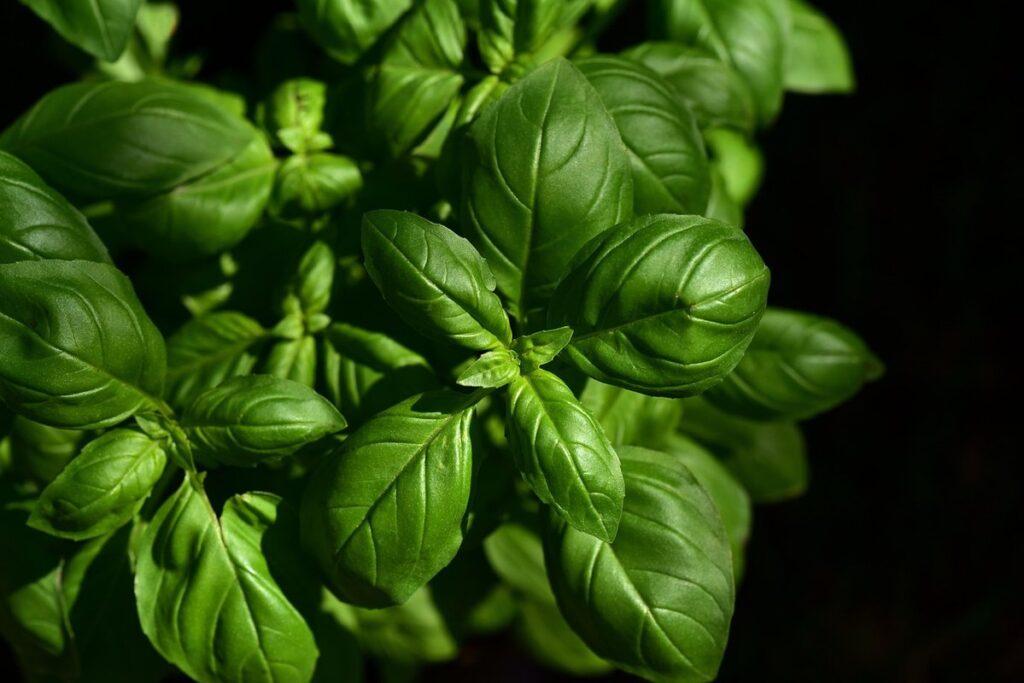
Choosing the Right Herb and Growing Conditions
Herbs are as sensitive to their surroundings as they are to your cooking skills, so choosing the right herb and growing conditions is crucial for a successful harvest. Consider the climate, sunlight, and watering needs of each herb you want to grow.
Understanding Herb Types
Herbs fall into three main categories: annuals, perennials, and tender perennials. Annual herbs complete their life cycle within a year and typically need to be replanted every season. These herbs, such as basil and cilantro, have a fast growth rate but are also prone to bolting in warmer temperatures. Perennial herbs, like rosemary and thyme, come back year after year if they’re given the right conditions. They often require pruning to maintain shape and promote new growth.
Tender perennials, including oregano and mint, can be sensitive to frost but will regrow from the roots if they freeze. These plants thrive in warmer temperatures and may need protection during harsh winters. When choosing an herb type, consider your climate, available light, and desired harvest frequency. For example, basil requires at least six hours of direct sunlight per day and consistent moisture levels. It’s essential to match the herb’s specific needs with your growing conditions to ensure success.
Selecting a Location for Your Herb Garden
When selecting a location for your herb garden, it’s essential to consider the three main factors: sunlight, air circulation, and proximity to water sources. Most herbs require at least four to six hours of direct sunlight per day, so choose a spot that receives plenty of sunlight. However, be aware that some herbs like mint and lemongrass can thrive in partial shade.
Air circulation is also crucial for healthy herb growth. A location with good air movement will help prevent fungal diseases and pests from taking hold. Avoid planting your herb garden near trees or other tall structures that may block airflow. Instead, opt for an open area where air can circulate freely.
Finally, consider the proximity to water sources when selecting a location. Herbs need consistent moisture levels, so it’s convenient to have a nearby hose or watering can. However, avoid planting in areas with standing water or high humidity, as this can lead to root rot and other problems. Ideally, choose a spot that receives morning sun and has good air circulation to promote healthy herb growth.
Preparing the Soil and Containers
Before you start planting, it’s essential to prepare your soil and containers for optimal herb growth. This involves choosing the right potting mix and containers that will provide good drainage and support for your herbs’ roots.
Understanding Soil pH and Nutrient Requirements
Soil pH and nutrient requirements are crucial factors for healthy herb growth. A pH level that’s too high or too low can limit a plant’s ability to absorb essential nutrients. Most herbs prefer a slightly acidic to neutral soil pH, ranging from 6.0 to 7.0. For example, basil thrives in a pH range of 6.0 to 6.5, while rosemary prefers a more alkaline environment with a pH between 7.0 and 8.0.
To determine your soil’s pH level, you can purchase a DIY testing kit or send a sample to a lab for analysis. Keep in mind that results may vary depending on the specific test used. If your soil is too acidic or alkaline, you can amend it with lime to raise the pH or sulfur to lower it.
When it comes to nutrient requirements, herbs need a balanced mix of nitrogen (N), phosphorus (P), and potassium (K). A general-purpose fertilizer with an N-P-K ratio of 10-10-10 is suitable for most herb varieties. However, some herbs have specific needs. For instance, mint requires more potassium than other herbs to prevent scorching of the leaves. Consider getting a fertilizer specifically formulated for herbs or follow the instructions on the label carefully to avoid over-fertilizing.
Container Options: Pots, Planters, and Hydroponics
When choosing containers for growing herbs, you have several options to consider. Pots are a popular choice because they’re easy to move around and can be placed in direct sunlight. However, they can dry out quickly if the soil isn’t consistently moistened.
Planters offer more insulation than pots, which helps retain moisture and regulate soil temperature. They also come in various shapes and sizes, allowing you to choose one that fits your available space.
Hydroponics is another viable option for growing herbs, particularly in areas with limited sunlight or water resources. This system uses nutrient-rich water rather than soil, which can be more efficient and produce higher yields. However, it requires a significant initial investment in equipment and may not be suitable for small-scale herb gardens.
To help you decide between these options, consider the specific needs of your herbs and your growing conditions. For example, if you’re growing sensitive herbs like basil or mint, you may want to opt for planters that provide extra insulation.
Sowing Seeds and Propagating Herbs
To grow herbs successfully, you’ll want to know how to sow seeds and propagate new plants from cuttings or divisions, which we’ll explore in more detail below. This is a crucial step for any herb enthusiast.
Sowing from Seed vs. Propagation Methods
When growing herbs from scratch, you have two primary options: sowing seeds directly into the soil or using propagation methods like cuttings or division. Both approaches have their benefits and challenges.
Sowing seeds is often the most cost-effective method, as it allows you to grow multiple plants from a single packet of seeds. However, this approach can be slower, as it takes several weeks for seeds to germinate and develop into mature plants. You’ll need to provide optimal growing conditions, including adequate light, water, and nutrients.
Propagation methods, on the other hand, offer faster results, as you’re working with established plant material that’s already developed its root system. Cuttings or division allow you to reproduce plants in a matter of weeks, rather than months. This can be particularly beneficial for high-demand herbs like basil or mint. However, propagation methods often require specialized equipment and expertise.
When choosing between sowing seeds and propagation, consider the specific needs of your herb garden. If you’re short on time or want rapid results, propagation might be the better option. But if you’re looking to save money and prefer a more hands-off approach, direct sowing from seed can be a good choice.
Techniques for Successful Herb Seed Germination
For successful herb seed germination, it’s essential to provide optimal conditions. Seeds typically require a warm temperature between 65°F and 75°F (18°C and 24°C) to germinate. If you’re growing herbs indoors, consider using a heating mat or placing the container near a sunny window to maintain this range.
In terms of humidity, most herb seeds prefer a consistent moisture level, but not waterlogged soil. Covering the container with a clear plastic bag can help retain humidity and warmth. However, be sure to remove the bag once the seedlings emerge to prevent overwatering.
Light requirements also play a crucial role in germination. Most herb seeds can tolerate low light conditions, but some varieties like basil and mint require more intense lighting. If you’re starting seeds indoors, use grow lights with an intensity of around 1-2 watts per square inch. Avoid direct sunlight on the soil, as it can cause temperature fluctuations.
To further enhance germination rates, consider using a seed starting mix specifically designed for indoor growing. These mixes usually have improved drainage and aeration properties, reducing the risk of waterlogged soil and promoting healthy root development.
Watering and Fertilizing Your Herb Garden
To keep your herb garden thriving, you’ll need to provide it with just the right amount of water and nutrients at the right time. This is where watering and fertilizing techniques come in.
The Importance of Consistent Moisture Levels
Maintaining consistent moisture levels is crucial for herb growth. Overwatering and underwatering can have devastating effects on your plants, leading to root rot, leaf drop, and reduced flavor. To avoid these issues, check the soil daily by inserting a finger into the soil up to the first knuckle. If the soil feels dry, it’s time to water.
Watering frequency also depends on the herb type and its growth stage. For example, basil requires more frequent watering than rosemary, which prefers well-draining soil and can tolerate some dryness. Young seedlings need consistent moisture to establish a strong root system, while mature plants can handle occasional neglect.
To ensure consistent moisture levels, use a drip irrigation system or soaker hose to deliver water directly to the roots. This reduces evaporation and runoff, allowing your herbs to absorb the right amount of moisture. Avoid getting water on the leaves or crown, as this can lead to fungal diseases. Instead, focus on providing a steady supply of water at the base of the plant, where it’s needed most. By striking the perfect balance between too little and too much water, you’ll be rewarded with healthy, flavorful herbs all season long.
Organic vs. Synthetic Fertilizers: What’s Best for Herbs?
When it comes to fertilizing your herb garden, you have two main options: organic and synthetic fertilizers. Organic fertilizers are derived from natural sources such as compost, manure, or bone meal, while synthetic fertilizers are created through chemical processes.
One of the key benefits of using organic fertilizers is their environmental impact. Since they’re made from natural materials, they tend to break down more slowly in the soil and release nutrients gradually, reducing the risk of over-fertilization and water pollution. For example, compost can be made from kitchen scraps and yard waste, making it a cost-effective and sustainable option.
However, organic fertilizers may not provide immediate results, as their slow-release nature means they take longer to become effective. On the other hand, synthetic fertilizers offer quick results but come with significant drawbacks: they can damage soil microorganisms, increase water pollution, and contribute to climate change.
In terms of effectiveness, both types can work well for herbs. But if you’re looking for a more sustainable option that promotes long-term soil health, organic fertilizers are the way to go. Consider making your own compost or using worm castings to give your herbs an extra boost without harming the environment.
Pruning and Harvesting Your Herb Crop
Now that your herb crop is thriving, it’s time to think about how to encourage continued growth and productivity through pruning and harvesting techniques. Regular maintenance will keep your herbs healthy and flavorful.
When to Prune and How to Do It Effectively
Prune herb plants when they reach 6-8 inches tall and start to flower. This allows for a bushy shape and promotes leaf growth, which is ideal for harvesting individual leaves or stems. You can prune herbs with scissors, pruning shears, or pinch off flowers by hand.
For delicate herbs like basil and mint, use your fingers or scissors to snip off individual leaves or stems as needed. For woody herbs like rosemary and thyme, cut back the entire stem by about one-third to encourage new growth.
When harvesting larger quantities of herbs, remove the top sets of leaves from the plant, leaving a small portion of stem intact. This will help prevent shock and promote continued production. For example, when harvesting parsley or cilantro, snip off the top 2-3 inches of the stem with scissors or pinch off individual leaves.
To maintain your herb plants’ shape and encourage healthy growth, prune them every week or two during the growing season. Regular pruning also helps prevent herbs from flowering too early, which can reduce their flavor and aroma.
Tips for Extending the Harvest Season
To extend the harvest season, you can use techniques like pinching, trimming, and propagating herb cuttings. Pinching involves removing flower buds to encourage leaf growth and prevent seed production, which can divert energy from foliage to flowers. This technique is especially effective for herbs like basil and rosemary.
Trimming regularly will also promote bushy growth and prevent legginess in your plants. Cut back stems by about one-third to one-half of their height, making clean cuts just above a node (the point where a leaf meets the stem). This will encourage new growth from the remaining nodes. For example, if you’re growing mint, regular trimming will keep it from flowering and spreading too aggressively.
Propagating herb cuttings is another way to extend harvests. Take 3-4 inch stem cuttings from mature plants in the morning when the plant is at its highest water content. Remove lower leaves, leaving only a few sets of leaves at the top. Dip the cut end into rooting hormone and plant it in a well-draining potting mix. Keep the soil consistently moist but not waterlogged until roots develop.
Common Pests and Diseases Affecting Herbs
Growing herbs can be a rewarding experience, but it’s not without its challenges: pests and diseases can quickly damage your plants, causing frustration and disappointment. We’ll cover some of the most common problems to watch out for in this section.
Identifying and Managing Common Herb Pests
Aphids, whiteflies, and spider mites are common herb pests that can cause significant damage if left unchecked. These tiny insects feed on plant sap, weakening the herb’s defenses and making it more susceptible to disease.
To identify these pests, look for curled or distorted leaves, sticky honeydew droplets on the leaves or stems, or fine webbing between the stems and leaves. Aphids are usually found in large colonies, while whiteflies tend to congregate around the stems and underside of leaves. Spider mites produce a fine webbing that can cover the entire plant.
Organic control methods include introducing beneficial insects, such as ladybugs or lacewings, which prey on aphids and whiteflies. You can also use neem oil or insecticidal soap to repel these pests. For spider mite infestations, increase humidity by misting the leaves regularly and provide a clean environment.
Chemical control methods involve using pyrethrin sprays or insecticides specifically labeled for herb gardens. However, exercise caution when applying chemical controls, as they can harm beneficial insects and contaminate soil and water.
To prevent pest infestations, maintain good garden hygiene by removing weeds, disposing of infested plants, and monitoring your herbs regularly for signs of pests.
Recognizing and Treating Fungal Diseases in Herbs
Powdery mildew, root rot, and leaf spot are common fungal diseases affecting herbs. These conditions often arise from excessive moisture, poor air circulation, or contaminated soil. To prevent powdery mildew, ensure good air circulation around plants by pruning nearby foliage and avoiding overwatering. Fungal spores can spread through water droplets on leaves, so use a fine-mist spray nozzle to minimize damage.
Root rot typically affects herbs grown in containers with poor drainage or waterlogged soil. Avoid overwatering, and repot the plant in fresh, well-draining mix if you suspect root rot. Leaf spot is often caused by fungal spores landing on leaves during watering. Inspect leaves regularly for yellow spots or white powdery patches.
When treating these conditions, act quickly to prevent further damage. For mild cases of powdery mildew or leaf spot, spray the affected area with a fungicide specifically labeled for use on herbs. For root rot, trim off affected roots and repot the plant in fresh mix. To promote healthy growth and reduce the risk of disease, maintain good air circulation, provide adequate light, and keep soil consistently moist but not waterlogged. Monitor your plants regularly to catch any signs of fungal diseases early.
Advanced Herb Growing Techniques
For more experienced gardeners, mastering advanced herb growing techniques can take your gardening skills to the next level and open up new possibilities for flavor and fragrance. This is where pruning, grafting, and propagation come into play.
Using Grow Lights for Indoor Herb Gardens
Using grow lights can be a game-changer for indoor herb gardens. Not only do they provide supplemental light when natural light is scarce, but they also allow you to control the spectrum and intensity of the light. This is particularly useful for herbs like basil, mint, and cilantro, which require a lot of light to produce well.
When choosing grow lights, consider the type of lighting that your herbs need. For example, cool-white LEDs are ideal for leafy greens like lettuce and kale, while warm-white LEDs work better for herbs like rosemary and thyme. Some grow lights also come with adjustable arms or stands, which allow you to direct the light exactly where it’s needed.
In addition to choosing the right type of lighting, it’s also essential to consider the size of your indoor herb garden. A general rule of thumb is to use a minimum of 20-40 watts per square foot of growing space. For example, if you’re using a 2×4 foot grow tray, you’ll need at least 80-160 watts of lighting.
By providing supplemental light with grow lights, you can extend the harvest season and enjoy fresh herbs year-round.
Creating a Hydroponic or Aeroponic System for Herbs
Hydroponic and aeroponic systems offer a unique approach to growing herbs, providing precise control over nutrient delivery and water usage. One of the primary advantages of these systems is their ability to optimize water consumption – hydroponics can use up to 95% less water than traditional soil-based methods.
To create a hydroponic or aeroponic system for herbs, you’ll need to choose between NFT (nutrient film technique) and DWC (deep water culture). NFT involves circulating nutrient-rich solution through a series of tubes, while DWC uses an air stone to oxygenate the roots in a reservoir. Consider factors like space constraints, desired herb variety, and maintenance requirements when selecting a system.
Key components include pumps, tubing, and aerators – ensure these are properly sized for your specific setup. A small-scale hydroponic system can be built using repurposed materials like old buckets or PVC pipes. Aeroponic systems, on the other hand, typically require more specialized equipment.
Frequently Asked Questions
Can I Use Grow Lights for All Types of Herbs?
Yes, grow lights can be used for all types of herbs, but it’s essential to choose the right spectrum and intensity for your specific herb variety. Research the specific lighting needs of your herbs to ensure you’re providing the best conditions for growth.
How Do I Know When My Herb Garden is Ready for Harvest?
Check the plant’s appearance and texture. Herbs are typically ready to harvest when they reach a certain size or have filled out their container. Pinch or trim individual leaves or stems to encourage bushy growth and prevent flowering.
What If I Notice Whiteflies or Aphids on My Herbs? Should I Use Chemical Controls?
No, it’s usually best to avoid chemical controls for common pests like whiteflies and aphids. Instead, try using neem oil, insecticidal soap, or introducing beneficial insects that prey on these pests. Monitor your herb garden regularly to catch infestations early.
Can I Grow Herbs in a Greenhouse with Limited Natural Light?
Yes, herbs can thrive in greenhouses with limited natural light. Use high-intensity grow lights specifically designed for indoor gardens to supplement the available light. Be sure to choose a grow light that matches your herb variety’s specific needs and maintain a consistent temperature range.
How Often Should I Water My Herb Garden During Hot Summer Months?
Water your herb garden when the top inch of soil feels dry to the touch, usually every 1-2 days during hot summer months. Avoid overwatering, which can lead to root rot and other issues. Monitor your herbs’ response to watering and adjust your schedule as needed.
