Starting a small herb garden can be as simple as planting a few seeds in a pot, but with the constraints of space and climate, many people turn to alternative methods. Hydroponic systems offer an efficient way to grow herbs indoors, regardless of the season or available sunlight. By suspending plants in nutrient-rich water rather than soil, hydroponics allows for more precise control over the growing environment and can significantly increase yields. This method is particularly useful for those looking to cultivate a variety of fresh herbs year-round. In this article, we’ll explore the ins and outs of creating and maintaining a thriving hydroponic herb garden, covering essential systems, equipment, and care tips to ensure optimal growth and flavor. By the end of this guide, you’ll have the knowledge to set up your own bountiful hydroponic herb garden.
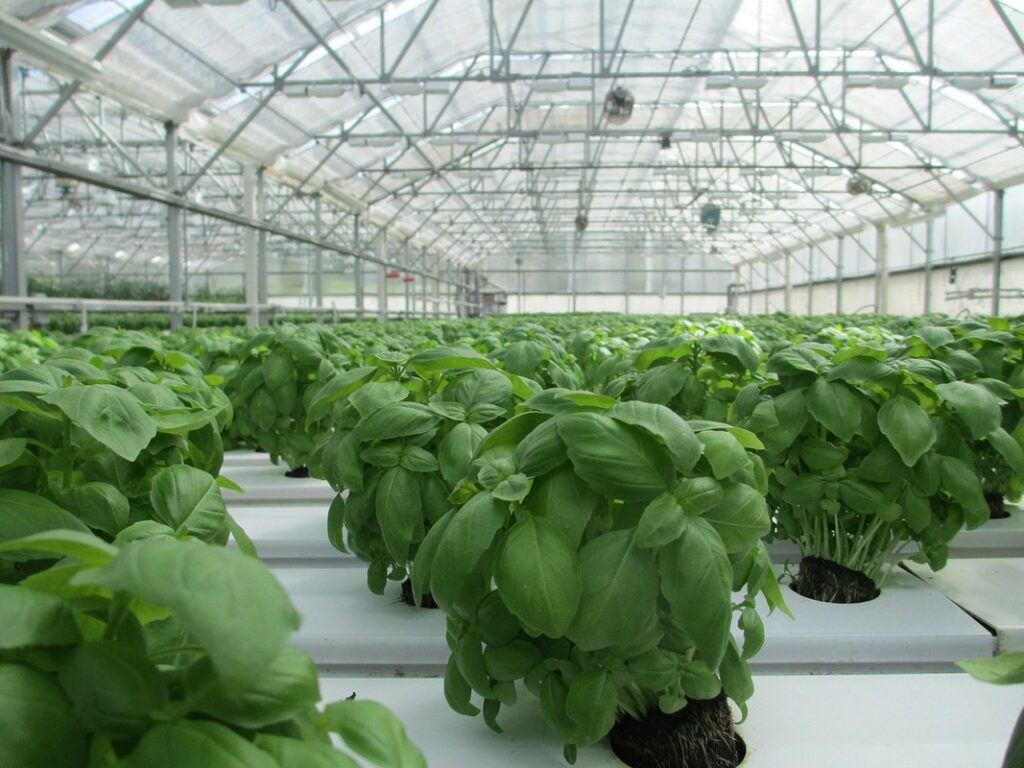
Understanding Hydroponics and Its Benefits
Hydroponic systems are a fascinating way to grow herbs, allowing for precise control over nutrients and water. Let’s explore how they work and the benefits that make them ideal for indoor gardens.
What is Hydroponics?
Hydroponics is a soilless cultivation method where plants grow in a nutrient-rich solution rather than in soil. This technique has been around for centuries, with evidence of ancient civilizations such as Egypt and China using it to grow crops. In modern times, hydroponics has become increasingly popular due to its ability to optimize plant growth and increase yields.
One of the key benefits of hydroponic gardening is its water efficiency. Since plants don’t require soil, they can absorb nutrients directly from the solution, minimizing waste and reducing the need for frequent watering. This method also allows for precise control over nutrient delivery, which can be especially beneficial for herbs that require specific pH levels.
Hydroponics has a wide range of applications, from small-scale home gardens to large commercial operations. It’s commonly used in greenhouses, indoor growing facilities, and even space exploration. For herb gardeners, hydroponics offers the opportunity to grow a variety of plants year-round, regardless of climate or soil conditions. By understanding how hydroponics works, you can start designing your own system and begin enjoying the benefits of this efficient and sustainable gardening method.
Advantages of Hydroponic Gardening for Herbs
Hydroponic gardening offers several advantages when growing herbs. One key benefit is increased yields, as hydroponics allows for more precise control over nutrient delivery and water usage. This results in healthier plants that grow faster and produce more foliage than their soil-based counterparts. For example, a study on basil grown using hydroponics showed a 30% increase in yield compared to traditional gardening methods.
Another significant advantage of hydroponic herb gardening is its water efficiency. Since plants receive precisely what they need, rather than being limited by the water-holding capacity of soil, hydroponics uses up to 90% less water than traditional farming methods. This makes it an attractive option for areas with limited water resources or for gardeners who want to minimize their environmental impact.
Reduced land use is also a significant benefit of hydroponic herb gardening. By growing herbs in vertically stacked systems or using space-saving containers, you can produce more plants in a smaller area than traditional gardening methods allow. This makes hydroponics ideal for small gardens, balconies, or indoor spaces where vertical growth is limited.
Hydroponic systems also reduce the need for pesticides and herbicides, creating a healthier environment for your herbs to grow.
Setting Up Your Hydroponic Herb Garden
To get started, you’ll need to set up a solid foundation for your hydroponic herb garden, including choosing the right equipment and preparing the growing space. This involves making some key decisions about your setup’s layout and functionality.
Choosing the Right System Type
When choosing a hydroponic system for your herb garden, you’ll want to consider three main types: NFT (Nutrient Film Technique), DWC (Deep Water Culture), and Ebb & Flow. Each has its own set of benefits and drawbacks.
NFT systems involve a continuous flow of nutrient-rich water through long, narrow channels where the roots grow. They’re ideal for leafy herbs like basil and mint, as they promote strong root growth and prevent overwatering. However, NFTs can be more expensive to set up and require precise temperature control.
DWC systems suspend plant roots in a reservoir of oxygenated water, providing a constant supply of nutrients. This setup is well-suited for herbs with deep taproots like parsley and rosemary. DWCs are relatively low-maintenance but can be more susceptible to root rot if not properly managed.
Ebb & Flow (Flood and Drain) systems involve a timed flooding cycle that immerses the roots in nutrient-rich water. This setup is great for herbs like cilantro and dill, which prefer moist soil conditions. Ebb & Flows are often considered beginner-friendly due to their simplicity but may require more frequent watering adjustments.
When deciding between these options, consider your specific herb choices, available space, and desired level of maintenance.
Essential Components for a Home Hydroponic Setup
To set up a basic hydroponic system for your herb garden, you’ll need the following essential components. First and foremost, you’ll require a reservoir to hold the nutrient-rich solution. This can be a plastic or glass container with a lid, and it’s crucial to choose one that’s specifically designed for hydroponics.
Next, you’ll need an air pump to provide oxygen to the roots of your plants. This is usually connected to an air stone that disperses the oxygen throughout the reservoir. A water pump is also necessary to circulate the nutrient solution through the system and deliver it to the plant’s roots.
Other crucial components include a growing medium, such as rockwool or clay pebbles, which provides support for the plants’ roots. You’ll also need a set of drippers or misters that deliver the nutrient solution directly to the roots. A pH test kit is essential for monitoring and adjusting the pH levels in your system.
A thermometer is also necessary to monitor water temperature, while a timer will allow you to automate the pumping process. This list provides a solid foundation for setting up a basic hydroponic system, but be sure to check the specific requirements for your chosen system type.
Selecting the Right Herbs for Your Garden
Choosing the right herbs can be overwhelming, especially when it comes to selecting varieties that thrive in hydroponic conditions. We’ll guide you through the process of picking the perfect herbs for your garden.
Popular Herb Varieties Suitable for Hydroponics
Many herbs thrive in hydroponic gardens, but some varieties require more attention than others. Basil, a popular choice for its sweet flavor and fragrance, grows well in hydroponics with temperatures between 65-75°F (18-24°C) and 12-14 hours of light per day. Cilantro, on the other hand, is sensitive to temperature fluctuations and requires precise pH management between 5.5-6.5.
Other popular herbs for hydroponic gardens include parsley, mint, and rosemary. Parsley grows best in slightly acidic conditions (pH 6.0-7.0) with moderate temperatures (60-70°F or 15-21°C). Mint can be invasive and requires regular pruning to maintain its shape, but it thrives in hydroponics with plenty of light (14-16 hours per day).
When choosing herbs for your hydroponic garden, consider their growth requirements and space constraints. Some herbs, like basil and mint, spread quickly and need more room to grow. Others, such as parsley and rosemary, can be grown closer together without crowding.
Some key characteristics of popular herb varieties in hydroponics include:
- pH tolerance: 5.5-7.0
- Temperature range: 60-75°F (15-24°C)
- Lighting requirements: 12-16 hours per day
- Growth habits: compact, spreading, or upright
These guidelines will help you select the best herbs for your hydroponic garden and ensure they receive the right conditions to thrive.
How to Choose the Perfect Herbs for Your Climate and Space
When selecting herbs for your hydroponic garden, it’s essential to consider the climate and available space. Some herbs thrive in hot temperatures, while others prefer cooler conditions. Basil and mint are popular choices that tolerate high temperatures, but they require more frequent watering to prevent root burn.
For cooler climates, herbs like parsley, cilantro, and dill do well. They’re also great options for indoor growing, as they don’t grow too large. If you have limited space, consider compact varieties like Thai basil or Genovese basil.
To determine which herbs will succeed in your climate, research their specific temperature requirements. Most herbs prefer daytime temperatures between 65°F to 75°F (18°C to 24°C) and nighttime temperatures around 55°F to 65°F (13°C to 18°C). If you live in an area with extreme temperatures, choose herbs that can tolerate these conditions.
Here are some general climate guidelines for popular herb varieties:
- Hot climates: Basil, mint, lemongrass
- Cool climates: Parsley, cilantro, dill
- Indoor growing: Thai basil, Genovese basil, parsley
Growing Conditions and Maintenance
To keep your hydroponic herb garden thriving, you’ll want to pay close attention to its growing conditions and maintenance needs, which we’ll cover next. This includes factors like temperature, humidity, and nutrient levels.
Optimizing Lighting for Herb Growth
When it comes to optimizing lighting for herb growth in hydroponics, the right spectrum, intensity, and duration are crucial. Most herbs require a balanced light spectrum with a mix of blue, red, and green wavelengths, but some varieties have specific needs.
For example, basil thrives under bright, warm LED lights that emit a high proportion of red light, while mint prefers cooler temperatures and more blue-rich lighting. Aim for an intensity of 20-40 watts per square foot to promote healthy growth without causing stress or burning the leaves.
Light duration also plays a significant role in herb growth. Most herbs require at least 14 hours of light per day, but some varieties may need as much as 18-20 hours. Be sure to adjust your lighting schedule according to the specific needs of your plants and their growth stage.
In general, aim for a balanced lighting cycle that includes:
- A period of intense lighting (usually in the morning)
- A shorter period of lower intensity lighting (usually in the evening)
- A darker period at night to allow the plants to rest
By paying attention to these factors, you can create an optimal lighting environment for your herb plants and promote healthy growth and development.
Water Quality and pH Management
Maintaining optimal water quality and pH levels is crucial for healthy herb growth in a hydroponic system. Hydroponics relies on nutrient-rich solutions, which can become imbalanced if not monitored regularly. Aim to maintain a pH range of 5.5-6.5, as this allows herbs to absorb nutrients efficiently.
If your pH level is too high or low, adjust it gradually with a pH adjustment kit. For example, adding 1/4 teaspoon of pH-down solution per gallon of water can help lower the pH by about 0.5 units. Conversely, adding a small amount of calcium hydroxide can raise the pH.
Regularly test your nutrient solution’s electrical conductivity (EC) to ensure it’s within the recommended range for your herb variety. Most hydroponic herbs require an EC between 1.2 and 2.5 millisiemens per centimeter (mS/cm). If your EC is too high or low, adjust the concentration of the nutrient solution accordingly.
Some common issues that can affect water quality include bacterial growth and nutrient depletion. To prevent these problems, change the nutrient solution every 7-10 days, and clean the system thoroughly before refilling it with fresh solution.
Troubleshooting Common Issues
As you tend to your hydroponic herb garden, unexpected problems can arise. This is where our troubleshooting guide comes in handy, addressing common issues and their quick fixes.
Identifying and Addressing Nutrient Deficiencies
Nutrient deficiencies are a common issue in hydroponic gardens, and if left unaddressed, can lead to stunted growth, reduced yields, and even plant death. To identify nutrient deficiencies, look for signs such as yellowing leaves, weak stems, or distorted growth patterns. These symptoms often manifest when a specific nutrient is lacking.
For example, if your herbs are showing signs of iron deficiency, you may notice interveinal chlorosis – yellowing between the leaf veins while the veins themselves remain green. This can be caused by an imbalance in the nutrient solution’s pH, which affects the plant’s ability to absorb certain nutrients.
To adjust the feeding schedule, start by checking your nutrient solution’s pH level and adjusting it accordingly. Most hydroponic systems use a general-purpose fertilizer that contains a balanced mix of NPK (nitrogen, phosphorus, potassium). However, some plants require additional micronutrients like iron, magnesium, or calcium. Monitor your herbs’ response to the current nutrient solution and adjust the feeding schedule as needed.
A common mistake is over-fertilizing, which can lead to nutrient burn and even kill your plants. To avoid this, start with a lower concentration of nutrients and gradually increase it based on your plants’ response.
Managing Pests and Diseases in Hydroponics
To prevent pests and diseases from taking over your hydroponic herb garden, it’s essential to implement integrated pest management (IPM) strategies. Start by monitoring your plants regularly for signs of infestation or infection, such as yellowing leaves, white powdery patches, or tiny insects crawling on the stems.
For pest control, use physical barriers like fine-mesh screens or row covers to prevent flying pests from reaching your crops. For example, you can cover your basil with a lightweight row cover to keep aphids at bay. Alternatively, introduce beneficial insects like ladybugs or lacewings that feed on common herb garden pests.
To combat diseases, maintain a clean and sanitized growing environment by regularly cleaning the system’s tubing and reservoirs with a 10% bleach solution. Additionally, ensure proper air circulation around your plants to prevent moisture buildup, which can foster fungal growth. Adjust the pH level of your nutrient solution according to the specific needs of each herb variety, as some are more susceptible to diseases at certain pH levels.
Some common pests in hydroponic herb gardens include spider mites, mealybugs, and aphids, while root rot, powdery mildew, and downy mildew are common diseases. By being proactive and taking a multi-faceted approach to pest and disease management, you can minimize the risk of damage to your crops.
Tips for Advanced Growers and Expanding Your Garden
Now that you’ve mastered the basics of hydroponic herb gardening, it’s time to take your skills to the next level. This is where you’ll find expert advice on advanced techniques and expanding your garden.
Scaling Up Your Hydroponic Herb Garden
When expanding your hydroponic herb garden from a small-scale setup to larger, more complex systems, several factors come into play. First and foremost, consider the root system of your plants. As you increase plant density, roots can become intertwined, leading to reduced growth rates and increased disease susceptibility. Implementing a trellis or a vertical growing system can help mitigate this issue by providing more space for root development.
Another crucial aspect is nutrient management. Larger systems require more precise control over pH levels, EC (electrical conductivity), and nutrient dosing. Investing in a high-quality water pump and a reliable nutrient delivery system will simplify the process of adjusting these parameters as needed. Additionally, think about how you’ll handle increased water usage and waste. Consider installing a recirculating system or implementing an efficient irrigation schedule to minimize water loss.
Some growers also find it beneficial to implement a tiered growing approach, where smaller plants are placed above larger ones. This not only maximizes space but also reduces the risk of disease transmission between plants.
Experimenting with New Techniques and Varieties
When it comes to taking your hydroponic herb garden to the next level, experimenting with new techniques and varieties can be a great way to boost growth rates, improve yields, and add some excitement to your cultivation routine. Consider incorporating aeroponics into your setup – this method involves misting plant roots with nutrient-rich solution rather than submerging them in water. By doing so, you can increase oxygenation of the roots and reduce moisture-related issues.
Another innovative technique worth exploring is LED lighting. High-intensity LEDs can provide tailored spectrum options for specific herb varieties, enhancing photosynthesis and growth rates. For instance, basil benefits from blue-rich light to promote leafy growth, while mint thrives under red-dominant spectra that encourage root development.
Don’t be afraid to introduce novel herb varieties into your garden either. Some popular alternatives include Thai basil, lemongrass, and rosemary – all of which can tolerate the unique conditions of a hydroponic setup. When introducing new herbs, ensure they are compatible with your existing system’s nutrient profile and adjust as necessary to avoid any potential stress or deficiencies.
Frequently Asked Questions
Can I Use Regular Potting Soil in a Hydroponic System?
Yes, it’s not recommended to use regular potting soil in a hydroponic system because it can compact and prevent roots from growing. Instead, use a soilless medium like coco coir or rockwool that allows for optimal root growth.
What If I Notice Mold Growing on My Hydroponic Equipment?
If you notice mold growing on your hydroponic equipment, stop using the affected components immediately to prevent further contamination. Clean and sanitize all surfaces with a solution of 1 part bleach to 10 parts water before reassembling the system.
How Do I Balance Nutrient Levels in a DWC System During Harvest Season?
During harvest season, adjust nutrient levels by gradually increasing the dose over time to avoid shocking plants. Monitor pH and adjust accordingly, taking into account the specific needs of your herb varieties and growth stages.
Can I Grow Herbs in a Hydroponic System Indoors Without Any Natural Light?
Yes, you can grow herbs indoors without natural light using LED grow lights specifically designed for hydroponics. Choose lights with a spectrum tailored to herb growth (typically 400-700nm) and adjust intensity based on plant requirements.
Is It Possible to Use Recirculating Nutrient Solution in a Small-Scale Home Hydroponic System?
Yes, recirculating nutrient solution can be used in small-scale home hydroponic systems. Monitor water quality closely and maintain optimal pH levels (5.0-6.5) to prevent nutrient deficiencies and root damage.