
Harvesting high-quality chamomile flowers requires careful timing and technique. If you’re growing chamomile for herbal remedies, teas, or essential oils, knowing when to harvest is crucial to ensure the best flavor and potency. Chamomile’s popularity as a calming herb has led many gardeners to cultivate it in their own gardens, but without proper knowledge of harvesting and processing, the resulting products can be inferior. In this article, you’ll learn how to harvest chamomile flowers at the right stage of bloom, dry them effectively to preserve their properties, and process them into a range of herbal remedies, teas, and essential oils that meet your quality standards. By following these best practices for growing, timing, and handling chamomile, you can enjoy a bountiful harvest and create high-quality products for yourself or others.
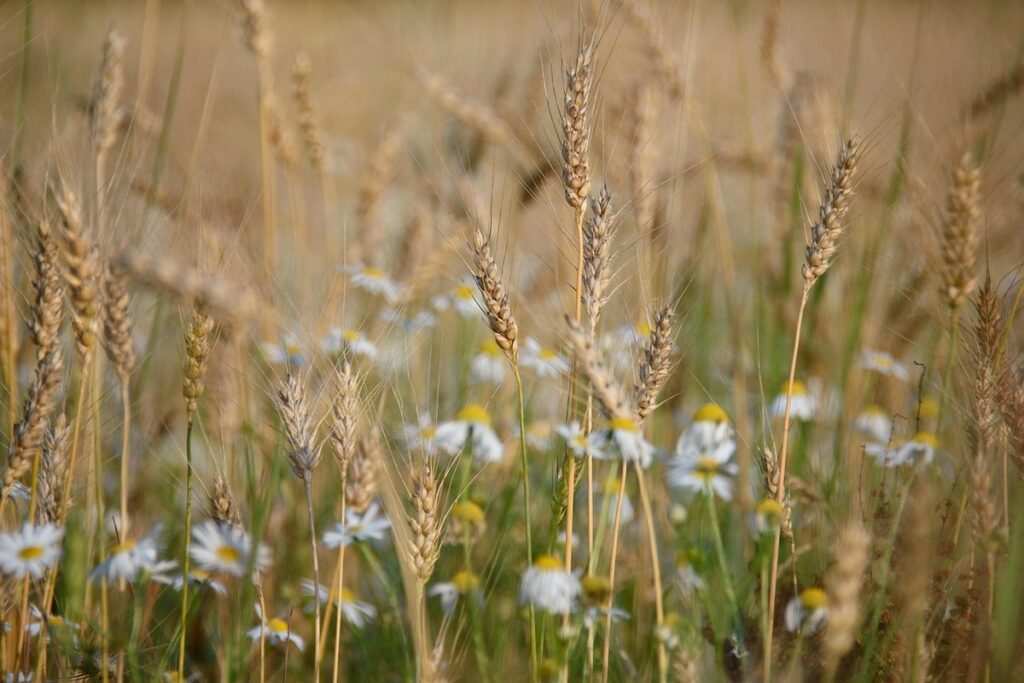
Understanding Chamomile and Its Uses
Chamomile is often used for its calming effects, but did you know it’s also a versatile herb with multiple uses? Let’s take a closer look at what makes chamomile so valuable.
Brief History of Chamomile
Chamomile has a rich history dating back to ancient civilizations. The plant’s soothing properties and medicinal uses were first documented by the Egyptians around 1500 BCE. They used chamomile as a calming agent, treating anxiety, insomnia, and even skin conditions. The Greeks and Romans also valued chamomile for its healing properties, often using it in cooking, medicine, and even as an offering to the gods.
In traditional herbalism, chamomile was considered a sacred plant with numerous uses beyond its medicinal properties. It was used in rituals and ceremonies to promote relaxation, reduce stress, and bring balance to the body. The plant’s calming effects were also utilized in perfumery and cosmetics. During the Middle Ages, chamomile became a staple in European apothecaries, where it was used to treat a range of ailments from fever to digestive issues.
As trade routes expanded, chamomile spread throughout Europe, becoming a popular ingredient in teas, salves, and ointments. Today, chamomile remains one of the most widely cultivated and consumed herbs globally. Understanding its ancient significance highlights the importance of respecting traditional practices when cultivating and harvesting this versatile plant.
Types of Chamomile
German chamomile (Matricaria chamomilla) and Roman chamomile (Anthemis nobilis) are the two main types of chamomile. German chamomile is a hardy annual, commonly grown for its apothecary-grade essential oil production. It thrives in cooler temperatures and has a more bitter, earthier flavor profile.
Roman chamomile, on the other hand, is a perennial herb with a sweeter, apple-like aroma. This type of chamomile prefers warmer climates and well-drained soil. When harvesting German chamomile for tea or infusions, it’s essential to choose the correct stage of maturity – too early and the flowers may not have reached full potency.
When deciding which type of chamomile to grow, consider your desired use and climate conditions. For example, if you’re looking for a milder flavor, Roman chamomile might be the better choice. In contrast, German chamomile is often preferred for its medicinal properties due to its higher apigenin content. By understanding these differences, you can optimize your harvest to meet specific needs.
Both types of chamomile have unique characteristics that impact their cultivation and harvesting. For instance, Roman chamomile typically requires more frequent pruning than German chamomile, which can grow quite tall if left unattended.
Benefits and Medicinal Properties
Chamomile has been extensively studied for its numerous benefits and medicinal properties. The herb’s anti-inflammatory effects have been shown to be particularly effective in reducing anxiety and stress levels. In fact, a study published in the Journal of Clinical Pharmacy and Therapeutics found that chamomile extract significantly improved sleep quality in patients with insomnia. This is due in part to the presence of apigenin, an antioxidant compound that binds to GABA receptors in the brain, promoting relaxation.
Chamomile’s antioxidant properties also make it a valuable tool for soothing skin irritations and wounds. The herb contains a range of flavonoids and phenolic acids that have been shown to reduce inflammation and promote tissue repair. In practice, this means that chamomile can be used topically to treat eczema, acne, and other inflammatory conditions.
When harvesting chamomile for medicinal use, it’s essential to prioritize the quality and potency of the herb. This involves selecting plants with high levels of apigenin and other beneficial compounds, as well as using gentle drying methods to preserve these properties. By doing so, you can ensure that your harvested chamomile is not only effective but also safe for consumption or topical use.
Preparing for Harvest
Before you can bring home those beautiful blooms, it’s essential to prepare your chamomile crop for harvest by evaluating its maturity and choosing the perfect time to pick. Let’s look at how to assess when your chamomile is ready.
Choosing the Right Location
When selecting a location for chamomile cultivation, it’s essential to consider factors like climate, soil type, and sunlight exposure. Chamomile thrives in temperate regions with moderate temperatures between 60°F to 80°F (15°C to 27°C). Avoid areas prone to extreme heat, frost, or drought.
Optimal soil conditions include well-draining, fertile ground with a pH range of 6.0 to 7.0. Chamomile can tolerate a wide range of soils but performs best in loamy or sandy loams. When assessing sunlight exposure, ensure the area receives at least four hours of direct sunlight per day.
In regions with harsh winters, consider growing chamomile as an annual crop. In milder climates, it may be possible to grow chamomile as a perennial. To promote healthy growth and prevent erosion, choose a location with gentle slopes or level ground.
When evaluating potential locations, look for areas with minimal wind exposure. Strong winds can damage the plants and reduce yields. Consider factors like soil quality, sunlight patterns, and climate conditions to ensure an optimal environment for your chamomile crop. By carefully selecting a suitable location, you’ll set your harvest up for success.
Timing and Weather Considerations
When determining the optimal time for chamomile harvest, it’s essential to consider weather patterns and temperature fluctuations. Most chamomile varieties thrive in temperate climates with moderate temperatures between 60°F to 80°F (15°C to 27°C). Avoid harvesting during extreme heat or cold snaps, as this can cause the flowers to wilt or become damaged.
Lunar cycles also play a role in chamomile harvest timing. Many farmers and herbalists swear by harvesting during the full moon, when the plant’s energy is said to be at its peak. However, there’s no scientific evidence to support this claim, so it ultimately comes down to personal preference and experience.
Monitor local weather forecasts to plan your harvest accordingly. A gentle rain or overcast skies can make the flowers easier to dry and process, but avoid harvesting during heavy downpours or prolonged periods of wet weather. Typically, the best time for chamomile harvest is early morning, when the dew has evaporated and the flowers are at their driest. This helps prevent moisture-related issues during processing and storage.
Tools and Equipment Needed
A sturdy drying rack is essential for air-drying chamomile flowers to preserve their potency and flavor. Look for a rack with multiple tiers and adjustable arms to accommodate varying sizes of bouquets. Wire racks are ideal, as they allow for good airflow and can be easily disassembled for storage.
You’ll also need containers or baskets for storing the dried flowers. Airtight glass jars or paper bags lined with parchment paper work well. Label each container with its contents and date to ensure you use the oldest stock first.
For harvesting in wet conditions, consider investing in a portable drying tray with a waterproof cover. This will help protect your flowers from moisture damage while allowing them to dry quickly. Additionally, you may need a small pruning tool for trimming stems and a soft-bristled brush for removing any debris or excess foliage from the dried flowers.
When selecting storage containers, ensure they are clean and dry before use. It’s also essential to store your dried chamomile in a cool, dark place, away from direct sunlight and heat sources.
Harvesting Techniques
To properly harvest chamomile, you’ll want to focus on hand-picking individual flowers at the peak of their potency and aroma. This technique ensures maximum flavor and medicinal properties in your dried blooms.
Hand-Picking vs. Machine-Harvesting
When it comes to harvesting chamomile flowers, farmers and producers have two primary options: hand-picking and machine-harvesting. Hand-picking involves manually plucking the flowers from the plant, often using a small basket or container to collect them. This method is typically more labor-intensive but allows for greater precision and control over the quality of the harvest.
On the other hand, machine-harvesting uses mechanical equipment to cut and collect the chamomile flowers in bulk. While this approach can be faster and more efficient, it may not be suitable for all types of chamomile or farm layouts. Machine-harvesting can also lead to a higher risk of damage to the plants and decreased quality of the harvest.
One key consideration when choosing between hand-picking and machine-harvesting is the type of chamomile being grown. For example, German chamomile (Matricaria chamomilla) tends to be more suited for machine-harvesting due to its larger blooms and easier-to-handle stems. In contrast, Roman chamomile (Anthemis nobilis) may require hand-picking due to its smaller flowers and more delicate nature.
Ultimately, the decision between hand-picking and machine-harvesting will depend on factors such as farm size, equipment availability, and desired quality of the harvest.
Selective Harvesting Methods
Selective harvesting involves carefully choosing which parts of the chamomile plant to harvest, at what stage of maturity, and how much to take. This approach allows for targeted collection of flowers, stalks, or leaves, depending on the desired end product.
For flower production, individual blooms are typically picked when they’re fully open and still retain their color and fragrance. Using a pair of clean scissors or pinchers, snip off the flower head near its base to avoid damaging the stem. Alternatively, you can harvest entire stalks with multiple buds, allowing for more efficient collection.
Consider harvesting chamomile flowers at different stages to cater to various applications. For instance, younger blooms are often used in teas and infusions where a milder flavor is desired, while more mature flowers are suitable for essential oil extraction due to their higher apigenin content.
When selecting stalks, factor in the plant’s overall maturity and leaf density. Thicker stalks with more leaves may be better suited for dried flower arrangements or potpourri production, whereas slender stalks with fewer leaves might be ideal for fresh flower bouquets. By adopting a selective harvesting approach, you can preserve the quality of your chamomile crop while maximizing its potential uses.
Post-Harvest Handling and Storage
Proper cleaning is essential to prevent contamination and preserve the quality of freshly harvested chamomile. Gently brush off any loose dirt or debris from the flowers, stems, and leaves using a soft-bristled brush. Next, rinse the harvest with clean water to remove any remaining impurities. Use a fine-mesh strainer or cheesecloth to gently squeeze out excess moisture.
Dry the cleaned chamomile as soon as possible to prevent mold and bacterial growth. There are several methods for drying chamomile, including air-drying, machine drying, and dehydrating. Air-drying involves tying the harvest in small bunches and hanging them upside down in a warm, dry, dark area with good airflow. Machine drying uses a low-temperature setting to preserve the delicate essential oils.
When storing dried chamomile, keep it away from direct sunlight, moisture, and heat sources. Use airtight containers or paper bags to maintain freshness and protect against pests. Label the containers with the date of harvest and storage instructions to ensure proper handling throughout the year. Store the containers in a cool, dry place, such as a cupboard or pantry.
Processing and Drying
Now that you’ve carefully harvested your chamomile flowers, it’s time to focus on processing them into a usable form. This involves drying the delicate blooms to preserve their potency and quality.
Cleaning and Drying Methods
Air-drying is a common and effective method for drying chamomile flowers. Simply tie the stems together in small bunches and hang them upside down in a warm, dry area with good air circulation. This method can take several days to a week, depending on the humidity level and the thickness of the flower heads.
For faster results, you can use an oven or food dehydrator set at a low temperature (around 100°F). Place the chamomile flowers in a single layer on the trays and ensure good air circulation. Check on them periodically to prevent overdrying. Freeze-drying is another option, which involves freezing the flowers and then removing the moisture using a vacuum pump.
When air-drying or oven-drying, it’s essential to maintain a consistent temperature between 95°F and 105°F to prevent mold growth. Keep an eye out for signs of drying, such as brittle stems and dry, crumbly flower heads. Freeze-drying typically yields a higher-quality product with better flavor and aroma retention.
To ensure the best results from any drying method, monitor the flowers’ moisture content using a hygrometer or by observing their texture and appearance.
Infusions and Tea Production
To create high-quality infusions and teas from dried chamomile, consider the following factors. First, the ideal water temperature for steeping chamomile is between 95°F and 105°F (35°C to 40°C). This allows the delicate volatile oils to infuse into the liquid without becoming bitter or astringent.
When it comes to steeping time, most herbal tea blends suggest allowing the chamomile to steep for 5-7 minutes. However, this can vary depending on personal taste preferences and the desired strength of the infusion. A general rule of thumb is to start with a shorter steeping time (3-4 minutes) and adjust to taste.
Another consideration when producing high-quality infusions and teas is the ratio of dried chamomile flowers to water. A typical starting point is 1 tablespoon of dried flowers per 8 oz cup of water, but this can be adjusted based on individual preferences. Finally, it’s essential to use high-quality water that’s free from impurities and additives, as these can affect the flavor and aroma of the final product.
Some herbal tea producers also experiment with different steeping methods, such as cold-brewing or short-term infusions, to bring out unique characteristics in their chamomile blends.
Essential Oil Extraction
Essential oil extraction from dried chamomile flowers requires careful consideration to ensure quality and purity. The first step is to choose a suitable solvent, typically steam distillation or cold pressing. Steam distillation involves passing high-pressure steam through the dried flowers, releasing the essential oils into the air, where they are then cooled and collected. This method is considered more effective for chamomile due to its delicate nature.
Cold pressing, on the other hand, uses a mechanical process to extract the oil from the plant material. However, this method can be more time-consuming and may not produce as high-quality oils. Regardless of the chosen method, it’s essential to follow good manufacturing practices (GMPs) to maintain the integrity of the oil.
The quality of the dried flowers also plays a significant role in the extraction process. Dried chamomile that has been properly stored and handled will yield higher-quality essential oils compared to material that has undergone degradation. A typical ratio for essential oil production from chamomile is around 0.5-1%, although this can vary depending on factors such as climate, soil quality, and harvesting techniques.
Marketing and Sales Considerations
When planning a chamomile harvest, it’s essential to consider how your crop will impact sales and marketing efforts down the line. Effective strategies can make all the difference in your business success.
Identifying Target Markets
When it comes to selling chamomile products, understanding your target markets is crucial for success. You’ll want to consider health food stores as a prime market for whole herbs and loose-leaf teas, as these customers are likely already familiar with the benefits of dried flowers.
Spas and wellness centers are another key demographic, particularly for high-end essential oils and infused products. These businesses often use chamomile in their treatments and may be interested in purchasing wholesale. Consider reaching out to local spas or attending industry events to establish relationships.
Online retailers can also provide a significant revenue stream, especially if you’re selling smaller quantities of dried flowers or tea bags. However, keep in mind that these platforms typically have strict product guidelines and regulations, so be sure to research their requirements before listing your products.
When deciding which markets to prioritize, consider the unique needs and preferences of each group. For example, health food stores may require bulk packaging, while spas might need custom labeling or specialized packaging for their treatments. By understanding these nuances, you can tailor your products and marketing strategies to effectively reach and engage with your target audiences.
Pricing Strategies and Profit Margins
When pricing chamomile products, it’s essential to balance competition with profitability. You can start by researching industry standards and comparable product prices. For example, a batch of dried organic chamomile flowers might retail for $5-7 per ounce, while high-end or specialty varieties could command up to $15 per ounce.
To determine your own pricing strategy, consider the production costs, including labor, equipment, and land expenses. You may also want to factor in the cost of any certifications, such as organic or fair trade designations. A general rule of thumb is to aim for a 30-50% profit margin on each sale.
Another crucial aspect is identifying your target market’s willingness to pay. If you’re selling to wholesalers or retailers, they may be looking for lower prices and higher volume discounts. In contrast, consumers buying directly from the farm or through online channels might be more willing to pay a premium for high-quality, specialty chamomile products. Consider offering tiered pricing structures or loyalty programs to reward repeat customers and incentivize referrals.
Branding and Packaging Options
When it comes to branding and packaging chamomile products, you have a range of eco-friendly options available. Consider using biodegradable or recyclable materials for bags, boxes, and other packaging components. This not only reduces waste but also appeals to environmentally conscious consumers who are increasingly seeking sustainable products.
Customized labeling can help differentiate your brand and communicate the unique qualities of your chamomile harvest. You might include details about the farm-to-table process, the region where the chamomile was grown, or any notable characteristics of the crop. For example, you could highlight the presence of a specific terpene profile or the use of organic farming methods.
If you plan to sell online, consider packaging that is both visually appealing and functional. Clear windows can showcase the product’s color and texture, while resealable bags make it easy for customers to reuse their chamomile tea or tincture. In terms of branding, think about using natural dyes or inks to create a consistent look across all your packaging materials.
Some popular eco-friendly packaging options include:
• Compostable bags made from plant-based materials
• Recycled paper packaging with minimal waste
• Customized labels printed on recycled paper or biodegradable ink
Frequently Asked Questions
Can I harvest chamomile in areas with high humidity and frequent rain?
Yes, you can still harvest chamomile in humid climates, but be prepared for potential mold growth during drying. Consider using desiccants or drying racks specifically designed to handle high-humidity environments.
How do I store dried chamomile flowers long-term without them losing potency?
To maintain the quality and effectiveness of your dried chamomile, store it in airtight containers made from materials like glass or ceramic. Keep them away from direct sunlight and moisture, and consider labeling the storage containers with the date of harvest.
Is it necessary to use essential oils extracted from chamomile for medicinal purposes?
While high-quality essential oils can be beneficial, they are not always necessary for medicinal purposes. Dried chamomile flowers or infusions can also provide relief from anxiety and insomnia. The choice between essential oils and dried flowers depends on the specific application and desired outcome.
What if I accidentally harvest chamomile during a full moon? Will it affect its potency?
The timing of harvest in relation to lunar cycles has been debated among herbalists, but there is no conclusive evidence that it significantly impacts the potency of chamomile. Focus more on factors like climate, soil quality, and proper drying techniques for optimal results.
Can I use a combination of German and Roman chamomile for teas and infusions?
Yes, blending different types of chamomile can create unique flavor profiles and potential benefits. However, be mindful that each type has its own characteristics, and the balance between them may affect the final product’s efficacy and taste.

