
Cilantro enthusiasts often struggle with its fleeting presence in gardens, as pests and diseases can quickly ruin even the healthiest crop. However, companion planting can be a game-changer for cilantro growers. By pairing cilantro with specific plants, you can improve growth rates, deter pesky insects, and even enhance the flavor of your harvest. But not all companion plants are created equal – some may actually hinder cilantro’s progress or attract unwanted pests. In this comprehensive guide, we’ll explore the best companion plants for cilantro and how to use them effectively in your garden. Whether you’re a seasoned gardener or just starting out, you’ll learn how to create an ideal environment for cilantro to thrive, from repelling aphids with marigolds to pairing basil for a burst of fresh flavor. By the end of this article, you’ll know exactly which companion plants to use and how to get the most out of your cilantro crop.
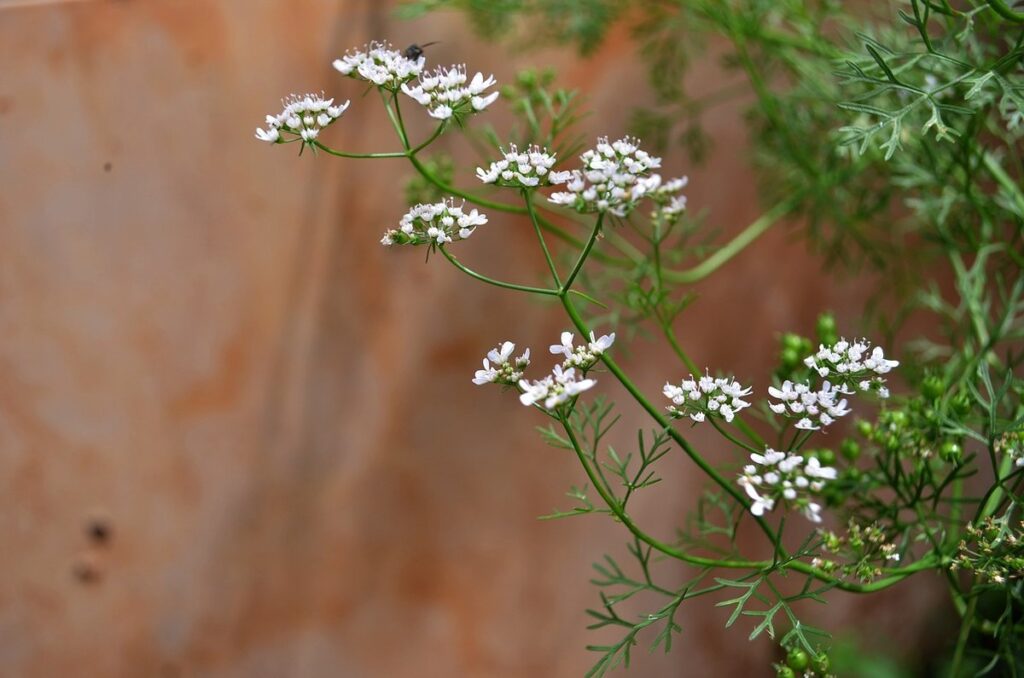
Understanding Cilantro’s Needs
To grow cilantro successfully, you need to understand its specific needs and preferences when it comes to companion planting. Let’s examine the characteristics that make some plants perfect neighbors for cilantro.
Soil Requirements for Healthy Cilantro
Cilantro prefers well-draining soil to prevent root rot and promote healthy growth. This means avoiding waterlogged areas and using raised beds if necessary. A fertile soil with a pH between 6.0 and 7.0 is ideal for cilantro, as it can tolerate slight acidity but will perform poorly in extremely alkaline conditions.
If your soil falls outside this pH range, you can amend it by adding organic matter such as compost or well-rotted manure. This not only adjusts the pH but also improves soil structure and fertility. Most garden soils benefit from a 2-inch layer of compost on top of the existing soil, which provides essential nutrients and beneficial microbes.
Aim to maintain a consistent moisture level in the soil, neither too dry nor waterlogged. Cilantro is sensitive to overwatering, so ensure good drainage by incorporating organic matter like perlite or sand into the soil. By creating an optimal growing environment with well-draining, fertile soil, you’ll be giving your cilantro plants the best chance to thrive and produce a bountiful harvest.
Avoiding Common Cilantro Pests and Diseases
Cilantro is susceptible to various pests and diseases that can significantly impact its growth and flavor. Among the most common culprits are aphids, spider mites, and root rot. These issues often arise from poor soil quality, inadequate watering, or excessive humidity.
Preventative measures include maintaining good air circulation around your cilantro plants by spacing them at least 6 inches apart. This will help reduce the likelihood of fungal diseases like powdery mildew, which thrives in humid conditions. Regularly inspecting your plants for signs of pests and diseases can also help catch issues early on.
When it comes to root rot, ensure that your soil drains well and avoid overwatering. Most commercial potting mixes are formulated to prevent waterlogged soils. If you’re using a homemade mix, add some perlite or sand to improve drainage. Some beneficial nematodes can be introduced into the soil to help control root-dwelling pests.
If an infestation does occur, use neem oil or insecticidal soap as a gentle and targeted solution. Avoid broad-spectrum pesticides that may harm beneficial insects and pollinators. Keep in mind that some companion plants, such as basil and dill, are known to repel aphids naturally.
Choosing Companion Plants for Cilantro
When selecting companion plants for cilantro, consider those that repel pests and attract beneficial insects to promote healthy growth and minimize damage.
Some popular options include basil, dill, and mint.
Repellent Companion Plants: Determing Pests Naturally
Basil is a natural repellent for aphids, whiteflies, and spider mites – pests commonly found on cilantro. Its strong scent, particularly when combined with its oil compounds linalool and eugenol, deters these insects from feeding on cilantro leaves. Planting basil nearby can be an effective way to reduce infestations.
Mint is another herb that repels aphids, as well as spider mites and thrips. Its strong minty aroma confuses these pests, making it difficult for them to locate the cilantro plants. However, be cautious not to let mint spread aggressively, as it can outcompete cilantro for resources.
Lemongrass is a natural insecticide that repels nematodes, a microscopic worm that attacks cilantro roots. Its oil compounds limonene and citral have been shown to deter these pests without harming beneficial insects like bees or butterflies. When planting lemongrass alongside cilantro, ensure it’s not too crowded to allow for proper air circulation.
These herbs’ repellent properties can be attributed to their volatile oils, which are released into the air as a defense mechanism against predators. By introducing them near your cilantro plants, you can create a natural barrier that keeps pests at bay without harming beneficial insects.
Attracting Beneficial Insects with Companion Plants
Attracting beneficial insects with companion plants is a key strategy to support cilantro’s growth and flavor. Certain plants, such as marigold and nasturtium, are known to attract pollinators like bees and butterflies that help pollinate cilantro flowers. This process not only enhances the plant’s yield but also improves its overall health.
Some examples of beneficial insects attracted by companion plants include lacewings, which feed on aphids and whiteflies, and parasitic wasps, which prey on pests like spider mites and thrips. These natural predators help maintain a balanced ecosystem around cilantro, reducing the need for pesticides.
Marigold is an excellent example of a companion plant that attracts beneficial insects. Its bright yellow and orange flowers are rich in nectar, making them a favorite among pollinators. Planting marigold alongside cilantro can increase its yield by up to 20% while also repelling nematodes, which can harm the plant.
When selecting companion plants for this purpose, consider those that bloom at different times to provide a constant source of nectar and pollen throughout the growing season. This will attract beneficial insects consistently, supporting the health and productivity of your cilantro crop.
Plant Combinations for Enhanced Growth
To maximize cilantro’s growth potential, we’ll explore three dynamic plant combinations that will take your herb garden to the next level, naturally. These pairings enhance flavor and promote healthy growth in no time.
Nitrogen-Fixing Companion Plants for Cilantro
Growing legumes like beans, peas, or clover alongside cilantro can significantly improve soil fertility. These nitrogen-fixing plants have nodules on their roots where bacteria convert atmospheric nitrogen into a form that’s accessible to the plant. This process enriches the surrounding soil with nitrogen, reducing the need for synthetic fertilizers and promoting healthy microbial activity.
Cilantro benefits from the increased nutrient availability, leading to enhanced growth and flavor. For example, bush beans (Phaseolus vulgaris) are an excellent choice as they grow relatively close to the ground and don’t compete with cilantro for space or resources. They fix nitrogen in about 3-4 months, providing a continuous supply of nutrients.
When pairing legumes with cilantro, consider planting them together at the beginning of the growing season. This allows the legumes to establish themselves before cilantro is planted nearby. Make sure to plant the legumes at least 6-8 inches away from the eventual cilantro growth zone to prevent overcrowding and ensure proper air circulation.
Some popular options for nitrogen-fixing companion plants include:
- Bush beans (Phaseolus vulgaris)
- Garden peas (Pisum sativum)
- White clover (Trifolium repens)
Companion Plants that Improve Soil Structure
Comfrey and dandelion are two exemplary companion plants that improve soil structure and fertility, ultimately benefiting cilantro growth. Comfrey, with its extensive root system, acts as a fertilizer plant by drawing nutrients from the subsoil and depositing them on the surface through its leaves. This process enriches the topsoil, making essential micronutrients available to the cilantro roots.
Dandelion, on the other hand, is known for its deep taproot that breaks up compacted soil, allowing water and air to penetrate more easily. As dandelion decays, it adds organic matter to the soil, enhancing its overall fertility and structure. These changes have a positive impact on cilantro growth by reducing transplant shock and promoting healthy root development.
When incorporating comfrey or dandelion into your cilantro garden, consider planting them as a living mulch around the base of the cilantro plants. This approach allows for efficient nutrient cycling and minimizes weed competition. Simply harvest the comfrey leaves periodically to use as a fertilizer-rich mulch, or allow the dandelions to bloom and then remove their flowers to redirect energy towards root growth.
The Role of Foliage in Companion Planting
Foliage plays a crucial role in companion planting, and understanding its effects can help you create a harmonious garden ecosystem for your cilantro. This section explores how different leafy companions interact with cilantro.
Using Tall Companion Plants for Shade
When cilantro is grown in warm temperatures, it’s prone to heat stress, which can lead to bolting – a sudden flowering that compromises its flavor. Tall companion plants can provide essential shade for cilantro, reducing the risk of heat stress and promoting healthy growth. Sunflowers are an excellent example: their towering stalks create a natural canopy, filtering intense sunlight and keeping the soil cooler.
Corn is another effective option; its tall ears block direct sunlight from reaching the cilantro leaves. By planting these sun-blocking companions alongside your cilantro, you can enjoy a bountiful harvest without sacrificing flavor. Consider pairing them with smaller plants like basil or dill to create a diverse, thriving ecosystem. To maximize the benefits of this setup, ensure that the tall companion plants are at least 3-4 feet taller than the cilantro to provide sufficient shade.
When selecting tall companions for your cilantro crop, be mindful of their mature height and spread to avoid overcrowding. This will prevent competition for resources like water and nutrients, which can negatively impact both the tall and short plants involved.
Incorporating Climbing Companion Plants for Space Efficiency
When choosing companion plants to boost cilantro’s growth and flavor, it’s essential to consider space efficiency. Vining plants like cucumbers and squash can be trained to grow up trellises or other supports, making the most of available space. These climbing companions can be pruned regularly to encourage vertical growth, allowing for multiple harvests without taking over the entire bed.
Incorporate a trellis or obelisk into your cilantro planting design to provide a framework for these vining plants to climb. Train the stems by gently twining them around the support and securing with clips or soft ties. As the plant grows, prune back long vines to encourage bushy growth and prevent shading of the surrounding area.
Some popular climbing companion options include peas, beans, and even nasturtiums. These plants not only add visual interest but also provide additional benefits like pest control and improved soil health. By strategically incorporating these vining companions into your cilantro bed, you can maximize space, reduce labor, and enjoy a more productive harvest. When selecting climbing companions, choose varieties that are compact or dwarf-sized to avoid overwhelming the area.
Advanced Companion Planting Strategies
To take your cilantro companion planting to the next level, we’ll explore more complex techniques that require some planning and experimentation to achieve optimal results. These advanced strategies involve pairing cilantro with multiple plants for maximum benefit.
Using Companion Plants in Hydroponic Systems
In a hydroponic system, companion planting can be especially effective when carefully selected to complement cilantro’s needs. This method requires choosing crops that not only thrive in the nutrient-rich water but also contribute positively to the environment around the cilantro. When selecting compatible crops for a hydroponic setup, consider factors like growth habits and root structures.
For instance, marigold and basil are good companion plants for cilantro in hydroponics because they repel nematodes, which can harm cilantro’s roots. Marigold releases chemicals that deter these microscopic pests, while basil’s fragrance helps keep other pests at bay. To manage pests effectively in a hydroponic system, use physical barriers or introduce beneficial insects like ladybugs to control aphid populations.
In terms of managing space and promoting healthy growth, compact crops such as mint and parsley can be used alongside cilantro. These plants have shallow roots that don’t compete with cilantro for nutrients, allowing them to coexist in the same hydroponic system. When choosing companion plants for a hydroponic setup, prioritize those that are naturally resistant to diseases and pests common to cilantro, ensuring a more balanced and resilient ecosystem.
Companion Planting for Specific Cilantro Varieties
When it comes to cilantro varieties, not all respond equally well to companion planting. For instance, ‘Santo’ and ‘Dutch’ are known for their vigor and can benefit from being paired with plants that help control pests like aphids and spider mites. Planting dill or chives nearby can help deter these pests and promote healthy growth.
On the other hand, ‘Slow Bolt’ cilantro is more sensitive to temperature fluctuations and requires a bit more care in terms of companion planting. To mitigate this sensitivity, consider pairing it with plants like nasturtiums or calendula, which can provide some shade and protection from extreme temperatures.
Another consideration is the growth habit of different cilantro varieties. ‘Florida Broadleaf’ has a more sprawling habit than other types, making it ideal for being paired with taller companion plants that can provide shade and suppress weeds. Options like beans or peas are good choices, as they’ll help keep the area around the cilantro tidy.
Some examples to consider include:
- Pairing ‘Santo’ with dill or chives
- Planting nasturtiums or calendula with ‘Slow Bolt’
- Combining ‘Florida Broadleaf’ with beans or peas
Troubleshooting Companion Planting Issues
Sometimes companion planting doesn’t go as planned, and pests or diseases can still affect your cilantro crop. We’ll tackle some common issues and their solutions to get you back on track.
Addressing Potential Conflicts Between Companion Plants
When combining companion plants with cilantro, it’s essential to consider potential conflicts between them. One common issue is competition for resources such as water and nutrients. For example, if you pair cilantro with a nitrogen-fixing legume like beans or peas, the legumes may outcompete the cilantro for water and nutrients, leading to stunted growth.
Another concern is allelopathy, where one plant releases chemicals that inhibit the growth of another. Cilantro can be susceptible to allelopathic effects from plants like dill and fennel, which release chemicals that can slow down or even kill cilantro seedlings. To mitigate this risk, you can intersperse these plants further apart or use a barrier between them.
In some cases, companion plants may even attract pests that target cilantro. For instance, if you plant basil near cilantro, the basil’s fragrance can attract aphids and other pests that prey on cilantro leaves. To minimize conflicts like these, research each potential companion plant’s characteristics and needs before combining it with your cilantro.
When introducing new plants to a cilantro bed, consider grouping similar species together. This can help create microhabitats within the garden where resources are allocated more efficiently.
Common Mistakes to Avoid in Companion Planting
When implementing companion planting strategies with cilantro, it’s easy to make mistakes that can hinder growth or even harm plants. One common error is over-planting, which can lead to overcrowding and reduced air circulation between individual plants. This can create an environment where pests and diseases thrive. To avoid this, ensure you leave sufficient space between companion plantings – typically a minimum of 6-8 inches for small herbs like cilantro.
Another mistake is failing to research the specific growing requirements of each companion plant. For instance, some nitrogen-fixing plants like beans or peas require support structures that can compete with cilantro’s needs. Make sure to choose companion plants that won’t outcompete your cilantro or create space constraints. It’s also essential to consider the mature size of both the companion plant and cilantro.
When combining companion plants, avoid mixing those with similar growth habits or requirements. This can lead to conflicts for resources like water, sunlight, or nutrients. For example, don’t pair a tall sunflower with cilantro if it will overshadow your herb. By being mindful of these potential issues, you can create harmonious and beneficial relationships between companion plants and enhance your cilantro’s growth and flavor.
Frequently Asked Questions
What if I already have cilantro growing in my garden? Can I start companion planting now?
You can definitely start companion planting with existing cilantro plants. Simply choose the right companion plants for your specific climate and soil conditions, and follow the guidelines outlined in this article to ensure a smooth transition.
How long does it take to see the benefits of companion planting on cilantro growth?
The effects of companion planting can be seen within 1-2 weeks after planting, but optimal results usually take around 4-6 weeks. This allows the beneficial plants to establish themselves and start providing their desired benefits to the cilantro.
Can I use companion planting for specific pest problems? For example, if my cilantro is being attacked by aphids?
Yes. Companion planting can be a targeted solution for specific pest problems. By choosing companion plants that repel or attract beneficial insects against pests like aphids, you can create a more balanced ecosystem in your garden.
What about companion planting when growing hydroponically? Are there any special considerations?
When using companion planting in hydroponics, it’s essential to choose crops that thrive in hydroponic conditions and won’t compete with the cilantro for resources. Also, ensure proper nutrient management and pH control to maximize the benefits of your chosen companion plants.
How do I know which companion plants are best suited for my specific climate and region?
Consult local nurseries, gardening experts, or online resources to determine which companion plants are most suitable for your area’s climate and soil conditions. This will help you choose plants that can thrive alongside your cilantro in its new environment.
