
Dairy farming has been a cornerstone of Indiana’s agricultural industry for generations, with thousands of family-owned farms producing high-quality milk and dairy products. However, like many rural communities across the country, Indiana’s dairy farmers are facing a range of challenges, from fluctuating market prices to environmental concerns and shifting consumer preferences. The Hoosier State is home to some of the most productive dairy farms in the nation, but as industry trends evolve and global demand for sustainable products grows, it’s clear that these operations must adapt to remain viable. In this article, you’ll explore the complex history and current state of dairy farming in Indiana, including best practices for ensuring profitable and sustainable operations amidst a rapidly changing landscape, ultimately learning how to navigate the key challenges facing Indiana’s dairy farmers today.
History of Dairy Farming in Indiana
Indiana’s dairy farming history dates back to the early 19th century, when European settlers brought their cattle-raising traditions to the state. The industry has since evolved over generations of farm families and technological advancements.
Early Development of Dairy Farming
Indiana’s dairy farming industry has its roots in the early 19th century, when European immigrants arrived with their cattle and knowledge of dairy practices. The state’s fertile soil and temperate climate made it an ideal location for livestock grazing and milk production. One notable milestone was the establishment of the first commercial dairy farm in 1816 by John Jacob Astor’s American Fur Company near present-day Fort Wayne.
As more immigrants arrived, particularly from Switzerland and Germany, they brought with them their expertise in cheese-making and butter-churning techniques. These skills were in high demand, and local markets quickly sprang up to supply the growing urban population with fresh dairy products. The introduction of railroads in the 1850s further facilitated the transportation of milk and dairy goods, making Indiana’s dairy industry increasingly viable.
The state’s first agricultural colleges, such as Purdue University, also played a crucial role in promoting innovative dairy farming practices and providing training for new farmers. By the late 1800s, Indiana had become one of the top dairy-producing states in the country, with many farms adopting modern equipment and techniques to increase efficiency and productivity.
Influence of European Immigrants
European immigrants played a pivotal role in shaping Indiana’s dairy industry. Many of these immigrants came from areas such as Switzerland, Germany, and the Netherlands, where dairy farming was an integral part of their culture and economy. They brought with them their expertise in breeding high-quality dairy cattle, developing efficient milking systems, and creating traditional cheeses.
One notable example is the Amish community, who settled primarily in northern Indiana. Their focus on self-sufficiency and traditional practices allowed them to maintain a strong connection to their European heritage while adapting to the new environment. The Amish emphasis on quality milk production and cheese-making contributed significantly to the growth of the dairy industry.
The influence of these immigrants can still be seen today, with many modern-day dairy farms in Indiana continuing to use techniques and breeds brought over from Europe. For instance, some farmers have adopted the Swiss Brown Swiss breed, prized for its high-quality milk production and hardiness. By embracing their European roots, these farmers have been able to build on a rich legacy of expertise, ultimately contributing to the state’s reputation as a major dairy producer.
Current State of Dairy Farms in Indiana
Indiana dairy farms are a vital part of the state’s agricultural landscape, employing thousands and producing billions of pounds of milk each year. Here, we’ll take a closer look at their current operations and challenges.
Size and Structure of Modern Dairy Farms
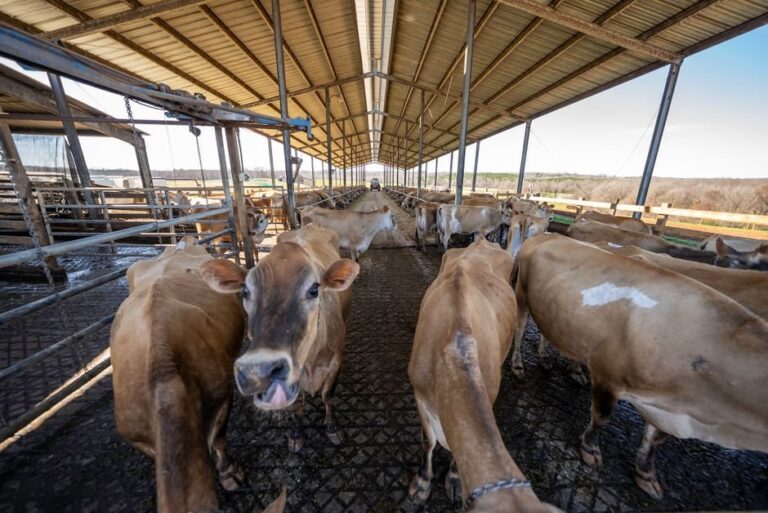
Modern dairy farms in Indiana have undergone significant changes in size and structure over the years. One notable trend is consolidation, where smaller farms are being acquired by larger operations. This shift has led to a decrease in the number of small-scale dairy farms, with many now operating as large-scale, high-tech facilities. According to data from the USDA, the average herd size in Indiana has increased significantly, from around 50 cows per farm in the early 2000s to over 150 today.
As a result, modern dairy farms are becoming increasingly complex operations that require significant investments in infrastructure and technology. This includes large-scale barns, automated milking systems, and advanced manure management systems. While these changes can improve efficiency and productivity, they also raise concerns about the impact on rural communities and the environment. For example, a study by Purdue University found that consolidation has led to job losses in rural areas, as well as increased greenhouse gas emissions from larger farms.
Large-scale dairy operations often have multiple farms under their umbrella, allowing for greater economies of scale and more efficient management. However, this can also lead to a loss of local control and decision-making power among farmers.
Types of Dairy Farms (e.g., Organic, Specialty)
Organic dairy farms are a growing segment of the industry in Indiana. These farms adhere to strict guidelines set by the USDA’s National Organic Program, prohibiting the use of synthetic fertilizers and pesticides. Instead, organic dairy farmers rely on natural methods to maintain soil health and control pests. Some examples of organic practices include crop rotation, composting, and using cover crops to reduce erosion.
Specialty dairy farms are another type of operation in Indiana, often focusing on specific products like cheese or yogurt. These farms may have unique production processes or equipment that allow them to create high-quality, distinctive products. For instance, some specialty farms use traditional techniques passed down from European cultures to produce artisanal cheeses with complex flavor profiles.
Small-scale dairy farms are also prevalent in the state. Typically operating on a smaller land base and with fewer animals than larger commercial operations, these farms often prioritize direct sales to consumers through farmers’ markets or on-farm stores. By focusing on local distribution channels, small-scale dairy farmers can build strong relationships with their customers and maintain control over their products from start to finish.
Challenges Facing Dairy Farmers in Indiana
Dairy farmers in Indiana face a unique set of challenges that can impact their operations and profitability, from changing consumer demands to unpredictable weather patterns. We’ll take a closer look at these hurdles.
Economic Pressures and Market Fluctuations
Market fluctuations can significantly impact dairy farmers’ profitability in Indiana. The global demand for milk and dairy products varies with seasonality, geographical region, and economic conditions. For instance, during periods of high demand, such as summer months when consumers prefer cold beverages, prices tend to rise. Conversely, low demand during winter months or economic downturns can lead to decreased revenue.
Feed costs are another significant economic pressure on Indiana’s dairy farmers. Corn, soybeans, and hay are primary feed components for dairy cattle. However, fluctuations in global crop yields and export demands can drive up feed prices. According to the US Department of Agriculture (USDA), corn prices have historically averaged around $3 per bushel; however, spikes above $5 per bushel have been known to occur.
Regulatory requirements also impose economic burdens on dairy farmers in Indiana. Compliance with federal and state regulations regarding water quality, manure management, and animal welfare can be costly. For example, upgrading infrastructure to meet environmental standards or implementing new feeding practices may require significant investments of time and resources.
Environmental and Sustainability Concerns
Water pollution is a significant environmental concern for dairy farmers in Indiana. Manure from large herds can overflow into nearby waterways, causing excessive nutrient levels and algae blooms. The state’s agricultural activities contribute to over 90% of its waterway pollution. To mitigate this issue, many dairy farms have implemented manure management systems that incorporate anaerobic digesters or lagoons with proper design and maintenance.
Greenhouse gas emissions are another pressing concern for the industry. Livestock production accounts for around 20-30% of global anthropogenic methane emissions. Indiana’s dairy farmers can reduce their carbon footprint by adopting rotational grazing practices, which promote soil health and increase the efficiency of nutrient use. Additionally, using cover crops in off-seasons helps to sequester carbon in soils.
Dairy farming also raises concerns about land use practices. The conversion of natural habitats to agricultural land contributes to biodiversity loss and habitat fragmentation. In Indiana, dairy farmers can adopt sustainable practices such as integrating organic amendments into their soil management strategies or planting buffer strips along waterways to minimize the impact on wildlife habitats.
Best Practices for Dairy Farming in Indiana
To produce high-quality milk and maintain a sustainable dairy farm, it’s essential to implement efficient practices that prioritize animal welfare and environmental stewardship. Effective management techniques are key to success in Indiana’s dairy industry.
Animal Welfare and Nutrition Standards
The American Humane Association’s guidelines for dairy farms emphasize the importance of providing access to clean water at all times, as well as a comfortable and stress-free environment. This includes adequate space for animals to move around and rest, as well as protection from extreme temperatures and weather conditions. A good rule of thumb is to ensure that calves have separate areas for feeding and sleeping to prevent overcrowding.
When it comes to feeding regimens, dairy farmers in Indiana should prioritize a diet rich in high-quality hay and grains. The National Dairy Board recommends providing cows with at least 25-30% of their daily ration as fiber from high-fiber feeds such as alfalfa or other legumes. A balanced diet can also be achieved through the use of supplements, but these should be used judiciously to avoid over-supplementation.
Some farms in Indiana are also adopting more progressive feeding strategies, including rotational grazing and mob stocking. These methods not only promote better animal welfare but also improve pasture health and reduce the risk of disease. By prioritizing animal welfare and nutrition standards, dairy farmers can not only ensure a higher quality product for consumers but also maintain a sustainable and profitable operation in the long term.
Manure Management and Waste Reduction Strategies
Successful dairy farmers in Indiana employ a range of effective manure management and waste reduction strategies to minimize their environmental impact. One key approach is implementing anaerobic digesters, which break down organic matter and produce biogas that can be used for electricity generation or heat production. For example, the Farm at the Four Seasons in Shipshewana has successfully integrated an anaerobic digester into its operation.
Another strategy is using composting toilets, which reduce water usage and minimize wastewater generation. The Indiana-based dairy farm, Maple Lane Dairy, has installed composting toilets for its workers’ quarters, significantly reducing its water consumption.
Regular manure testing and monitoring are also essential to maintaining optimal nutrient levels in the soil. This allows farmers to adjust their application rates accordingly, preventing over-fertilization that can lead to water pollution. Additionally, incorporating cover crops into crop rotations helps to absorb excess nutrients and prevent erosion.
Key practices for effective manure management include:
• Regular testing of manure for nitrogen, phosphorus, and potassium levels
• Adjusting application rates based on test results
• Incorporating cover crops into crop rotations to absorb excess nutrients
Emerging Trends and Opportunities
As we explore the dairy farm industry in Indiana, it’s essential to consider the emerging trends that are shaping its future. New technologies and innovations are transforming the way these farms operate and produce milk.
Innovation in Dairy Technology and Equipment
Automated milking systems have become increasingly popular among dairy farms in Indiana, improving efficiency and reducing labor costs. These systems use computerized sensors to monitor cow health and detect when they are ready for milking. Once a cow is milked, the system cleans and prepares it for the next milking cycle.
Precision agriculture techniques also play a significant role in modern dairy farming. By leveraging data from sensors, drones, and satellite imaging, farmers can optimize crop yields, minimize waste, and reduce environmental impact. For example, some Indiana farms use drone-mounted cameras to monitor cow behavior, detect heat stress, and identify areas for improvement.
Another innovation gaining traction is robotic milkers with automatic cup removers. These machines help maintain cleanliness and hygiene standards while also reducing the risk of disease transmission. Implementing these technologies can be costly upfront, but they often lead to significant long-term savings on labor and resources. When selecting a technology, farmers should consider factors such as ease of use, maintenance requirements, and compatibility with existing infrastructure.
Growing Demand for Specialty and Artisanal Products
Consumers are increasingly seeking unique dairy products that reflect local flavors, traditions, and high-quality production methods. This growing demand for specialty and artisanal products presents opportunities for Indiana dairy farmers to diversify their offerings and tap into a lucrative market.
Indiana’s rich dairy heritage provides a natural fit for artisanal and specialty products. The state’s Amish communities have long been known for their traditional cheese-making techniques, which are now gaining popularity among mainstream consumers. Similarly, some Indiana dairy farms are experimenting with unique flavor profiles, such as lavender or maple, to create distinctive cheeses that appeal to adventurous eaters.
To capitalize on this trend, farmers can consider partnering with local food manufacturers or restaurants to develop and market their specialty products. This collaboration can help reduce production costs and increase distribution channels. For instance, a dairy farm might produce a high-end cheese for a local upscale restaurant, which would then promote the product to its customers, driving demand for more.
Some notable examples of artisanal dairy products gaining traction in Indiana include:
• Smoked cheeses infused with local spices
• Artisanal yogurt with unique flavor combinations
• Handcrafted ice cream made from farm-fresh cream
These innovative products not only cater to consumer preferences but also provide a competitive edge for Indiana dairy farmers.
Frequently Asked Questions
Can I start a small-scale dairy farm in Indiana with minimal investment?
Yes, it’s possible to start a small-scale dairy farm in Indiana with limited resources. Many successful dairy farmers began with modest operations and expanded as their businesses grew. Consider partnering with local organizations or seeking guidance from experienced dairy farmers to get started.
How do I manage manure on my small dairy farm effectively without breaking the bank?
Effective manure management involves regular monitoring, proper storage, and efficient application methods. You can implement simple techniques like composting or using cover crops to reduce waste and minimize environmental impact. Consider consulting with a local extension agent for specific advice tailored to your operation.
What if I’m not an experienced dairy farmer – can I still transition my farm to organic production?
Yes, transitioning to organic production is achievable even without extensive experience in dairy farming. However, it requires meticulous planning, record-keeping, and adherence to strict guidelines. Start by evaluating your current operations, identifying areas for improvement, and seeking guidance from certified organic experts or consultants.
How do I balance the increasing demand for specialty and artisanal dairy products with my existing farm infrastructure?
To meet growing demand for specialty and artisanal products, consider diversifying your product line, investing in new equipment, or collaborating with other local producers to share resources. You may also need to adapt your marketing strategy to effectively promote niche products to a wider audience.
Can I use precision agriculture technologies on my dairy farm without breaking the bank?
While implementing precision agriculture technologies can be expensive upfront, they often lead to long-term cost savings and increased efficiency. Start by assessing your current operations, identifying areas where technology can make a significant impact, and exploring financing options or government incentives for adopting innovative farming practices.

