
Texas is a vast and varied state, with climates ranging from scorching desert to humid subtropical. This diversity presents both challenges and opportunities for farmers growing crops here. Major row crops like cotton, corn, and wheat are staples of Texas agriculture, but the state’s unique conditions also make it an ideal place for specialty fruits and nuts like citrus, grapes, and pecans. With expert advice on cultivation techniques and market trends, you’ll learn how to navigate the complexities of growing these crops in different regions of Texas. From irrigation strategies to pest management, this article will cover the key considerations for each crop type, helping you make informed decisions about which varieties to grow and how to optimize your yields. By the end of this guide, you’ll be able to identify the best crops for your specific Texas climate and soil conditions.
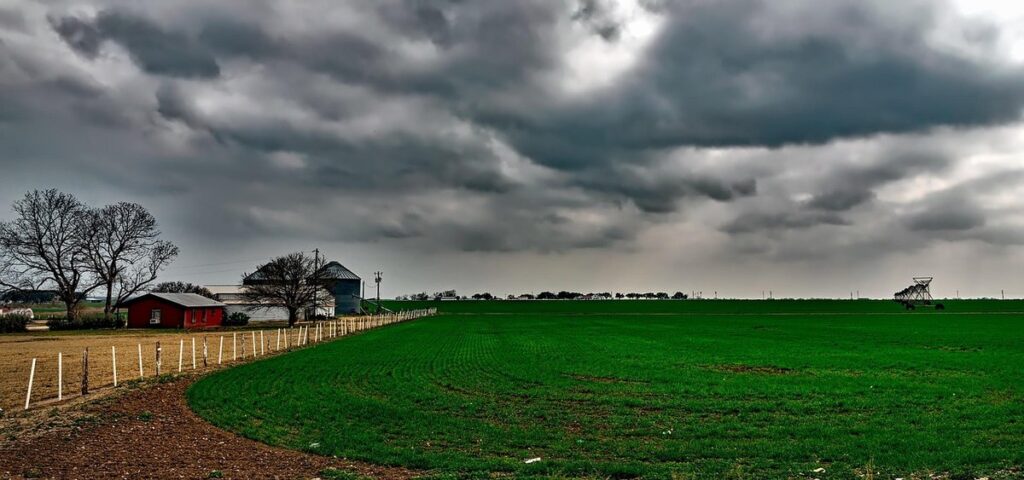
Climate and Soil Conditions for Crop Growth
Texas farmers face a range of climate and soil conditions that can either boost or hinder crop growth, depending on the specific type of plant. Understanding these conditions is crucial to growing crops successfully in the state.
Understanding Texas’s Unique Climate Zones
Texas’s climate is often misunderstood as being uniformly hot and dry. However, the state is actually comprised of several distinct climate zones, each with its own unique characteristics. The Panhandle region has a semi-arid climate, with cold winters and warm summers that are ideal for growing crops like wheat and cotton.
The South Plains have a humid subtropical climate, with hot summers and mild winters. This region is well-suited for growing row crops like corn and soybeans. In contrast, the Gulf Coast region has a humid tropical climate, with high humidity and moderate temperatures year-round. Crops that thrive in this area include sugarcane and citrus fruits.
The Hill Country and East Texas have a temperate climate, with mild winters and hot summers. This region is ideal for growing specialty crops like blueberries and blackberries. The Trans-Pecos region has a desert climate, with very little rainfall and extreme temperature fluctuations. Crops that can tolerate these conditions include pecans and agave.
Understanding these distinct climate zones is crucial for farmers to choose the right crops for their area and optimize yields. By selecting crops that are adapted to the local climate, farmers can reduce stress on their plants and increase overall productivity.
Types of Soils Found in Texas
Texas’s diverse geography and geology have given rise to several distinct soil types. The state’s soils can be broadly categorized into four main groups: Blackland Prairie Soils, Grand Prairie Soils, Coastal Plains Soils, and Edwards Plateau Soils.
Blackland Prairie Soils are the most fertile in Texas, with a slightly acidic pH range of 6.0-7.0 and high levels of phosphorus and potassium. These soils are well-suited for growing crops like cotton, corn, and soybeans. However, their high water-holding capacity can lead to waterlogging during heavy rainfall events.
Grand Prairie Soils, found in the western part of the state, have a slightly alkaline pH range of 7.0-8.0 and low levels of phosphorus and potassium. These soils are often used for grazing livestock due to their poor fertility.
Coastal Plains Soils are acidic with a pH range of 5.0-6.0 and high levels of organic matter. They are ideal for growing crops like sugarcane, blueberries, and strawberries.
Edwards Plateau Soils have a slightly alkaline pH range of 7.0-8.0 and low levels of phosphorus and potassium. These soils are often used for dryland farming due to their limited water-holding capacity.
Common Crops Grown in Texas
You’ll find that some of the most popular crops grown in Texas are those that thrive in its warm and dry climate, such as cotton, corn, and wheat. Let’s take a closer look at these staple crops.
Major Row Crops in Texas Agriculture
Texas’s row crops are primarily cultivated on large-scale farms, with cotton being the leading crop in terms of production and economic value. Cotton requires a long growing season, well-drained soil, and full sun to thrive, making the South Plains region an ideal location for its cultivation. Corn is another major row crop grown in Texas, often used as livestock feed or processed into ethanol.
Wheat is also widely cultivated in Texas, with most of it being hard red winter wheat, which is planted in the fall and harvested in the spring. The crop requires a specific climate and soil profile to produce high yields, including adequate moisture during the winter months and well-drained soils for planting.
Market demand drives the cultivation of these row crops, with cotton being a major export crop for Texas. Corn and wheat are primarily used domestically, supplying local livestock feedlots and food processors. The state’s warm climate and rich soil make it an ideal location for growing these crops on a large scale.
Specialty Crops for Texas’s Mild Winters
Texas’s mild winters create an ideal environment for growing a variety of specialty crops. Citrus fruits like oranges, lemons, and limes thrive in the state’s warm winters, requiring minimal chill hours to produce fruit. Grape cultivation is also well-suited to Texas’s climate, with many varieties able to ripen during the winter months.
Strawberries are another popular choice for Texas growers, as they can be harvested year-round due to the mild winters and springs. In fact, strawberries are one of the top-grossing specialty crops in the state, with some producers earning upwards of $10,000 per acre. To maximize revenue from strawberry cultivation, growers should focus on high-yielding varieties like ‘Camarosa’ or ‘Fern’.
Other crops that benefit from Texas’s mild winters include avocados and figs. Both trees prefer warm temperatures and well-drained soil, making them well-suited to the state’s climate. Avocado production is particularly lucrative in Texas, with some growers earning upwards of $5 per pound for fresh fruit. To succeed in growing specialty crops like these, it’s essential to choose varieties that are well-suited to your specific region and provide optimal growth conditions.
Fruits Grown in Texas
From juicy peaches to succulent strawberries, Texas is home to a diverse range of delicious fruits that grow well in its warm climate. Let’s take a closer look at some of the most popular ones.
Native and Introduced Fruit Species
Texas’s diverse climate supports a wide range of fruit species, both native and introduced. Native fruits like wild plums (Prunus umbellata) are common in East Texas’s woodlands, while introduced species have become increasingly popular for their flavor and nutritional value.
Introduced fruit species, such as blueberries (Vaccinium corymbosum) and blackberries (Rubus argutus), thrive in Texas’s mild winters. These fruits require careful management to produce well, including regular watering and fertilization. Blueberries, for example, need acidic soil and consistent moisture levels.
Some popular native fruit species include the Texas persimmon (Diospyros texana) and the muscadine grape (Vitis rotundifolia). These fruits are often used in jams, jellies, and other preserves. Introduced fruit species like peaches (Prunus persica) and nectarines (Prunus persica var. nectarina) also grow well in Texas’s warm climate.
When selecting fruit trees or shrubs for your garden, consider the specific growing conditions required by each species. Be sure to choose varieties that are resistant to common pests and diseases in your area.
Commercial Fruit Production in Texas
Texas’s commercial fruit production is a significant sector within the state’s agriculture industry. To produce high-quality fruits, Texas farmers employ various orchard management practices, including pruning, irrigation, and fertilization. Pest control is another crucial aspect of commercial fruit production in Texas. Farmers use integrated pest management (IPM) techniques to minimize chemical usage while maintaining crop yields.
Texas fruit growers also focus on staying up-to-date with market trends. The demand for fresh produce varies by season, with peak demand typically occurring during summer months when consumers seek out locally grown fruits like peaches and blueberries. To capitalize on this trend, many Texas farmers participate in farmers’ markets or establish direct-to-consumer sales channels.
Some notable commercial fruit crops in Texas include citrus fruits (oranges, grapefruits), stone fruits (peaches, plums), and berries (strawberries, blackberries). When choosing the right fruit variety for their farm, growers consider factors like climate resilience, disease susceptibility, and market demand. By carefully balancing these elements, Texas farmers can optimize their commercial fruit production operations and remain competitive in the state’s agriculture industry.
A well-managed orchard typically receives regular maintenance tasks every 4-6 weeks during peak growing periods. Some of these routine checks include inspecting for signs of pests or diseases, adjusting irrigation systems as needed, and pruning trees to promote healthy growth.
Vegetables Grown in Texas
Texas is home to a diverse range of vegetables, from leafy greens like lettuce and spinach to warm-season crops like okra and squash. Let’s take a closer look at some of the most popular ones.
Leafy Greens and Brassicas for Texas Gardens
Leafy greens and brassicas are some of the most versatile and nutritious crops for Texas gardens. Lettuce, spinach, kale, and collard greens thrive in the state’s mild winters and can be harvested year-round with minimal protection from frost. These cool-season crops prefer well-draining soil and full sun to partial shade.
Broccoli, cauliflower, and cabbage are also excellent choices for Texas gardeners, as they tolerate light frosts and continue to produce throughout the winter months. To ensure optimal growth, plant these brassicas in the fall or early spring when temperatures range from 40°F to 70°F (4°C to 21°C).
For leafy greens and brassicas to yield their best, it’s essential to provide them with adequate moisture and nutrients. Texas gardeners can achieve this by incorporating compost into the soil before planting and maintaining consistent watering schedules. Most varieties of lettuce and spinach mature in as little as 20-30 days, while broccoli and cauliflower take around 50-60 days to reach harvest.
Aim for at least six hours of direct sunlight per day for optimal growth. Some popular leafy green and brassica varieties include ‘Rouge d’Hiver’ lettuce, ‘Tyee’ spinach, ‘Deep Purple’ broccoli, and ‘Snow Crown’ cauliflower. By following these guidelines and choosing the right variety for your region, you can enjoy a bountiful harvest of delicious leafy greens and brassicas in your Texas garden.
Warm-Season Vegetables for Texas’s Hot Summers
When it comes to growing vegetables in Texas’s hot summers, choosing the right varieties is crucial for success. Tomatoes, peppers, and okra are popular choices because they thrive in the state’s warm climate. To ensure optimal growth, gardeners must prioritize irrigation management. Vegetables like tomatoes and okra require consistent moisture, especially during fruiting stages. A drip irrigation system or soaker hose can help deliver water directly to the roots, reducing evaporation and runoff.
However, Texas’s hot summers also bring unique pest challenges. Tomato hornworms and aphids are common pests that feed on leaves and damage plants. Regular monitoring and hand-picking can be effective control methods for small infestations. For larger issues, introduce beneficial insects like ladybugs or lacewings to your garden. These natural predators will help control pest populations.
In addition to irrigation management and pest control, selecting heat-tolerant varieties is essential. Look for hybrid or open-pollinated varieties specifically bred for warm climates. Some examples include ‘Heat Wave’ tomatoes, ‘Patio’ peppers, and ‘Clemson Spineless’ okra. By choosing the right vegetables and using effective irrigation and pest management strategies, gardeners can enjoy a bountiful harvest in Texas’s hot summers.
Nuts Grown in Texas
From pecans to walnuts, Texas is home to a diverse range of nut trees that thrive in its climate. Let’s take a closer look at some of the most notable ones.
Pecans: A Native Texas Nut Crop
Pecans are one of the most widely cultivated nut crops in Texas. Native to the state’s eastern regions, pecan trees (Carya illinoinensis) have been a staple crop for centuries. There are over 500 varieties of pecan trees, but some popular ones grown in Texas include ‘Stuart’, ‘Desirable’, and ‘Elliot’. These trees require full sun and well-drained soil with a pH between 6.0 and 7.0 to thrive.
Pecans need a chill hour requirement of around 600-800 hours to break dormancy, making them suitable for Texas’s mild winters. However, they are sensitive to frost damage and should be protected during harsh winter conditions. In terms of market demand, pecans are in high demand globally due to their rich nutritional profile and versatility in cooking.
Texas is one of the top pecan-producing states in the country, with the majority being exported to countries like China, Mexico, and Canada. Pecan farmers can benefit from joining cooperatives or selling directly to processors to maximize profits. By following proper cultivation practices and staying up-to-date on market trends, Texas pecan growers can capitalize on this lucrative crop.
Other Nut Crops for Texas’s Diverse Climate
Texas’s diverse climate allows for a range of nut crops to thrive beyond pecans. Walnuts, in particular, have shown promise in the state’s more temperate regions. They require well-drained soil and full sun, making them suitable for areas with similar conditions to those found in Central Texas. Hazelnuts are another option, although they’re less commonly grown due to their specific cooling requirements.
Pistachios, typically associated with California’s dry climate, have also been experimented with in Texas. While they can tolerate the state’s hot summers, they require a long growing season and consistent moisture levels. This might be challenging for some regions, but those with suitable microclimates could reap significant benefits.
It’s essential to consider these nut crops’ specific needs when deciding which ones to grow. For instance, walnuts need regular pruning to maintain their shape and promote healthy growth. Hazelnuts, on the other hand, require cross-pollination to produce viable nuts. Pistachios demand a specific chill hour threshold to break dormancy.
While not as widely grown as pecans, these nut crops have potential for Texas’s agricultural industry. With careful planning and attention to their unique requirements, farmers can explore new revenue streams and diversify their crop portfolios.
Frequently Asked Questions
How Long Does It Take for Pecan Trees to Mature?
Pecan trees typically take around 7-10 years to mature from planting, but this can vary depending on factors like climate, soil quality, and pruning practices. Regular maintenance and proper care can help ensure optimal growth and nut production.
Can I Grow Tropical Fruit Like Mangoes or Pineapples in Texas’s Hot Summers?
While Texas has a hot summer climate, it may not be suitable for growing tropical fruit like mangoes or pineapples. These plants typically require high humidity and temperatures above 64°F (18°C) to thrive. If you’re interested in growing exotic fruits, consider alternatives that are more adaptable to Texas’s climate.
What Are Some Common Pests or Diseases Affecting Crops in Texas?
Some common pests affecting crops in Texas include aphids, whiteflies, and spider mites. As for diseases, cotton root rot and powdery mildew can be significant issues. Regular monitoring and using integrated pest management (IPM) techniques can help mitigate these problems.
How Do I Determine the Best Variety of Fruit or Nut Tree for My Specific Region Within Texas?
To determine the best variety of fruit or nut tree for your region, consider factors like climate zone, soil type, and moisture levels. Research specific varieties that have been proven to thrive in your area, and consult with local nurseries, extension agents, or gardening experts for guidance.
Can I Grow Vegetables Year-Round in Texas Using Greenhouses or Indoor Growing Systems?
Yes. While Texas’s hot summers can be challenging for outdoor vegetable growth, greenhouses and indoor growing systems can provide a controlled environment for year-round production. Consider using hydroponics, LED grow lights, or other advanced techniques to optimize your crop yields and extend the growing season.
