
Texas is often synonymous with vast open ranges and cattle drives, but its agricultural landscape extends far beyond ranching. The state’s rich soil and favorable climate have made it an ideal place for growing a wide range of crops, from cotton to corn and wheat. But Texas agriculture isn’t just about producing raw materials; it’s also about water management, as irrigation systems and drought-resistant crops are crucial in this arid region. With the effects of climate change becoming increasingly apparent, innovative farmers are turning to cutting-edge technologies like precision agriculture and regenerative practices to boost crop yields while reducing their environmental footprint. This article will explore the complex world of Texas agriculture, from its storied past to its forward-thinking present, helping you understand the industry’s biggest trends and innovations.
History and Evolution of Texas Agriculture
Texas agriculture has a rich history that spans centuries, from its early beginnings as a small-scale industry to its current status as a thriving multibillion-dollar sector. We’ll take a closer look at how it all evolved over time.
Early Settlement and Agricultural Development
The early history of agriculture in Texas is closely tied to the arrival of Native American tribes and European settlers. Before the arrival of Europeans, various tribes such as the Caddo, Comanche, and Kiowa cultivated crops like corn, beans, and squash using simple tools made from stone and wood. These early agricultural practices were often seasonal, with crops planted during the spring and summer months.
When European settlers arrived in the 18th century, they brought new farming techniques and technologies that would eventually shape the industry. The Spanish established the first missions in East Texas, which included farms for growing corn, wheat, and other crops. These early settlements laid the foundation for the agricultural practices that would become characteristic of Texas.
As European settlement expanded westward, cattle ranching became a significant part of the state’s economy. Ranchers like Stephen F. Austin established large spreads in Central Texas, raising longhorn cattle and establishing a thriving beef industry. The combination of these early farming and ranching practices set the stage for the development of modern Texas agriculture.
Impact of Major Events on Texas Agriculture
Major events have significantly impacted Texas agriculture over the years. Wars like the Mexican-American War brought an influx of new land and resources to the state, leading to increased agricultural production. However, conflicts also disrupted supply chains and labor forces, causing temporary setbacks.
The Great Depression had a devastating impact on Texas farmers, with many losing their livelihoods due to crop failures and reduced market demand. The Dust Bowl of the 1930s further exacerbated these issues, resulting in widespread drought and soil erosion that lasted for several years.
Technological advancements have also played a crucial role in shaping Texas agriculture. The introduction of new irrigation systems, fertilizers, and pesticides has allowed farmers to increase crop yields and reduce labor costs. For example, the development of center-pivot irrigation in the 1960s greatly improved water management and reduced waste.
The impact of these events is still felt today. Farmers must be prepared for fluctuations in market demand and adapt to changing environmental conditions. A good strategy is to diversify crops and livestock to minimize risk, as well as invest in sustainable practices that promote soil health and conserve water. By understanding the historical context and current challenges facing Texas agriculture, farmers can make informed decisions to ensure their operations remain resilient and profitable.
Major Crops and Livestock in Texas
Texas is home to a diverse range of crops and livestock, from cotton and corn to cattle and dairy farms. Let’s take a closer look at some of the major players.
Cotton Production: A Legacy Crop
Cotton production has been a cornerstone of Texas agriculture since its early 19th-century beginnings. The crop’s popularity can be attributed to its adaptability and the state’s favorable climate, which allows for multiple harvests per year. However, cotton yields are affected by various factors, including climate change, pests, and diseases.
Climate change has led to increased temperatures and droughts, resulting in reduced cotton yields. Extreme weather events, such as hurricanes and tornadoes, can also damage cotton crops. Pests like the bollworm and spider mite, as well as diseases like cotton leafroll dwarf virus, pose significant threats to cotton production.
Texas farmers have implemented various strategies to mitigate these risks. For example, using drought-tolerant seed varieties and adopting integrated pest management practices have become increasingly common. Some farmers also employ crop rotation techniques to reduce soil degradation and improve soil health.
Despite these challenges, cotton remains a major cash crop in Texas. The state is one of the country’s leading cotton producers, with many farms relying heavily on this crop for their livelihoods. Understanding the factors affecting cotton yields can help farmers make informed decisions about their operations and develop more resilient production strategies.
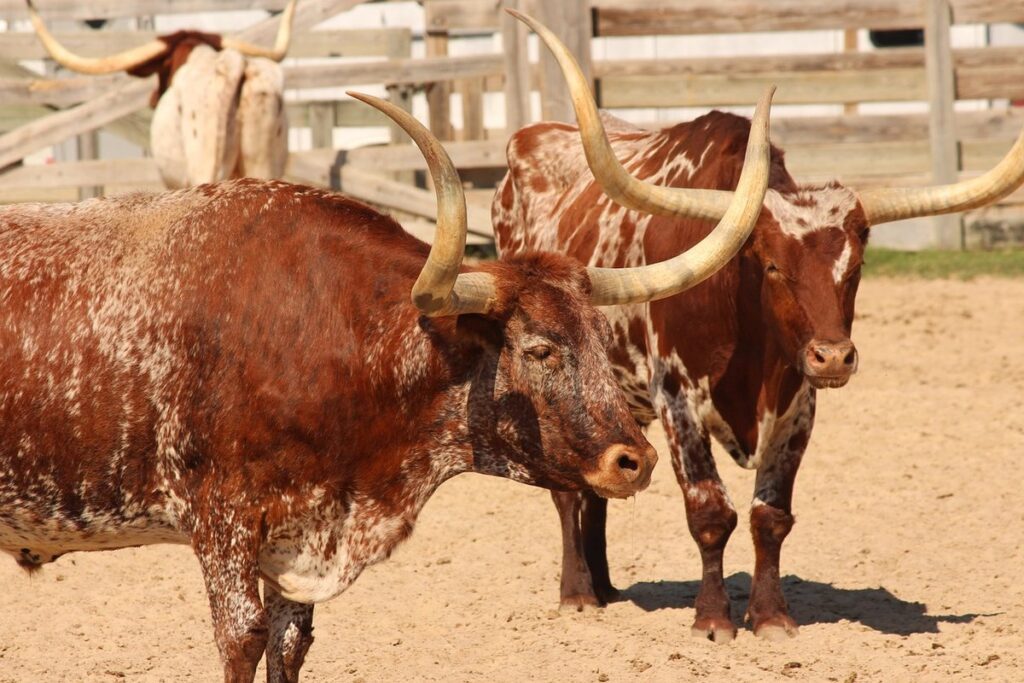
Beef Cattle Industry: Raising Texas’s Famous Longhorns
The beef cattle industry is a cornerstone of Texas’s agricultural economy, with iconic breeds like the Longhorn being synonymous with the state. The development of superior breeds can be attributed to genetics and breeding programs implemented by ranchers over the years. One notable example is the introduction of the Charolais breed in the 1960s, which significantly improved beef quality and increased yields.
Ranchers have also adopted innovative practices such as rotational grazing, which helps maintain soil health and reduces erosion. However, these advancements come with challenges like managing large herds and adapting to changing market demands. To succeed, ranchers must balance genetics with environmental factors like climate and land management.
A key factor in the success of Texas’s beef cattle industry is its ability to adapt to changing consumer preferences. For instance, the growing demand for grass-fed beef has led some ranchers to adopt rotational grazing practices that promote regenerative agriculture. This shift not only benefits the environment but also enhances the quality of the final product.
Unique Challenges and Opportunities Facing Texas Agriculture
Texas agriculture faces unique challenges, from droughts to regulatory changes, which also present opportunities for innovation and growth. We’ll examine some of these critical factors affecting the industry.
Water Management: A Critical Issue for Texas Farmers
Water scarcity and management are critical issues for Texas farmers. The state’s semi-arid climate means that water is already scarce, but droughts and water restrictions can further exacerbate the problem. Conservation efforts are essential to mitigate these challenges.
Texas farmers rely heavily on irrigation systems, which can account for up to 70% of water usage in agricultural settings. Innovative irrigation systems, such as drip irrigation and precision sprinkler systems, can significantly reduce water waste while maintaining crop yields. Some farms have implemented conservation-tailored systems that adjust watering schedules based on soil moisture levels.
Drought-resistant crops are another potential solution for farmers facing water scarcity. Crops like sorghum and millet require less water than traditional corn or cotton. However, introducing new crops can be a complex process, requiring careful consideration of factors such as market demand, soil conditions, and pest management. Farmers may also consider using recycled water or rainwater harvesting systems to supplement their irrigation needs.
For example, the Texas A&M AgriLife Extension has developed a comprehensive guide for farmers on water conservation techniques. This resource provides practical advice on implementing efficient irrigation systems and adopting drought-resistant crops.
Climate Change and Its Impact on Texas Agriculture
Climate change is having a profound impact on Texas agriculture. Rising temperatures and changing precipitation patterns are altering the state’s growing seasons, making it increasingly difficult for farmers to predict when and how much they will harvest. Warmer winters allow pests like aphids and whiteflies to thrive year-round, while heat stress is becoming more frequent, reducing crop yields and damaging plant quality.
For example, corn production has declined significantly in recent years due to increased heat stress during critical growth stages. Cotton, another major crop, is also susceptible to the effects of climate change, with reduced yields and lower fiber quality reported by many growers. Disease outbreaks are becoming more common as warmer temperatures facilitate the spread of fungal diseases like powdery mildew.
Emerging trends include earlier planting dates, which can lead to increased water usage during a time when soil moisture is already compromised. This highlights the need for farmers to adopt more resilient crop varieties and flexible management strategies that can adapt to changing weather patterns.
Economic Impact and Job Creation in Texas Agriculture
Texas agriculture has a significant impact on the state’s economy, supporting thousands of jobs and generating billions of dollars in revenue each year. Let’s take a closer look at how this industry contributes to Texas’ economic vitality.
Industry Revenue and Contribution to GDP
Texas agriculture is a significant contributor to the state’s economy, generating substantial revenue each year. According to data from the Texas Department of Agriculture, the industry’s annual revenue exceeds $20 billion, with cotton production, beef cattle, and dairy farming being among the top-earning sectors. This revenue translates into a substantial contribution to the state’s GDP, making agriculture one of the most important industries in Texas.
To put this figure into perspective, consider that the agricultural sector accounts for approximately 6% of the state’s total GDP, surpassing other major industries such as energy and tourism. Furthermore, the industry supports nearly 250,000 jobs across the state, with many more indirect positions in related fields like processing and distribution. These employment opportunities are spread throughout rural areas, where agriculture remains a vital source of income for local communities.
In terms of job creation, Texas agriculture is also notable for its relatively high rate of job growth compared to other sectors. The industry’s ability to adapt and innovate has allowed it to maintain a stable workforce despite fluctuations in global market trends and weather-related challenges.
Supporting Local Communities: The Role of Farm-to-Table Initiatives
Farm-to-table initiatives have emerged as a vital component of Texas’s agricultural landscape, fostering direct relationships between consumers and farmers. One notable example is the Dallas Farmers Market, which provides a platform for local producers to sell their fresh produce directly to customers. This model has contributed significantly to the economic growth of surrounding communities by injecting money into the local economy.
A successful farm-to-table initiative requires careful planning and management. For instance, the Austin-based organization, Farmshare, has developed a robust network of farmers who deliver fresh produce to subscribers on a regular basis. However, these programs often face challenges such as high operational costs, logistical hurdles, and competition from larger industrial farms.
To overcome these obstacles, farm-to-table initiatives must focus on building strong relationships with local consumers and adapting to their needs. This can be achieved by offering diverse product offerings, promoting transparency about farming practices, and engaging in community outreach programs. By doing so, farmers can increase customer loyalty and create a sustainable business model that benefits both the farmer and the consumer.
Innovation and Technology in Texas Agriculture
Texas agriculture is embracing cutting-edge innovations, from precision farming to AI-powered crop monitoring, revolutionizing the way farmers cultivate their land. Let’s take a closer look at these advancements.
Precision Agriculture and the Adoption of New Technologies
Precision agriculture technologies have been increasingly adopted by Texas farmers to enhance crop yields and reduce costs. Drones equipped with high-resolution cameras are used for crop monitoring, allowing farmers to identify issues such as pests, diseases, or nutrient deficiencies earlier than traditional methods. Satellite imaging provides valuable insights into soil moisture levels, temperature fluctuations, and weather patterns, enabling informed decisions on irrigation schedules and fertilization. Soil monitoring systems, including sensors and probes, help track nutrient levels and pH balances.
Adoption rates vary depending on the specific technology and farm size. A 2020 survey found that about 20% of Texas farmers used drone-based services for crop monitoring. Satellite imaging is more widespread, with over 40% of respondents utilizing this technology to some extent. While these innovations offer numerous benefits, potential drawbacks include initial investment costs and the need for specialized training.
Some notable examples of precision agriculture adoption in Texas include large-scale cotton farms using drones to optimize irrigation systems and reduce water waste. Smaller-scale operations are also adopting soil monitoring systems to improve crop health and reduce chemical usage. As technology continues to advance, it’s essential for farmers to weigh these benefits against potential challenges and invest in training programs to maximize returns on investment.
Alternative Energy Sources for Farming Operations
Solar power and biogas generators are increasingly being used by Texas farmers to reduce their carbon footprint and operating costs. One example is the use of solar-powered irrigation systems, which can save water and energy while also generating electricity. Some farms have installed solar panels on their rooftops or in fields to harness the sun’s energy.
Biogas generators, which convert animal waste into usable fuel, are another alternative energy source gaining traction in Texas agriculture. By utilizing biogas for heating, cooking, and even powering farm equipment, farmers can reduce their reliance on fossil fuels and lower emissions. For instance, a dairy farm in Central Texas has implemented a biogas system to generate electricity from manure, significantly reducing its carbon footprint.
In addition to these examples, some farms are exploring other alternative energy sources, such as wind power and geothermal energy. However, these options may require significant upfront investments and infrastructure development. As the demand for sustainable agriculture practices continues to grow, Texas farmers can expect more innovative solutions to emerge in the coming years.
Supporting Sustainable Agriculture Practices in Texas
As we explore the rich landscape of Texas agriculture, it’s essential to highlight initiatives that promote environmentally friendly farming practices. This includes innovative methods for conserving water and reducing waste.
Organic and Regenerative Agriculture: Trends and Challenges
The growth of organic and regenerative agriculture in Texas is a trend worth watching. According to data from the USDA, the number of certified organic farms in Texas has increased by over 20% in the past five years alone. This shift towards more sustainable practices reflects a growing demand for products that prioritize environmental health and consumer well-being.
Regenerative agriculture, which focuses on soil regeneration and ecosystem services, is also gaining traction in the state. Producers like those at the Regeneris Farm in Gillespie County are experimenting with cover crops and no-till farming methods to improve soil fertility and reduce erosion. While these approaches can be more labor-intensive and require significant upfront investment, they often yield higher crop yields and better water retention.
Challenges facing organic and regenerative farmers in Texas include limited market access and infrastructure for handling specialty crops. Additionally, the high cost of certification and equipment upgrades can make it difficult for small-scale producers to compete with larger industrial farms. To address these challenges, some advocates recommend supporting local food cooperatives and developing more robust value-added processing capabilities within the state.
Educational Programs and Resources for New Farmers
For new farmers in Texas, access to quality education and resources is crucial for establishing a successful and sustainable agricultural practice. The Texas A&M AgriLife Extension offers various programs and workshops tailored specifically for beginning farmers. These initiatives cover topics such as crop and animal management, irrigation techniques, and marketing strategies.
The National Young Farmers Coalition’s (NYFC) Texas chapter provides additional support through its training programs and networking opportunities. NYFC members can participate in conferences, webinars, and peer-to-peer mentorship to gain valuable insights and best practices from experienced farmers.
Additionally, the Texas Department of Agriculture (TDA) offers grants and funding for beginning farmers to attend educational events and workshops. These resources not only enhance knowledge but also provide essential skills for navigating the complexities of farming in Texas.
For those interested in learning more about sustainable agriculture, organizations like the Texas Organic Farmers and Gardeners Association offer hands-on training sessions and online courses. By leveraging these programs, new farmers can gain a solid foundation for their operations and contribute to the long-term sustainability of Texas’s agricultural sector.
Frequently Asked Questions
How Can I Get Started with Regenerative Agriculture in Texas?
Regenerative agriculture is a fascinating topic, but implementing it can seem daunting, especially for new farmers. Start by researching local resources and workshops that focus on regenerative practices, such as the Texas A&M AgriLife Extension’s Soil Health Program. Next, consider consulting with experienced farmers who have successfully adopted regenerative methods. Begin small by incorporating one or two regenerative techniques into your existing operations, like cover cropping or integrating livestock grazing. Monitor progress and adjust strategies as needed to ensure a smooth transition.
What If I’m Not Experiencing the Expected Benefits from My Precision Agriculture Investments?
Don’t worry if you’re not seeing immediate results from precision agriculture technologies; it may take time for them to pay off. Review your data collection methods to ensure accurate insights, then reassess your goals and adjust strategies accordingly. Consider seeking guidance from industry experts or conducting further research on best practices in your specific region. Keep in mind that precision agriculture is a continuous learning process, requiring ongoing evaluation and adaptation.
Can I Use Solar Power for My Farm’s Energy Needs If I Have Limited Land?
While solar panels require significant space to generate substantial energy, innovative solutions can help small-scale farmers still benefit from renewable energy sources. Research mini-grid systems or community solar programs that allow you to participate in solar energy production without having to install and maintain a large array on your property. Additionally, consider consulting with an expert to assess your farm’s energy needs and determine the most suitable solar solution.
How Do I Balance My Water Management Strategies for Both Irrigation and Wildlife Conservation?
A delicate balance exists between meeting crop demands and protecting wildlife habitats; finding this equilibrium is crucial for sustainable agriculture. Begin by conducting a thorough water audit to identify areas of inefficiency in your irrigation systems. Next, research local initiatives or best practices that promote coexistence with wildlife, such as using water-conserving crops or integrating conservation measures into your farm’s overall management plan.
Are There Specific Certifications or Labels That Can Help Me Market My Farm-to-Table Products?
Certification programs like USDA Organic or Texas Best can indeed provide a competitive edge in the market. Research local and national certifications that align with your farming practices and target audience. Also, consider obtaining non-GMO or pesticide-free labels to appeal to consumers seeking more sustainable options. Develop an effective marketing strategy that highlights these credentials and communicates their value to potential buyers.
