
Garlic farming is an art that requires precision and attention to detail. You can grow high-quality garlic with the right climate, soil conditions, and care. However, many farmers struggle with inconsistent yields, disease susceptibility, and market fluctuations. A well-planned approach to garlic cultivation, including optimal planting times, pest management, and harvesting techniques, is essential for maximizing profits. This guide will walk you through the science behind successful garlic farming, covering topics such as climate considerations, soil preparation, and marketing strategies. By understanding how to cultivate garlic in a way that balances yield with profitability, you’ll be able to make informed decisions about your farm’s operations and stay competitive in the market.
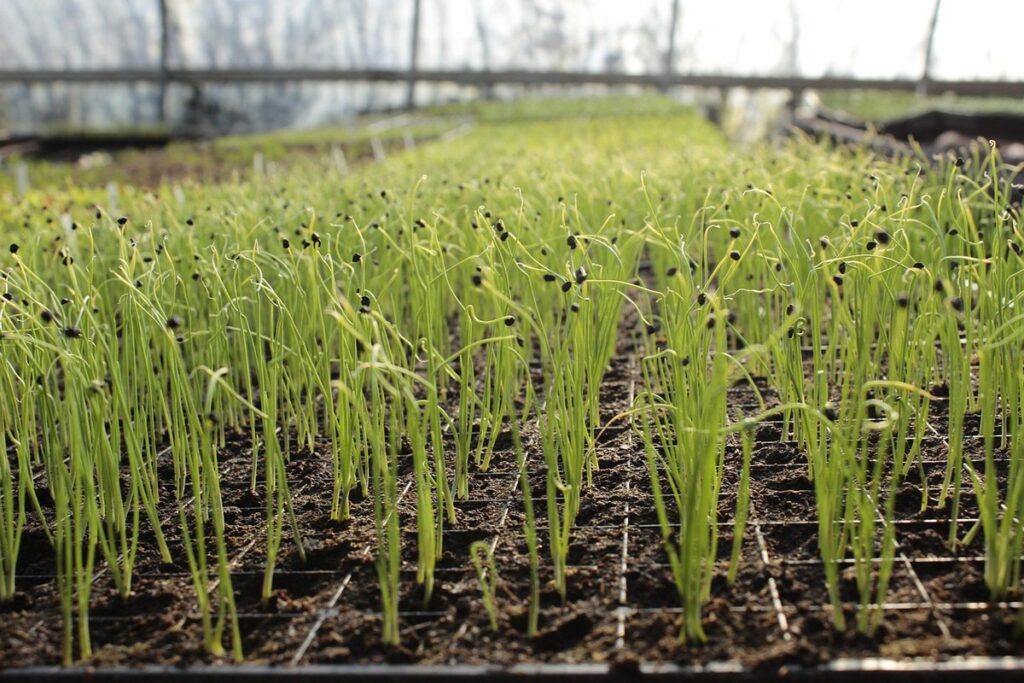
Understanding the Basics of Garlic Farming
Garlic farming is a complex process, and it all starts with understanding the basics: soil preparation, climate, and variety selection. Let’s begin by exploring these essential factors.
What is Garlic and Its History
Garlic has been a staple crop for over 7,000 years, with archaeological evidence revealing its use in ancient civilizations such as Egypt, China, and Greece. The earliest recorded evidence of garlic cultivation dates back to around 3000 BCE, where it was used not only as a food ingredient but also for medicinal and spiritual purposes.
In many cultures, garlic is considered a sacred plant, associated with purification, protection, and good health. In ancient Greece, for example, garlic was believed to have healing properties and was often given to athletes to enhance their performance. Similarly, in Hinduism, garlic is considered one of the five pungent plants that ward off evil spirits.
Today, garlic remains a vital crop in many parts of the world, with China being the largest producer. Its cultural significance extends beyond its culinary value, with many farmers regarding it as a cash crop and a means to improve soil fertility. As you begin your own garlic farming journey, understanding the rich history and cultural importance of this crop can provide valuable insights into its cultivation and uses.
Types of Garlic: A Beginner’s Guide
Garlic comes in several distinct types, each with its own unique characteristics. Soft-neck garlic is one of the most widely cultivated and consumed varieties, known for its long necks and easy-to-peel cloves. It’s often used in cooking due to its mild flavor and high water content, making it ideal for roasting or sautéing.
Hard-neck garlic, on the other hand, has a thicker, harder neck that can be more challenging to peel. However, this variety is prized by chefs for its rich, intense flavor and higher sulfur content, which gives it a pungent aroma. It’s typically used in dishes where a stronger garlic taste is desired.
Elephant garlic is another popular type, characterized by its large cloves and mild, sweet flavor. As the name suggests, elephant garlic has larger bulbs than other varieties, making it a good choice for those looking to grow garlic on a smaller scale.
When choosing which type of garlic to cultivate or use in cooking, consider the specific needs of your recipe or market. For example, soft-neck garlic is often used in commercial production due to its ease of cultivation and harvesting.
Planning a Successful Garlic Farm
When it comes to establishing a thriving garlic farm, careful planning is essential for maximizing yields and minimizing expenses. We’ll walk you through the key considerations for creating a solid plan.
Choosing the Right Climate and Soil
When selecting a location for your garlic farm, it’s essential to consider the climate and soil conditions. Garlic thrives in areas with moderate temperatures between 35°F and 75°F (2°C and 24°C). Avoid regions with extreme temperature fluctuations, as this can lead to disease and pest issues.
In terms of humidity, garlic prefers a relatively dry environment with an average relative humidity of 60%. However, it’s crucial to note that garlic bulbs require some moisture during the bulbing stage. Aim for a balanced approach by providing adequate irrigation while avoiding waterlogged soil.
Soil type is also critical for successful garlic cultivation. Garlic grows best in well-draining, fertile soils with a pH between 6.0 and 7.0. Sandy loams or loamy soils are ideal, as they allow for good drainage and aeration. Avoid heavy clay soils, which can lead to waterlogged conditions and root rot.
To determine the suitability of your soil, perform a simple test by digging a shallow trench and observing how quickly it drains. If the water takes longer than 24 hours to drain, consider amending the soil with organic matter or using raised beds to improve drainage. By selecting the right climate and soil conditions, you’ll be well on your way to establishing a thriving garlic farm.
Preparing the Land: Tillage and Fertilization
Proper land preparation is crucial for a successful garlic farm. Tillage and fertilization are two essential steps in preparing the soil for planting. Tillage involves breaking up the soil to a depth of about 8-10 inches, which helps to loosen compacted soil and reduce soil-borne diseases. There are several tillage methods available, including chisel plowing, disk harrowing, and moldboard plowing.
Fertilization is also vital for garlic growth. Garlic requires a balanced diet of nutrients, particularly nitrogen, phosphorus, and potassium. A soil test can help determine the nutrient levels in your soil and guide fertilizer application. Organic fertilizers like compost or manure are excellent options as they promote healthy soil biota and reduce chemical contamination.
The benefits of proper tillage and fertilization include improved soil structure, increased water retention, and enhanced crop growth. However, over-tillage can lead to erosion and soil degradation, while excessive fertilization can result in nutrient imbalances. It’s essential to strike a balance between these two processes to create an optimal growing environment for your garlic crops. Consider using cover crops or crop rotation to maintain soil health and minimize the need for synthetic fertilizers.
Planting Garlic
To plant garlic successfully, you’ll want to focus on preparing a suitable location and timing your planting just right. This ensures healthy growth from the start.
Timing and Methods of Planting
In general, garlic is planted in the fall or early spring, depending on your region’s climate and weather patterns. For regions with mild winters, such as California and Florida, planting in October or November allows the bulbs to mature during the winter months when moisture is typically low. This timing also reduces the risk of pests and diseases that thrive in warmer temperatures.
In areas with harsher winters, like most parts of Europe and North America, it’s best to plant in early spring as soon as the soil can be worked after the last frost. This approach gives garlic a head start on the growing season and allows it to mature before the heat of summer sets in.
There are two primary methods for planting garlic: direct seeding and transplanting. Direct seeding involves placing individual cloves directly into the ground, usually 4-6 inches apart and about 2-3 inches deep. Transplanting, on the other hand, requires starting seedlings indoors or in a greenhouse before moving them outside when they’re around 6-8 inches tall.
Spacing and Thinning: A Crucial Step
Proper spacing and thinning are essential steps in garlic farming. If cloves are too close together, they’ll compete for resources like water, nutrients, and sunlight, leading to weak and diseased plants. This can result in reduced yields or even total crop failure.
To avoid overcrowding, plant cloves 4-6 inches apart in rows that are 12-18 inches apart. The ideal spacing will depend on the garlic variety you’re growing – some types require more space than others. For example, soft-neck garlic typically requires less space than hard-neck garlic.
When planting multiple rows, it’s crucial to thin them out as they grow. Remove the weakest or most deformed plants to give the remaining ones room to develop. You can do this by hand, making sure not to damage the surrounding soil. Alternatively, you can use a tool like a garden fork or cultivator to gently loosen and separate the plants.
In general, thin garlic cloves to 6-8 inches apart when they’re about 6 inches tall. This will give them enough space to mature without overcrowding.
Garlic Care and Maintenance
Now that you’ve harvested your garlic crop, it’s essential to properly care for and maintain those precious bulbs to ensure they remain healthy and thrive in future harvests. This involves a few key steps and considerations.
Watering and Mulching Strategies
When it comes to watering garlic, you want to strike a balance between providing enough moisture and avoiding overwatering. A consistent supply of about 1-2 inches of water per week is ideal, either from rainfall or irrigation. Drip irrigation systems can be effective for delivering water directly to the roots while minimizing evaporation and runoff.
For mulching, organic materials like straw, wood chips, or grass clippings work well. Apply a layer that’s about 2-3 inches thick, keeping it a few inches away from the plant stems. As the mulch breaks down, it helps retain moisture and suppress weeds. In warmer climates, a reflective mulch like aluminum foil can help reflect heat away from the plants.
Some other factors to consider when choosing a mulching strategy include the type of garlic you’re growing – soft-neck varieties tend to prefer more moisture than hard-neck types – and your local climate. For example, in areas with heavy rainfall, you may want to use a lighter layer of mulch to prevent waterlogging.
Pest and Disease Management
Garlic crops are susceptible to various pests and diseases that can significantly impact yields. Among the most common pests are aphids, spider mites, and thrips, which feed on garlic’s sap and cause curled or distorted leaves. To control these pests, use neem oil or insecticidal soap sprays, targeting infested areas in the early morning when the sun is not intense.
Diseases such as powdery mildew, downy mildew, and white rot can also affect garlic crops. These diseases often thrive in humid conditions with poor air circulation. To prevent disease spread, maintain good soil drainage and air circulation by ensuring adequate space between plants. Remove any infected plants to prevent the disease from spreading.
Some of the most effective methods for preventing pest and disease issues include crop rotation, composting, and using beneficial insects like ladybugs or lacewings. These approaches can help reduce the need for chemical pesticides and promote a balanced ecosystem in your garlic farm.
Harvesting and Storing Garlic
Now that your garlic crop is ready, let’s learn how to carefully harvest it to preserve its quality, and then store it properly for long-term use. Proper handling at this stage is crucial.
Signs of Readiness: Knowing When to Harvest
Garlic is typically ready to harvest when the tops begin to yellow and fall over. This visual cue indicates that the bulbs have finished growing and are now drying out. You can start checking for readiness around 3-4 months after planting, as this is usually when the tops begin to decline.
To confirm readiness, gently dig around the base of a few plants with your fingers or a fork. If the bulbs feel firm and heavy, with a slight give when pressed, they’re likely ready to harvest. Avoid pulling on the tops, as this can damage the bulb. Instead, use scissors or a sharp knife to cut the stalks off at the base, leaving about an inch of stem attached.
Harvesting too early can result in smaller bulbs and reduced yields, while waiting too long can lead to rot and spoilage. To minimize waste, consider harvesting individual plants as they reach readiness, rather than waiting for the entire crop to be ready at once. This will also help you determine if any specific varieties require a longer or shorter maturation period.
Curing and Drying Techniques
Proper curing and drying techniques are crucial steps in extending garlic’s shelf life and preserving its flavor and quality. When garlic is harvested, it’s typically high in moisture content, which can lead to mold, rot, and a decrease in flavor if not managed properly.
To cure garlic, tie the bulbs together with twine or string, leaving enough space for air to circulate between each head. Hang them upside down in a warm, dry, dark place with good ventilation. Check on them regularly to ensure they’re drying evenly and not developing any mold. This process can take anywhere from 2-4 weeks, depending on the climate and humidity.
During this time, you’ll notice the garlic heads will begin to dry out and develop a papery skin. Once cured, remove the dried bulbs from their twine or string and store them in a cool, dark place with good air circulation. Avoid storing garlic near potatoes or apples, as these fruits release moisture that can cause the garlic to sprout.
It’s essential to monitor temperature and humidity levels when curing and storing garlic. Most varieties of garlic prefer temperatures between 60-70°F (15-21°C) and humidity below 50%.
Marketing and Selling Garlic
As a garlic farmer, you’ve put in the hard work to cultivate high-quality bulbs, now it’s time to think creatively about how to market and sell them effectively. Effective sales strategies can make all the difference in turning your labor into profit.
Finding a Niche Market: Opportunities and Challenges
Targeting niche markets can be a game-changer for garlic farmers looking to differentiate themselves from larger producers. Artisanal and organic markets, for instance, place a premium on unique flavor profiles and sustainable practices. By catering to these consumers, garlic farmers can command higher prices and build a loyal customer base.
However, identifying the right niche market requires research and planning. Consider factors such as consumer demand, competition, and logistical feasibility. For example, if you’re located in an area with a high concentration of farm-to-table restaurants, it may be worth exploring relationships with these establishments to supply them with fresh, locally sourced garlic.
Challenges arise when trying to balance niche market demands with the economics of small-scale production. Farmers must weigh the costs and benefits of specializing in a particular type or handling method, ensuring that these efforts don’t compromise overall profitability. To overcome these challenges, farmers can experiment with different products, such as specialty garlic varieties or value-added products like infused oils or garlic scapes. By diversifying their offerings, farmers can spread risk and increase their appeal to niche markets.
Building Relationships with Wholesale Buyers
Building a strong relationship with wholesale buyers is crucial for garlic farmers looking to establish a steady revenue stream. This involves more than just meeting their demands; it requires understanding their needs, preferences, and business models. A good starting point is to research potential buyers, including specialty food stores, gourmet restaurants, and farmers’ market organizers. Understanding the target audience’s pricing expectations, product quality standards, and delivery requirements helps you tailor your marketing efforts.
Some key considerations for successful sales include:
• Regular communication: Schedule regular check-ins with buyers to discuss their needs, address any concerns, and provide updates on production.
• Flexibility in pricing and packaging: Be prepared to adapt to changing market conditions or buyer requests by offering flexible pricing and packaging options.
• High-quality products: Ensure that your garlic meets the highest standards of quality, freshness, and appearance to meet buyers’ expectations.
By investing time and effort into building strong relationships with wholesale buyers, you can establish a loyal customer base, increase revenue, and grow your business. This approach also allows for better market insight, enabling informed decisions about production, pricing, and marketing strategies.
Frequently Asked Questions
Can I grow garlic in a container on my balcony?
Yes, but it’s essential to provide the right climate and soil conditions. Garlic needs full sun, well-draining soil, and a temperature range of 60-70°F (15-21°C). You can use a large pot with good drainage holes and fill it with a mix specifically designed for vegetables.
What if I notice mold on my garlic plants? How do I prevent it?
Mold can be caused by excessive moisture. To prevent it, ensure good air circulation around your plants and avoid overwatering. Remove any affected leaves or stems to prevent the mold from spreading. You can also use a fungicide specifically designed for vegetables.
Can I grow multiple varieties of garlic in the same field?
Yes, but you’ll need to separate them by at least 10 feet (3 meters) to prevent cross-pollination and disease transmission. It’s also essential to rotate your crops to avoid depleting the soil of nutrients and to reduce pest and disease buildup.
How do I know when it’s time to start harvesting garlic? What signs should I look for?
Begin checking your plants 20-30 days before the expected harvest date. Look for yellowing or browning leaves, which indicate that the bulbs are mature and ready to be harvested. Gently dig around the base of the plant with a fork, being careful not to damage the bulb.
What if I accidentally overwater my garlic crop? Can it recover?
Yes, but it may take some time for the plants to recover. Remove any excess water from the soil, and reduce watering until the plants show signs of recovery. Be cautious not to overwater again, as this can lead to further damage or disease.
