
Starting a pecan farm can be a lucrative venture for those willing to put in the effort. With the right planning and execution, you can grow and harvest high-quality pecans that are in demand across the country. However, growing pecans requires careful consideration of various factors, including selecting the right variety for your climate and soil conditions. Not all pecan trees are created equal, and some varieties perform better than others in specific regions. This guide is designed to walk you through the process of starting a successful pecan farm, from choosing the perfect tree to marketing your crop once it’s harvested. By following this comprehensive guide, you’ll be able to learn how to grow and harvest pecans successfully, making informed decisions about your farm’s future.
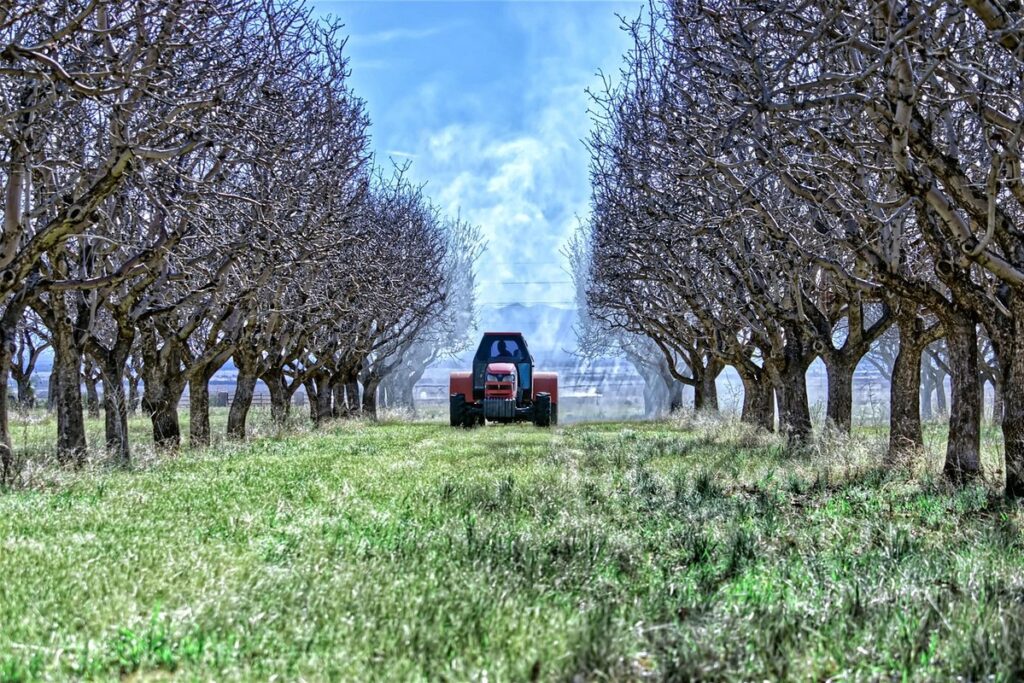
Getting Started with Pecan Farming
To start a pecan farm, you’ll first need to choose a suitable location and climate for growing pecans. This often involves considering factors like soil quality and moisture levels in your region.
Understanding Pecan Trees and Their Requirements
Pecan trees are deciduous and prefer warm climates with mild winters. They thrive in USDA Hardiness Zones 5-9, where temperatures rarely drop below 10°F (-12°C) or rise above 100°F (38°C). In regions with harsh winters, pecan trees can be damaged or killed by frost, so careful selection of tree varieties and planting sites is crucial.
In terms of rainfall, pecan trees require a minimum of 20-25 inches (500-600 mm) annually. However, they are relatively drought-tolerant once established and can survive with minimal watering. This makes them suitable for areas with low rainfall or where water conservation is essential.
Soil-wise, pecan trees prefer well-draining soil with a pH between 6.0 and 7.0. They can tolerate a range of soil types but perform best in fertile, loamy soils rich in organic matter. Avoid planting pecan trees in areas with standing water or where water tends to collect, as this can lead to root rot and other issues.
When selecting land for a pecan farm, it’s essential to consider the local climate and soil conditions to ensure they meet the tree’s requirements. This will help minimize the risk of damage or failure and set your trees up for long-term success.
Choosing the Right Variety for Your Farm
When selecting a pecan tree variety for your farm, it’s essential to consider their unique characteristics and growing conditions. There are over 500 varieties of pecan trees, each with its own strengths and weaknesses.
Some popular varieties include ‘Stuart’, known for its high yields and disease resistance; ‘Desirable’, prized for its large nuts and vigorous growth habit; and ‘Sumner’, which excels in cooler climates. Consider factors such as climate, soil type, and available space when narrowing down your options.
In terms of growth habits, pecan trees can be broadly categorized into three types: Stuart-type, Desirable-type, and Sumner-type. Stuart-type trees are upright and compact, making them ideal for smaller spaces; Desirable-type trees are more vigorous and may require regular pruning to maintain their shape; and Sumner-type trees are known for their cold hardiness and are often used in colder climates.
When evaluating a variety’s suitability for your farm, also consider factors such as nut quality, disease susceptibility, and pest tolerance. Researching local nurseries or consulting with experienced pecan farmers can provide valuable insights into which varieties perform well in your specific region.
Planting and Maintaining Pecan Trees
Planting pecan trees requires careful consideration of soil quality, climate, and spacing to ensure a healthy start. Proper maintenance is equally crucial for maximizing yield potential.
Preparing the Soil and Planting Techniques
Proper soil preparation and planting techniques are crucial for establishing a healthy pecan tree. This involves several key steps to ensure optimal growth and productivity.
Start by selecting the right rootstock, which should be resistant to common diseases such as pecan scab. Look for varieties that have been bred for their vigor and adaptability to your specific climate and soil type. ‘Bartlett’ and ‘Stuart’ are popular rootstocks used in commercial pecan farming.
When preparing the soil, test its pH level and adjust it if necessary. Pecan trees prefer a slightly acidic to neutral soil pH (around 6.0-7.0). Add organic matter like compost or well-rotted manure to improve soil fertility and structure.
Plant the tree in early spring or fall, when temperatures are cooler. Dig a hole twice as wide and just as deep as the root ball. Gently remove the tree from its container and place it in the hole, making sure the graft union (if applicable) is above the soil level. Water thoroughly and mulch around the base to retain moisture and suppress weeds.
When planting multiple trees, space them at least 20-30 feet apart to allow for proper growth and air circulation.
Irrigation and Fertilization Strategies
Proper irrigation and fertilization strategies are crucial for promoting healthy growth and nut production in pecan trees. When it comes to watering, pecan trees need around 40-60 inches of rainfall or irrigation per year, divided into regular intervals throughout the growing season. A drip irrigation system is often recommended as it delivers water directly to the roots while minimizing evaporation and runoff.
In terms of fertilization, pecan trees require a balanced diet of nutrients, including nitrogen, phosphorus, potassium, and micronutrients. A typical fertilization schedule involves applying a starter fertilizer with a mix of nitrogen, phosphorus, and potassium in the early stages of growth (around 6-8 weeks after planting). Follow-up applications are usually made during the dormant season, typically in late winter or early spring.
Some key factors to consider when choosing a fertilizer include soil pH, nutrient deficiencies, and potential environmental impacts. For example, pecan trees growing in acidic soils may require additional lime application to adjust the pH levels. A small minority of farmers also use integrated pest management (IPM) techniques, which involve using fertilizers and irrigation strategies that promote beneficial microorganisms and reduce disease susceptibility.
Here are some general guidelines for common nutrient deficiencies:
- Nitrogen: Apply 10-20 pounds per acre in early spring
- Phosphorus: Apply 5-10 pounds per acre in late winter or early spring
- Potassium: Apply 20-30 pounds per acre in early spring
Pecan Tree Care and Pest Management
Pecan tree care is crucial for a thriving farm, as healthy trees produce better yields and are more resistant to pests and diseases that can devastate your crop. Proper management techniques will help you maintain a strong and resilient orchard.
Common Pests and Diseases Affecting Pecan Trees
Pecan trees are vulnerable to various pests and diseases that can compromise their health and productivity. One common pest is the pecan weevil, which lays eggs inside the nuts, causing them to spoil or rot. Symptoms of infestation include small holes in the nut’s shell and a sweet, fermented odor. To control weevil populations, farmers can use insecticidal soap or horticultural oil sprays during the dormant season.
Another significant threat is scab disease, caused by the fungus Cladosporium caryigenum. It appears as black spots on leaves and nuts, often accompanied by a yellowing of foliage. Farmers can implement integrated pest management (IPM) strategies to mitigate scab’s impact, such as pruning infected branches and spraying fungicides during wet weather.
Other common pests affecting pecan trees include aphids, caterpillars, and spider mites. Regular monitoring and prompt action are crucial in preventing these infestations from spreading. To maintain healthy trees, farmers should also be aware of signs of root rot, caused by excess moisture and poor drainage. This can lead to tree death if left unaddressed.
Farmers must stay vigilant and take proactive measures to protect their pecan trees from these pests and diseases.
Integrated Pest Management (IPM) Strategies for Pecan Farms
Effective IPM involves monitoring, identifying, and managing pests using a combination of techniques. For pecan farms, this means implementing cultural controls to prevent pest infestations from occurring in the first place. Regular pruning and sanitation practices can help reduce the risk of disease and insect outbreaks. For example, removing weeds and debris from around the tree base can deny pests access to food and shelter.
Biological controls are also an essential part of IPM strategies for pecan farms. Encouraging beneficial insects, such as lady beetles or lacewings, can help control pest populations naturally. This can be achieved by introducing these beneficial insects into the ecosystem through introduction programs or simply by creating a diverse and balanced environment.
Chemical controls are typically used as a last resort in IPM strategies for pecan farms. However, when necessary, selecting pesticides that target specific pests rather than broad-spectrum chemicals can minimize harm to non-target species. For instance, using insect growth regulators (IGRs) can prevent pest populations from reproducing without harming beneficial insects.
In addition to these controls, implementing integrated monitoring systems is crucial for effective IPM. This may involve regular scouting of the farm by trained personnel or the use of electronic monitoring devices. By combining these methods, pecan farmers can create a comprehensive IPM plan that minimizes the risk of pest damage and promotes a healthy and productive orchard.
Harvesting and Processing Pecans
Pecan harvesting typically begins around late October, but did you know that the timing can vary depending on factors like climate and location? Understanding these nuances is crucial for a successful harvest.
Understanding Pecan Maturity and Harvest Timing
Pecans are typically harvested in the fall when they reach maturity. However, determining the exact harvest timing depends on several factors, including weather conditions and the tree’s development stage.
Weather plays a significant role in pecan maturation. A prolonged drought can slow down nut growth, while excessive rain can cause shells to crack and nuts to spoil. Typically, a warm and dry spell in late summer or early fall accelerates maturation, but this also increases the risk of kernel damage from heat stress.
Tree development stage is another critical factor influencing harvest timing. Pecan trees typically reach maturity between 7-10 years after planting. Factors such as tree variety, soil quality, and nutrient availability can impact this timeline. For example, some pecan varieties are bred to mature faster than others, while poor soil conditions can slow down tree growth.
To determine the optimal harvest timing for your specific orchard, monitor weather patterns closely and observe changes in leaf color and nut size. A small sample of nuts from multiple trees can provide valuable insight into overall maturity levels. This information will help you plan a successful harvest that minimizes losses and maximizes yield.
Mechanical and Hand Harvesting Techniques
Mechanical harvesters are commonly used on large pecan farms due to their efficiency and speed. These machines can collect a significant amount of nuts in a short period, often with minimal labor required. However, mechanical harvesting can be challenging for smaller trees or when dealing with complex tree shapes.
One key advantage of mechanical harvesting is its ability to handle high volumes quickly. This is particularly important during peak harvest seasons when every day counts. Additionally, mechanical harvesters tend to cause less damage to branches and trunks compared to hand-picking methods.
On the other hand, hand harvesting allows for more precision and care in collecting nuts. It’s often used on smaller trees or when a higher quality product is desired. Hand-picked pecans typically have fewer defects and are easier to clean before processing. However, hand harvesting can be labor-intensive and time-consuming, which may increase production costs.
It’s essential to consider the specific needs of your farm and tree type when deciding between mechanical and hand harvesting techniques. Some farmers opt for a combination of both methods to achieve optimal results.
Marketing and Selling Pecans
When it comes to turning a profit from your pecan farm, successfully marketing and selling your crop is crucial. We’ll walk you through the key strategies for finding buyers and maximizing revenue.
Understanding the Market Demand for Pecans
Pecan demand fluctuates significantly depending on regional availability and market trends. In the United States, for example, pecans are a staple in Southern cuisine, with states like Georgia, Texas, and New Mexico being major producers. However, this regional dominance means that pecan prices can be affected by supply chain disruptions, such as weather events or pests.
Seasonal fluctuations also play a crucial role in shaping market demand. Pecans are typically harvested between October and December, which coincides with the holiday season in many countries. This creates a surge in demand for pecans during this period, particularly for festive recipes and baking. However, this increased demand can lead to price volatility if supply is unable to keep pace.
Emerging trends also impact market demand for pecans. Health-conscious consumers are driving growth in sales of pecan-based products, such as snack bars, trail mixes, and oil-based cooking sprays. Additionally, the increasing popularity of plant-based diets has led to a rise in demand for pecan milk alternatives and vegan-friendly food products. By understanding these market dynamics, pecan farmers can adjust their production strategies to meet changing consumer preferences and capitalize on emerging trends.
Building a Strong Brand and Marketing Strategy
Developing a strong brand identity and effective marketing strategy are crucial for pecan farmers to succeed in today’s market. A clear brand identity helps differentiate you from competitors and builds customer loyalty. Consider developing a unique value proposition (UVP) that highlights what sets your farm apart, such as sustainable practices or high-quality products.
Social media platforms like Instagram and Facebook can be powerful tools for promoting your brand and engaging with customers. Share behind-the-scenes content showcasing your farm’s daily operations, employee spotlights, and community involvement. Utilize relevant hashtags to increase visibility and reach a broader audience. For example, you could use #sustainablefarming or #pecanlove to connect with like-minded individuals.
Other promotional tactics worth considering include attending local farmers’ markets, partnering with food bloggers or influencers, and offering free samples or tastings at your farm’s store. Create a loyalty program that rewards repeat customers, such as discounts on bulk purchases or early access to new products. By implementing these strategies, you can build a strong brand presence, drive sales, and establish your pecan farm as a trusted and recognizable name in the industry.
Challenges and Opportunities in Pecan Farming
Pecan farming presents numerous challenges, from unpredictable weather patterns to pests and diseases, but also offers opportunities for innovation and growth. As you navigate these complexities, it’s essential to consider both the risks and rewards.
Weather-Related Risks and Climate Change Impacts
Pecan trees are susceptible to extreme weather events like droughts, floods, and heatwaves, which can lead to reduced yields and economic losses for farmers. Climate change exacerbates these risks by altering precipitation patterns and increasing the frequency of severe weather events. Rising temperatures also accelerate water loss through transpiration, making droughts more likely.
Droughts are particularly concerning for pecan farmers, as they require consistent moisture levels during the growing season. Prolonged drought conditions can cause tree stress, leading to reduced nut production and increased susceptibility to pests and diseases. Farmers can mitigate these risks by implementing efficient irrigation systems and practices that minimize water waste.
Farmers in regions prone to flooding should also take steps to protect their trees from excessive moisture. This includes selecting tree varieties with a high flood tolerance and implementing measures like terracing or raised beds to improve drainage. By adapting their practices to the changing climate, pecan farmers can reduce their vulnerability to weather-related risks and ensure long-term sustainability.
Some key considerations for pecan farmers in the face of climate change include:
• Monitoring weather forecasts and adjusting irrigation schedules accordingly
• Diversifying tree varieties to increase resilience to extreme weather events
• Implementing conservation tillage or cover cropping to reduce soil erosion
Emerging Trends and Opportunities in Sustainable Pecan Production
Organic farming methods are gaining traction among pecan farmers as consumers increasingly seek out sustainably produced products. Organic certification requires a minimum of three years without synthetic pesticides, herbicides, or fertilizers, and many farmers find that this approach improves soil health and biodiversity on their land. Regenerative agriculture takes it a step further by focusing on building soil carbon through practices like no-till farming and cover cropping.
Some pecan farms are also exploring certifications like Fair Trade, which ensures fair prices for producers and fair labor conditions. This can be particularly beneficial in regions where pecan production is a significant source of income for local communities. When transitioning to sustainable methods, farmers may need to invest in new equipment or training, but many find that the long-term benefits to their soil and reputation make it worthwhile.
To get started with regenerative agriculture, consider implementing practices like composting or integrating livestock grazing into your farm management plan. These strategies can help build soil health and reduce the need for external inputs. Research local certifications and programs that align with your values and goals, such as the US Department of Agriculture’s National Organic Program or the Fair Trade USA certification.
Frequently Asked Questions
How Long Does it Take for Pecan Trees to Start Producing Nuts?
Pecan trees typically take 3-5 years to start producing nuts after planting, but this can vary depending on factors like climate, soil quality, and tree variety. Factors influencing nut production include tree health, watering schedule, and fertilization strategy.
What if My Pecans Are Still Green When Harvest Time Arrives? Is It Safe to Leave Them on the Tree?
Yes, it is safe to leave green pecans on the tree during harvest time. Pecan trees typically drop their nuts when they are fully ripe and fall off the tree naturally. If you have unripe or still-green pecans, wait a few more weeks for them to mature before harvesting.
Can I Use Organic Fertilizers to Grow Pecans Without Compromising on Yields?
Yes, organic fertilizers can be an effective way to grow pecans without compromising yields. However, it’s essential to choose high-quality organic products that meet your tree’s specific nutrient needs. Regular soil testing and adjustments will help ensure optimal results.
How Do I Handle Pests Like Aphids or Scales on My Pecan Trees? What Are the Most Effective Control Methods?
Effective pest control methods for pecan trees include introducing beneficial insects, practicing good sanitation, and using targeted chemical controls when necessary. Consider consulting a local expert or agronomist to develop a tailored IPM plan that suits your specific needs.
What If I Want to Sell My Pecans Locally? How Do I Go About Building Relationships with Local Buyers?
Building relationships with local buyers can be beneficial for pecan farmers who want to sell their products directly. Attend local farmer’s markets, reach out to nearby restaurants or bakeries that use pecans in their recipes, and consider partnering with a local distributor to expand your customer base.
