As you know, raising backyard chickens can be a wonderful hobby and a great way to provide fresh eggs for your family. However, with this comes the responsibility of caring for their health and well-being. One crucial aspect of chicken care that often gets overlooked is having a comprehensive first aid kit on hand. A chicken first aid kit is essential for keeping your flock healthy and safe from common health issues such as respiratory problems, wounds, and parasites. You may be surprised to learn that many backyard chicken keepers are not prepared to deal with emergencies or minor injuries that can quickly escalate into serious problems if left untreated. In this article, you’ll learn how to create a thorough chicken first aid kit, complete with the essential supplies and equipment needed to ensure your birds receive proper care in case of an emergency. By the end of this guide, you’ll be able to confidently treat common health issues and keep your flock thriving.
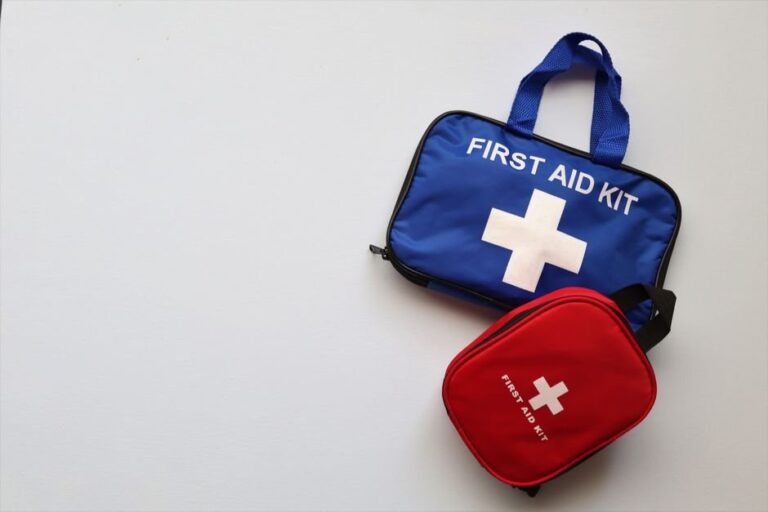
Understanding the Importance of a Chicken First Aid Kit
Understanding why a first aid kit is crucial for your backyard flock can be just as important as knowing what to include in it. Let’s examine some key reasons why chicken owners need one.
What is a Chicken First Aid Kit?
A chicken first aid kit is more than just a collection of bandages and ointments – it’s a crucial resource for backyard chicken keepers to respond to common health issues in their flock. When you think about the importance of a first aid kit, consider the unexpected moments that can arise when caring for your chickens. A sudden injury or illness can quickly turn into an emergency situation if you’re not prepared.
A well-stocked first aid kit should include essential supplies such as antiseptic wipes, tweezers, and bandages specifically designed for birds. However, it’s equally important to have knowledge of common health issues that affect chickens, such as respiratory problems, mites, and wounds. By being aware of these potential issues, you can take proactive steps to prevent them from becoming serious problems.
In this guide, we’ll explore the essential supplies and knowledge needed for a comprehensive chicken first aid kit. By understanding what to include in your kit and how to use it effectively, you’ll be better equipped to handle common emergencies and keep your flock healthy and thriving.
Identifying Common Health Issues in Chickens
Chickens can be susceptible to various health issues, and understanding these common problems is crucial for creating an effective first aid kit. Respiratory problems are a significant concern, as they can arise from factors such as dusty environments, poor ventilation, or infectious diseases like avian influenza. You may notice symptoms like labored breathing, coughing, or wheezing in affected birds.
Wounds and injuries are another common issue, often caused by accidents, predators, or fights with other chickens. It’s essential to be prepared for minor cuts and scrapes as well as more severe lacerations. Keep an eye out for signs of infection, such as redness, swelling, or discharge around the wound.
Parasites like mites, lice, and fleas can also plague your flock, causing discomfort, stress, and even anemia in severe cases. Regular checks for these external parasites are vital to preventing infestations. Common symptoms include excessive scratching, feather loss, or an unexplained drop in egg production.
To identify potential health issues early on, it’s recommended to monitor your chickens’ behavior, appetite, and overall condition regularly. This proactive approach will enable you to address problems before they escalate into more serious conditions that require advanced first aid techniques.
Essential Supplies to Include in Your Kit
When it comes to creating an effective chicken first aid kit, you’ll want to stock up on essential supplies that will help you address a range of common health issues. Start with basic medical equipment like antiseptic wipes, antibiotic ointments, and a thermometer. You’ll also need wound care materials such as gauze pads, roll bandages, and medical tape.
In addition to these basics, it’s crucial to have supplies on hand for managing respiratory issues. This might include a nebulizer or inhaler specifically designed for chickens, as well as oxygen therapy equipment. Don’t forget to stock up on electrolyte supplements and oral rehydration fluids to help prevent dehydration.
For more complex injuries or conditions, you may want to consider adding specialized supplies like splints, casts, or even a small surgical kit. Remember to also include any medications or treatments that your veterinarian recommends for your flock’s specific needs. Finally, be sure to store all of these supplies in a designated area that is easily accessible and well-organized, such as a portable first aid box or a dedicated storage bin near the coop.
Choosing the Right Supplies for Your Chicken First Aid Kit
When it comes to creating a comprehensive chicken first aid kit, selecting the right supplies is crucial, and choosing the correct ones can be overwhelming. Let’s focus on must-have items for your flock’s emergency needs.
Basic Medical Equipment
A thermometer is essential for monitoring your chickens’ body temperature. You can use digital or analog thermometers, but digital ones are generally more accurate and easier to read. When taking a chicken’s temperature, make sure the rectal thermometer is lubricated to avoid discomforting the bird.
Syringes come in handy for administering medications orally or injecting them into the muscle. Choose syringes with a 3-5 cc capacity for most treatments. You should also have a few sterile needles on hand for drawing up medication from vials.
Bandages and wraps are used to protect wounds, prevent infection, and keep your chickens clean. Assorted sizes of bandages can cover minor cuts, while larger wraps may be needed for more extensive injuries. Keep these supplies in a designated area within your first aid kit, making sure they’re easily accessible when you need them.
In addition to basic equipment, consider keeping some antiseptic wipes or sprays on hand for cleaning wounds. When using any medical supply, always read the instructions and follow proper safety protocols to avoid contamination or injury. This includes washing your hands before handling your chickens’ supplies.
Wound Care and Management
When it comes to wound care and management for chickens, proper cleaning and dressing are essential steps in preventing infection. The first step is to clean the wound thoroughly with a gentle antiseptic solution or a mixture of equal parts water and white vinegar. Avoid using harsh chemicals or soap, as these can strip away the natural oils on your chicken’s feathers.
After cleaning the wound, apply a thin layer of antibiotic ointment or a non-adherent dressing, such as gel or foam pads. These dressings help to keep the wound moist and promote healing while also protecting it from further irritation.
Preventing infection is just as important as treating the wound itself. Make sure to trim any loose feathers around the affected area to prevent bacteria from accumulating. If you notice signs of infection, such as redness, swelling, or discharge, seek veterinary attention immediately.
To keep your flock’s wounds clean and manageable, it’s essential to have a few basic supplies on hand. These include antiseptic solutions, antibiotic ointments, non-adherent dressings, and tweezers for gently removing debris from the wound site.
First Aid Techniques for Common Ailments
When dealing with common ailments in chickens, having the right first aid techniques is crucial. For example, when treating a chicken with bumblefoot – a painful condition caused by foot ulcers – you’ll need to clean and dress the wound thoroughly. This involves gently rinsing the affected area with saline solution or clean water, then applying a topical antibiotic cream to prevent infection.
To manage respiratory issues, such as a cold or pneumonia, provide your chicken with plenty of fresh air and a warm environment. You can also use a humidifier to add moisture to the air, helping to loosen mucus and make breathing easier. In cases of severe respiratory distress, however, it’s essential to seek veterinary attention promptly.
Common injuries like sprains, strains, or broken bones require similar care as human counterparts – immobilization, gentle handling, and monitoring for signs of infection. To treat a sprained wing, for instance, gently wrap the affected area with gauze or bandage material, ensuring not to constrict circulation.
Setting Up Your Chicken First Aid Kit
When setting up a chicken first aid kit, it’s essential to include basic medications and supplies that will help you treat common injuries and illnesses in your flock. This section covers what you need to stock your kit effectively.
Organizing Your Supplies
When it comes to storing and organizing your first aid kit supplies, clarity and accessibility are key. Consider a clear plastic bin with labeled compartments, allowing you to easily identify what’s inside without having to dig through the entire contents. This setup will also help prevent cross-contamination between items.
For small equipment like tweezers or scissors, use dividers within the bin or store them in separate containers with clear labels. This keeps everything organized and prevents accidental damage. Label each section or container clearly, using markers or stickers that won’t fade over time.
Store supplies in a designated area, ideally at eye level or near the entrance to your coop for easy access during emergencies. Consider keeping frequently used items like antiseptic wipes or bandages in a separate, easily accessible container within the main bin.
For items that are less frequently used, consider storing them separately, such as in a labeled file folder or envelope. This keeps clutter down and makes it easier to find what you need when you need it most.
Creating a First Aid Plan
A first aid plan is essential for responding quickly and effectively to health emergencies with your flock. Without a clear plan, you may struggle to identify the severity of an issue or know which supplies to use. To create a comprehensive first aid plan, consider the most common health issues that can affect your chickens, such as respiratory problems, wounds, and parasites.
Identify potential hazards in your coop and run, like drafts or sharp edges, and take steps to mitigate them. Know what signs of illness or injury look like in your flock, including changes in behavior, appetite, or droppings. Keep a record of any health issues that have arisen in the past, noting symptoms, treatments, and outcomes.
Develop a step-by-step guide for responding to common emergencies, such as:
• Assessing the severity of an issue
• Administering first aid
• Deciding when to seek veterinary care
• Isolating affected birds to prevent spread of disease
Tips for Keeping Your Flock Healthy
Keep an eye out for signs of illness and injury by regularly inspecting your flock. Look for changes in behavior, such as lethargy, loss of appetite, or difficulty walking. Check for visible signs like droopy wings, labored breathing, or unusual discharges.
Maintain a clean and hygienic coop to prevent the spread of disease. Remove soiled bedding, wash feeders and waterers regularly, and keep the area free from debris. Most chickens will be healthier in an environment with adequate ventilation and natural light.
A well-balanced diet is crucial for maintaining your flock’s overall health. Provide a nutrient-rich layer feed that meets their specific needs, and supplement with fresh fruits and vegetables daily. Consider implementing a rotation of treats to ensure a varied intake.
Some common health issues can be prevented or mitigated through simple measures like providing adequate shelter from extreme temperatures, managing dust levels in the coop, and ensuring access to clean water at all times.
Handling Common Emergencies and Injuries
When emergencies arise, being prepared to respond quickly and effectively can be the difference between a minor setback and a serious situation. This section will walk you through how to handle common chicken injuries and emergencies.
Respiratory Issues and Asphyxiation Prevention
Respiratory issues are one of the most common health problems affecting backyard chickens. They can be caused by a variety of factors including dust, mold, and bacteria. When a chicken is having trouble breathing, it will often exhibit signs such as wheezing, coughing, or labored breathing. In severe cases, respiratory issues can lead to asphyxiation.
To prevent respiratory problems in your flock, ensure that their coop and run are well-ventilated and free from dust and mold. Keep the area around their nesting boxes clean and dry, and provide a shallow dish of water for them to drink from rather than relying on a waterer that can collect bacteria.
Some important steps you can take to prevent asphyxiation in your chickens include:
• Providing enough space per bird: overcrowding can contribute to respiratory problems
• Keeping the coop at a comfortable temperature: extreme temperatures can cause stress and exacerbate respiratory issues
• Monitoring for signs of illness or distress
By taking these precautions, you can help reduce the risk of respiratory problems in your flock. Regularly inspecting their living conditions and being aware of potential hazards will also go a long way in preventing serious health issues from arising.
Wound Management and Treatment
When it comes to wound management and treatment in chickens, proper care is crucial to prevent infection and promote healing. You’ll want to clean the wound as soon as possible with mild soap and lukewarm water, taking care not to scrub too hard and irritate the tissue. Remove any debris or dirt from the wound using a sterile gauze pad.
Next, apply an antiseptic cream or spray to help prevent infection. For minor wounds, you can cover the area with a non-stick bandage or dressing to protect it from further irritation. However, if the wound is deep or bleeding heavily, seek veterinary attention immediately.
It’s also essential to monitor your chicken’s behavior and watch for signs of complications, such as redness, swelling, or discharge around the wound. Keep an eye out for any changes in appetite, drooping wings, or lethargy, which can indicate a more serious issue. Regularly inspect your flock’s wounds during routine checks to catch potential problems early on.
When dressing wounds, use a breathable material that allows for airflow and won’t trap moisture next to the skin. Avoid using human wound dressings, as they may not be suitable for chickens’ sensitive skin. Instead, opt for products specifically designed for poultry or consult with your veterinarian for guidance.
Emergency Response Plan
In an emergency, every minute counts. Your chicken first aid kit should have a clear plan for responding to common injuries and illnesses. This includes designating a primary caregiver who will administer care until you can take over or seek further assistance. If you’re not available, consider enlisting the help of another family member or neighbor.
It’s also essential to establish a communication plan in case of an emergency. Make sure everyone involved knows how to contact each other and where to find essential supplies. Keep a list of local veterinarians who specialize in poultry care and their contact information handy.
In case of an injury, follow these steps:
- Stop the chicken from moving around immediately to prevent further harm
- Assess the situation and identify the type of injury or illness
- Administer basic first aid, such as cleaning wounds with antiseptic wipes or providing oxygen if necessary
- Keep a record of any treatments administered and note any changes in the chicken’s condition
Having a clear emergency response plan in place will help you stay calm and focused when dealing with an unexpected situation.
Advanced First Aid Techniques and Tools
As you progress in chicken keeping, it’s essential to have a range of advanced first aid techniques up your sleeve for critical situations. This next part of our guide focuses on expert-level care methods and tools.
Understanding Vaccinations
Vaccinations are a crucial aspect of maintaining your flock’s health. They protect against diseases such as Marek’s disease, infectious bronchitis, and Newcastle disease. These diseases can have devastating consequences for backyard chicken flocks, causing respiratory problems, tumors, and even death.
Administering vaccinations requires care and attention to detail. Start by identifying the specific vaccination needs of your flock based on their age, health status, and location. Consult with a veterinarian to determine which vaccines are necessary and when they should be administered.
When administering vaccinations, follow these steps: choose the correct vaccine type for each bird, use clean equipment and surfaces, and carefully follow the manufacturer’s instructions for administration. It’s essential to keep accurate records of vaccination dates and bird identification. This helps ensure you can track which birds have received vaccinations and when they need booster shots.
Some vaccines come in the form of live or inactivated viruses. Live vaccines are more effective but may cause mild reactions, while inactivated vaccines are safer but less effective. Consult with a veterinarian to determine the best option for your flock’s specific needs.
Surgical Procedures
Cauterizing is a technique used to stop bleeding by applying heat to the affected area. In chicken first aid, cauterizing can be done using a hot needle or a cautery pen. These tools work by burning the blood vessels closed, preventing further bleeding. It’s essential to exercise caution when performing this procedure, as excessive heat can cause tissue damage.
For minor surgery, such as removing an abscess or a tumor, a sterile instrument like forceps or a scalpel may be necessary. However, it’s crucial to note that invasive procedures should only be performed by experienced individuals. Before attempting any surgical intervention, ensure you have properly cleaned and disinfected the wound, and have administered any necessary anesthesia.
In emergency situations, it’s vital to prioritize the chicken’s safety and prevent further harm. If a more severe injury is suspected, seek veterinary attention as soon as possible.
Specialized Medical Equipment
Specialized medical equipment is essential for advanced first aid procedures. This includes tools like forceps, hemostats, and surgical scissors, which are used to handle delicate tissues and control bleeding. You’ll also need a scalpel or laser pointer for precise incisions, as well as a suturing kit with absorbable and non-absorbable suture material.
A portable microscope is crucial for examining tissues and identifying the source of infections. Additionally, you may want to consider investing in a lancing device for blood sampling. It’s also important to have a variety of dressings and bandages on hand, including those specifically designed for use on poultry.
Some specialized equipment to consider includes:
• A feather plucker or trimming shears for removing loose feathers
• A thermometer for monitoring temperature fluctuations
• An antibiotic ointment or spray specifically formulated for poultry use
Remember that these tools should be used only under the guidance of a veterinarian. Familiarize yourself with their proper use and storage to ensure you’re prepared in case of an emergency.
Putting It All Together: Creating a Comprehensive Chicken First Aid Kit
Now that you have the individual components of your chicken first aid kit, it’s time to bring everything together into one cohesive unit. We’ll walk through assembling and maintaining your comprehensive kit.
Reviewing Essential Supplies and Equipment
Reviewing essential supplies and equipment is crucial when creating a comprehensive chicken first aid kit. You’ve likely assembled basic medical equipment such as thermometers, scissors, and tweezers. However, it’s equally important to consider the specific needs of your flock.
A well-stocked wound care station should include items like antibiotic ointments, bandages in various sizes, and a stethoscope for monitoring vital signs. Don’t forget to store medications like antibiotics and pain relievers, as well as a first aid guide or manual that outlines common treatments and procedures.
When reviewing your equipment, consider the age and health of your chickens. For example, if you have older birds, you may want to include supplies specifically designed for geriatric care, such as orthopedic splints or specialized feeding tubes.
A good rule of thumb is to regularly review your kit’s contents to ensure everything is still usable and not expired. You should also keep a list of the equipment and supplies you have on hand, including their expiration dates and any necessary replacement schedules. This will help you stay organized and prepared for any emergency that may arise.
Final Tips for Keeping Your Flock Healthy
Regularly inspect your coop and run for signs of pests, such as rodents, mites, and lice. Check for damage to wires, nests, and other infrastructure. Make sure food and water sources are clean and accessible, and that droppings are properly managed. Keep a record of vaccinations and health checks to ensure you’re aware of any potential issues.
Monitor your flock’s behavior and watch for changes in appetite, energy levels, or stool quality. Be prepared to respond quickly if you notice anything unusual. A clean environment is crucial; keep the coop and run free from debris, manure, and dust.
Consider implementing a rotation system for feeding and watering to prevent overcrowding and competition. Provide enough space for your chickens to move around comfortably, with at least 2-4 square feet per bird inside the coop and 8-10 square feet in the run.
By prioritizing preventive measures and staying vigilant, you can minimize the likelihood of emergencies and keep your flock healthy and thriving.
Frequently Asked Questions
Can I Use Human Medications for My Chickens?
Yes, but with extreme caution. Always consult your veterinarian before administering any medication to your flock. Human medications can be toxic or ineffective in chickens, and using them without proper guidance can lead to further health issues.
What If I Don’t Have Room for a Dedicated First Aid Kit?
You can start small by designating a specific area within your existing storage space as a makeshift first aid kit. As you become more comfortable with the supplies and procedures, you can gradually expand your kit to meet your flock’s needs.
How Do I Know When to Use Vaccinations vs. Other Medical Interventions?
The decision between vaccinations and other medical interventions depends on the specific health issue, the severity of symptoms, and your veterinarian’s advice. Consult your veterinarian for personalized guidance on when to use each approach.
What About Chickens That Are Too Small or Young for Some First Aid Supplies?
When working with young or small chickens, it’s essential to adjust your first aid supplies accordingly. Use infant-specific medical equipment, such as smaller syringes and thermometers, and take extra caution to avoid causing unnecessary stress or injury.
Can I Administer First Aid Treatments If My Flock Is Infected with a Contagious Disease?
No. When dealing with contagious diseases, it’s crucial to prioritize biosecurity measures to prevent the spread of infection. Consult your veterinarian for guidance on how to handle first aid in these situations and take steps to protect both yourself and other animals from potential exposure.
How Do I Store Expired or Unused First Aid Supplies Safely?
Properly dispose of expired or unused supplies by storing them in airtight containers, labeling them clearly as “expired” or “unused,” and keeping them separate from usable supplies. This will help maintain the integrity of your first aid kit and prevent accidental use of ineffective materials.