
When you’re new to selling at farmers markets, one of the biggest challenges is deciding what products to offer your customers. Not only do you want to make a profit, but you also need to stand out from the competition and build a loyal customer base. The key to success lies in choosing profitable products that cater to local tastes and preferences. This means considering value-added products like jams, honey, and baked goods, as well as fresh produce and artisanal items that can’t be found elsewhere. But selling at farmers markets is just as much about building a strong brand and creating effective marketing strategies as it is about selecting the right products. In this article, you’ll learn expert advice on how to create value-added products and drive sales through savvy marketing techniques, ultimately positioning yourself for long-term success in this competitive market.
Understanding Your Market and Niche
Understanding your market and niche is crucial when deciding what products to sell at the farmers market, as it helps you connect with potential customers.
Identifying your target audience’s preferences, needs, and buying habits will inform your product selection and pricing strategy.
Identifying Your Target Audience
To succeed at a farmers market, you need to understand who your target audience is. This means identifying the people most likely to buy your products and tailoring your offerings to meet their needs. Start by observing the types of customers already present at the market. Are they young families with children, or retirees looking for fresh produce? Are they health-conscious individuals seeking organic options, or foodies eager to try new flavors?
Consider the demographics of your local community, including age, income level, and cultural background. For example, if you’re selling in a low-income neighborhood, you may want to focus on affordable, staple products like bread and eggs. In affluent areas, you might find more demand for artisanal cheeses and specialty jams.
Think about what customers are looking for when they shop at farmers markets: fresh, high-quality produce; unique, locally made products; and a connection with the people behind those products. By understanding your target audience’s needs and preferences, you can create a product line that resonates with them and sets you apart from the competition. Consider conducting market research through surveys or focus groups to gain more insight into your customers’ desires.
Researching Local Competition and Trends
Researching local competition and trends is crucial before deciding what products to sell at a farmers market. Start by visiting the market in person to get a feel for the vendors, their products, and the atmosphere. Take note of popular items, such as fresh produce, baked goods, or artisanal crafts. Observe how customers interact with vendors and which products draw the most attention.
Make a list of existing vendors and their product offerings to identify gaps in the market. Are there areas where you can offer unique or complementary products? For example, if several vendors sell jams, consider offering honey or other sweet treats instead. Look for trends in food preferences, such as gluten-free or vegan options, and tailor your products accordingly.
Check online reviews, social media, and local newspapers to see which vendors are popular among customers and why. Analyze the types of products that consistently sell out or receive rave reviews. This research will help you identify what’s working well at the market and give you a competitive edge by offering something new and exciting. By studying your competition and understanding local trends, you’ll be better equipped to make informed decisions about which products to sell and how to differentiate yourself from other vendors.
Choosing Profitable Products
When selecting products for your farmers market stall, it’s crucial to choose items that fly off the shelves and bring in a tidy profit. This includes identifying high-demand produce, artisanal goods, and specialty foods.
Selecting Seasonal and In-Season Produce
When selecting products for your farmers market stand, consider focusing on seasonal and in-season produce. This approach offers several benefits, starting with cost savings. Produce that’s in season is typically less expensive to purchase from wholesalers or growers because it’s more readily available and has a longer shelf life.
In addition to cost savings, seasonal produce often ensures higher quality. Freshness matters, especially when selling directly to consumers who expect high-quality products. By focusing on what’s in season, you can guarantee that your fruits and vegetables are at their peak freshness.
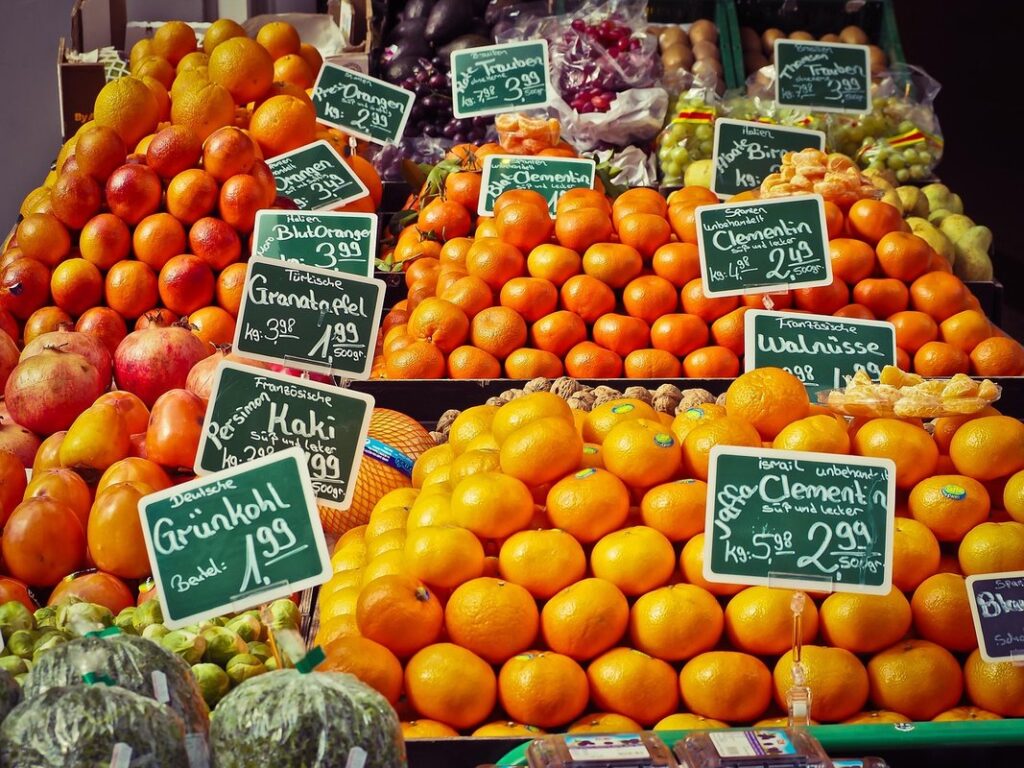
Seasonal produce also tends to be more appealing to customers. When shoppers see a variety of colorful, locally sourced fruits and vegetables, they’re more likely to be drawn in by the vibrant display. Consider creating eye-catching arrangements or grouping similar products together for visual appeal. This can help attract repeat business and build customer loyalty. To get started, visit your local growers’ market or check with area farmers to see what’s currently in season.
Baked Goods and Artisanal Products
Baked goods and artisanal products are consistently among the most popular items at farmers markets. They offer a unique combination of taste, aroma, and visual appeal that can draw in customers looking for a special treat or gourmet experience. To create unique offerings that stand out from the competition, consider offering seasonal flavor variations, such as pumpkin spice muffins in fall or strawberry rhubarb pie in spring.
Other ideas include creating themed product lines, like “Farm-to-Table” breads made with locally sourced grains and ingredients, or “Artisan’s Choice” jams and preserves crafted with unique fruit combinations. You can also experiment with different presentation styles, such as beautifully arranged pastry displays or hand-painted ceramic containers for take-out treats.
When creating artisanal products, don’t forget to emphasize the quality of your ingredients and the care that goes into crafting each item. Consider highlighting the story behind your product, like the local farm where you sourced the honey or the family recipe passed down through generations. By focusing on the authenticity and craftsmanship of your baked goods and artisanal products, you can build a loyal customer base and set yourself apart from other vendors at the market.
Considering Value-Added Products
When it comes to attracting customers and standing out from the crowd, value-added products can be a game-changer for farmers market vendors. We’ll explore what makes these items so appealing and how you can incorporate them into your sales strategy.
Creating Unique Product Offerings
Creating unique product offerings can be a game-changer for farmers market vendors. By adding value to your products, you increase profit margins and customer appeal, providing a distinct selling proposition. This means customers are more likely to choose your products over others. To create unique offerings, consider adding ingredients or preparations that aren’t easily replicable at home.
For example, infused oils, flavored vinegars, and specialty jams can be made with locally sourced ingredients and unique flavor combinations. These value-added products not only taste better but also offer a higher price point than raw ingredients. You can also experiment with different presentation methods, such as packaging or labeling, to make your products stand out.
When developing new products, think about what complements the local produce in season. For instance, if there’s an abundance of fresh berries, create a line of berry-infused honey or jam. By tying your value-added products to seasonal offerings, you can capitalize on the market’s demand and showcase your expertise as a vendor. This approach also helps you stay ahead of competitors and build a loyal customer base.
Examples of Successful Value-Added Products
Many farmers market vendors have found success with value-added products like homemade jams and preserves. For example, a vendor in Michigan’s Upper Peninsula sells “Wild Blueberry Jam” made from foraged blueberries, which appeals to customers looking for unique flavor profiles. Similarly, a California-based vendor creates artisanal honey products infused with locally sourced herbs and spices, such as lavender or chili peppers.
Another successful value-added product is small-batch hot sauce made from locally grown peppers. A New York-based vendor has gained a loyal following by offering a range of flavors, including “Sweet Pepper” and “Smoky Jalapeño.” These products not only offer a higher price point than basic produce but also cater to customers seeking more complex flavor profiles.
Some other successful value-added products include:
• Infused oils, such as garlic or herb-infused olive oil
• Pickled vegetables, like pickled carrots or beets
• Spiced nuts, made with locally sourced spices and nuts
These types of products not only offer a unique selling proposition but also appeal to customers looking for gourmet flavors.
Building Your Brand and Marketing Strategy
Developing a strong brand identity is crucial for attracting customers and standing out from the competition at your farmers market stall. This involves creating a clear message, selecting a memorable name, and establishing a recognizable visual presence.
Developing an Effective Brand Identity
Your vendors’ table is often the first impression customers have of your brand, so it’s essential to develop a strong and cohesive brand identity. This includes designing a logo, packaging, and overall aesthetic that reflects your values and products.
A well-designed logo can help differentiate you from competitors and make your stand more recognizable. Consider hiring a professional designer or using online tools like Canva to create a logo that is simple, memorable, and scalable for various applications.
In addition to logos, pay attention to the packaging of your products. This includes labels, bags, and any other materials used to display your items. Use high-quality materials and design elements that are consistent with your brand’s visual identity. For example, if you’re selling baked goods, consider using eco-friendly bags or containers that reflect your commitment to sustainability.
Your overall aesthetic is also crucial in creating a strong brand identity. This includes the colors, typography, and imagery used on your vendors’ table, website, and social media channels. Ensure consistency across all platforms by developing a comprehensive brand style guide.
Social Media and Online Presence
When you’re selling at a farmers market, having a strong online presence is crucial for building a loyal customer base and promoting your products. Start by claiming your social media profiles on platforms like Instagram, Facebook, and Twitter, and use consistent branding across all of them to create a recognizable identity.
Use these channels to share high-quality photos and descriptions of your products, as well as behind-the-scenes glimpses into the production process. Engage with potential customers by responding promptly to comments and messages, and running social media contests or giveaways can help generate buzz around new products.
It’s also essential to utilize online tools like email marketing platforms and loyalty programs to reward repeat customers and keep them informed about upcoming market events. For example, you could offer a discount code for first-time buyers who follow your social media accounts or join your email list.
Consider investing in paid advertising on social media platforms to reach a wider audience and drive traffic to your online sales channels or website.
Managing Operations and Logistics
Getting your products from farm to market requires careful planning, including transportation, storage, and inventory management. We’ll cover strategies for streamlining operations to minimize stress and maximize sales potential.
Setting Up and Maintaining Your Vendors’ Table
A visually appealing and functional vendors’ table is crucial for capturing customers’ attention and encouraging sales. Start by investing in sturdy display cases that can be easily assembled and disassembled at the market. These should be designed to showcase products from multiple angles, and consider using tiered displays or shelves to maximize vertical space.
Organize your products in a way that makes it easy for customers to navigate your offerings. This may involve grouping similar items together or creating themed sections. Consider labeling each section or product with clear signs or tags, including prices and any relevant ingredients or allergen warnings. Be mindful of the height at which you display your products – make sure they’re accessible without straining or overreaching.
Invest in a reliable point-of-sale system that can process transactions efficiently and securely. This may include a mobile card reader, cash box, or other payment processing tools. Train yourself and any staff members on how to use the system confidently and quickly. A smooth checkout experience is essential for building customer trust and reducing wait times.
Time Management and Staffing Considerations
When selling at a farmers market, efficient time management and staffing are crucial for success. Scheduling is key: plan to arrive at least an hour before opening to set up, and ensure you have enough staff on hand to handle peak hours. This might mean bringing in extra help during busy summer weekends or hiring seasonal employees to supplement your team.
Consider delegating tasks to different team members to maximize productivity. Assign one person to manage the cash register and customer transactions, while another focuses on restocking products and handling customer inquiries. This way, you can devote more time to interacting with customers and promoting your brand.
Effective customer service is also essential at a farmers market. Train your staff to be friendly, knowledgeable, and prepared to answer questions about your products. Encourage them to engage with customers, build relationships, and make recommendations based on customer preferences. By implementing these staffing strategies, you can create a positive and efficient sales experience that drives repeat business and builds a loyal customer base.
Frequently Asked Questions
What if I want to start selling at multiple farmers markets?
When deciding to expand your market presence, it’s essential to consider the logistics of managing multiple vendors’ tables, inventory, and staffing. Start by assessing the feasibility of each market location, including transportation costs, setup time, and potential competition. Prioritize the most promising locations and develop a strategy for streamlining operations across all markets.
Can I sell products that are not locally grown or made?
While it’s tempting to offer non-locally sourced products, they might not align with the farmers market’s mission of promoting local agriculture and craftsmanship. If you still want to sell non-local items, be transparent about their origin and consider co-branding with a local partner to add value to your offerings.
How do I handle product returns or customer complaints at the market?
Develop a clear return policy and have a plan in place for addressing customer concerns on-site. This might include having a designated staff member handle issues, maintaining an open line of communication with customers, and being prepared to offer refunds or exchanges when necessary.
What if my value-added products don’t sell as well as I expected?
Instead of discontinuing the product entirely, try tweaking the recipe or packaging to better appeal to your target audience. Also, consider offering free samples or discounts to gauge customer interest and gather feedback before making any significant changes.
Can I use social media to promote my farmers market presence during off-seasons?
While it’s essential to maintain a strong online presence year-round, you can repurpose content from the active seasons to keep your audience engaged during slower periods. Share behind-the-scenes stories, showcase new products or recipes, and offer exclusive promotions or discounts to loyal customers.

