When designing your backyard coop, choosing the right chicken nesting box dimensions is crucial for promoting egg-laying productivity in your hens. A well-designed nesting area can greatly reduce stress and improve overall hen comfort, leading to healthier birds that produce more eggs. But what exactly are suitable nesting box dimensions? The answer lies in providing an adequate space for each bird to comfortably lay its eggs without feeling cramped or vulnerable. A general rule of thumb is to provide a minimum of 3-4 square feet per bird, but this can vary depending on the size and breed of your chickens. In this article, you’ll learn how to select suitable chicken nesting box dimensions that cater to your flock’s specific needs, ensuring they feel safe and secure while laying their eggs.
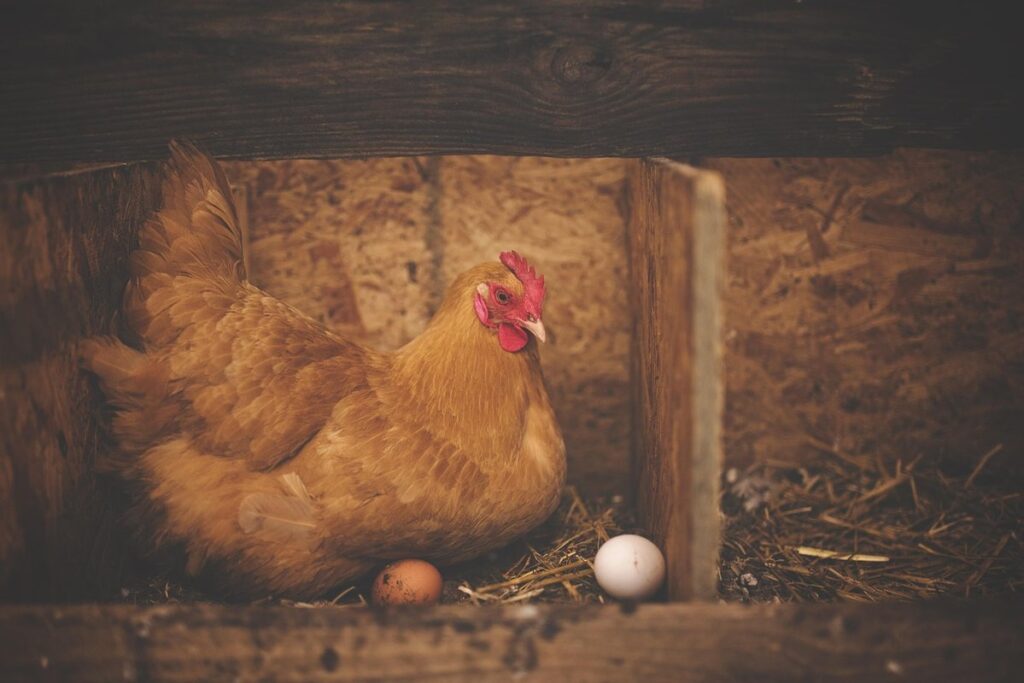
Understanding Chicken Behavior and Housing Needs
To raise happy and healthy chickens, it’s crucial to understand their natural behavior and provide a suitable environment that meets their housing needs. This includes considering nesting box dimensions that are both practical and comfortable for your flock.
Factors Influencing Nesting Box Size
When selecting a nesting box for your flock, it’s essential to consider the unique needs of each breed. Some breeds, like Leghorns and Cornish Crosses, are prolific egg layers and may require slightly larger boxes to accommodate their frequent nesting habits. In contrast, smaller breeds such as Bantams or Silkies may be content with more compact spaces.
The age of your hens also plays a role in determining the ideal nesting box size. Younger hens tend to have smaller pelvic openings, making it essential to provide ample space for easy entry and exit. As hens mature, their pelvic opening widens, allowing them to navigate larger boxes. If you’re using your coop for both egg-laying and brooding purposes, consider installing separate nesting boxes or a nesting box with adjustable dividers.
The purpose of the coop is another crucial factor in determining nesting box size. For example, if you’re primarily raising chicks or keeping a small flock for meat production, smaller boxes may suffice. However, if your focus is on egg-laying and you have multiple hens, larger boxes will provide comfort and space for individual hens to nest without feeling cramped.
Importance of Adequate Space for Comfort and Health
Providing sufficient space within the nesting box is crucial for maintaining a comfortable and healthy environment for hens. Inadequate space can lead to stress, discomfort, and health issues among chickens. A well-designed nesting box should allow each hen at least 3-4 square inches of floor space and 5-6 inches of height.
When hens are forced to share an insufficiently sized nesting box, they may exhibit behaviors like fighting, feather pecking, and excessive dust bathing. These stressors can compromise their immune systems, making them more susceptible to diseases. Moreover, cramped conditions can lead to health issues such as respiratory problems, egg yolk peritonitis, and reproductive tract infections.
To ensure optimal comfort and reduce stress, consider the following:
- A minimum of 3-4 square inches of floor space per hen
- Sufficient ventilation to prevent ammonia buildup
- Easy access for hens to enter and exit the nesting box without feeling crowded or trapped
By prioritizing adequate space within the nesting box, you can create a more comfortable environment that supports your chickens’ overall health and well-being.
Standard Nesting Box Dimensions and Guidelines
To build a functional and comfortable nesting box, it’s essential to understand standard dimensions and guidelines for your backyard flock. We’ll cover the most commonly recommended sizes for hens of different breeds and ages.
American Society for Testing and Materials (ASTM) Recommendations
ASTM recommends a minimum interior nesting box dimension of 12 inches wide by 12 inches deep. This guideline ensures hens can comfortably stand, turn around, and lay eggs without feeling confined or stressed. It’s essential to note that these dimensions are the bare minimum, and larger boxes often promote better health and egg production.
In practice, many commercial chicken farms use nesting boxes that meet or exceed ASTM’s recommended size. However, small-scale backyard operations may need to adapt their existing coops to accommodate these standards. One option is to install a tiered system with multiple nesting boxes, each measuring at least 12 inches wide by 12 inches deep.
To put this into perspective, consider the average size of an adult chicken: most breeds require about 3 square feet of space inside the coop and 8-10 square feet in the run. With this in mind, it’s clear that even the minimum recommended nesting box dimensions play a critical role in maintaining hens’ physical and mental well-being.
European Union Regulations on Nesting Box Size
The European Union has established regulations to ensure hens have sufficient space to comfortably lay eggs. The maximum size of nesting boxes is a critical aspect of these guidelines. According to EU regulations, each hen should have access to at least 300 square centimeters (cm²) of floor area and 30 cm in height.
It’s essential to note that the box’s width and depth should be greater than its height. For example, if the nesting box is 30 cm high, it should be at least 60 cm wide and 40 cm deep. This allows hens to easily enter and exit the box without feeling cramped or confined.
In addition to these minimum requirements, EU regulations also emphasize the importance of providing adequate ventilation, lighting, and temperature control within the nesting area. A well-ventilated space helps prevent respiratory problems in hens, while adequate lighting promotes egg-laying behavior. By adhering to these regulations, you can create a comfortable and healthy environment for your flock.
Calculating Custom Nesting Box Dimensions
To calculate custom nesting box dimensions, you’ll need to consider your flock’s breed, age, and egg-laying habits, as well as available space in your coop. This is where precision matters most.
Determining the Number of Hens and Housing Space Requirements
To determine the number of hens per nesting box, consider allocating a minimum of 3-4 square feet of floor space and 2-3 square feet of roosting bar space per bird. This ensures that each hen has sufficient room to move comfortably and roost without feeling crowded.
In practical terms, this translates to one nesting box for every 3-5 hens. For example, if you’re raising a flock of 10 chickens, you’ll need at least three nesting boxes. Keep in mind that individual breeds may have different space requirements; some larger breeds may require more space per bird.
When planning your coop layout, it’s essential to account for the nesting boxes’ depth and width as well. A box with a wider entrance and more interior space can accommodate multiple hens without feeling cramped. This may also encourage hens to roost together, reducing competition for resources and stress within the flock.
Considerations for Nesting Box Shape and Orientation
When designing a nesting box, it’s essential to consider not only its size but also its shape and orientation. A well-designed nesting box should be easy for hens to access and comfortable enough for them to spend time in. Rectangular boxes tend to work better than square or round ones, as they provide more space for the hen to turn around and lay eggs comfortably.
However, it’s crucial to ensure that the rectangular shape doesn’t create a narrow entrance that may deter hens from using the box. A typical width of 12-18 inches (30-45 cm) is recommended, with an entry point that allows easy access without feeling confined. The orientation of the nesting box also plays a significant role in its functionality.
Consider placing the nesting box at an angle to prevent water and debris from accumulating inside. This can be achieved by tilting it slightly towards the back or using a slight incline on the roof. For added comfort, consider adding a sloping or angled perch leading up to the nesting box entrance.
Building or Modifying a Chicken Coop with Ideal Nesting Boxes
When building or modifying your chicken coop, one of the most important considerations is designing and installing ideal nesting boxes that meet your birds’ needs and comfort levels. This section will walk you through the process of incorporating perfectly sized nesting boxes into your coop design.
Design Considerations for Easy Cleaning and Maintenance
When designing a chicken coop with nesting boxes, it’s essential to consider easy cleaning and maintenance. A well-designed coop can save you time and effort in the long run. One key aspect is positioning the nesting boxes for easy access. Place them near an exit or in a location that allows you to clean the area without disturbing the hens.
Consider using removable nesting box liners or trays, which make cleaning a breeze. These liners can be taken out and washed separately from the rest of the coop, reducing the risk of cross-contamination and disease transmission. You can also install sloping floors in the coop to allow for easy drainage and prevent moisture buildup.
To simplify maintenance tasks, think about the nesting box’s design. For example, you might choose a style with a hinged roof or removable walls, allowing you to access the area without dismantling the entire coop. Additionally, consider using a door or gate that can be closed off from the rest of the coop when cleaning is necessary. This will help contain any mess and prevent the hens from escaping or getting into the area while it’s being cleaned.
Integrating Perches, Roosts, and Other Amenities
When designing a chicken coop with ideal nesting boxes, it’s essential to integrate perches, roosts, and other amenities to create a comfortable environment for your hens. Perches provide a place for birds to rest and exercise their legs, while roosts offer a safe spot for them to settle in at night.
Consider installing multiple levels of perches or a tiered system to accommodate different hens’ preferences. Typically, two to three tiers are sufficient for a small flock, but larger flocks may require more levels. When choosing the material for your perches, opt for durable and easy-to-clean options like wood or plastic.
Proper ventilation is also crucial in maintaining a healthy environment within the coop. Ensure that there’s adequate airflow by incorporating windows, vents, or a screened door. This will help regulate temperature and humidity levels, reducing the risk of respiratory issues and disease transmission.
A small nesting box with good perches and roosts can make a big difference in your hens’ overall comfort and well-being. By providing these essential amenities, you’ll create an inviting space that encourages healthy habits and happy birds.
Best Practices for Nesting Box Placement and Accessibility
When placing your nesting box, consider the accessibility of your hens to ensure they can easily enter and exit the coop without any stress or discomfort. Proper placement is essential for a happy and healthy flock.
Strategic Location for Easy Egg Collection
Placing nesting boxes in easy-to-reach locations can significantly simplify egg collection. This is especially important for busy backyard chicken keepers who need to regularly collect eggs from their flock. A strategic location for nesting boxes should consider the chickens’ natural behavior and instinct to hide their nests.
Ideally, nesting boxes should be placed near the coop’s entrance or in a corner where hens can easily access them without being seen by potential predators. This also allows you to inspect the nesting boxes regularly without disturbing your flock.
To make egg collection even easier, consider placing nesting boxes at a height of around 2-3 feet off the ground. This makes it simple to collect eggs without having to bend or strain yourself. You can also add a small ramp or step to help older hens or those with mobility issues access their nests more easily.
Some chicken keepers place their nesting boxes in a designated “egg room” within the coop, where all the eggs are collected and stored. This can be a convenient way to keep track of egg production and make regular collections easier. By placing nesting boxes in accessible locations, you can save time and effort while also ensuring your hens stay safe and comfortable.
Ensuring Safe and Comfortable Access for Hens
When designing nesting boxes, it’s essential to prioritize safe and comfortable access for hens. A clean and easily accessible nesting box encourages hens to lay eggs regularly and reduces stress caused by struggling to reach the entrance or navigate through a cluttered area.
To ensure easy access, consider the following:
- Position the nesting box at an angle of around 30-40 degrees from the horizontal plane. This allows hens to comfortably step into the box without feeling like they’re climbing up.
- Leave enough clearance between the nesting box and any surrounding structures for a hen’s full wingspan (typically around 2-3 feet). Avoid placing boxes too close together or against walls, as this can make it difficult for hens to access them comfortably.
- Use a gentle slope or ramp leading into the nesting box to help hens climb up easily. A gradual incline of about 10-15 degrees is sufficient for most breeds.
- Consider the size and design of the nesting box entrance. A wider, more rectangular opening can make it easier for hens to enter and exit without feeling cramped.
Frequently Asked Questions About Chicken Nesting Boxes
We’ve had many readers ask us about common questions and concerns when it comes to chicken nesting boxes, so we’re addressing them here. Let’s clear up some misconceptions about nesting box dimensions and their impact on your flock.
Addressing Common Misconceptions and Concerns
Many people assume that larger nesting boxes are always better for hens, but this isn’t necessarily true. A nesting box that’s too large can actually cause more problems than it solves. For one, it can make the hen feel uneasy and anxious about entering a space that’s too big for her.
Others worry that their hens won’t use a nesting box if it’s not at least 12 inches wide or has a certain shape. However, studies have shown that hens are highly adaptable and will use a nesting box of various sizes as long as it meets their basic needs. Typically, a nesting box around 9-11 inches in width is sufficient for most breeds.
Some people also believe that the placement of the nesting box is crucial to ensuring hen health and safety. While it’s true that strategic location can make egg collection easier, it’s not the only factor at play. For example, if you have a large flock, placing multiple nesting boxes near each other can help reduce stress and competition among hens.
In reality, what matters most is providing your hens with enough space to comfortably enter and exit their nesting box without feeling crowded or restricted. This usually means positioning the nesting box in a quiet, sheltered spot where your hens feel safe and secure. It’s also essential to consider the design of the nesting box itself, ensuring it has adequate ventilation, easy cleaning access, and suitable perches for your hens.
When choosing a nesting box, don’t be swayed by myths or misconceptions – focus on providing your hens with what they need to thrive. With careful consideration and attention to detail, you can create an ideal environment that supports the health and happiness of your flock.
Conclusion: Creating an Optimal Environment with Suitable Nesting Box Dimensions
Now that we’ve explored optimal nesting box dimensions for your flock, let’s discuss how to create a harmonious environment within those ideal spaces. By doing so, you’ll be supporting happy and healthy hens.
Recap of Key Takeaways and Considerations
When choosing the right nesting box dimensions for your hens, it’s essential to remember that adequate space is crucial for their comfort, health, and productivity. A well-designed nesting box not only helps reduce stress but also encourages healthy behaviors such as egg-laying.
Considerations like sufficient headroom, ample space for turning around, and comfortable roosting areas are all critical components of an ideal nesting box design. You should prioritize the needs of your hens, taking into account their age, breed, and individual characteristics. For example, larger breeds may require more spacious boxes than smaller ones.
When it comes to calculating custom nesting box dimensions, be sure to consider the number of hens you plan to house and allocate sufficient square footage per bird. A general rule of thumb is to provide at least 2-3 cubic feet (55-85 liters) of space per hen in a rectangular or square-shaped box. However, this can vary depending on the specific breed and desired level of comfort.
To recap, some key takeaways for creating an optimal environment with suitable nesting box dimensions include:
- Providing ample headroom to allow hens to stand comfortably without hitting their heads
- Offering sufficient space for turning around and roosting
- Considering the individual needs of your hens based on age, breed, and characteristics
- Allocating enough square footage per bird when calculating custom nesting box dimensions
By prioritizing these factors and considering the unique needs of your flock, you can create a harmonious and productive environment that promotes healthy behaviors and happy hens.
Frequently Asked Questions
What if I already have a coop and want to modify it to fit the recommended nesting box dimensions?
Modifying an existing coop can be challenging. Consider assessing your coop’s layout and determining which areas can accommodate the necessary modifications. Start by measuring your current nesting boxes and identifying potential space for expansion or rearrangement. You may need to repurpose adjacent spaces, such as underbed storage or alcoves, to create a larger nesting area.
Can I use a pre-made nesting box or should I build one from scratch?
While pre-made nesting boxes can be convenient, they might not meet your specific needs or accommodate unique coop designs. Building a custom nesting box allows for precise dimensioning and tailored features like ventilation and accessibility options. Consider the benefits of bespoke design, but also weigh the potential costs and time involved.
What about hens that are too large or too small – how do I adapt my nesting boxes?
Standard dimensions might not suit every breed or size of hen. Large breeds may require wider or taller boxes, while smaller breeds can thrive in narrower spaces. Research your specific breed’s needs and adjust the box dimensions accordingly. You may also consider installing adjustable perches or nesting box dividers to accommodate hens of varying sizes.
How do I ensure my nesting boxes are accessible for older or injured hens?
Older or injured hens often need easy access to nesting areas, which can be a challenge in larger coops. Consider installing ramps or gentle inclines near the nesting boxes to facilitate comfortable entry and exit. You may also want to position the nesting boxes at floor level or slightly elevated to reduce strain on older birds.
Can I use nesting boxes for multiple purposes, like roosting or brooding?
While nesting boxes can be versatile, using them for multiple purposes might compromise their effectiveness. Consider dedicating separate areas within your coop for different activities, such as roosting perches or brooder sections. This will help maintain a clean and safe environment for all hens.