
Wisconsin’s lakes and rivers are home to a growing industry that’s changing the way we think about seafood: fish farming. While some people might be surprised to learn that Wisconsin is a major player in aquaculture, the state’s cool waters and rich agricultural heritage make it an ideal place for raising a variety of fish species. From trout and salmon to catfish and tilapia, Wisconsin’s fish farms are not only producing high-quality protein for local markets but also contributing to the state’s economy through exports. But with growing concerns about sustainability and food safety, what sets Wisconsin’s fish farms apart from others? In this article, you’ll learn about the types of farmed species, certifications like ASC and Best Aquaculture Practices, and how these operations are working to balance economic benefits with environmental stewardship, allowing you to make informed choices about the seafood on your plate.
History and Development of Fish Farming in Wisconsin
Wisconsin has a rich history of fish farming, dating back to the 1960s when the first commercial aquaculture operations were established. Over time, the industry has evolved and grown in response to changing consumer demand and advances in technology.
Early Beginnings of Aquaculture in Wisconsin
Wisconsin’s aquaculture industry has its roots in the early 20th century. One of the pioneers of fish farming in the state was Henry Shippy, who began cultivating rainbow trout on his farm in 1909. Shippy’s innovative approach to fish production involved using a series of interconnected ponds to raise and harvest trout. His methods proved successful, and soon other farmers were following suit.
Another key figure in Wisconsin’s early aquaculture industry was the University of Wisconsin-Madison’s College of Agriculture and Life Sciences. In the 1940s and 1950s, the university’s researchers developed new techniques for cultivating cold-water species like trout and salmon. These advancements helped establish Wisconsin as a leader in fish farming.
The state’s natural resources – including its abundant lakes and waterways – also played a crucial role in the development of aquaculture in Wisconsin. The unique combination of climate, geology, and water quality made it an ideal location for raising cold-water species like trout and salmon. Today, many commercial fish farms in Wisconsin continue to build on this legacy by harnessing the state’s natural advantages to produce high-quality fish products.
Growth and Expansion of Fish Farms in the State
Technological advancements played a significant role in the growth and expansion of fish farms in Wisconsin. The introduction of recirculating aquaculture systems (RAS) allowed for more efficient water management, reducing waste and increasing production capacity. These systems enabled farmers to control water quality, optimize feeding, and monitor water parameters in real-time. This led to improved yields, reduced costs, and enhanced product quality.
Government support also contributed to the expansion of fish farms in Wisconsin. The state government established programs to provide funding for research and development, as well as technical assistance to farmers. These initiatives helped farmers adopt new technologies, improve their operations, and increase their competitiveness in the market.
Market demand was another driving factor behind the growth of fish farms in Wisconsin. As consumer interest in sustainable seafood increased, Wisconsin’s fish farmers were able to capitalize on this trend by producing high-quality, locally sourced products that met stringent environmental and social standards. This shift towards sustainability created new opportunities for Wisconsin’s fish farming industry, enabling it to expand its customer base and increase revenue.
Types of Fish Farmed in Wisconsin
Wisconsin’s fish farms raise a diverse range of species, from pan-sea to game fish, each with its own unique characteristics and requirements. Let’s take a closer look at some of the most common types farmed in the state.
Cold-Water Species: Trout and Salmon Production
Trout and salmon are among the most popular cold-water species farmed in Wisconsin. These fish require specific water conditions to thrive: cold temperatures between 40°F and 60°F (4°C to 15°C), well-oxygenated water, and adequate space for swimming. Trout production is particularly common in Wisconsin’s north-central region, where natural springs provide a consistent supply of cold water.
Salmon farming also takes place in Wisconsin, although on a smaller scale than trout production. Salmon are often raised from fingerlings (juvenile fish) to market size in recirculating aquaculture systems (RAS). These systems conserve water and reduce waste by recycling the water used for fish growth.
Wisconsin’s cold-water species farms cater primarily to domestic markets, with some export of live fish to neighboring states. Market trends suggest a growing demand for sustainable and locally sourced seafood products, which presents opportunities for Wisconsin’s trout and salmon farmers to differentiate themselves through environmentally friendly practices and premium branding.
Warm-Water Species: Catfish and Tilapia Production
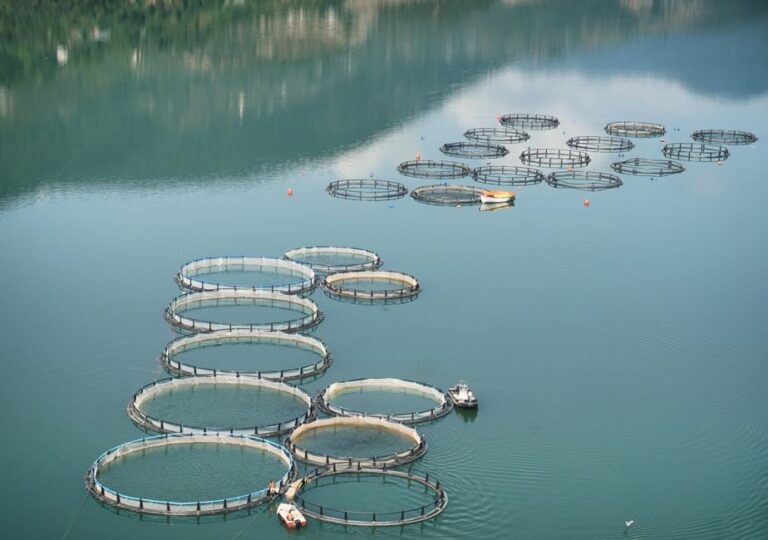
Catfish and tilapia are two of the most widely farmed warm-water species in Wisconsin. Catfish farming typically involves recirculating aquaculture systems (RAS), which conserve water and reduce waste. These systems also allow for more precise control over water quality and temperature, making it easier to produce high-quality fish. In contrast, tilapia production often relies on earthen ponds or net pens, where water circulation is less controlled.
To succeed in warm-water species farming, Wisconsin producers must carefully manage feeding strategies to optimize growth rates while minimizing feed costs. The average market size for catfish and tilapia can vary depending on the specific market and consumer preferences. For example, some restaurants may prefer smaller, more flavorful fish, while others prioritize larger quantities at a lower price point.
Market trends suggest that demand for warm-water species continues to grow, driven in part by their mild flavor profiles and versatility in various cuisines. Wisconsin producers can capitalize on this trend by focusing on quality control, ensuring consistent product offerings, and building strong relationships with buyers and suppliers. By doing so, they can not only meet but also exceed market expectations and remain competitive in the industry.
Regulations and Certifications for Fish Farms in Wisconsin
If you’re planning to start a fish farm in Wisconsin, it’s crucial to understand the regulations that govern the industry. These laws and certifications will determine your operation’s success.
State and Federal Regulations
In Wisconsin, fish farms must comply with both state and federal regulations to ensure a safe and sustainable industry. The Wisconsin Department of Natural Resources (DNR) oversees environmental guidelines for aquaculture operations, including permits for water use and discharge, as well as requirements for habitat protection and restoration.
The U.S. Environmental Protection Agency (EPA) also plays a role in regulating fish farms through the Clean Water Act and the National Pollutant Discharge Elimination System (NPDES). This involves monitoring effluent quality and ensuring that wastewater is properly treated before discharge into waterways.
Animal welfare standards are enforced by the Wisconsin Department of Agriculture, Trade and Consumer Protection (DATCP), which ensures compliance with animal care regulations and disease management protocols. Food safety protocols are also in place, with the USDA’s Food Safety and Inspection Service (FSIS) responsible for inspecting fish farms to prevent contamination and ensure that products meet federal standards.
Fish farmers must also comply with state regulations regarding feed usage and waste disposal, as well as those related to biosecurity measures to prevent disease outbreaks.
Aquaculture Certifications: ASC and BAP
Wisconsin fish farms can choose from various aquaculture certifications to demonstrate their commitment to responsible and sustainable practices. Two prominent certification programs are ASC (Aquaculture Stewardship Council) and BAP (Best Aquaculture Practices). These organizations establish standards for environmental, social, and animal welfare performance.
ASC certification focuses on topics such as water quality, habitat conservation, and management of feed and waste. Certified farms must meet rigorous standards to minimize their impact on the environment. For instance, ASC-certified farms are required to implement measures to prevent escapes, maintain proper water circulation, and ensure adequate shelter for fish. BAP certification also emphasizes responsible aquaculture practices but with a broader scope that includes social responsibility and animal welfare.
Both certifications have benefits for farmers and consumers alike. Consumers can trust that certified products come from farms meeting high standards of sustainability. For farmers, obtaining these certifications can enhance their brand reputation and increase market access to premium markets. To become ASC or BAP certified, Wisconsin fish farms must undergo a rigorous assessment process, which includes on-site audits and regular monitoring of performance against established criteria.
Environmental Impact and Sustainability of Fish Farms in Wisconsin
As we examine the fish farming industry in Wisconsin, it’s essential to consider the environmental impact and sustainability of these operations on a local scale. This section will delve into the key concerns surrounding the environmental footprint of fish farms in the state.
Water Quality and Habitat Protection
Wisconsin’s fish farms are susceptible to environmental criticisms regarding water quality and habitat disruption. High stocking densities can lead to waste buildup and nutrient overload, negatively impacting nearby aquatic ecosystems. Excess nutrients may stimulate algal blooms, which deplete oxygen levels and harm aquatic life. Additionally, escaped farmed fish can hybridize with wild populations or introduce non-native species that outcompete native species for resources.
To mitigate these effects, Wisconsin’s Department of Natural Resources (DNR) enforces regulations on effluent discharge and requires regular monitoring of water quality parameters like pH, ammonia, and dissolved oxygen levels. Fish farms must also maintain a buffer zone between their operations and adjacent habitats to prevent water pollution and habitat destruction.
Some fish farms in the state have implemented sustainable practices to minimize their environmental footprint. For instance, some use recirculating aquaculture systems (RAS) that recycle wastewater and reduce waste discharge. Others adopt integrated multi-trophic aquaculture (IMTA) methods, which involve co-culturing multiple species to promote ecological balance and nutrient cycling. By incorporating such measures, Wisconsin’s fish farms can better manage their environmental impact while maintaining productive operations.
Feed Management and Sustainability Practices
Wisconsin fish farms are adopting sustainable feed management practices to reduce their environmental footprint. One key strategy is using locally sourced ingredients for fish feed, which decreases reliance on imported materials and supports local agriculture. This approach not only reduces transportation-related emissions but also promotes the growth of nearby crops suitable for aquaculture.
Feed manufacturers in Wisconsin are developing feeds that incorporate local grains such as corn, soybeans, and wheat. For example, a Wisconsin-based company has created a fish feed formula made from locally sourced corn and soybeans, which is now used by several large-scale fish farms in the state. By using locally sourced ingredients, these fish farms can also reduce their carbon footprint and support local economic growth.
Another important aspect of sustainable feed management practices is waste reduction. Fish farms are implementing more efficient feeding systems to minimize waste and excess nutrients that can pollute nearby waterways. This approach involves monitoring fish consumption patterns and adjusting feed quantities accordingly, thereby reducing the amount of uneaten feed that enters the environment.
Economic Benefits and Job Creation in Fish Farming
Fish farming can have a significant impact on local economies, creating new job opportunities and stimulating economic growth through increased production and sales of fish products. Let’s take a closer look at these benefits in more detail.
Local Economies and Job Opportunities
In local communities surrounding fish farms, a significant economic boost is evident through job creation. Fish farming operations require skilled labor for tasks such as water quality management, feeding, and harvesting. This influx of jobs not only provides employment opportunities but also stimulates the local economy by increasing disposable income among residents. As a result, local businesses often experience a surge in sales, benefiting from increased consumer spending.
In addition to job creation, fish farms generate tax revenue for state and local governments. Property taxes on farmland used for fish farming contribute to municipal and county coffers. Furthermore, fish farms can create opportunities for local infrastructure development, such as the construction of roads and facilities to support aquaculture operations. For example, a newly established fish farm in Wisconsin might partner with local contractors to build a new processing facility or storage tanks.
By contributing to local economies through job creation, tax revenue, and infrastructure development, fish farms can have a lasting impact on the communities they serve.
Market Trends and Export Potential
Wisconsin fish farms are poised to benefit from growing demand for sustainable seafood. The global market for aquaculture products is expected to continue expanding, driven by factors such as increasing consumer awareness of food sustainability and concerns about wild-caught fisheries. Wisconsin’s cold-water fish species, particularly trout and salmon, have a competitive advantage in international markets due to their high quality and flavor profile.
To tap into these opportunities, Wisconsin fish farms can consider diversifying their product offerings to meet emerging market trends. This might include developing value-added products such as smoked or frozen fish, or exploring new species that are well-suited to the state’s climate and water resources. For example, some Wisconsin farms have successfully introduced hybrid catfish strains that offer improved growth rates and disease resistance.
In terms of export potential, the US-Mexico trade agreement has opened up new markets for Wisconsin aquaculture producers. Many countries also recognize the value of Wisconsin’s cold-water fish species, which are prized for their high quality and low environmental impact. To maximize export opportunities, Wisconsin fish farms should focus on building relationships with key buyers and developing a strong brand identity that highlights the state’s unique advantages in sustainable aquaculture production.
Challenges and Future Directions for Fish Farms in Wisconsin
As we explore the complexities of fish farming in Wisconsin, one key consideration is the challenges that must be addressed to ensure long-term sustainability. These include water management issues and emerging disease threats.
Climate Change and Disease Management
Climate change poses significant challenges to fish farming in Wisconsin. Rising water temperatures and altered precipitation patterns can disrupt the delicate balance of aquatic ecosystems, making it harder for farmers to manage disease outbreaks. Warmer waters, for instance, can increase the proliferation of aquatic pathogens such as Aeromonas hydrophila, which causes bacterial cold-water disease. To mitigate this risk, farmers can implement measures like water quality monitoring and biosecurity protocols.
Another key strategy is adapting to changed precipitation patterns. In Wisconsin’s climate, increased rainfall can lead to excess nutrients entering the water system, exacerbating algal blooms that can stress fish and make them more susceptible to disease. Farmers can take steps to manage excess nutrients by implementing best management practices for feed and manure handling. This might involve using slow-release fertilizers or adjusting feeding schedules to avoid nutrient surges.
In terms of specific adaptations, some Wisconsin fish farms are experimenting with climate-resilient breeds that are better suited to warmer water temperatures. Others are exploring integrated pest management (IPM) techniques, which combine physical barriers, biological control methods, and targeted chemical treatments to minimize the need for antibiotics. By adopting these strategies, fish farmers in Wisconsin can build resilience against the impacts of climate change and maintain high standards of disease management.
Emerging Technologies and Innovations
Precision feeding systems are becoming increasingly common in Wisconsin fish farms. These systems use sensors and data analytics to monitor fish growth rates and adjust feed rations accordingly. By optimizing feed usage, farmers can reduce costs and minimize waste. One example is the use of cameras that take images of the fish, which are then analyzed by software to determine their size and weight.
Water treatment systems are another area where innovation is making a difference. Some farms are implementing recirculating aquaculture systems (RAS), which reuse up to 99% of the water, reducing the amount of wastewater discharged into the environment. RAS also allows for more precise control over water quality, improving fish health and reducing the risk of disease.
Some Wisconsin fish farmers are also experimenting with alternative protein sources, such as algae-based feed supplements. These products can help reduce the reliance on wild-caught fishmeal and promote more sustainable aquaculture practices. However, it’s essential to note that these new technologies and innovations require significant upfront investment in infrastructure and training for farm staff.
Frequently Asked Questions
Can I start a small-scale fish farm in Wisconsin with minimal investment?
Yes, it’s possible to start a small-scale fish farm in Wisconsin with initial investments ranging from $10,000 to $50,000. However, consider seeking advice from experienced aquaculture professionals and local government agencies to ensure compliance with regulations and optimal resource utilization.
How do I choose the right species for my Wisconsin fish farm?
The choice of species depends on factors like market demand, water quality, and production costs. Consider starting with cold-water species like trout or salmon if you have access to clean and cool water sources. For warm-water species, catfish and tilapia are popular options, but ensure you can provide the necessary infrastructure for optimal growth.
What if my fish farm is affected by climate change-related events like droughts or floods?
Climate-resilient strategies include implementing efficient water management systems, diversifying species to adapt to changing conditions, and investing in disease prevention measures. Collaborate with local experts and research institutions to stay informed about best practices and new technologies that can help mitigate the impact of climate-related challenges.
Can I sell my fish products directly to consumers through a farm-to-table model?
Yes, many Wisconsin fish farms are successfully marketing their products directly to consumers through on-farm sales, farmers’ markets, or community-supported aquaculture (CSA) programs. Consider building relationships with local restaurants and retailers to expand your market reach while maintaining the quality and freshness of your produce.
How do I ensure my fish farm is compliant with state and federal regulations regarding water quality and animal welfare?
Regularly monitor and maintain accurate records of water quality parameters, waste management practices, and animal health monitoring. Consult with regulatory agencies and industry experts to stay up-to-date on changing regulations and best management practices. Consider implementing third-party audits or certifications like ASC or BAP to demonstrate your commitment to sustainability and responsible aquaculture practices.

