Growing your own bean sprouts at home can be a simple yet rewarding experience, providing you with a fresh and nutritious addition to any meal. For many, the idea of cultivating their own food may seem daunting, but growing bean sprouts is an excellent place to start – it requires minimal equipment and space. You’ll need some basic materials like a jar or container, a mesh screen, and a clean environment to keep things tidy. Choosing the right seeds is also crucial; look for varieties specifically designed for sprouting, such as mung beans or adzuki beans. By following our step-by-step guide, you’ll learn how to prepare your seeds, provide optimal growing conditions, and harvest delicious bean sprouts in just a few days. With this knowledge, you’ll be able to grow your own bean sprouts with ease and enjoy the satisfaction of eating healthy, homegrown produce.
Choosing the Right Materials and Equipment
To grow healthy bean sprouts, you’ll need the right equipment and materials – let’s start by choosing a clean and suitable container for soaking your beans.
Selecting the Perfect Bean Variety
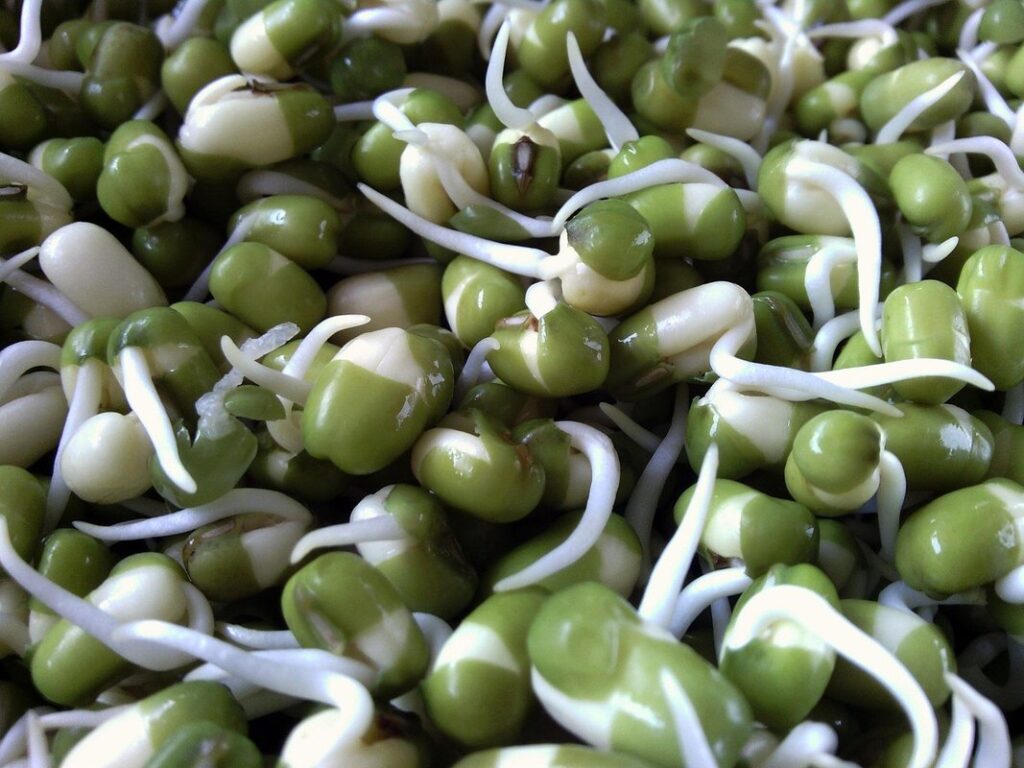
When it comes to growing bean sprouts at home, selecting the right variety of beans is crucial for success. Mung beans are a popular choice due to their fast growth rate and mild flavor profile. They typically germinate within 24-48 hours and can be ready to harvest in as little as 3-5 days.
Kidney beans, on the other hand, have a slightly longer germination period of 2-3 days but offer a more robust flavor and texture. Adzuki beans are another option, with a sweet and nutty taste that many people enjoy. However, they tend to be slower-growing than mung or kidney beans.
When choosing between these varieties, consider your personal preference for flavor and texture, as well as the time of year you’re growing. Mung beans are often preferred during warmer months due to their faster growth rate. Kidney and adzuki beans may be a better choice for colder climates or if you prefer a slower-growing option.
Some key characteristics to look out for when selecting bean varieties include germination rates, growth habits, and resistance to mold and rot. Look for high-quality seeds from reputable suppliers to ensure the best results.
Preparing the Growing Container
When it comes to growing bean sprouts at home, you have several container options to choose from. Glass jars with mesh lids are a popular choice, as they allow for easy observation and monitoring of the sprouting process. Plastic bags or containers with small holes punched into them can also work well, but make sure to provide enough ventilation to prevent the buildup of condensation.
A specialized sprouting tray is another option, designed specifically for growing bean sprouts. These trays typically have multiple compartments and drainage systems to ensure optimal growing conditions. Regardless of which container you choose, proper drainage and ventilation are crucial. A layer of activated charcoal or a small amount of sand at the bottom can help with drainage.
It’s essential to provide adequate air circulation around the seeds to prevent mold and fungal growth. If using a plastic bag, make sure it’s not too tight and allows for some airflow. When selecting a container, consider its size in relation to the number of seeds you’re growing. A general rule of thumb is to use a container that’s at least 1-2 inches deep to accommodate the sprouting process.
Preparing the Seeds for Sprouting
Before you can start growing bean sprouts, it’s essential to prepare your seeds properly to ensure they germinate and thrive. This involves rinsing and soaking them to awaken their sprouting potential.
Soaking and Rinsing the Beans
To activate the beans for growth, you’ll need to soak them in water. This process helps to rehydrate the seeds and kickstart their germination. The optimal soaking time varies depending on the type of bean you’re using.
For most common bean varieties like mung beans or kidney beans, a 6-8 hour soaking period is recommended. However, for smaller beans like adzuki beans, a shorter soaking time of 4-6 hours may be sufficient. It’s essential to maintain water at room temperature (around 70°F to 75°F) during the soaking process.
After soaking, rinse the beans thoroughly with clean water to remove any excess moisture. This helps prevent fungal growth and ensures the seeds develop evenly. Use a fine-mesh strainer or a piece of cheesecloth to catch any loose beans during rinsing.
When selecting your soaking water, choose filtered or bottled water to minimize impurities. Avoid using tap water if it’s high in chlorine or other minerals that can hinder germination. By following these simple steps, you’ll be well on your way to activating your bean seeds for successful sprouting.
Sterilizing the Equipment and Workspace
Maintaining a clean environment is crucial for successful bean sprouting. Contamination from bacteria, mold, and other microorganisms can lead to spoiled seeds and unsightly growth. To prevent this, you’ll need to sterilize your equipment, workspace, and hands.
Start by washing your hands thoroughly with soap and warm water. This may seem obvious, but it’s essential for preventing the transfer of contaminants to your equipment and seeds. Next, sterilize any metal or plastic tools that will come into contact with your beans, such as a jar lid or spoon. You can do this by submerging them in boiling water for 5-10 minutes or using a sanitizing solution like bleach.
Clean your workspace thoroughly, paying attention to any areas where water may collect, such as the sink or countertops. Use a mild detergent and warm water to wipe down all surfaces. For added protection, you can apply a thin layer of mineral oil or cooking spray to prevent moisture from accumulating on surfaces.
When handling seeds, avoid touching them excessively, as this can transfer oils from your skin that may inhibit growth. Instead, use tongs or a sterile spoon to handle the beans. By following these simple steps, you’ll create an environment conducive to healthy bean sprouting.
Starting the Sprouting Process
To begin growing bean sprouts, you’ll first need to prepare a clean and dry jar for soaking your beans. Rinse the jars thoroughly before use.
Setting Up the Container with Seeds and Water
Place a single layer of seeds about 1/4 inch apart on the growing medium. You can spread them evenly by hand or use a small spoon to portion them out. For optimal germination, make sure the seeds are not touching each other or the container’s sides.
Next, gently pour water over the seeds until the growing medium is consistently moist but not waterlogged. Aim for a 1:1 ratio of seed-to-water – you want enough moisture to encourage growth without promoting rot or fungal development. The growing medium should feel damp to the touch but still allow for a slight give when pressed.
Check the container’s drainage holes before adding the seeds and water. If they’re clogged, clean them out with a small brush or pin to ensure excess water can escape freely. This will prevent water from accumulating at the bottom of the container and causing root rot. Once set up, place the container in a bright, warm spot, ideally around 70-80°F (21-27°C), for optimal sprouting conditions.
Providing Optimal Growing Conditions
To ensure optimal growth, provide a temperature range of 70-80°F (21-27°C) for the sprouts. This can be achieved by placing the container on a sunny windowsill or using a grow light. Direct sunlight is ideal, but if that’s not possible, aim for at least four to six hours of indirect light per day.
Maintain humidity levels between 50-60% during the sprouting process. You can cover the top of the container with a cloth or plastic wrap to maintain the moisture. However, be cautious not to create an overly humid environment, as this can lead to mold growth.
In terms of light exposure, it’s essential to strike a balance between providing enough light and preventing overheating. A south-facing windowsill is usually ideal for bean sprouts, but if you’re using a grow light, choose one with adjustable intensity settings to avoid burning the sprouts.
Monitoring and Maintaining the Sprouts
Now that your bean sprouts are growing, it’s crucial to monitor their progress and make sure they receive the right amount of moisture and light. Regular checks will keep them healthy and thriving.
Checking on the Sprouts Daily
Monitoring water levels is crucial to prevent overwatering, which can lead to mold and root rot. Check the container daily, making sure the water level remains below the seed line. You should see a small amount of white roots growing from the seeds within 1-2 days.
Maintain optimal temperature conditions between 70°F to 80°F (21°C to 27°C) for most bean varieties. If your environment is colder or warmer than this range, consider using a heating mat or placing the container in a sunnier location. Check humidity levels as well; if it’s too dry, cover the container with a damp cloth or plastic bag to maintain a humid microclimate.
During daily checks, keep an eye out for signs of pests like aphids, spider mites, or mealybugs. Regularly inspect the sprouts for mold, which can appear as white, green, or black patches. If you notice any issues, address them promptly by adjusting the environment or using organic pest control methods.
Aim to check the container at least once a day, but ideally twice, to ensure the sprouts receive consistent moisture and optimal conditions. This regular attention will help prevent common problems and promote healthy growth.
Harvesting and Storage
When to harvest bean sprouts is crucial for their flavor and texture. Typically, it takes 3-5 days after soaking for the sprouts to reach their optimal stage. Check on them daily by gently lifting the lid of the container; you’ll notice a slight increase in length and a more pronounced green color.
To trim the sprouts properly, use scissors or a sharp knife to cut off the roots, leaving about 1 inch of stem attached to the bean. This helps prevent moisture from accumulating at the base of the sprout, which can lead to mold and spoilage.
Storage is also essential for extending shelf life. Place the trimmed sprouts in an airtight container or plastic bag with a paper towel to absorb excess moisture. Store them in the refrigerator at a consistent temperature below 40°F (4°C). Typically, bean sprouts will keep for 1-3 days when stored properly.
It’s worth noting that you can also blanch the trimmed sprouts in boiling water for 30 seconds before storing them in the refrigerator. This step helps preserve their color and texture but is optional if you plan to use them within a day or two.
Advanced Techniques and Troubleshooting
As you gain more experience growing bean sprouts, you’ll inevitably encounter some common issues that can affect your yields. This section covers advanced techniques for overcoming those challenges.
Growing Bean Sprouts in Winter or Low-Light Conditions
To grow bean sprouts in winter or low-light conditions, you’ll need to think creatively about providing the right environment. One solution is to use grow lights specifically designed for indoor growing. These can be placed directly above the container or arranged around it, depending on the type of light and its intensity.
Consider investing in LED grow lights, which are energy-efficient and produce minimal heat. They’re also a good choice if you have limited space. Fluorescent lights, such as T5 or T8 bulbs, are another option. Just be aware that they can be more finicky and may require adjustments to their height and angle.
If using grow lights isn’t feasible, look for areas in your home with natural light. A south-facing window is ideal, but even a north-facing one will provide some benefit. Place the container at least 6-8 inches away from the window to avoid overheating.
Keep in mind that bean sprouts require consistent temperatures between 65°F and 75°F (18°C and 24°C). If your home is consistently cooler or warmer, consider using a space heater or fan to maintain optimal conditions.
Common Issues and Solutions
Mold and mildew are common problems that can arise when growing bean sprouts indoors. These issues often occur due to inadequate air circulation, excess moisture, or insufficient light. To prevent mold growth, ensure good ventilation by placing the container near a window or using a fan. Regularly inspect your sprouts for signs of mold and promptly remove any affected areas.
Inconsistent growth rates can be caused by variations in temperature, humidity, or soil quality. To maintain optimal growing conditions, monitor your environment closely and make adjustments as needed. Keep the area around the container clear of clutter to allow for easy access and maintenance.
Pests like fungus gnats or spider mites can also infest your bean sprouts. To prevent infestations, use a fine-mesh screen to cover the container and keep it away from direct sunlight. Regularly inspect your sprouts for signs of pests and treat any infestations promptly.
To optimize growth, maintain a consistent temperature between 65°F and 75°F (18°C and 24°C) and provide sufficient light. By addressing these common issues and maintaining a healthy growing environment, you can promote optimal growth and enjoy a successful bean sprout harvest.
Tips for Maximizing Yields and Quality
To get the most out of your bean sprout-growing experience, we’ll cover some essential tips to ensure your yields are plentiful and your sprouts are top-notch. This section will provide you with expert advice on maximizing quality.
Improving Seed Viability and Germination Rates
Fresh seeds are essential for optimal germination rates. Store-bought seeds can sit on shelves for months before being purchased, which can lead to a decrease in viability. Consider using fresh beans from a local market or growing your own seed stock. This ensures the seeds have not been exposed to extreme temperatures or moisture fluctuations during storage.
Proper handling and storage of seeds also play a crucial role in maintaining high germination rates. Seeds should be kept in an airtight container, away from direct sunlight and moisture. Store them in a cool, dark place with consistent temperatures between 40°F and 60°F (4°C to 15°C). Avoid exposing seeds to extreme temperatures or humidity levels.
Experimenting with different soaking times can also improve seed viability. Some bean varieties respond better to shorter or longer soaking periods. For example, mung beans typically require a 24-hour soak, while adzuki beans may benefit from an 8-12 hour soak. Monitor your specific variety’s response and adjust the soaking time accordingly.
By using fresh seeds and storing them properly, you can significantly increase germination rates and ensure a healthy start for your bean sprouts.
Increasing Yield and Harvest Time
To increase yield and harvest time, consider using larger containers with a deeper water reservoir. This will give the roots of the sprouts more room to grow, allowing for a higher density of plants per container. A good rule of thumb is to use a minimum depth of 4-6 inches (10-15 cm) for the water reservoir.
Maintaining optimal growing conditions is also crucial for maximizing yield. Ensure that the temperature remains between 70°F and 80°F (21°C and 27°C), with high humidity levels. You can achieve this by placing the container in a sealed plastic bag or covering it with a damp cloth.
A consistent water schedule is essential for healthy growth. Aim to soak the beans for 8-12 hours, followed by a period of drying. Then, repeat the cycle every 24 hours. This will help regulate the sprouts’ growth and encourage them to produce more leaves and stems.
To further optimize your yield, consider using a tray or container with built-in drainage holes. This will prevent waterlogged soil and reduce the risk of root rot. By implementing these techniques, you can increase your yield and harvest time, allowing for multiple crops in a single season. Regularly check on your sprouts to ensure they are receiving enough light and maintaining optimal growing conditions.
Frequently Asked Questions
What If My Bean Sprouts Develop Mold Despite Regular Monitoring?
Mold growth can be a frustrating issue for sprouting enthusiasts. Yes, it’s possible that your bean sprouts develop mold despite regular monitoring. This might occur if the container is not properly ventilated or if the humidity levels are too high. To prevent this, ensure that your growing space has good airflow and maintain optimal humidity levels between 50-60%. Regularly inspect your sprouts for signs of mold and take prompt action to address any issues.
How Long Can I Store Bean Sprouts in the Refrigerator Before They Go Bad?
Refrigerated storage is a great way to extend the shelf life of your bean sprouts. You can store them in an airtight container lined with paper towels for up to 5 days. However, it’s essential to check on them daily and use any that show signs of spoilage. If you notice any mold, sliminess, or unpleasant odors, discard the affected sprouts immediately.
Can I Grow Bean Sprouts in a Dark Room or Without Any Specialized Equipment?
Yes, it’s possible to grow bean sprouts without specialized equipment, but you’ll need to provide some artificial light. You can use LED grow lights or even place the container near a sunny window. Make sure the temperature range is between 70-80°F (21-27°C) for optimal growth.
What Happens If I Forget to Rinse My Bean Sprouts Regularly? Will They Still Be Safe to Eat?
Yes, forgetting to rinse your bean sprouts regularly won’t make them unsafe to eat. However, neglecting regular rinses can lead to the buildup of bacteria and other contaminants. To maintain food safety, rinse your sprouts at least once a day with fresh water, making sure to remove any debris or sediment that may have accumulated.
Can I Use Old Seeds for Growing Bean Sprouts, or Do They Need to Be Fresh?
Yes, using old seeds can still produce bean sprouts, but their viability and germination rates might be lower. If you’re using old seeds, ensure they are stored properly in a cool, dry place away from direct sunlight. You may also want to experiment with different soaking times to improve seed viability.