Many gardeners are turning to creative ways to reduce waste in their gardens, and one innovative approach is using recycled materials. You might be surprised at how easily you can transform old pallets into planters or reuse plastic containers to create a self-watering system. Not only does this method help minimize the amount of waste sent to landfills, but it also adds a unique touch to your outdoor space.
By repurposing discarded items, you’ll not only be reducing your environmental footprint but also creating a sustainable garden that’s both beautiful and functional. This article will show you how to get started with gardening using recycled materials, from pallet gardens to creative container planters. We’ll also cover tips for maintenance and upkeep, so you can enjoy your eco-friendly garden without worrying about the extra work involved. By the end of this article, you’ll have the knowledge to create a thriving, waste-reducing garden that’s perfect for any green thumb.
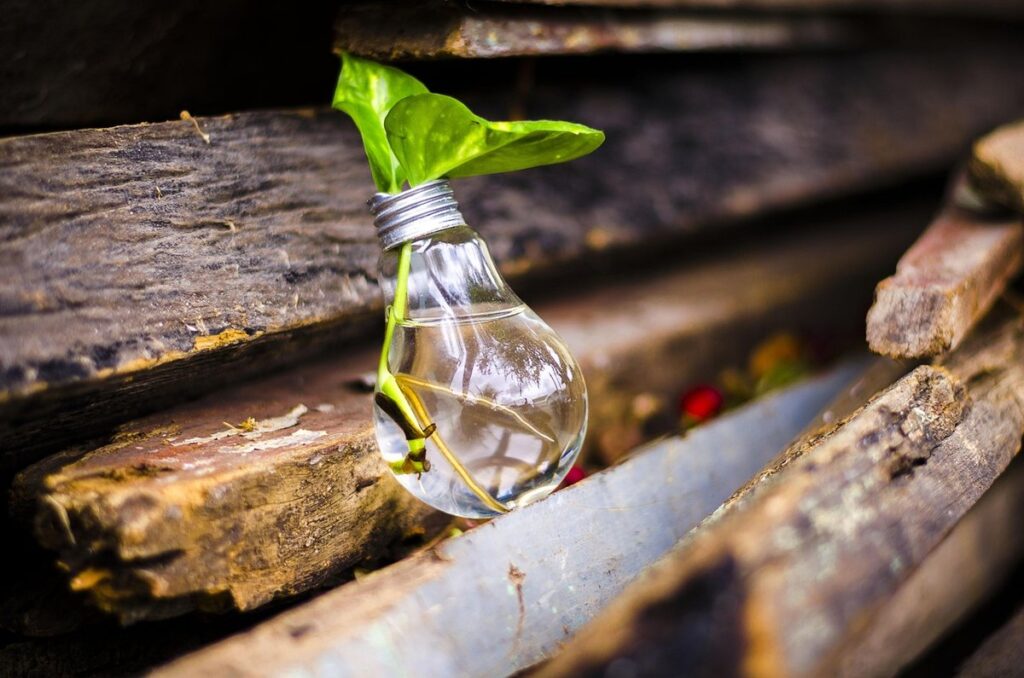
Benefits of Recycling in Gardening
Using recycled materials in gardening not only reduces waste, but also creates a more sustainable and eco-friendly growing space for your plants to thrive. By incorporating recyclables into your garden design, you’ll reap numerous benefits that benefit both your environment and your garden’s health.
Reducing Waste and Environmental Impact
Reducing waste and environmental impact is a crucial aspect of gardening with recycled materials. By repurposing and reusing materials, gardeners can significantly reduce the amount of waste sent to landfills. According to the Environmental Protection Agency (EPA), the average American generates about 4.4 pounds of trash per day, with a substantial portion of that waste being organic materials like food scraps and yard trimmings.
When these organic materials are sent to landfills, they decompose anaerobically, producing methane – a potent greenhouse gas. By composting or vermicomposting recycled materials in the garden, gardeners can divert this waste from landfills and create nutrient-rich soil amendments instead. This not only reduces waste but also conserves natural resources like water and energy.
To make the most of recycling in gardening, focus on collecting food scraps, coffee grounds, and tea bags, which are rich in nutrients. Avoid adding meat, dairy, or oily foods to your compost pile, as they can attract pests and create unpleasant odors. By adopting these simple practices, gardeners can make a tangible difference in reducing waste and environmental impact while cultivating a more sustainable garden.
Cost-Effective Options for Gardeners on a Budget
Old pallets are a staple for many gardeners on a budget. They can be transformed into planters, shelves, and even trellises with some creativity and minimal materials. Consider collecting pallets from local businesses or friends who may have them to spare.
You can also repurpose old containers like plastic bottles, cardboard tubes, and wooden crates. These can become mini-greenhouses for seedlings, self-watering planters, or even a unique bird feeder. Just be sure to clean and disinfect the materials before using them in your garden.
Another option is to scour online marketplaces or local classifieds for free or low-cost gardening items. Websites like Freecycle or Craigslist often have people giving away gently used gardening tools, seeds, and other supplies. You can also try visiting your local Habitat for Humanity ReStore or salvage yard, where you may find affordable materials like old bricks, stones, or fencing.
When shopping for recycled materials, keep an eye out for items with a sturdy base or structure that can support the weight of soil and plants. With a little imagination, even the most mundane objects can become beautiful additions to your garden.
Collecting and Preparing Recycled Materials
When it comes to gardening with recycled materials, collecting and preparing them is a crucial step towards creating a sustainable garden. Let’s start by exploring how to collect and prepare various types of materials.
Gathering Materials from Home and Community Sources
When it comes to collecting recycled materials for gardening, you may be surprised at how much can be found right in your own home and community. Start by scouring your house for items like old containers, cardboard tubes, and newspaper. These can become planters, seed starters, or even compost material.
Thrift stores and second-hand shops are also treasure troves of potential gardening materials. Look for items like wooden crates, terra cotta pots, and metal plant labels, which can be cleaned up and repurposed for your garden. Online marketplaces like Craigslist or Facebook Marketplace may also have individuals giving away free materials or selling them at low cost.
Some communities even offer curbside pickup of recyclables that can be used in gardening. Check with your local waste management company to see what’s available in your area. You can also try posting on social media or asking friends and family if they have any materials they’re willing to part with. By getting creative with the materials you already have access to, you’ll not only reduce waste but also save money and create a more sustainable gardening practice.
Cleaning and Processing Recycled Materials for Garden Use
When preparing recycled materials for garden use, it’s essential to clean and process them properly. This involves removing dirt, debris, and contaminants that can harm plants or contaminate soil. Start by inspecting each item for damage or wear, and sort them accordingly.
For items like old containers, pots, and planters, scrub them with a stiff brush and mild soap solution to remove any residual chemicals or debris. Rinse thoroughly with water, then let air dry before using. For materials like wood and bamboo, clean with a soft-bristled brush and a mixture of equal parts water and white vinegar. This will help kill bacteria and fungi that can cause decay.
Some materials may require disassembly before cleaning, such as old pallets or crates. Disassemble them carefully to ensure all components are accessible for cleaning. Use a disinfectant solution on any surfaces that come into contact with soil or plants, following the product’s instructions for application rates and drying times.
In addition to cleaning, some materials may require assembly or repair before use in the garden. For example, old pallets can be disassembled, cleaned, and reassembled as planters or trellises. Be sure to follow proper safety precautions when working with power tools and building structures for your garden.
Creative Repurposing Ideas for Gardening
From old pallets to broken planters, we’ll show you how to breathe new life into discarded items and turn them into functional gardening treasures. Get creative with your recycling!
Upcycling Old Containers and Planters
Upcycling old containers and planters is a great way to add personality to your garden while reducing waste. You can find unique containers at thrift stores, garage sales, or even reuse items from your home like old boots or colanders. Before upcycling, make sure to clean the containers thoroughly with soap and water.
When selecting containers, consider their size, material, and drainage holes. For example, a large plastic tub may work well for a succulent garden, but you’ll need to add drainage holes to prevent waterlogged soil. On the other hand, a terra cotta pot is perfect for plants that prefer well-draining soil.
Some creative upcycling ideas include:
- Using old pallets as planters or trellises
- Transforming metal colanders into hanging baskets
- Upcycling old boots into quirky planters for small herbs or succulents
To ensure the longevity of your upcycled containers, make sure to seal any cracks or holes with a waterproof sealant. This will prevent water from seeping in and causing damage to the container or surrounding soil. With a little creativity, you can turn old, discarded items into beautiful and functional garden features that add character to your outdoor space.
Transforming Recycled Materials into Garden Furniture and Decor
Transforming recycled materials into garden furniture and decor requires a little creativity and some basic DIY skills. You can repurpose old pallets into planters, benches, and even trellises to create unique and functional pieces for your garden. For example, you can disassemble an old pallet, clean the wood, and reassemble it as a coffee table or bench with storage.
Old fencing materials like wooden pickets and metal rails can be transformed into decorative screens and trellises for climbing plants. You can also use reclaimed wood to create garden planters, birdhouses, and even sculptures that add visual interest to your garden. When working with recycled materials, make sure to clean and disinfect them thoroughly before using them in your garden.
To give your garden furniture and decor a personal touch, you can add decorative elements like paint, stencils, or decoupage. For instance, you can paint an old pallet with vibrant colors and add some inspirational quotes to create a unique planter or wall art. With a little creativity, the possibilities for transforming recycled materials into beautiful garden furniture and decor are endless.
Implementing Sustainable Gardening Practices with Recycled Materials
Now that you’ve got a solid understanding of why and how to use recycled materials in your garden, let’s explore some practical ways to put these principles into action. We’ll share creative ideas for transforming waste into beautiful, functional gardening solutions.
Composting and Vermicomposting with Recycled Materials
Using recycled materials in composting and vermicomposting can have a significant impact on improving soil health while reducing waste. One of the key benefits is the creation of nutrient-rich compost, which is essential for plant growth. By incorporating organic matter like food scraps, coffee grounds, or shredded newspaper into your compost pile, you’re providing a habitat for beneficial microorganisms to thrive.
These microorganisms break down complex compounds into simpler nutrients that plants can absorb. Composting with recycled materials also helps to reduce the amount of waste sent to landfills and conserves natural resources by reusing organic matter. For example, eggshells can be added to compost piles to increase calcium levels in the soil, while tea bags can provide a boost of nitrogen.
When it comes to vermicomposting – the process of using worms to break down food scraps into compost – recycled materials play an even more crucial role. Adding shredded paper or cardboard to worm bins helps maintain oxygen levels and prevents moisture buildup, ensuring the health and well-being of the worms. By incorporating recycled materials into your composting and vermicomposting processes, you’re not only reducing waste but also creating a nutrient-dense soil amendment that promotes healthy plant growth.
Using Recycled Materials for Irrigation and Water Conservation
When designing an efficient irrigation system for your garden, consider repurposing old materials to reduce waste and conserve water. For instance, you can use plastic bottles as mini-reservoirs for drip irrigation systems or attach a small container made from a recycled plastic tub to a hose to create a watering station.
To build a rainwater harvesting system using recycled materials, look for large containers with lids that can be repurposed as storage tanks. These could include old barrels or buckets. Drill holes in the bottom of each container to direct the collected water into a network of pipes and drip irrigation lines. You can also use old pallets to create a tiered rainwater collection system.
Another approach is to utilize materials like bricks, stones, or even wooden blocks to construct a sand-based filtering system for greywater reuse. This helps remove impurities from wastewater before it’s reused for irrigation purposes.
Tips and Tricks for Successful Gardening with Recycled Materials
Get creative with your gardening materials by repurposing old containers, bottles, and more to create a unique and eco-friendly garden oasis. Discover how to turn trash into treasure in these practical tips.
Common Challenges and Solutions for Gardeners Using Recycled Materials
When working with recycled materials, gardeners often encounter challenges related to pests, diseases, and structural integrity. One common issue is the potential for pests to infest used containers or planters. To mitigate this risk, it’s essential to inspect all materials thoroughly before using them in the garden. Look for signs of pest damage, such as holes, chew marks, or discoloration.
If you do encounter pests, consider treating the affected material with natural deterrents like neem oil or diatomaceous earth. These methods are non-toxic and won’t harm the environment.
Another challenge is maintaining structural integrity in recycled materials. For example, old pallets may not provide adequate support for heavy plants, leading to collapse or damage. To address this issue, reinforce your planters with additional supports or choose lighter materials that can handle the weight of your plants.
When using recycled wood, be aware that it may harbor diseases like fungal infections or bacterial decay. Treat the wood with a natural fungicide or bactericide to prevent the spread of disease.
To ensure long-term success, regularly inspect your garden’s structures and replace any damaged or diseased materials promptly. This proactive approach will help you avoid common pitfalls and enjoy a thriving garden using recycled materials.
Maintenance and Upkeep of Recycled Material Gardens
Regular maintenance is crucial to extending the life of recycled material gardens. Start by inspecting your plants and garden features regularly for signs of wear or damage. Check soil moisture levels, fertilize as needed, and prune overgrown plants to maintain a healthy balance. When using materials like old pallets or wood, keep an eye out for insect infestations or rot.
For gardens built with porous materials like brick or stone, ensure proper drainage by adding organic matter or creating a raised bed design. In areas prone to high rainfall, consider incorporating rainwater harvesting systems to reduce runoff and conserve water.
When upgrading your garden, repurpose existing components rather than replacing them entirely. For example, swap out old mulch for new, or repot plants in containers with fresh recycled material liners. Avoid over-tightening screws or bolts on wooden structures, which can cause damage to the surrounding wood. By implementing these simple maintenance strategies, you’ll be able to enjoy your sustainable garden for years to come.
Frequently Asked Questions
Can I use recycled materials for raised beds with poor soil quality?
Yes, using recycled materials can actually help improve soil health in areas with poor soil quality. By incorporating composted recycled materials into the bed’s foundation, you can increase the soil’s fertility and structure.
How do I know if my reused containers are safe for seedlings or plants that produce edible fruits and vegetables?
Make sure to thoroughly clean and disinfect any reused containers before using them for gardening purposes. Scrub them with soap and water, then sanitize with a 1:10 bleach-to-water solution. Allow the containers to air dry completely before planting.
What if I encounter pests or diseases in my recycled material garden – can I still use pesticides or chemical treatments?
While it’s understandable to want to protect your plants, using chemicals on gardens built with recycled materials can actually do more harm than good. Instead, try introducing beneficial insects or using organic pest control methods like neem oil or diatomaceous earth.
Can I repurpose plastic containers for composting or vermicomposting, or will they leach chemicals into the soil?
Some types of plastic containers may not be suitable for composting or vermicomposting due to their chemical composition. However, you can use certain types of recycled plastic – like those labeled #2 (HDPE) or #4 (LDPE) – but only if they’re free from contaminants and have been thoroughly cleaned and disinfected.
How do I maintain the structural integrity of a raised bed made from reclaimed wood or pallets?
To ensure your raised bed’s longevity, inspect it regularly for signs of rot or decay. Replace any damaged or compromised boards promptly to prevent further damage. You can also use metal brackets or screws to reinforce joints and corners, especially in areas with high foot traffic or exposure to the elements.