
Growing thriving pepper seedlings requires attention to detail from the very beginning. Many gardeners struggle with sowing seeds, transplanting seedlings, and overcoming common challenges that can stunt their growth or prevent them from producing ripe peppers. Whether you’re a seasoned gardener or just starting out, cultivating healthy pepper plants is essential for harvesting delicious produce. But where do you start? In this comprehensive guide, we’ll walk through the process of growing successful pepper seedlings, covering everything from sowing seeds to promoting healthy growth and finally harvesting those coveted ripe peppers. We’ll explore expert tips and tricks to help you overcome common obstacles and achieve a bountiful harvest. By the end of this article, you’ll be equipped with the knowledge needed to grow thriving pepper seedlings that will bring joy and flavor to your garden.
Understanding Pepper Seedling Basics
First-time pepper growers often wonder what makes a healthy seedling, and it’s essential to understand the basics of temperature, moisture, and light for optimal growth. Let’s examine these critical factors together.
What are Pepper Seedlings?
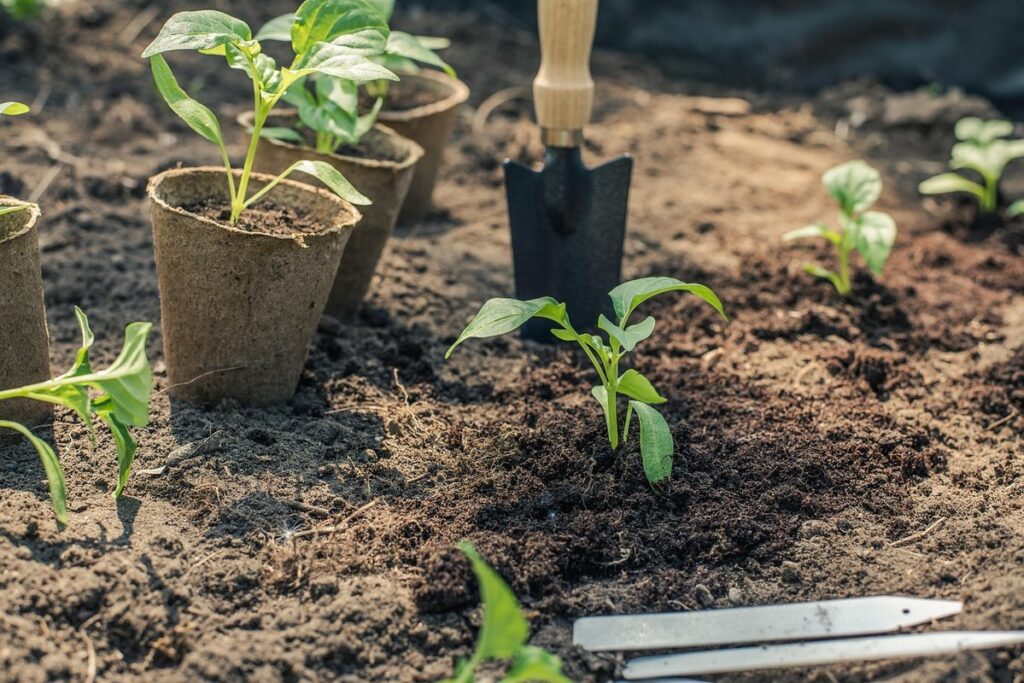
A pepper seedling is a young pepper plant, typically grown from a seed and nurtured for several weeks before being transplanted into a larger container. During this stage, the seedling develops its root system, produces its first set of true leaves, and begins to grow taller. This period is crucial in shaping the overall health and productivity of the pepper plant.
The life cycle of a pepper seedling can be divided into several key stages: germination, seedling establishment, and transplanting. Germination occurs when the seed absorbs water and sprouts, usually within 7-14 days. The seedling then develops its first set of leaves, which are typically smaller and more delicate than subsequent growth. As the seedling grows, it will require increased light, warmth, and nutrients to promote healthy development.
For gardeners, understanding pepper seedlings is essential for producing high-quality plants that thrive in a variety of conditions. By recognizing the signs of a healthy seedling, such as vibrant green leaves and a robust root system, growers can make informed decisions about transplanting, pruning, and fertilizing their pepper plants.
Types of Pepper Seedlings: Determinate vs. Indeterminate
When it comes to pepper seedlings, two main types dominate the market: determinate and indeterminate varieties. The primary difference between these two lies in their growth habits. Determinate peppers grow upright, bushy plants that stop producing new growth once they reach a certain height – typically around 2-3 feet. This trait makes them ideal for compact spaces or containers, as they don’t require extensive pruning. Indeterminate peppers, on the other hand, are vining plants that continue to produce new growth throughout the season, often requiring trellises or cages for support.
Determinate peppers are great for canning and preserving, as their fruit ripens all at once. They’re also well-suited for beginners due to their ease of care. Indeterminate varieties, however, are preferred by gardeners who want to harvest peppers continuously throughout the season. These plants produce a higher yield but require more maintenance.
Consider your needs before selecting a pepper variety. If you have limited space or prefer a low-maintenance approach, determinate peppers might be the way to go. But if you’re looking for a continuous harvest and don’t mind providing support, indeterminate varieties will reward your efforts with an abundant crop.
Choosing the Right Pepper Variety for Your Needs
When selecting a pepper variety, several factors come into play. Climate is a crucial consideration: some peppers thrive in warm temperatures and full sun, while others tolerate cooler conditions and partial shade. In areas with frost, choose varieties that mature quickly to ensure harvest before the first frost. Soil type also matters: bell peppers prefer well-draining soil rich in organic matter, whereas hot peppers can handle poorer soil conditions.
Consider the desired use of your peppers as well. Sweet peppers come in a range of colors and are often harvested when immature and green or fully ripe and red. Hot peppers add heat to dishes and come in various Scoville units; some popular varieties include jalapeño, serrano, and habanero.
Other factors include disease resistance and growth habit: determinate peppers grow bushy and produce fruit all at once, while indeterminate varieties are vining and continue producing throughout the season. Some popular pepper varieties for home growers include ‘California Wonder’, ‘Bell Boy’, and ‘Thai Hot’. When selecting a variety, think about your specific needs and choose a pepper that will thrive in your climate and growing conditions.
Starting Pepper Seedlings from Seeds
To successfully start pepper seedlings from seeds, you’ll need to create a suitable environment for germination and provide the right conditions for healthy growth. This includes selecting the perfect potting mix and maintaining optimal temperature and light levels.
Preparing the Soil and Seeds for Sowing
Pepper seedlings require well-draining soil with a pH between 6.0 and 7.0, which is slightly acidic to neutral. Test your soil to determine its current pH level and adjust it if necessary. A balanced fertilizer with a ratio of 10-10-10 (nitrogen-phosphorus-potassium) will provide the necessary nutrients for seedling growth.
When selecting seeds, choose varieties that are specifically bred for container growing or have a compact growth habit, such as ‘Thai Hot’ or ‘Bird’s Eye’. These varieties tend to produce more fruit in smaller spaces and are less prone to disease. Avoid using old or low-quality seeds, as they may not germinate well.
Before sowing, make sure the soil is at room temperature (around 70-80°F) to promote even germination. Sow seeds ¼ inch deep and 1-2 inches apart in a seed starting mix. Keep the soil consistently moist but not waterlogged during the first few weeks after sowing. This will help prevent fungal diseases from taking hold.
Sowing Pepper Seeds Indoors vs. Outdoors
When deciding whether to start pepper seeds indoors or directly sow them outdoors, climate considerations play a significant role. In regions with cool and unpredictable spring weather, starting pepper seeds indoors allows for earlier germination and head start on the growing season. This is particularly important for sensitive varieties that are prone to frost damage.
Indoor sowing also provides better control over temperature fluctuations, ensuring optimal conditions for seedling growth. However, this method requires careful planning to prevent seedlings from becoming leggy or developing weak roots due to lack of light.
On the other hand, direct outdoor sowing can be beneficial in warmer climates with a long growing season. This approach allows seeds to be exposed to natural daylight and temperature fluctuations from an early stage, promoting stronger root development and more robust plants.
In regions with mild winters, it’s often possible to sow pepper seeds directly outdoors 2-3 weeks before the last frost date. For areas with harsher winters, starting seeds indoors 4-6 weeks prior to the last frost date is a better strategy.
Caring for Seedlings in the First Week
Keep the soil consistently moist but not waterlogged during the first week. Water seedlings gently but thoroughly, making sure the potting mix is moist but not soggy to the touch. Check the moisture level daily by sticking your finger into the soil up to the first knuckle. If the top inch of soil feels dry, it’s time for a drink.
Maintain a temperature range of 65-75°F (18-24°C) during this critical period. Avoid placing seedlings near heating vents or drafty windows, as sudden changes in temperature can cause stress and stunt growth. Most pepper varieties prefer temperatures between these two extremes to germinate and develop their first set of leaves.
Seedlings also need adequate light exposure, but direct sunlight can be too intense for young plants. Provide a 12-14 hour photoperiod using grow lights or place seedlings near an east- or west-facing window with sheer curtains to filter the light. This will help prevent scorching and promote healthy leaf development.
Transplanting Pepper Seedlings into Larger Containers
When transplanting pepper seedlings, timing is everything – wait until they have 2-3 sets of true leaves to minimize shock and stress. This crucial step will give them room to grow.
When to Transplant: Timing and Considerations
Transplant pepper seedlings when they show at least two sets of true leaves and have developed a robust root system. This is usually around 1-2 weeks after sowing, depending on climate and growth rate. In warmer climates with extended growing seasons, you may be able to transplant seedlings as early as 10 days after sowing.
Before transplanting, inspect the seedling’s roots. If they’ve filled the pot and are circling or growing out of the drainage holes, it’s time to move them up to a larger container. Gently remove the seedling from its pot, taking care not to disturb the roots. Examine the soil for pests like whiteflies or spider mites, which can spread quickly in close quarters.
Consider climate and pest factors when transplanting. In areas with cool spring weather, delay transplanting until nighttime temperatures are consistently above 60°F (15°C). If you live in an area prone to frost, wait until the last frost date has passed before moving seedlings outdoors. In regions with high humidity or intense sunlight, consider transplanting seedlings in partial shade to prevent scorching or fungal diseases.
Transplanting Techniques for Healthy Roots
When transplanting pepper seedlings into larger containers, it’s essential to handle their delicate roots with care. Start by gently grasping the seedling just above the soil line, taking care not to damage or disturb the roots. Next, inspect the roots for any signs of circling or tangling, and use a pair of clean scissors or pruning shears to carefully trim away any damaged areas.
To minimize shock, avoid exposing the roots to direct sunlight or extreme temperatures during the transplant process. Instead, place the seedling in a shaded area or under a grow light for at least 24 hours before moving it to its new location. Also, water the seedling thoroughly 1-2 days prior to transplanting to help loosen the soil and reduce root bound.
Here are some key tips to keep in mind when handling pepper seedlings during transplantation:
- Handle roots by the crown (where the stem meets the leaves) rather than by the stem itself.
- Use a well-draining potting mix that’s specifically designed for seedlings.
- Transplant seedlings in the morning or late afternoon, avoiding direct sunlight and extreme temperatures.
Post-Transplant Care: Ensuring a Smooth Transition
When transplanting pepper seedlings into larger containers, it’s essential to minimize stress during the transition. This is crucial for promoting healthy growth and preventing shock. One key aspect of post-transplant care is adjusting watering schedules.
Pepper seedlings are sensitive to overwatering, especially when moved to a larger container with more soil. Typically, you’ll need to reduce the frequency of watering by half or even less in the first week after transplanting. Monitor your seedling’s moisture levels closely, checking the top inch of soil daily. You can also observe changes in leaf color and texture as indicators of water needs.
Providing necessary support is another critical consideration during post-transplant care. Pepper plants tend to stretch and become leggy when transferred to larger containers. To mitigate this, you can use tomato cages or trellises to provide structural support. This will help keep the plant upright and encourage bushy growth. By taking these simple steps, you’ll be able to reduce stress and promote a smooth transition for your pepper seedling. Aim to prune any weak or spindly growth as soon as possible after transplanting to encourage healthy development.
Common Challenges and Solutions for Pepper Seedlings
Growing healthy pepper seedlings can be a challenge, especially when faced with common issues such as overwatering and pests. Here are some practical solutions to help you overcome these obstacles.
Identifying and Addressing Common Issues (e.g., Pests, Diseases)
Identify signs of pest infestations by looking for small holes in leaves or actual pests like aphids, whiteflies, and spider mites. Regularly inspect seedlings, especially those grown indoors, under grow lights or in greenhouses. For example, if you notice ants crawling on the soil, it’s likely they’re attracted to a sweet substance left behind by pests like aphids.
Common diseases affecting pepper seedlings include damping off, root rot, and powdery mildew. Watch for symptoms like yellowing leaves, soft spots on stems, or a white powder coating on leaves. To prevent these issues, ensure good air circulation around seedlings, avoid overwatering, and maintain optimal temperatures between 65°F to 75°F (18°C to 24°C).
If you suspect pests or diseases are present, treat the affected area with neem oil or insecticidal soap according to product instructions. For severe infestations or infections, consider using a fungicide as a last resort.
Managing Stress and Shock in Pepper Seedlings
Recognizing stress and shock symptoms in pepper seedlings is crucial for their recovery. Look out for signs such as yellowing leaves, wilting, or stunted growth. These can be caused by sudden changes in temperature, light exposure, or water availability.
To recover stressed seedlings, provide them with a stable environment. Ensure consistent watering schedules and maintain optimal temperatures between 65-75°F (18-24°C). Avoid exposing seedlings to direct sunlight during the hottest part of the day. If you’ve recently transplanted your pepper seedlings, consider reducing their nitrogen intake.
For more severe cases of shock, prune damaged or discolored leaves to prevent further stress on the plant. Remove any affected areas and disinfect your pruning tools to prevent the spread of disease. This will help direct the plant’s energy towards recovery rather than fighting off infection.
In some cases, seedlings may experience transplant shock due to root disturbance. To mitigate this, handle roots gently during transplantation and avoid excessive handling of the soil. Providing a well-draining potting mix can also reduce the risk of root rot and promote healthy growth.
Encouraging Healthy Growth and Fruit Set
When pepper seedlings begin to develop their fruit, it’s essential to focus on promoting healthy growth and encouraging proper fruit set. Pruning is a crucial aspect of this process, as it allows for optimal air circulation, sunlight penetration, and nutrient distribution. Remove lower leaves that are touching the soil to prevent moisture from collecting and causing disease, and trim back any leggy growth to encourage bushy development.
Fertilization also plays a vital role in supporting pepper plant health during fruiting stages. Feed your seedlings with a balanced fertilizer (10-10-10 NPK) once a month, followed by a boost of high-phosphorus fertilizer (10-20-10 NPK) to promote fruit set and development. Be cautious not to over-fertilize, as this can lead to excessive vegetative growth at the expense of fruiting.
Regular pruning also helps regulate the plant’s energy allocation, directing it towards fruit production rather than leaf growth. By regularly removing weak or damaged branches, you’ll be creating an environment conducive to healthy fruit set and development. Aim for a balance between vegetative and reproductive growth to ensure your pepper plants produce a bountiful harvest.
Supporting Pepper Plants from Flowering to Harvest
As your pepper plants begin to bloom, it’s essential to provide them with the right conditions for successful pollination and fruit growth. This is where careful attention to their needs becomes crucial.
Recognizing the Signs of Flowering and Fruiting
As pepper plants mature, they’ll begin to show signs of flowering and fruiting. One of the earliest indicators is bud formation. Look for small, swollen growths on the stem near the nodes, where a leaf meets the main stem. These buds will eventually develop into flowers or fruit. Keep an eye out for the characteristic “flower stalk” that emerges from the node – it’s a slender, upright stem that supports the flower cluster.
When you notice these buds forming, check the plant’s overall health and growth rate. A robust pepper plant with plenty of leaf growth is more likely to produce an abundance of flowers and fruit. Also, ensure the plant has sufficient light, water, and nutrients – deficiencies in any of these areas can hinder flowering and fruiting.
To confirm that your pepper plants are ready for flowering and fruiting, inspect them regularly. Check for signs of stress or nutrient deficiencies by looking for yellowing leaves, stunted growth, or unusual leaf shapes. If you notice any issues, address them promptly to support the plant’s continued health and productivity. By monitoring these signs closely, you can encourage your pepper plants to produce a bountiful harvest.
Providing Support for Heavy Fruit Load
As pepper plants produce a heavy fruit load, they require additional support to prevent damage and promote healthy growth. One effective method is to use stakes, which can be installed before the plant becomes too large. For indeterminate varieties, insert two or three stakes on either side of the plant, about 12 inches away from the stem. Tie the plant gently to the stake using soft material like twine or a plant tie.
Another option is to use cages, which provide more comprehensive support for the entire plant. Look for cages with openings that are large enough to accommodate the mature size of your pepper variety. Install the cage around the plant when it’s still relatively small, and make sure it’s securely anchored to prevent it from toppling over in strong winds.
When choosing between stakes and cages, consider the specific needs of your pepper variety. Some plants may require more robust support than others. Regardless of which method you choose, ensure that the support is installed at an angle to allow for easy access and promote even fruit distribution.
Harvesting Pepper Fruits at the Right Stage of Ripeness
When peppers reach their full color and have a glossy appearance, it’s usually a sign they’re ripe. However, for optimal flavor, texture, and appearance, you need to check their ripeness more closely.
Look for slight softening around the stem end – this is where the pepper attaches to the plant. Gently press on the skin; if it yields to pressure but still feels firm, it’s ready. Avoid squeezing too hard, as this can cause bruising.
Check the color of the peppers regularly, especially during peak ripeness days. Bell peppers typically turn from green to their final color in a short period – for example, yellow bell peppers may go from lime green to bright yellow within 7-10 days. You can also check the underside; ripe peppers often have a lighter-colored or slightly reflective area.
To harvest peppers at the right stage of ripeness, try to pick them in the morning when they’re still firm but tender. Avoid harvesting late in the day or when the plant is under stress, as this can lead to bitter flavors and tough textures. Remember that peppers continue to ripen after being picked, so even if a pepper doesn’t look fully ripe at harvest time, it will be within a few days of being indoors.
Frequently Asked Questions
Can I start pepper seedlings indoors and then transplant them directly into my garden bed?
Yes, this is a viable option if you have a controlled environment for the seedlings to grow before moving them outdoors. However, ensure you harden off your seedlings gradually to prevent shock.
What’s the best way to handle pepper plants with fungal diseases like powdery mildew or root rot?
To manage fungal diseases in pepper plants, remove infected leaves and stems immediately, improve air circulation around the plant, and increase soil drainage by adding organic matter. Monitor your plants regularly for signs of infection and act promptly.
How often should I fertilize my pepper seedlings to promote healthy growth and fruiting?
Fertilize your pepper seedlings with a balanced fertilizer (e.g., 10-10-10 NPK) when they are about 6 inches tall, and then again after transplanting. Follow the recommended application rates on the fertilizer package and avoid over-fertilizing.
Can I grow hot peppers in a container if it’s too small for indeterminate varieties?
Yes, you can grow hot peppers in containers, but choose compact or dwarf varieties that are specifically bred for container growing. These varieties will not require as much space as indeterminate types and should thrive well with proper care.
What do I do if my pepper seedlings develop yellowing leaves despite receiving adequate water, light, and nutrients?
Yellowing leaves can be a sign of nutrient deficiency or pest infestation. Inspect your plants for signs of pests and treat accordingly. If the issue persists, consider repotting the seedlings into fresh soil with a balanced fertilizer to address any underlying nutrient deficiencies.
