
As you plan your weekly meals, have you ever found yourself stuck in a culinary rut, relying on the same old produce at the grocery store? But did you know that by choosing seasonal fruits and vegetables, you can elevate your cooking to new heights and make a real difference for your taste buds and the environment? Winter citrus, spring asparagus, summer berries – each month brings its own bounty of fresh flavors waiting to be explored. By learning what’s in season when, you’ll not only discover exciting new ingredients to incorporate into your favorite recipes but also support local farmers and reduce your carbon footprint. In this article, we’ll take a month-by-month journey through the best seasonal fruits and vegetables, sharing tips for cooking with each one so that by the time you finish reading, you’ll be confident in using whatever’s fresh at the market to create delicious meals all year round.
January’s Harvest
January’s bounty is full of surprises, with winter crops coming into season and offering a range of delicious flavors to enjoy. From citrus fruits to root vegetables, discover what’s at its peak in January.
Winter Citrus Fruits
In stores, you can find winter citrus fruits like oranges, grapefruits, and lemons from October to May. Their peak seasonality is a result of being imported from warmer climates, where they’re grown year-round. Oranges, for instance, are typically shipped from Florida and California during this time. Grapefruits come mainly from Texas and California.
While some citrus fruits may be available locally in mild winters, most stores rely on imports to meet demand during the winter months. This means that the quality and freshness of these fruits can vary depending on the origin and shipping conditions. When choosing winter citrus fruits, look for those with a heavy scent and firm skin, as they tend to be sweeter and less prone to spoilage.
Some popular varieties of winter citrus fruits include blood oranges, Meyer lemons, and pink grapefruits. These unique flavors can add a burst of freshness to your holiday cooking and baking. Consider incorporating them into salads, marmalades, or infused water for a taste of the season.
Root Vegetables for Winter Stews
Carrots, beets, turnips, parsnips, and rutabaga are some of the root vegetables commonly harvested during winter months. They add depth and warmth to soups, stews, and roasted dishes. For example, a hearty beef stew can benefit from the sweetness of carrots and parsnips, while a simple roasted beet dish showcases their earthy flavor.
When preparing these root vegetables for cooking, consider their texture and flavor. Carrots and parsnips hold their shape well when cooked, making them suitable for chunky soups and stews. Beets, on the other hand, become tender and slightly sweet when roasted or boiled. Turnips can be used in a variety of dishes, from soups to roasted vegetables.
Before using these root vegetables, check for freshness by tapping them gently with your fingers. A hollow sound indicates they’re dry and ready to use, while a dull thud suggests they may not be at their best. To prepare them for cooking, peel or scrub the roots as needed, then chop or slice according to the recipe’s requirements.
February’s Fresh Finds
February brings a delightful array of seasonal fruits and vegetables, from sweet citrus to crisp root veggies. Here are some of our top picks for what’s in season this month.
Artichokes and Asparagus
Artichokes are at their peak seasonality in February, with most of the crop being harvested between January and May. However, the best time to enjoy them is usually during these early months when they’re tender and sweetest. Asparagus, on the other hand, reaches its peak in late winter and early spring, typically from February to June.
To cook artichokes, you can start by boiling or steaming them until the outer leaves are tender. Then, peel off the leaves and dip the fleshy base into a mixture of melted butter, lemon juice, garlic powder, and salt. For a heartier dish, try roasting artichokes with olive oil, salt, and pepper at 425°F (220°C) for about 30-40 minutes.
Asparagus can be prepared in various ways, such as grilling or sautéing it with olive oil, salt, and pepper until tender. You can also try roasting asparagus with garlic, lemon juice, and parmesan cheese at 425°F (220°C) for about 12-15 minutes. To add some crunch to your dishes, consider using artichoke hearts or asparagus tips in salads or pasta recipes.
Leafy Greens for Salads
February’s cooler temperatures bring a delightful variety of leafy greens to the table. Among them are kale, spinach, arugula, and beet greens, each with its unique flavor profile and texture. Kale, with its slightly bitter taste, is perfect for adding depth to salads, while spinach provides a mild sweetness that pairs well with fruits like apples and berries.
When incorporating these leafy greens into smoothies, consider pairing them with citrus fruits or sweet potatoes to balance out their earthiness. For sautéed dishes, arugula’s peppery flavor can be mellowed by cooking it with garlic and olive oil.
To make the most of February’s leafy greens, try the following:
- Add kale to your morning smoothies for an extra boost of vitamins A and C.
- Use spinach as a wrap in place of traditional tortillas or flatbreads.
- Sauté arugula with cherry tomatoes and garlic for a quick and easy side dish.
By experimenting with these versatile leafy greens, you can create a variety of delicious salads, smoothies, and sautéed dishes that showcase the best of February’s harvest.
March’s Spring Awakening
As we welcome the arrival of spring, March is the perfect time to indulge in fresh and vibrant produce that celebrates the season’s renewal. Expect a variety of colorful fruits and veggies to take center stage this month!
Early Season Berries
Strawberries and rhubarb are among the first spring berries to become available in March. These sweet and tart ingredients add depth and flavor to a variety of dishes. In baking, strawberries make excellent additions to muffins, cakes, and tarts, while their sweetness pairs well with cream or yogurt.
Rhubarb’s unique tartness is often balanced by pairing it with sweeter fruits like strawberries or apples. Use fresh rhubarb in pies, crisps, or compotes for a burst of flavor. In savory dishes, consider using rhubarb to add a tangy element to sauces, stews, or braises.
One key tip when working with early season berries is to choose them at the right time. Strawberries and rhubarb are typically available in late March, but their quality can vary depending on weather conditions. Opt for berries that are firm, have bright color, and minimal signs of spoilage.
When using strawberries and rhubarb together, remember to adjust cooking times accordingly. Rhubarb’s high water content can make it prone to overcooking, so cook it until tender but still crisp.
Root Vegetables for Stews and Soups
When March arrives, some root vegetables have already begun to fade from seasonality, but a few stalwarts remain. Among them are potatoes, parsnips, and rutabaga – all ideal choices for hearty stews and soups. These complex carbohydrates are designed to provide long-lasting energy in cold weather climates.
For stews, consider using diced parsnips or carrots as a base layer beneath tougher root vegetables like turnips or beets. This helps create a flavorful depth that’s balanced by the sweetness of these winter carrots.
Rutabaga, with its slightly sweet and nutty flavor, pairs particularly well in creamy soups. Try adding it to a potato-based leek soup for added complexity. When preparing root vegetables, remember to chop them into bite-sized pieces before cooking – this helps them cook evenly and prevents tough or fibrous textures.
For soups like minestrone or French onion, potatoes can be diced large and cooked through first, then broken down with the back of a spoon to thicken the broth.
April’s Abundance
As we welcome spring, April showers bring a delightful array of fresh fruits and vegetables to your local market. Let’s take a look at what’s in season during this vibrant month.
Spring Produce Variety
April’s arrival brings a diverse array of fruits and vegetables to market stands. Strawberries are one of the first berries to ripen, perfect for snacking, baking, and adding sweetness to salads. Their flavor pairs well with feta cheese, mint, and balsamic glaze in a simple yet elegant salad.
Asparagus is another springtime favorite, its tender shoots ideal for roasting or grilling as a side dish. Rhubarb, often paired with strawberries in pies and tarts, adds a tartness that balances the sweetness of other fruits. Its stalks can also be used in savory sauces to accompany meats like lamb or pork.
For sweet dishes, consider using April’s produce in jams, preserves, and compotes. These spreads make excellent toppings for yogurt, oatmeal, or ice cream. In the kitchen, rhubarb pairs well with ginger, while strawberries complement basil and lemon zest.
When selecting spring produce, look for vibrant colors and firm textures. Avoid fruits and vegetables with soft spots or wilted leaves. Store them properly to maintain their freshness: keep strawberries in a cool, dry place, while asparagus should be wrapped in plastic wrap to retain moisture.
Grains and Legumes for Spring Salads
When spring arrives, many of us turn to salads as a refreshing way to celebrate the season’s bounty. But to truly capture April’s abundance, consider incorporating grains and legumes into your creations. Quinoa, with its nutty flavor and protein-rich profile, pairs particularly well with roasted vegetables like asparagus or artichokes. Simply cook according to package instructions, then toss with seasonal produce, a drizzle of olive oil, and a squeeze of lemon juice.
Farro, another versatile grain, can be used in place of traditional greens as the base for your salad. Try pairing it with spring peas, cherry tomatoes, and a tangy vinaigrette for a satisfying side dish or light lunch. Legumes like chickpeas and lentils also deserve attention. Cook them from scratch, then toss with chopped fresh herbs like parsley or mint, and a squeeze of lemon juice. Consider adding seasonal produce like radishes or carrots to add crunch and color. To make the most of your grains and legumes, try roasting or grilling them before tossing with your favorite spring ingredients – this will bring out their natural sweetness and depth of flavor.
May’s Blooming Season
As spring bursts into full bloom, May brings a vibrant array of fresh fruits and vegetables to your local farmers’ markets and grocery stores. Let’s take a look at what’s in season during this lovely month.
Strawberries and Rhubarb
In May, strawberries and rhubarb are at their peak, making them a perfect addition to various recipes. For baking, consider using fresh strawberries in shortcake or muffin recipes. Rhubarb’s tartness pairs well with sweet strawberries in pies and tarts.
When preparing strawberries, remove the green stems and hulls for optimal flavor. Slice or chop the fruit depending on your desired texture. Roasting strawberries brings out their natural sweetness and pairs well with savory ingredients like prosciutto or feta cheese in salads.
Rhubarb preparation requires a bit more care due to its tart nature. Typically, you’ll want to remove the leaves (as they contain high levels of oxalic acid) and slice the stalks thinly for best results. Combine roasted rhubarb with sweet strawberries for a delicious dessert compote or use it in savory dishes like stews or braises.
Some key points to keep in mind when working with both ingredients include their short shelf life (typically 3-5 days) and sensitivity to heat, which can cause them to become mushy. Plan accordingly and store them in the refrigerator at a consistent temperature below 40°F (4°C).
Leafy Greens and Herbs for Spring Salads
May’s blooming season brings an abundance of leafy greens and herbs to incorporate into your spring salads. Kale, spinach, arugula, and chard are just a few of the leafy greens that thrive in May’s mild temperatures. These nutritious greens can be used in salads, smoothies, or sautéed as a side dish.
Mint, basil, and cilantro are popular herbs that grow rapidly in May’s warm weather. Add fresh mint leaves to your favorite salad recipe for a refreshing twist or use basil as a topping for grilled meats or vegetables. Cilantro is a great addition to Mexican-inspired dishes like salsas and salads.
To incorporate these leafy greens into your cooking, try the following tips:
- Use kale in place of traditional lettuce in salads
- Add spinach to smoothies for an extra nutritional boost
- Sauté chard with garlic and lemon juice as a side dish
- Chop fresh herbs like mint and basil just before using them to preserve their flavor
By taking advantage of May’s abundant leafy greens and herbs, you can create delicious and healthy dishes that showcase the best of spring’s produce. Experiment with different combinations and recipes to find your new favorites.
June’s Summer Harvest
As we enter the warmest months of the year, June brings a vibrant array of fruits and vegetables to your local farmers’ market. From juicy stone fruits to crisp summer greens, here’s what’s in season this month.
Stone Fruits and Berries
June’s warm weather marks the peak season for stone fruits like peaches and nectarines. Their sweet flavor and tender texture make them perfect for snacking, salads, and desserts. Try pairing sliced peaches with prosciutto and arugula for a simple yet elegant summer salad. Nectarines, on the other hand, are ideal for baking pies and crisps due to their smooth skin and juicy flesh.
Berries like blueberries and raspberries also thrive in June’s mild climate. These small fruits pack a punch of flavor and nutrients, making them perfect additions to both sweet and savory dishes. Use fresh or frozen blueberries to make a refreshing summer smoothie, while raspberries add a sweet-tart taste to salads and sauces.
In the kitchen, don’t be afraid to experiment with stone fruits in savory dishes. Grilled peaches pair surprisingly well with grilled meats like chicken and pork, adding a pop of sweetness to an otherwise smoky flavor profile. Berries, meanwhile, can add natural sweetness to homemade BBQ sauce or as a topping for yogurt parfaits.
For maximum flavor and nutrition, aim to use seasonal berries within a week of purchase. Most stone fruits are ripe when they yield slightly to pressure around the stem end, so choose those that feel tender but still firm.
Corn and Squash for Grilled Dishes
Summer squash varieties like zucchini, yellow crookneck, and pattypan become abundant in June, making them perfect for grilled dishes. Their tender flesh absorbs flavors well, but can quickly become mushy if overcooked. To prevent this, grill sliced or spiralized squash at a medium-high heat for 2-3 minutes per side, until slightly charred.
Corn on the cob is also a staple during summer months. Look for ears with tightly wrapped husks and plump kernels to ensure freshness. Grill corn by removing the husk, silk, and a few layers of the kernel itself. Brush with oil, season with salt and pepper, and grill at medium heat for 10-15 minutes, turning every 5 minutes.
In addition to grilling, summer squash can be sautéed or roasted as a side dish. Try tossing sliced zucchini with olive oil, garlic, and herbs like parsley or basil before roasting in the oven. For a more substantial main course, grill corn on the cob and serve alongside your favorite grilled meats, such as burgers or steak.
July’s Peak Season
During July, a vibrant array of fruits and vegetables reach their peak ripeness, making it an ideal time to incorporate fresh flavors into your cooking. From juicy peaches to crisp bell peppers, summer’s bounty is in full swing.
Tomatoes and Cucumbers
In July, tomatoes and cucumbers reach their peak seasonality, making them a staple in many summer dishes. These two ingredients are often paired together in salads, sandwiches, and grilled meals.
To grow tomatoes at home, choose a sunny spot with well-draining soil and plant seedlings 2-3 feet apart. Water regularly, but avoid overwatering, which can lead to fungal diseases. Tomatoes typically take around 60-90 days to mature from sowing seeds. You can start harvesting cherry tomatoes in as little as 50 days.
Cucumbers require similar conditions and need a trellis or other support for climbing. Sow seeds 1 inch deep and 6 inches apart, and keep the soil consistently moist but not waterlogged. Cucumbers take about 50-60 days to mature from sowing seeds.
Some popular recipes that feature tomatoes and cucumbers include classic Greek salads, homemade salsa, and refreshing summer soups like gazpacho or cucumber soup. To make a simple tomato and cucumber salad, combine sliced tomatoes and cucumbers with red onion, feta cheese, and a drizzle of olive oil and lemon juice.
To store fresh cucumbers, keep them in the refrigerator wrapped in plastic bag or sealed container to maintain humidity. Tomatoes should be stored at room temperature until ripe, then refrigerate to slow down ripening.
Corn and Squash Varieties
During July’s peak season, you’ll find a wide variety of corn and squash to incorporate into your cooking. When it comes to heirloom varieties, consider trying ‘Golden Bantam’ corn for its rich, buttery flavor or ‘Crookneck’ summer squash for its delicate taste. Lesser-known types like ‘Zabuton’ winter squash and ‘Hopi Blue’ corn offer unique flavors and textures.
For grilling, opt for younger ears of corn with tight, green husks and silks that are still moist. Remove the husks and silk, brush with olive oil, and season with salt, pepper, and any other desired herbs or spices before throwing them on the grill. Roasting is another great way to bring out the natural sweetness in summer squash; cut it into wedges or cubes, toss with olive oil and your choice of aromatics (such as garlic, thyme, or rosemary), and roast at 425°F (220°C) for about 20-25 minutes, or until tender.
In terms of preparation methods, keep in mind that summer squash is generally more delicate than winter squash. It can be sautéed, steamed, or roasted whole, but avoid boiling, as it can become waterlogged. Winter squash, on the other hand, can be boiled, baked, or roasted – try cutting it in half and roasting it with aromatics for a flavorful side dish.
August’s Late Summer Harvest
As we enter late summer, the harvest season reaches its peak, and August brings a bountiful selection of fresh fruits and vegetables to enjoy. From juicy peaches to crisp bell peppers, this month’s offerings are a true delight for foodies and cooks alike.
Heirloom Tomatoes
Heirloom tomatoes are a staple of late summer harvests, offering an explosion of flavors and textures that elevate salads, sandwiches, and sauces to new heights. Their unique flavor profiles range from sweet and tangy to rich and earthy, making them a favorite among chefs and home cooks alike. One of the standout features of heirloom tomatoes is their varying acidity levels, which can add a burst of citrus or a subtle hint of bitterness to dishes.
Preparation methods for heirloom tomatoes are as diverse as the varieties themselves. Slice them thin for Caprese salads or layer them with mozzarella and basil for a simple yet stunning appetizer. Roasting brings out their natural sweetness, while grilling adds a smoky depth that’s perfect for summer evenings. For a more rustic approach, try chopping heirloom tomatoes into small pieces and tossing them with olive oil, garlic, and fresh herbs for a quick side dish or topping.
When working with heirloom tomatoes, keep in mind that their fragile skin may not hold up to high-heat cooking methods like sautéing or boiling. Instead, focus on showcasing their natural beauty through raw preparations or gentle heat techniques. Experiment with different combinations of flavors and textures to find the perfect pairing for your favorite recipes.
Corn and Squash for Soups and Stews
In August’s late summer harvest, corn and squash are perfectly ripe for adding depth to soups and stews. The sweetness of corn pairs well with the earthy flavor of winter squash varieties like acorn or butternut. Try sautéing diced onion and garlic, then adding in a cup of frozen corn kernels and a can of low-sodium chicken broth. Simmer until the flavors meld together.
When using summer squash like zucchini or yellow crookneck, dice it finely to release its moisture and cook down quickly. Add it towards the end of simmering soups and stews to preserve its delicate flavor. For a hearty August soup, combine cooked corn with diced tomatoes, chopped fresh herbs like parsley or cilantro, and a splash of heavy cream.
Some popular squash varieties for soups include delicata, which has a sweet nutty flavor, and kabocha, which adds a rich sweetness. Acorn squash is another versatile option that can be roasted or pureed into soups. When selecting corn and squash for soups, choose those with no visible signs of mold or decay. This ensures the best flavor and texture in your finished dishes.
September’s Autumn Harvest
September brings a vibrant array of autumnal produce, including crisp apples and pears that ripen just in time for the season. Get ready to incorporate these flavors into your cooking.
Late Season Berries
Blueberries, raspberries, and blackberries are among the last berries to ripen in the fall season. While their peak season is typically in June and July, some varieties continue to produce well into September. These late-season berries can add sweetness and flavor to a variety of dishes, from salads and smoothies to baked goods and desserts.
When working with late-season berries, it’s essential to handle them gently to avoid bruising or crushing the delicate fruit. To preserve these ingredients for future use, consider freezing them. Simply rinse the berries, pat them dry with paper towels, and spread them out on a baking sheet in a single layer. Place the sheet in the freezer until the berries are frozen solid, then transfer them to an airtight container or freezer bag.
Freezing is a great way to preserve berries because it helps retain their texture and flavor. You can also use late-season berries to make jam or jelly, which can be stored in the fridge for up to 6 months.
Root Vegetables for Fall Soups and Stews
Carrots, beets, and turnips are still abundant during September, making them perfect additions to hearty fall soups and stews. These root vegetables add natural sweetness, earthy flavor, and satisfying texture to a variety of dishes.
For soups, try roasting carrots and beets before adding them to your favorite recipe for added depth of flavor. A simple soup like carrot-ginger or beet-broccoli is elevated by the rich flavors developed during the roasting process.
In stews, root vegetables can add heft and substance. Turnips, in particular, pair well with lamb or beef, their sweetness balancing out the richness of the meat. Be sure to slice them thinly before adding to ensure even cooking.
To incorporate these root vegetables into your fall soups and stews, start by choosing recipes that highlight their natural flavors. For a simple approach, roast carrots and beets as described above and add them directly to your soup or stew pot. Alternatively, try braising turnips with aromatics like onion and thyme for added flavor.
When working with root vegetables, remember that they can quickly become overcooked, so adjust cooking times accordingly. By following these tips and choosing the right recipes, you’ll be able to showcase the flavors and textures of September’s abundant root vegetables in your fall soups and stews.
October’s Harvest Season
As we enter the heart of autumn, October’s harvest season brings a bounty of delicious fruits and vegetables to our tables. Let’s take a closer look at what’s in season during this vibrant time of year.
Apples and Pears
October is a prime time for apple and pear enthusiasts, as many heirloom varieties become available during this month. Apples like ‘Pink Lady’, ‘Gala’, and ‘Fuji’ are widely cultivated and enjoyed for their sweet flavor and crisp texture. However, lesser-known varieties such as ‘Esopus Spitzenburg’ and ‘Black Diamond’ offer unique flavor profiles that can add depth to baked goods and desserts.
Pears also reach peak ripeness in October, with varieties like ‘Bartlett’, ‘Anjou’, and ‘Red Anjou’ popular for their buttery texture and sweet flavor. Heirloom pear varieties like ‘Bosc’ and ‘Comice’ are prized for their complex flavor profiles and firm texture.
When using apples and pears in cooking, consider their flavor intensity when selecting which variety to use. For example, a strong apple like ‘Granny Smith’ is better suited for savory dishes, while sweeter varieties like ‘Honeycrisp’ are perfect for baked goods. Pears can be poached or baked whole to bring out their natural sweetness, making them an excellent addition to fall desserts.
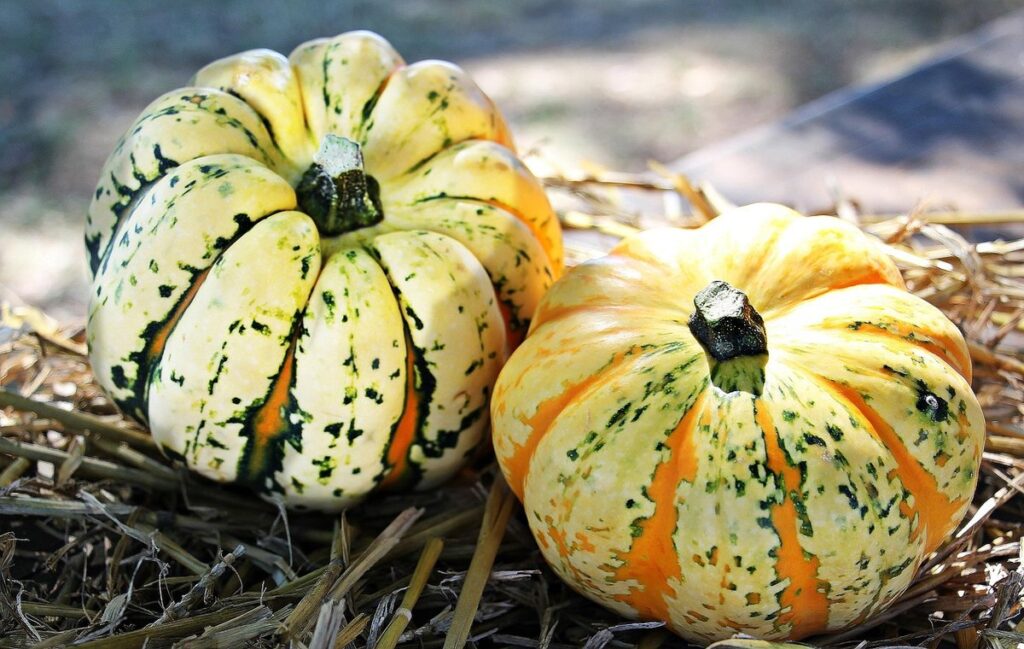
Squash and Gourds for Fall Decorations
Squash and gourds are versatile and visually appealing ingredients that can be used to add a pop of color and texture to fall decorations. They come in a variety of shapes, sizes, and patterns, making them suitable for use as decorative elements in both indoor and outdoor settings.
When choosing squash and gourds for decoration, look for ones with unique shapes and vibrant colors. For example, the “Cinderella” pumpkin has a symmetrical shape and smooth surface, while the “Blue Hubbard” squash features a mottled blue-gray skin. Consider using a mix of sizes and shapes to create visual interest.
To care for your decorative squash and gourds, keep them away from direct sunlight and heat sources, as this can cause them to dry out quickly. If you plan to use them outdoors, ensure they are protected from rain and extreme temperatures. You can also preserve them by painting or coating with a sealant, which will help extend their lifespan.
Some popular ways to display squash and gourds include arranging them in bowls or vases, placing them on tables or shelves, or using them as part of a seasonal centerpiece. Consider combining them with other fall elements, such as leaves, twigs, and candles, to create a cohesive and inviting atmosphere.
November’s Late Harvest
As we enter the final stretch of fall, November brings a bountiful harvest of seasonal fruits and vegetables to enjoy. From crisp apples to hearty squashes, let’s take a look at what’s in season this month.
Leafy Greens for Winter Salads
As November’s late harvest unfolds, leafy greens like kale, spinach, and arugula are still available for winter salads. These nutritious ingredients offer a burst of flavor and color to the colder months’ dishes. To preserve their freshness, it’s essential to handle them properly. For example, store bunches of kale with their stems facing down in a sealed container to prevent moisture from accumulating.
If you’re planning to use these leafy greens for salads throughout the winter, consider freezing or dehydrating them. Blanching and then freezing kale leaves or spinach bunches helps preserve their texture and nutrients. Dehydrating methods like air-drying or using a food dehydrator remove excess moisture, making it easier to store them in airtight containers.
For arugula, which is typically more delicate, consider freezing the leaves flat on a baking sheet before transferring them to an airtight container. This method prevents clumping and makes it easy to use individual leaves as needed. By preserving these leafy greens, you’ll be able to enjoy their unique flavors throughout the winter months without sacrificing quality or nutritional value.
Root Vegetables for Roasted Dishes
Parsnips, rutabaga, and turnips are still bountiful in November, making them ideal additions to roasted dishes. These root vegetables retain their sweetness when cooked low and slow, bringing depth to soups and stews.
For roasting, cut the parsnips into 1-inch wedges or thick slices, while rutabaga and turnips can be cubed. Toss with olive oil, salt, and pepper, then roast at 425°F (220°C) for about 20-25 minutes, or until tender and caramelized.
When it comes to soups, consider using a combination of root vegetables for added texture and flavor. A basic vegetable broth can be elevated by simmering parsnips, rutabaga, and turnips together with some aromatic spices like thyme and bay leaves.
To incorporate these root vegetables into your roasting repertoire, try the following:
- Roast a single type of root vegetable as a side dish, or combine multiple varieties for a hearty main course.
- Experiment with different spice blends to complement the natural sweetness of the parsnips, rutabaga, and turnips.
- Use roasted root vegetables as a base for soups, adding beans, grains, or other ingredients to create a filling meal.
December’s Winter Harvest
As winter sets in, December brings a bounty of delicious and nutritious produce that’s perfect for cozying up on chilly days. Let’s take a look at some of the best fruits and veggies to enjoy this month.
Citrus Fruits for Holiday Cooking
Oranges, grapefruits, and lemons are still in season throughout December, offering a burst of citrus flavor to your holiday cooking and baking. To incorporate these ingredients into your festive recipes, consider using them as a marinade for roasted meats or as a topping for winter salads.
For baked goods, try substituting some of the sugar with freshly squeezed orange juice or zest for added depth of flavor. Grapefruits pair well with rich flavors like chocolate and nuts, making them a great addition to holiday desserts. Lemons, meanwhile, can add a bright, citrusy note to savory dishes like roasted vegetables or braised meats.
When choosing citrus fruits for cooking, look for ones that are heavy for their size and have a sweet, fragrant aroma. This will ensure the best flavor in your recipes. You can also preserve citrus fruits by freezing them or making marmalade to enjoy throughout the year.
Some popular holiday dishes that feature citrus fruits include lemon bars, orange-glazed ham, and grapefruit salad with mixed greens and pecans. Experiment with different combinations of citrus flavors and ingredients to create unique and delicious holiday recipes.
Root Vegetables for Hearty Stews and Soups
Carrots are a staple root vegetable that remain abundant during December. They’re sweet and versatile, making them an excellent addition to stews and soups. Consider using carrots with other winter vegetables like parsnips or celery for added depth of flavor.
Beets, too, continue to thrive in December’s cooler temperatures. Their earthy sweetness pairs well with the bold flavors found in hearty stews. Try adding roasted beets to your favorite beef stew recipe for a pop of color and extra nutrition.
Turnips are another root vegetable that’s perfect for winter soups and stews. They add a peppery flavor and a satisfying crunch to dishes like minestrone or creamy broths. Simply peel and dice turnips, then sauté them with onions and garlic before adding your favorite broth ingredients.
When preparing root vegetables for stews and soups, remember that cooking times will vary depending on the vegetable’s density. Thicker roots like carrots and parsnips may take longer to cook than thinner ones like celery or turnips. To ensure even cooking, chop larger roots into smaller pieces before adding them to your pot.
In general, root vegetables benefit from gentle heat and slow cooking to bring out their natural sweetness. Avoid overcooking, which can lead to mushy textures and lost flavors. By following these simple tips, you’ll be able to coax the most flavor and nutrition out of December’s winter harvest.
Frequently Asked Questions
What if I’m new to cooking with seasonal produce and don’t know where to start?
Start by exploring your local farmers’ market or grocery store’s seasonal section. Talk to vendors or store staff about what’s in season and how to prepare it. Begin with simple recipes and gradually experiment with new ingredients and techniques.
Can I still get hold of out-of-season fruits and vegetables if they’re not available locally?
Yes, many supermarkets import produce from warmer climates during winter months. However, prioritize local and seasonal options for better flavor, texture, and environmental impact. If you can’t find a specific ingredient, consider substituting with something similar or exploring online delivery services that specialize in seasonal produce.
How do I know what to buy at the peak season for each fruit or vegetable?
The article provides guidance on peak seasonality, but also research local growing conditions, weather patterns, and market trends to ensure you’re buying at the optimal time. For instance, if a particular variety is more abundant during a specific month due to favorable weather conditions, stock up when possible.
Can I freeze or preserve seasonal produce for later use?
Yes, many fruits and vegetables can be frozen, pickled, or dehydrated to enjoy throughout the year. Follow proper preservation techniques to maintain quality and safety. For instance, blanching leafy greens before freezing helps retain their texture and nutrients.
How do I incorporate new ingredients into my existing recipes without overwhelming my family’s taste buds?
Gradually introduce new flavors and ingredients, starting with small portions or substitutions in familiar dishes. Observe your family’s reactions and adjust accordingly. Consider setting aside a “test kitchen” day to experiment with new recipes and combinations.

