
If you’re anything like many gardeners, you might be wondering how to coax the best yields from your banana pepper plants. One crucial aspect that can make or break your harvest is understanding the ideal plant size for these sweet and spicy peppers. While they can thrive in a variety of conditions, too much growth can lead to reduced fruit production and lower quality crops. In this guide, we’ll walk you through the key factors that influence banana pepper plant size, including climate and soil requirements, common nutrient deficiencies, and expert pruning techniques to maximize your yields. By mastering these principles, you’ll be able to grow healthy, productive banana pepper plants that deliver a bountiful harvest season after season.
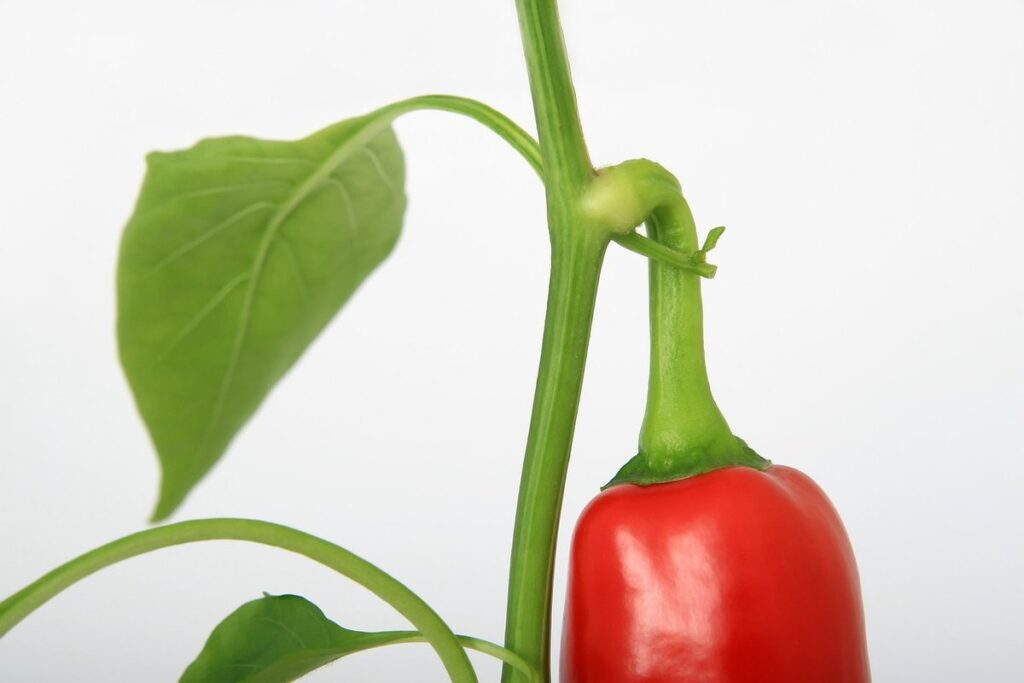
Understanding Banana Pepper Plants
Understanding banana pepper plant size requires a basic grasp of their growth habits, including how they develop and mature over time. Let’s explore what influences these plants’ overall size and shape.
What are Banana Peppers?
Banana peppers are a popular variety of sweet and slightly spicy pepper commonly used in gardening. They belong to the Capsicum annuum species, which also includes bell peppers, jalapeños, and other sweet or hot pepper types. One of the key characteristics of banana peppers is their elongated shape, typically measuring 4-6 inches in length. Their bright yellow color when ripe adds a pop of vibrancy to gardens and plates alike.
Banana peppers have been a staple in many cuisines for centuries, particularly in Italian and Hungarian cooking traditions. They’re prized for their crunchy texture and mild, slightly sweet flavor. In gardening, they’re often grown for their versatility – from slicing them thin for salads to using them as a key ingredient in sauces and relishes.
Their popularity stems from their ease of cultivation and adaptability to various growing conditions. Banana peppers thrive in well-draining soil with full sun exposure and moderate watering needs. This makes them an excellent choice for gardeners of all skill levels, from beginners to experienced growers looking to add some variety to their pepper patch.
Brief History of Banana Peppers
Banana peppers originated from the Americas, where they were first domesticated by indigenous peoples over 6,000 years ago. They were later introduced to Europe by Spanish and Italian traders during the Columbian Exchange. The pepper’s popularity spread rapidly throughout the Mediterranean region, where it became a staple ingredient in many cuisines.
In the United States, banana peppers gained widespread acceptance in the early 20th century, particularly among Italian-American communities. They were often used as a key component in traditional dishes like antipasto and pasta sauces. Today, you can find banana peppers in most supermarkets across North America, Europe, and Australia.
Interestingly, modern banana pepper varieties have undergone significant changes from their wild ancestors. These cultivated peppers are bred for higher yields, disease resistance, and improved flavor profiles. The spread of banana peppers has been largely driven by their adaptability to diverse climates and soil types, making them a versatile crop for both commercial growers and home gardeners.
The global popularity of banana peppers is also reflected in the various names they’re known by in different cultures: sweet peppers, Hungarian hot wax peppers, or simply banana. This linguistic diversity highlights the pepper’s widespread influence on international cuisine.
Growing Conditions for Banana Pepper Plants
To grow banana pepper plants successfully, you’ll want to consider the ideal temperature range and amount of sunlight they require in their environment. This includes both indoor and outdoor settings.
Ideal Climate and Temperature Requirements
Banana pepper plants prefer a warm and humid climate to thrive. They grow best in temperatures between 65°F (18°C) and 75°F (24°C), making them ideal for growing in USDA zones 3-10. Avoid exposing your banana pepper plants to frost, as this can cause damage or even kill the plant.
If you live in an area with extreme temperature fluctuations, provide protection for your plants during the colder months. You can do this by bringing potted plants indoors or covering outdoor beds with a frost blanket. On the other hand, if you’re growing banana peppers in a region with hot summers, ensure they receive adequate water and shade to prevent scorching.
Optimal growth also requires consistent moisture levels, with most banana pepper varieties requiring around 1-2 inches (2.5-5 cm) of water per week. Be cautious not to overwater, as this can lead to root rot and other problems. Aim for a humid environment, typically between 50-70% relative humidity, which will promote healthy growth and fruit production.
Keep in mind that some banana pepper varieties are more tolerant of cooler temperatures than others. ‘Red Fig’ and ‘Sweet Banana’ are good options if you live in an area with mild winters.
Soil Type and pH Requirements
Banana pepper plants thrive in well-draining soil with a slightly acidic pH. Specifically, they grow best in soils with a pH between 6.0 and 7.0. This range allows for optimal nutrient uptake, which is essential for healthy growth and development.
Soils high in clay or heavy loams can be detrimental to banana pepper plants, as they tend to retain too much water and may cause root rot. Sandy soils, on the other hand, are often too dry and require frequent watering. Ideally, growers should aim for a mix of 50-70% sand, 20-30% silt, and 10-20% clay.
Some common soil types suitable for banana pepper plants include loamy or sandy-loam soils. These have a good balance of nutrients, water-holding capacity, and drainage. In regions with high rainfall or flooding, growers may need to amend their soil with organic matter or raise the planting area to improve drainage.
When testing your soil pH, consider using a kit specifically designed for acidic or alkaline readings. If your soil is too far off from the ideal range, add lime to increase the pH or sulfur to decrease it.
Factors Affecting Banana Pepper Plant Size
Banana pepper plant size is influenced by several key factors, including climate, soil quality, and pruning practices. Understanding these variables will help you optimize your plant’s growth potential.
Nutrient Deficiencies and Their Impact on Growth
Nutrient deficiencies can significantly impact banana pepper plant size. A lack of essential nutrients like nitrogen, phosphorus, and potassium can lead to stunted growth, weakened stems, and reduced fruit production. For instance, a nitrogen deficiency is often characterized by yellowing leaves and reduced leaf growth, while a phosphorus deficiency may cause buds to drop and reduce flowering.
To address these issues, consider the following:
• Soil testing: Regularly test your soil pH and nutrient levels to identify any deficiencies.
• Fertilizer application: Use balanced fertilizers that contain nitrogen, phosphorus, and potassium in suitable ratios for banana pepper plants.
• Organic amendments: Add compost or well-rotted manure to improve soil fertility and structure.
Magnesium deficiency can also affect plant growth, causing leaves to become wilted and discolored. To remedy this, apply Epsom salt (magnesium sulfate) at a rate of 1 tablespoon per gallon of water. Regular monitoring of your plants’ nutrient needs will help you prevent deficiencies from occurring in the first place.
Pests and Diseases That Can Stunt Growth
Fungal diseases like powdery mildew and root rot can severely stunt banana pepper plant growth. These conditions often arise from excess moisture, poor air circulation, and high temperatures. Regularly inspecting plants for signs of fungal infection, such as white powder on leaves or yellowed stems, allows for prompt intervention.
Insect pests that harm plant size include aphids, whiteflies, and spider mites. These tiny creatures feed on sap, weakening the plant’s ability to grow. Control methods involve introducing beneficial insects like ladybugs or lacewings, which prey on these pests. You can also spray neem oil or insecticidal soap to repel them.
Root-knot nematodes are microscopic worms that attack banana pepper roots, reducing water and nutrient uptake. This leads to stunted growth and yellowed leaves. Use resistant varieties or implement crop rotation to minimize the risk of infestation. If you suspect an infestation, test soil samples for nematode presence before taking further action.
Some common signs of pest or disease issues include curled or distorted leaves, black spots on fruit, and excessive leaf drop. Monitoring plants closely and addressing problems promptly helps prevent long-term damage.
Common Mistakes to Avoid in Banana Pepper Gardening
As you tend to your banana pepper plants, it’s easy to make mistakes that can impact their size and flavor – we’ll cover common oversights to avoid right now.
Overwatering and Its Consequences
Overwatering is a common mistake that can severely impact banana pepper plant size. When waterlogged, the roots begin to rot, and the plant’s energy shifts from producing fruit and growth to fighting off decay. This can cause the plant to become stunted, resulting in smaller peppers.
A well-draining soil mix and proper watering schedule are essential to prevent overwatering. Water your banana pepper plants when the top 1-2 inches of soil feel dry to the touch. Avoid getting water on the leaves or crown to prevent fungal diseases. Most banana pepper varieties require about 1-2 gallons of water per week, depending on climate and soil type.
In extreme cases of overwatering, the plant may develop root rot, which can be identified by a foul odor and soft, mushy roots. To avoid this, ensure good air circulation around the plants and raise the pot off the ground to improve drainage. Aim for about 6-8 hours of direct sunlight per day to promote healthy growth.
Regularly inspect your banana pepper plants for signs of overwatering, such as yellowing leaves or a soft stem. Adjust your watering schedule accordingly, and consider repotting with fresh soil if you suspect root rot.
Inadequate Sunlight Exposure
Banana pepper plants require at least six hours of direct sunlight per day for optimal growth. Without sufficient sunlight exposure, these plants may become leggy and experience stunted growth. This can lead to smaller fruit size, reduced yields, and increased susceptibility to disease.
When banana peppers don’t receive adequate sunlight, their natural inclination is to stretch towards the nearest light source. As a result, they may grow taller but narrower, with less dense foliage. This characteristic “reaching” or “stretching” behavior can be an indicator of inadequate sunlight exposure.
To illustrate this point, consider a scenario where two banana pepper plants are grown side by side in identical conditions except for sunlight exposure. The plant receiving six hours of direct sunlight will likely produce more robust fruit and have a fuller appearance than the one with reduced sunlight.
Inadequate sunlight can be caused by various factors such as shade from nearby trees or buildings, dense foliage that blocks sunlight, or even growing in a location that receives partial sunlight for most of the day. Moving plants to a sunnier location or pruning surrounding vegetation may help alleviate this issue and promote healthier growth.
Advanced Techniques for Promoting Healthy Growth
To maximize your banana pepper plant size, you’ll want to focus on techniques that promote healthy growth from seed to harvest, including pruning and fertilization methods. Effective use of these techniques can lead to impressive results.
Pruning Methods for Encouraging Bushy Growth
To encourage bushy growth and maximize yields, you can employ various pruning techniques. One method is called “tip-pinching,” where you pinch off the top set of leaves on the plant to direct its energy towards producing lateral shoots. This technique promotes a fuller plant with more fruiting branches.
Another approach is “pinching back,” where you remove the terminal bud of each stem, usually after 6-8 inches of growth. This encourages the plant to produce side shoots and prevents it from becoming leggy. To minimize damage, use scissors or pruning shears and make clean cuts just above a node.
You can also try “topping,” which involves cutting the plant back by one-third to one-half its height. This shock-prunes the plant, encouraging new growth from the remaining stem sections. Top-dressing with a balanced fertilizer after topping will help promote healthy regrowth. Keep in mind that topping may reduce fruiting for a short period.
For optimal results, prune your banana pepper plants regularly throughout their growing season. Aim to remove about one-third of the foliage every few weeks to maintain shape and encourage bushy growth.
Companion Planting Strategies
Companion planting is a time-tested technique for promoting healthy growth and encouraging robust flavor in banana pepper plants. By strategically pairing banana peppers with complementary plants, you can create a balanced ecosystem that enhances their natural defenses against pests and diseases. For example, basil repels aphids and whiteflies, which often target banana peppers, while marigold deters nematodes, microscopic worms that feed on plant roots.
To get the most out of companion planting, choose plants with different growing habits to create a layered canopy and reduce competition for resources like light and water. Plant tall varieties like sunflowers or corn behind shorter companions like radishes or nasturtiums. Some popular combinations include:
• Planting garlic near banana peppers to deter aphids and spider mites
• Pairing banana peppers with mint, which repels pests while improving flavor
• Creating a “three sisters” effect by planting beans with corn and squash, all of which benefit from the nitrogen-fixing abilities of the legumes
Remember that companion plants can compete for nutrients if they’re too vigorous. Monitor your plantings closely and adjust as needed to ensure optimal growth and development.
Frequently Asked Questions
Can I Grow Banana Peppers in Containers?
Yes, banana pepper plants can thrive in containers as long as they receive adequate sunlight and have well-draining soil with the right pH balance. Make sure to choose a container that is at least 5-gallons in size and has good drainage holes to prevent root rot.
How Long Does it Take for Banana Pepper Plants to Reach Full Size?
The growth rate of banana pepper plants can vary depending on factors such as climate, soil quality, and pruning techniques. On average, it takes around 60-90 days for banana pepper plants to reach full size after germination, but this can range from 40-120 days in ideal conditions.
What Happens if I Prune My Banana Pepper Plant Too Much?
Over-pruning your banana pepper plant can lead to stress and potential disease susceptibility. It’s essential to prune your plant regularly to maintain its shape and promote healthy growth, but avoid removing more than one-third of the plant’s foliage at a time to prevent shock.
Can I Grow Banana Peppers in a Shade Garden?
While banana peppers require some direct sunlight to thrive, they can tolerate partial shade conditions. However, if you’re growing them in a shaded area, make sure to provide supplemental lighting or choose a variety that is bred for low-light conditions to ensure optimal growth and yields.
How Do I Know When My Banana Pepper Plant Needs More Nutrients?
Monitor your plant’s leaves and stems for signs of nutrient deficiencies such as yellowing leaves, stunted growth, or reduced fruit production. Regular soil testing can also help you determine if your plant requires additional nutrients, and adjust your fertilization schedule accordingly to promote healthy growth and yields.
