
Pollinators like bees, butterflies, and hummingbirds play a vital role in ecosystems, but their importance extends far beyond just nature. They’re also crucial for human health and food production, which is why it’s essential to understand the benefits of supporting these creatures. Without pollinators, many plants would be unable to reproduce, resulting in reduced crop yields and altered diets. The impact on our health would be significant too, as certain fruits and vegetables are rich in nutrients that rely on pollinators for their production. In this article, we’ll explore the list of pollinator benefits and discuss ways you can support these vital creatures. By the time you finish reading, you’ll know how to create a pollinator-friendly environment and reap its rewards.
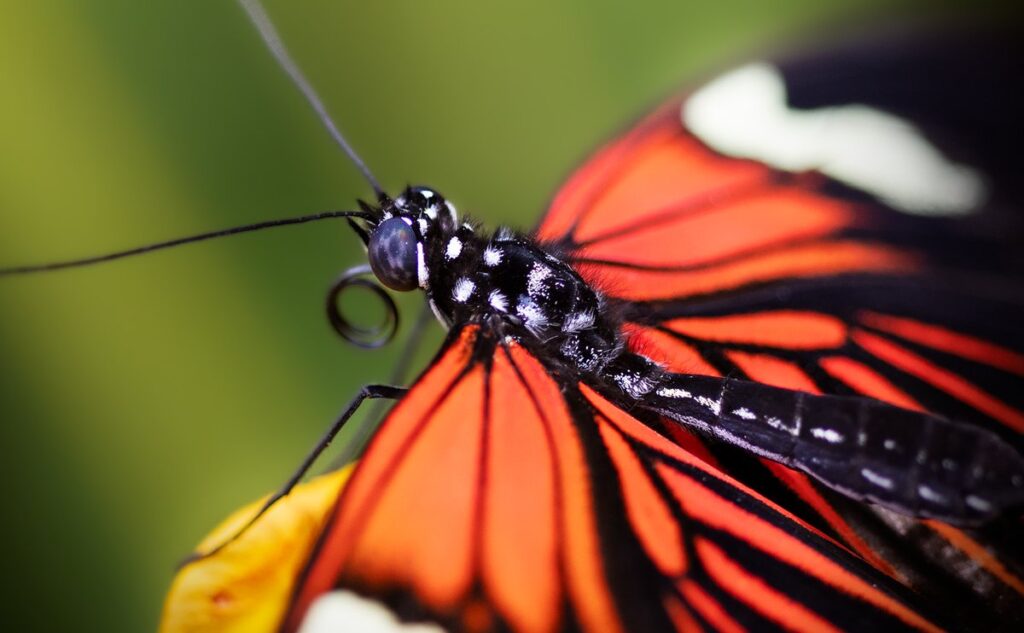
The Importance of Pollinators
Pollinators play a vital role in maintaining our ecosystem, and understanding their importance is crucial for preserving biodiversity. Let’s take a closer look at the essential benefits they provide to our planet.
Definition and Role of Pollinators
Pollinators are organisms that transfer pollen from one plant to another, facilitating the reproduction of plants and the production of seeds. This process is essential for the survival of most plant species, including fruits, vegetables, and flowers. In ecosystems, pollinators play a vital role as both predators and prey, maintaining the balance between different species.
Pollination occurs when pollen from the male reproductive part of a plant (the anther) sticks to the body of a pollinator, such as a bee or butterfly, and is then transferred to the female reproductive part of another plant (the stigma). This process requires a combination of factors, including the presence of nectar-rich flowers that provide energy for pollinators, adequate water and nutrients for plant growth, and suitable temperatures for optimal pollination.
Pollinators contribute to plant reproduction in several ways. By transferring pollen between plants, they enable fertilization to occur, allowing seeds to develop. This process also promotes genetic diversity within plant populations, which is crucial for their survival and adaptation to changing environments. Without pollinators, many plant species would be unable to reproduce, leading to significant reductions in crop yields and ecosystem health.
Economic Value of Pollinators
Pollinators play a vital role in maintaining crop yields and food production. Without them, many plants would be unable to reproduce, resulting in significant economic losses for farmers and agricultural industries. For example, almonds, avocados, and blueberries are just a few of the many crops that rely heavily on pollinators like bees and butterflies.
In fact, it’s estimated that one-third of all food production globally is dependent on animal pollination. This translates to around $200 billion in crop value each year. To put this into perspective, if pollinators were to disappear, the economic impact would be catastrophic, with many crops facing severe yield reductions or even extinction.
To better understand the importance of pollinators from an economic standpoint, consider the following:
- Almonds: Bees pollinate around 80% of the world’s almond crop, generating over $10 billion in revenue annually.
- Coffee and cocoa: These crops rely on bees for pollination, contributing to a global market worth over $100 billion per year.
- Fruits and vegetables: Many types of fruits and veggies, such as strawberries, raspberries, and lettuce, require pollinators like bees and butterflies to produce.
By understanding the economic value of pollinators, we can begin to appreciate their importance in maintaining our food systems.
Environmental Benefits of Pollinators
Pollinators play a vital role in maintaining healthy ecosystems, and their presence has a significant impact on our environment. Let’s explore how these tiny creatures contribute to a cleaner, greener planet.
Biodiversity and Ecosystem Health
Pollinators play a crucial role in maintaining ecosystem health and promoting ecological balance. By facilitating the transfer of pollen between plants, they enable the reproduction of a wide variety of plant species. This, in turn, supports biodiversity by allowing plants to adapt and evolve over time.
In addition to supporting biodiversity, pollinators also contribute to ecosystem resilience. When one plant species is threatened or goes extinct, pollinators help ensure that other species can continue to thrive. For example, if a particular bee species relies on a specific plant for food, and that plant becomes endangered, the bee population may decline as well.
Pollinators also play a key role in maintaining soil health through their interactions with plants. As they feed on nectar and pollen, they help pollinate plants that have deep roots, allowing them to absorb essential nutrients from the soil more efficiently. This process helps maintain soil quality and fertility, which is essential for plant growth.
To support ecosystem health and biodiversity, consider planting a diverse range of flowers, herbs, and shrubs in your garden or community space. This will provide pollinators with a constant source of food and help maintain ecological balance.
Soil Quality and Fertility
Pollinators play a crucial role in maintaining soil quality and fertility through their activities. One key process is seed dispersal. When pollinators visit flowers, they transfer pollen between plants, allowing seeds to form. As they feed on nectar and pollen, some seeds are inadvertently deposited elsewhere, often with improved conditions for germination. This process promotes genetic diversity within plant populations.
Pollinators also contribute to nutrient cycling through their waste. When they consume nectar and pollen, they deposit a small amount of fertilizer-rich waste in the form of frass (insect feces). Frass is high in nutrients like nitrogen, phosphorus, and potassium, which can act as natural fertilizers when decomposed.
In addition to these processes, pollinators’ nesting activities can improve soil structure. For example, some bees dig complex burrows that allow air and water to penetrate the soil more easily, improving drainage and aeration. By promoting healthy soil conditions, pollinators create an environment conducive to plant growth, ultimately supporting biodiversity and ecosystem health.
Human Health Benefits of Pollinators
Pollinators play a crucial role in maintaining our health, and their importance extends far beyond just food production. By understanding their impact on human well-being, we can better appreciate these tiny heroes.
Mental Health and Well-being
Exposure to nature, including pollinators, has been shown to have a positive impact on mental health. Studies suggest that spending time outdoors and engaging with natural environments can reduce symptoms of anxiety and depression. One key factor is the presence of pollinators such as bees, butterflies, and hummingbirds, which are often associated with vibrant flowers and lush greenery.
Being in nature has been linked to lower cortisol levels, improved mood, and enhanced cognitive functioning. The exact mechanisms behind these effects are not yet fully understood, but it’s thought that exposure to natural environments triggers a decrease in stress hormones and an increase in neurotransmitters such as serotonin. Pollinators play a role in this process by contributing to the diversity of plant species and promoting the growth of flowers and other vegetation.
To reap the mental health benefits of pollinators, consider spending time in areas with high biodiversity, such as parks or gardens with native plant species. Even small exposures to nature, like taking a short walk outside during your lunch break, can have a positive impact on mental well-being.
Nutritional Value of Pollinator-Dependent Foods
Pollinators are responsible for transferring pollen between plants, enabling the reproduction of over 75% of the world’s crop species. As a result, many foods we eat rely on pollinators to produce their fruits and seeds. Fruits like apples, blueberries, and avocados; vegetables such as tomatoes, bell peppers, and cucumbers; and nuts like almonds and walnuts are all dependent on pollinators.
A diet rich in these pollinator-dependent foods can have numerous health benefits. For instance, a study found that eating an apple a day was associated with a reduced risk of heart disease. Tomatoes, which rely heavily on bees for pollination, are high in lycopene, an antioxidant that has been linked to lower rates of certain cancers.
Incorporating more pollinator-dependent foods into your diet can be as simple as adding a serving of mixed berries or a handful of almonds to your breakfast cereal. When shopping at the grocery store, look for seasonal produce and choose options that are certified organic or sustainably grown. By supporting pollinators through our food choices, we can promote their health and well-being, which in turn supports human nutrition.
Social Benefits of Pollinators
Pollinators play a crucial role in maintaining healthy ecosystems, and their social benefits extend far beyond our own backyards. By supporting pollinator populations, we’re also supporting local communities and the environment as a whole.
Cultural Significance and Traditional Practices
Pollinators have a profound impact on human culture, with various societies placing significant value on their role in traditional practices and ceremonies. In many indigenous cultures, pollinators are revered as sacred beings, associated with fertility, abundance, and the life-giving forces of nature. For example, in some Native American communities, bees are considered messengers between humans and the spirit world.
In Japan, the cherry blossom festival (Hanami) relies heavily on pollinators to ensure a successful bloom. The festival celebrates the brief but vibrant display of blossoms, which is made possible by the tireless work of bees and other pollinators. Similarly, in India, the Hindu festival of Makar Sankranti honors the role of pollinators in bringing forth the harvest season.
These cultural associations with pollinators are not limited to specific festivals or celebrations. Many traditional practices, such as beekeeping, have been passed down through generations and continue to play a vital role in communities around the world. By embracing these cultural connections, we can deepen our appreciation for pollinators and inspire new efforts to protect them.
Community Engagement and Education
Community engagement and education play a vital role in pollinator conservation. By raising public awareness about the importance of pollinators, we can inspire individuals to take action and contribute to the protection of these essential creatures.
Local communities are implementing various initiatives to educate people about pollinator conservation. For instance, many organizations offer guided garden tours that highlight the importance of native plants for pollinators. These tours often include hands-on activities, such as planting a pollinator-friendly garden or creating a bee hotel.
Schools and educational institutions are also getting involved in pollinator education. Many have incorporated pollinator-themed curricula into their science programs, teaching students about the life cycle of bees, the importance of pollinators for food production, and ways to create pollinator-friendly habitats.
Some notable examples of community engagement initiatives include:
- Pollinator Week events, which bring together local residents, businesses, and organizations to promote pollinator conservation
- Community garden programs that provide resources and support for individuals to establish pollinator-friendly gardens in their neighborhoods
- Collaborations between schools and local nurseries to develop pollinator-themed educational materials and activities
Conservation Efforts for Pollinators
Let’s talk about what we can do to help pollinators thrive. This section highlights various conservation efforts that support the health and well-being of these vital creatures.
Habitat Creation and Restoration
Creating pollinator-friendly habitats is essential for supporting these vital creatures. When restoring or creating new spaces, consider the specific needs of local pollinators. For example, bees prefer open areas with a mix of flowers that provide nectar and pollen, while butterflies require more sun exposure and a variety of host plants.
To create effective pollinator habitats, gardeners and landowners can start by assessing their existing landscape. Remove invasive species and weeds, which can outcompete native plants for resources. Then, choose native plants with varying bloom times to provide a constant food source throughout the growing season. Some examples of pollinator-friendly plants include coneflower, black-eyed Susan, and milkweed.
When restoring degraded habitats, consider the soil quality and fertility. Add organic matter like compost or manure to improve soil health and structure. Also, create shallow water sources with rocks or a birdbath to provide drinking water for thirsty pollinators. By following these steps and incorporating native plants, gardeners can create thriving pollinator habitats that support local populations and contribute to the overall health of ecosystems.
Sustainable Practices and Reduced Chemical Use
Reducing chemical use is essential to creating a safe environment for pollinators. Many conventional pesticides and herbicides contain chemicals like neonicotinoids, which have been linked to bee deaths and colony decline. These substances can be found in over-the-counter gardening products or applied by farmers as part of their crop management strategies.
To minimize exposure to these toxic chemicals, gardeners and farmers can opt for integrated pest management (IPM) techniques that incorporate natural methods like companion planting, physical barriers, and beneficial insects. For example, planting marigolds alongside tomatoes can deter nematodes, while attracting ladybugs can help control aphid populations.
Some simple changes in gardening practices can make a significant difference: switching to organic fertilizers, avoiding broad-spectrum pesticides, and removing weeds manually rather than using herbicides. By adopting these sustainable approaches, individuals can contribute to the preservation of pollinator populations and support ecosystem health.
Conclusion: Protecting Pollinator Populations
As we conclude our comprehensive guide to pollinator benefits, it’s essential to emphasize the importance of protecting these vital populations. With their role in maintaining ecosystem health and food security, pollinators are a crucial component of our planet’s biodiversity. To safeguard their well-being, we can start by reducing pesticide use in gardens and farming practices. Instead, opt for integrated pest management techniques that minimize harm to pollinators.
Planting a diverse range of flowers, shrubs, and trees is also vital for supporting local pollinator populations. Incorporate native plant species into your garden or community spaces, as they provide the necessary food sources and habitats for these creatures. Furthermore, create pollinator-friendly habitats by preserving natural areas, such as meadows and woodlands, where pollinators can thrive.
Every small action counts, and collective efforts can lead to significant positive change. By making conscious choices in our daily lives, we can contribute to the preservation of pollinator populations for future generations.
Frequently Asked Questions
How Can I Incorporate Sustainable Practices into My Existing Garden?
If you’re already gardening, it’s easy to transition to sustainable practices. Start by reducing your use of chemical pesticides and herbicides. Instead, try using natural methods like hand-weeding or introducing beneficial insects that prey on pests. You can also switch to organic fertilizers and mulch to retain moisture in the soil.
What If I Don’t Have a Large Garden Space – Can I Still Support Local Pollinators?
Even small spaces can support pollinators. Consider planting a pollinator-friendly herb garden or a few container plants with native flowers. You can also partner with your neighbors or local community garden to create a larger pollinator habitat.
Are There Any Specific Plants That Attract Pollinators in Low-Light Areas?
Yes, there are many plants that attract pollinators and thrive in low-light areas. Some examples include shade-loving herbs like mint and lemon balm, as well as flowers like impatiens and coleus. These plants will add color and attract pollinators even in areas with limited sunlight.
How Can I Engage My Community in Pollinator Conservation Efforts?
To engage your community in pollinator conservation, consider hosting a local event or workshop on pollinator-friendly gardening practices. You can also partner with schools to develop educational programs for kids about pollinator biology and importance. Remember to involve local experts and authorities to ensure the success of your initiatives.
Can I Use Drones to Monitor Pollinator Populations – Is This an Effective Method?
Yes, drones equipped with sensors and cameras can be effective tools for monitoring pollinator populations. They allow for remote data collection and can help track changes in pollinator behavior over time. However, it’s essential to consult with experts before implementing drone technology to ensure you’re collecting accurate and relevant data.
