
Native bees have been disappearing at an alarming rate in recent years, with many species experiencing drastic population declines. This decline has severe implications for ecosystems, as native bees play a crucial role in pollination and plant reproduction. Moreover, their loss also has significant economic consequences, particularly for farmers and gardeners who rely on these beneficial insects to maintain crop yields and food diversity. The reasons behind this decline are multifaceted, including habitat destruction, pesticide use, climate change, and the increasing dominance of non-native honey bees in pollination services. This article will explore the devastating impact of native bee loss on ecosystems and economies, as well as provide strategies for conservation and recovery efforts that can help to mitigate this crisis, ultimately giving you a deeper understanding of how to contribute to native bee preservation and recovery.
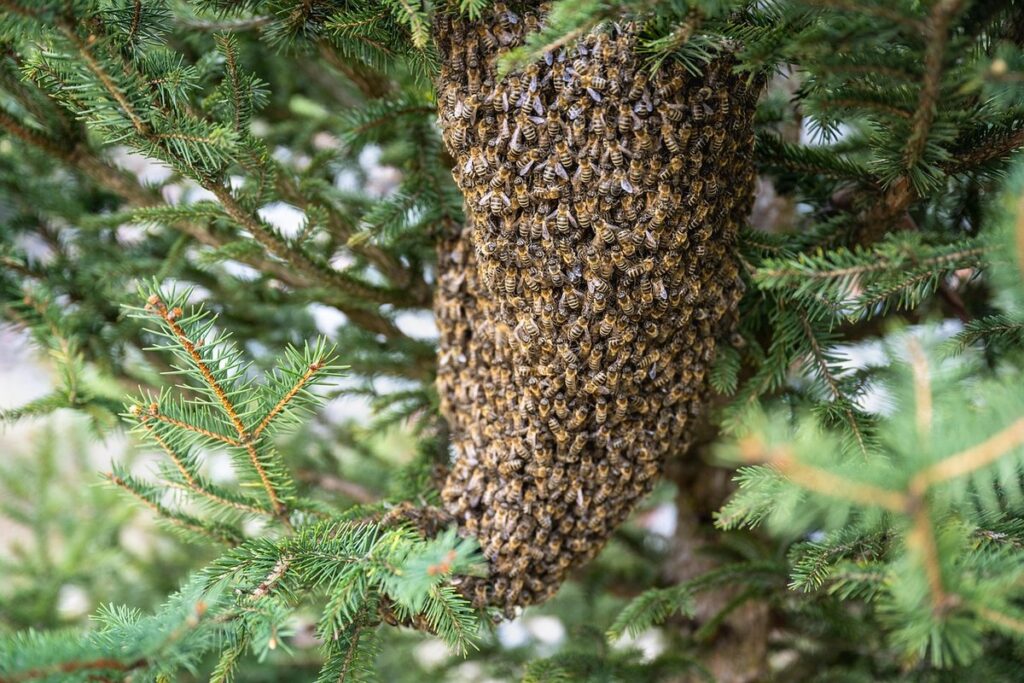
The Devastating Reality of Native Bee Loss
Native bee populations are facing a catastrophic decline, with devastating consequences for our ecosystem and food supply. We’ll explore the shocking truth behind their disappearance.
Causes of Native Bee Decline: Habitat Destruction and Fragmentation
Habitat destruction and fragmentation are primary drivers of native bee decline. Urbanization and intensive agriculture have led to widespread land conversion, leaving native bees without suitable habitats for food, shelter, and breeding. A study in the Midwest found that the loss of prairies and meadows has reduced native bee populations by up to 50%. Infrastructure development, such as road construction and urban sprawl, further isolates remaining natural areas, making it difficult for native bees to migrate.
Native bees rely on specific plant species to gather pollen and nectar. However, many of these plants are being eradicated or fragmented due to human activities. For example, the destruction of prairies has led to a decline in butterfly milkweed, a crucial food source for monarch butterflies and their pollinators. To mitigate this issue, consider creating bee-friendly habitats by planting native flowers that provide nectar and pollen.
When evaluating potential development sites, consider the impact on local ecosystems. Governments can implement policies to preserve green spaces and maintain connectivity between natural areas. By taking these steps, we can begin to reverse habitat destruction and fragmentation, giving native bees a fighting chance at survival.
Climate Change and Its Impact on Native Bees
Climate change is altering temperature and precipitation patterns worldwide, leading to significant changes in native bee populations. One of the most notable effects is the shift in flower blooming times. As temperatures rise, plants are blooming earlier than they used to, but this doesn’t always align with the bees’ activity periods. Many species have evolved to rely on specific flowers at certain times, and when these synchronizations break down, it can be disastrous for native bee populations.
Native bees also face reduced nectar availability due to changing precipitation patterns. Droughts can lead to a scarcity of water, which is essential for bees to produce nectar in the first place. Moreover, extreme weather events like heavy rainfall can wash away pollen and make it difficult for bees to gather food. For example, research on bumblebees has shown that these changes can reduce their populations by up to 50%. To mitigate these effects, gardeners and beekeepers can focus on planting flowers that bloom at different times or have alternative sources of nectar, such as trees with berry-producing flowers.
The Importance of Native Bees
Native bees are more than just a vital part of our ecosystem, they’re also crucial pollinators that help feed our families and communities. Without them, our food supply would be severely impacted.
Ecosystem Services Provided by Native Bees
Native bees play a vital role in maintaining ecosystem health and supporting biodiversity. They are responsible for pollinating over 75% of the world’s crop species, including fruits, vegetables, nuts, and seeds. This is crucial not only for food security but also for maintaining healthy ecosystems.
Pollination services provided by native bees contribute significantly to agricultural productivity. Without these bees, many crops would struggle to reproduce or yield fruit. For example, almonds rely almost exclusively on honey bees for pollination, but many other crops, such as blueberries and squash, are primarily dependent on native bees.
Native bees also support biodiversity by pollinating a wide range of wildflowers and plants. This not only maintains ecosystem health but also supports the reproduction of plant species. By pollinating these plants, native bees facilitate seed set and ensure that plant populations remain healthy and diverse.
In addition to their direct contributions to agriculture and ecosystem health, native bees also support other beneficial insects and animals by pollinating plants that provide food for them. This creates a complex web of relationships within ecosystems, highlighting the importance of preserving native bee populations.
Economic Value of Native Bees
Native bees contribute significantly to agricultural and horticultural production through their pollination services. In the United States alone, these pollinators add value to over $15 billion worth of crops annually. Without native bees, many plants would struggle to reproduce, resulting in reduced crop yields and lower quality produce.
The impact of native bee decline on local economies can be substantial. For example, a study in California found that the state’s almonds rely heavily on honey bees for pollination, but also benefits from native bees. The loss of native bees could lead to significant economic losses for almond farmers, who may need to import non-native bees or adopt more expensive pollination methods.
In addition to agricultural production, native bees also contribute to horticulture and urban gardens. Homeowners and landscapers often rely on these pollinators to maintain the health and diversity of their plants. The loss of native bees could result in reduced plant choices and increased maintenance costs for gardeners and landscapers.
Threats to Native Bee Populations
Native bee populations face numerous threats, from habitat destruction and pesticide use to climate change and invasive species. These dangers are having a devastating impact on native bee populations across North America.
Pesticide Use and Its Impact on Native Bees
Neonicotinoids, a class of insecticides commonly used in agriculture and gardening, have been shown to have devastating effects on native bee populations. These chemicals are highly toxic to bees, causing neurological damage and impairing their ability to navigate and communicate. Studies have found that exposure to even small amounts of neonicotinoids can be fatal for bees.
But the impact of pesticides goes beyond direct toxicity. They also have indirect effects on native bee populations through food web interactions. For example, when bees are exposed to pesticides, they may bring back contaminated pollen to their hives, poisoning other bees and disrupting the colony’s social structure.
Many plants, including common garden flowers like marigolds and zinnias, are treated with neonicotinoids as a way to repel pests. However, this can have unintended consequences for native bee populations. To mitigate these risks, consider choosing pesticide-free plants or using physical barriers to protect your garden from pests. Bees are also more likely to visit flowers that are rich in nectar and pollen, so choose plants that provide a reliable source of food for them.
Varroa Mites and Other Diseases
Varroa mites and other diseases are significant contributors to native bee decline. These parasites and pathogens can have a devastating impact on colony health, weakening the bees’ immune systems and making them more susceptible to other threats. Varroa mites, in particular, feed on the hemolymph of bees, transmitting viruses like deformed wing virus (DWV) as they do so.
The effects of varroa mite infestations can be catastrophic. Infested colonies often experience high mortality rates among adult bees and larvae, leading to a decline in population size. In severe cases, entire colonies may collapse due to the cumulative impact of disease and parasite load. Other diseases like American foulbrood (AFB) and nosema can also have a significant impact on native bee populations.
To mitigate the spread of these diseases, it’s essential for beekeepers and land managers to adopt integrated pest management strategies. This includes monitoring colonies regularly for signs of infestation or disease, using targeted treatments when necessary, and maintaining good hygiene practices within apiaries. By taking proactive steps to manage varroa mites and other diseases, we can help protect native bee populations from these significant threats.
The Role of Humans in Native Bee Conservation
Native bees are facing a steep decline, and it’s up to us humans to take responsibility for their conservation. We’ll explore our crucial role in protecting these vital pollinators from extinction.
Creating Bee-Friendly Habitats
To create bee-friendly habitats, you should prioritize planting pollinator-friendly plants. Choose native flowers that bloom at different times to provide a constant food source for native bees throughout the growing season. Include a mix of annuals and perennials, as well as plants with varying heights and spreading habits, to cater to the diverse needs of local bee species.
Some effective pollinator-friendly plant options include coneflowers, black-eyed Susans, and lavender. You can also consider incorporating herbs like mint and oregano into your garden, as they are rich in nectar and pollen. When selecting plants, opt for varieties that have not been genetically modified or treated with pesticides.
Reducing pesticide use is another crucial aspect of creating bee-friendly habitats. Avoid using broad-spectrum insecticides, which can harm native bees and other beneficial insects. Instead, adopt integrated pest management techniques, such as introducing natural predators or using targeted organic pesticides only when necessary.
Maintaining ecosystem services is also vital for supporting local bee populations. This includes preserving soil health through the use of compost or cover crops, and maintaining a diverse array of wildlife habitats on your property. By implementing these strategies, you can help create a welcoming environment that supports the recovery of native bees in your area.
Supporting Local Beekeepers and Conservation Efforts
Supporting local beekeepers and conservation efforts is crucial for native bee recovery. By buying honey from sustainable sources, you’re directly supporting beekeepers who use practices that don’t harm bees. Look for certifications like “sustainably sourced” or “bee-friendly,” as these indicate the producer has taken steps to protect their bees.
Participating in citizen science projects is another way to contribute. Many organizations, such as the Xerces Society and BeeSpotter, rely on volunteers to monitor bee populations, identify species, and track habitat health. This data helps researchers understand native bee declines and informs conservation efforts.
Advocating for policy changes is also essential. Support local initiatives that aim to protect pollinator habitats or restrict pesticide use. You can contact your representatives, sign petitions, or join advocacy groups like the Pollinator Partnership. Even small actions can make a difference when combined with the efforts of others.
The Future of Native Bees
Native bees play a vital role in our ecosystem, and understanding their future is crucial to preserving biodiversity. We’ll examine the prospects for native bee populations recovery and what conservation efforts might look like.
Strategies for Recovery and Conservation
Habitat restoration is a crucial strategy for recovering native bee populations. This involves rewilding areas by reintroducing native plants and removing invasive species. For example, the Xerces Society’s pollinator-friendly habitat restoration project has shown significant increases in native bee populations. Another approach is to create bee hotels, which provide sheltered spaces for solitary bees to nest.
Research initiatives focused on understanding the causes of decline are also essential. Scientists are studying the impact of pesticide use and climate change on native bee populations. For instance, researchers at the University of California, Berkeley, are exploring the effects of neonicotinoids on native bees. Additionally, some organizations are conducting experiments to develop more effective reintroduction programs.
To support these efforts, governments and conservation groups can work together to establish protected areas for native bees. This could involve creating bee-friendly corridors between fragmented habitats or setting aside land specifically for native bee populations. For example, the UK’s “Bee Friendly” initiative has resulted in over 10,000 hectares of wildflowers being planted. By combining these strategies, we can help stabilize and recover native bee populations.
Community Engagement and Action
Community engagement and action play a vital role in protecting native bees. One effective way to raise awareness is through local events, such as bee-friendly garden tours, honey harvest festivals, or community clean-up initiatives. These events not only educate the public about native bees but also foster a sense of community ownership over their conservation.
To amplify these efforts, consider launching awareness campaigns that target specific audiences, like schools, community groups, or local businesses. Develop educational resources, such as brochures, posters, or social media content, that highlight the importance of native bee conservation and provide actionable tips for individuals to make a difference.
Developing partnerships with local organizations, government agencies, or beekeeping associations can help amplify your efforts and leverage existing networks. For instance, collaborate with schools to integrate native bee conservation into their curriculum or work with local businesses to adopt bee-friendly practices in their operations. By taking collective action, communities can collectively drive meaningful change and contribute to the long-term survival of these vital pollinators.
Frequently Asked Questions
Can I still create bee-friendly habitats in urban areas with limited space?
Yes, even small gardens or balconies can provide essential habitat for native bees. Choose plants that are well-suited to your climate and soil type, and consider using containers or vertical planters to maximize space.
How do I know if my gardening practices are inadvertently harming native bees?
Be cautious of using pesticides, especially neonicotinoids, which can have devastating effects on native bee populations. Instead, opt for integrated pest management techniques that prioritize natural methods for controlling pests and diseases. Regularly monitor your garden’s biodiversity to ensure it remains a haven for native bees.
Can I use non-native plants as alternatives to pollinator-friendly options in my garden?
While some non-native plants may attract native bees, they often lack the essential resources these insects require. For example, many native bee species rely on specific plant families for nectar and pollen. Choose plants that are native to your region or have been specifically bred to support local pollinators.
What if I live in an area with no nearby beekeepers or conservation groups? How can I still contribute to native bee conservation?
While it’s ideal to partner with local organizations, you can still make a difference by supporting online campaigns and advocacy efforts. Additionally, consider participating in citizen science projects or collaborating with like-minded individuals in your community to promote awareness and action for native bee conservation.
Can native bees adapt to changing climate conditions on their own, or do they need human assistance?
While some native bee species may be more resilient than others, many are struggling to cope with the rapid pace of climate change. Human assistance, such as creating climate-resilient habitats and providing resources tailored to changing environmental conditions, is crucial for supporting these vulnerable populations.

