
Pesticide use has become a contentious issue in recent years, with concerns mounting over its devastating impact on pollinators like bees and butterflies. The truth is, many commonly used pesticides contain neonicotinoids, a class of chemicals that have been linked to colony collapse disorder and other problems. But the story doesn’t end there – climate change also plays a significant role in the decline of these vital creatures. As we continue to rely on them for food production, it’s more important than ever to understand how pesticide use affects pollinators. In this article, we’ll explore the intricate relationship between pesticides and pollinators, from the effects of neonicotinoids to the broader implications of climate change. By the end, you’ll have a deeper understanding of this critical issue and learn about practical mitigation strategies for a more sustainable future.
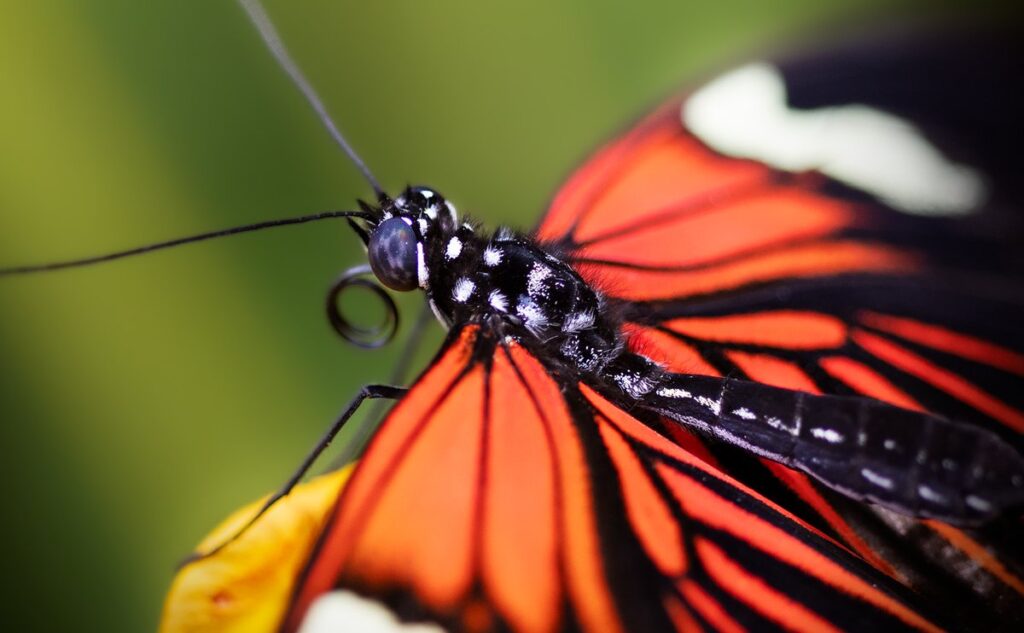
The Rise of Pesticide Use and Its Consequences
The widespread adoption of pesticides has been a driving force behind modern agriculture, but its consequences on pollinators have only recently come under scrutiny. Let’s examine the role of pesticide use in shaping this crisis.
Historical Context of Pesticide Development
The history of pesticide development is marked by a gradual shift from organic compounds to synthetic chemicals. In the early 20th century, pesticides such as DDT and pyrethrum were introduced, derived from natural sources like chrysanthemum flowers. These initial efforts aimed to increase crop yields and reduce agricultural losses due to pests.
As the demand for food grew, so did the complexity of pesticide formulations. The mid-20th century saw the emergence of synthetic pesticides like organophosphates and carbamates. These chemicals were more potent and longer-lasting than their natural counterparts, but they also raised concerns about toxicity and environmental persistence.
The development of neonicotinoids in the 1990s marked a new era in pesticide use. These compounds were designed to be highly selective, targeting specific pest species while minimizing harm to beneficial insects. However, subsequent research revealed that neonicotinoids can have devastating effects on pollinator populations. The introduction of these chemicals underscores the ongoing tension between agricultural productivity and environmental stewardship.
Mechanisms of Action: How Pesticides Affect Pollinators
Pesticides can disrupt pollinator biology through various mechanisms. One key way is by altering insect behavior. For example, neonicotinoids, a class of pesticides, have been shown to impair navigation and communication in bees. This can lead to disorientation, confusion, and reduced foraging efficiency. As a result, colonies may struggle to gather food and resources.
Pesticides can also disrupt metabolism by interfering with the way insects process nutrients. For instance, certain compounds may inhibit enzymes necessary for glucose uptake or energy production. When this happens, pollinators may experience impaired growth, development, and reproduction. Direct poisoning is another mechanism of action, where pesticides accumulate in an insect’s body and cause acute toxicity.
In addition to these effects, some pesticides can also interact with the endocrine system, influencing hormone regulation. This can lead to reproductive issues, such as reduced fertility or changes in egg-laying behavior. The combination of these mechanisms can ultimately contribute to colony collapse and population decline. By understanding how pesticides affect pollinators at a biochemical level, we can begin to appreciate the complex interplay between pesticide exposure and ecological health.
Types of Pesticides Linked to Pollinator Decline
Certain pesticide classes, such as neonicotinoids and pyrethroids, have been linked to pollinator decline through various studies and research. We’ll examine these toxic substances in more detail below.
Neonicotinoids: The Most Criticized Class of Pesticides
Neonicotinoids are a class of systemic insecticides widely used to control pests on agricultural crops and in urban areas. Their ability to be absorbed by plants makes them particularly effective at controlling aphids, whiteflies, and other sucking insects. However, numerous studies have linked neonicotinoids to significant harm to pollinators.
A key concern with neonicotinoids is their persistence in the environment. These chemicals can accumulate in soil, water, and plant tissues, making them available to non-target species like bees and butterflies. Research has shown that exposure to even small amounts of neonicotinoids can impair pollinators’ navigation abilities, reduce their foraging efficiency, and affect their reproduction.
Some studies have reported that neonicotinoid-treated seeds can contaminate soil and water sources, while others have found that the chemicals can be transferred from plants to bees through pollen. As a result, many organizations and regulatory agencies are reevaluating the safety of neonicotinoids for pollinator health. Some countries have already implemented restrictions on their use, highlighting the need for caution when using these pesticides in areas with high pollinator populations.
Other Pesticide Classes Affecting Pollinators
Organophosphates, for instance, interfere with the nervous system of pollinators, disrupting their ability to navigate and communicate. These chemicals can be absorbed through pollen or nectar, causing widespread harm to bees and butterflies. Pyrethroids, another class of pesticides, work by targeting the insect’s nervous system as well. They can cause tremors, paralysis, and eventually death in exposed pollinators.
Both organophosphates and pyrethroids have been linked to significant declines in pollinator populations. A study on bee colonies found that exposure to these chemicals led to a 30% decrease in colony strength over the course of just one season. The long-term effects are equally concerning: repeated exposure can cause permanent damage to pollinators’ nervous systems, reducing their ability to forage and reproduce.
To mitigate these risks, farmers and gardeners can consider using integrated pest management (IPM) techniques, which combine physical barriers, cultural controls, and biological methods to minimize chemical use. By adopting these strategies, we can reduce the reliance on pesticides like organophosphates and pyrethroids, creating a safer environment for pollinators to thrive in.
Impact on Ecosystems: Beyond Pollinators
Beyond pollinators, pesticides have a broader impact on ecosystems, affecting not just bees and butterflies but also birds, bats, and other wildlife that play vital roles in maintaining ecological balance. This section explores these often-overlooked consequences.
Indirect Effects on Food Chains and Biodiversity
Pesticides can have far-reaching consequences beyond harming pollinators. They can also impact other beneficial insects, such as ladybugs and lacewings, which are essential for controlling pest populations. For example, research has shown that neonicotinoids can reduce the abundance of these natural predators by up to 70% in some cases.
The effects of pesticides on plant communities should not be overlooked either. Some plants may be more susceptible to pesticide residues, which can alter their growth patterns and even cause them to become invasive species. For instance, a study found that glyphosate-resistant weeds are becoming increasingly common, threatening crop yields and biodiversity.
Pesticides also have a profound impact on soil microorganisms, which play a crucial role in decomposing organic matter and fixing nitrogen. A decline in beneficial microbe populations can lead to soil degradation and reduced fertility. To mitigate these effects, farmers can adopt conservation agriculture practices that promote soil health through minimal tillage, cover cropping, and crop rotation.
These indirect effects on food chains and biodiversity are often overlooked but are just as critical as the direct harm caused by pesticides to pollinators. By understanding the broader ecosystem impacts of pesticide use, we can take a more comprehensive approach to protecting these vital ecosystems.
Economic Consequences of Pollinator Decline
Pollinator decline has significant economic implications for agriculture and global food systems. In the United States alone, pollinators contribute to around $20 billion worth of crops annually, including almonds, apples, and blueberries. Without these pollinators, farmers face substantial losses due to reduced yields and lower crop quality.
The cost of pollinator decline is not limited to lost revenue; it also affects food availability and prices for consumers. Studies have shown that a 10% reduction in pollination services can lead to a 4-5% decrease in agricultural productivity. This means that even if farmers adopt more efficient farming practices, they still face significant challenges without the aid of pollinators.
Conserving pollinator populations could yield benefits for both agriculture and ecosystems. By adopting integrated pest management (IPM) strategies and planting pollinator-friendly habitats, farmers can reduce their reliance on pesticides and promote biodiversity. This approach also offers potential long-term cost savings by reducing crop losses and improving yields.
Mitigation Strategies and Future Directions
As we consider the impact of pesticides on pollinators, it’s essential to explore practical ways to reduce harm and promote sustainable coexistence. Effective mitigation strategies can make a significant difference in protecting these vital species.
Sustainable Agriculture Practices
Integrated pest management (IPM) strategies offer a promising solution to reduce pesticide use and protect pollinators. IPM involves monitoring pests, identifying the most damaging species, and implementing targeted control measures that minimize harm to beneficial insects. This approach can be particularly effective when combined with crop rotation, which breaks the life cycle of pests and reduces their numbers.
For example, farmers in California’s Central Valley have successfully implemented a wheat-pigeonpea-wheat rotation to manage the European grapevine moth. By introducing pigeonpea, a legume that attracts beneficial insects, they reduced pesticide use by 70% while maintaining yields.
In addition to IPM and crop rotation, farmers can also exploit natural predators to control pests without harming pollinators. Introducing natural enemies like lady beetles or lacewings can help regulate pest populations, reducing the need for pesticides. For instance, a study in the UK found that introducing lady beetles into apple orchards reduced aphid populations by 90%, minimizing pesticide use.
To adopt these practices, farmers should first monitor their fields to identify areas where pests are most active. Next, they can implement targeted control measures and introduce beneficial insects as needed.
Regulatory Efforts and Public Awareness Campaigns
Regulatory efforts and public awareness campaigns have emerged as crucial components of addressing the pesticide impact on pollinators. Governments worldwide have implemented regulations to curb excessive pesticide use. For instance, the European Union has restricted the use of neonicotinoids, a class of pesticides linked to bee decline. The EU’s pesticide reduction targets aim to decrease the overall amount of chemical pesticides applied by 50% between 2020 and 2030.
Public awareness campaigns have also gained momentum. Organizations such as Pollinator Partnership and Xerces Society have launched initiatives to educate farmers about integrated pest management (IPM) techniques, which reduce reliance on chemical pesticides. IPM involves using a combination of methods like crop rotation, biological control, and mechanical removal of pests to minimize the need for chemicals.
Successful public awareness campaigns often combine multiple strategies. For example, the “Bee-friendly” certification program in the UK encourages businesses and farmers to adopt bee-friendly practices. This approach promotes behavioral change while also raising consumer awareness about the importance of pollinator conservation. As these initiatives demonstrate, a multifaceted approach that incorporates both regulatory measures and public education can effectively mitigate pesticide impacts on pollinators.
Understanding the Role of Human Activity
Human activities, particularly those involving pesticide use, have a significant impact on pollinator populations. This is where human activity intersects with environmental health, and understanding these dynamics is crucial to addressing the issue.
Urbanization and Its Impact on Pollinators
Urban development has a profound impact on pollinator populations and their habitats. As cities expand, natural areas such as meadows, forests, and wetlands are converted into built environments, resulting in habitat loss for many pollinator species. This not only affects the local pollinator population but also disrupts the food web, making it challenging for these insects to find nectar-rich flowers and pollen sources.
Green spaces within cities, including parks, gardens, and green roofs, can provide crucial habitats for pollinators. These areas offer a refuge from urban pollutants and pesticides, allowing bees, butterflies, and other pollinators to thrive. Urban agriculture, such as community gardens and rooftop farms, also plays a vital role in supporting pollinators by providing diverse flower species and minimizing pesticide use.
To support pollinators in urban environments, consider planting native flowers that are rich in nectar and pollen, such as coneflowers, black-eyed Susans, and lavender. Avoid using pesticides, opting instead for integrated pest management techniques that prioritize natural methods of controlling pests. By creating pollinator-friendly habitats within cities, we can mitigate the impact of urbanization on these vital insects and contribute to their conservation.
Climate Change: A Compounding Factor
Rising temperatures and altered precipitation patterns have a profound impact on pollinator populations. As global temperatures increase, plants bloom earlier and for shorter periods, disrupting the delicate timing of pollination. This phenomenon is known as “seasonal mismatch,” where flowers are available before or after the optimal pollinator activity period.
Extreme weather events, such as droughts and heatwaves, further exacerbate this issue. Many plants rely on specific moisture levels to produce nectar, which is essential for pollinators’ survival. When these conditions are disrupted, pollinators struggle to find food sources. For instance, the 2012 European heatwave led to a significant decline in bee populations due to inadequate food supply.
Climate change also affects the distribution and prevalence of certain plant species. As some plants become more abundant in warmer areas, they can outcompete native species for resources, altering ecosystem dynamics. This shift can have cascading effects on pollinator populations, making them even more vulnerable to pesticide exposure. To mitigate these impacts, it is essential to consider climate-resilient agriculture practices and adapt pollinator conservation efforts to the changing environmental conditions.
Conclusion: Collective Action for Pollinator Conservation
Collective action is crucial for pollinator conservation. Governments, farmers, and individuals must work together to mitigate the impact of pesticides on pollinators. Governments can establish regulations that limit pesticide use and promote integrated pest management techniques. Farmers can adopt organic farming methods or crop rotation to reduce their reliance on chemical pesticides.
Individuals can make a difference by choosing pollinator-friendly plants in their gardens, supporting local beekeepers, and reducing their own use of pesticides at home. Every effort counts, from small changes in daily life to large-scale policy reforms. By combining these efforts, we can create a safer environment for pollinators and ensure the long-term health of ecosystems that rely on them.
Frequently Asked Questions
Can I still use some pesticides and expect to help pollinators?
Yes, you can still use integrated pest management (IPM) strategies that combine the right amount of pesticide with other control methods. However, it’s crucial to choose the least toxic options and follow the recommended application rates.
How do I know which plants are safe for my local pollinator populations?
Research the specific plant species in your area and their associated pollinators. Consider consulting with a local nursery or gardening expert who can recommend bee-friendly plants that thrive in your region’s climate.
What if I have a small garden, but nearby neighbors use pesticides regularly – will my garden be affected?
Yes, even with proper care in your own garden, neighboring pesticide use can still affect pollinators. Consider discussing the issue with your neighbors and exploring alternative pest control methods together.
Is it true that organic farming always uses fewer pesticides than conventional farming?
Not always; while some organic farms might reduce their pesticide use, others may not. Some conventional farms also adopt sustainable practices and use minimal amounts of synthetic pesticides. Look for certifications like IPM or Regenerative Organic Certified (ROC) to ensure environmentally responsible farming practices.
Can I help pollinators in urban areas by planting a small tree?
Yes, urban trees can provide essential habitat and food sources for pollinators. However, choose species native to your area and plant them in spots with good sunlight exposure. Ensure the tree is well-maintained and not over-watered, as this could harm the surrounding ecosystem.
What are some common mistakes to avoid when implementing IPM strategies on my farm?
Avoid using broad-spectrum pesticides that can harm beneficial insects. Also, ensure you follow proper application rates and timing, as incorrect use can lead to increased pest resistance or other unintended consequences.
