
Studying a bee colony can be a fascinating yet daunting task, especially for those new to apiary management. Understanding how your bees communicate, interact with each other, and respond to their environment is crucial to making informed decisions about the health of your apiary. Without proper knowledge, it’s easy to overlook warning signs or misinterpret data, leading to potential problems down the line. To effectively study a bee colony, you need to grasp its intricate structure and communication methods. This involves observing and interpreting various factors such as queen behavior, forager activity, and brood patterns. In this article, we’ll explore these key areas in depth, providing practical tips and insights to help you collect and analyze data, making it easier to identify issues before they become major problems. By the end of this post, you’ll be able to interpret your colony’s performance and make informed decisions about its health.
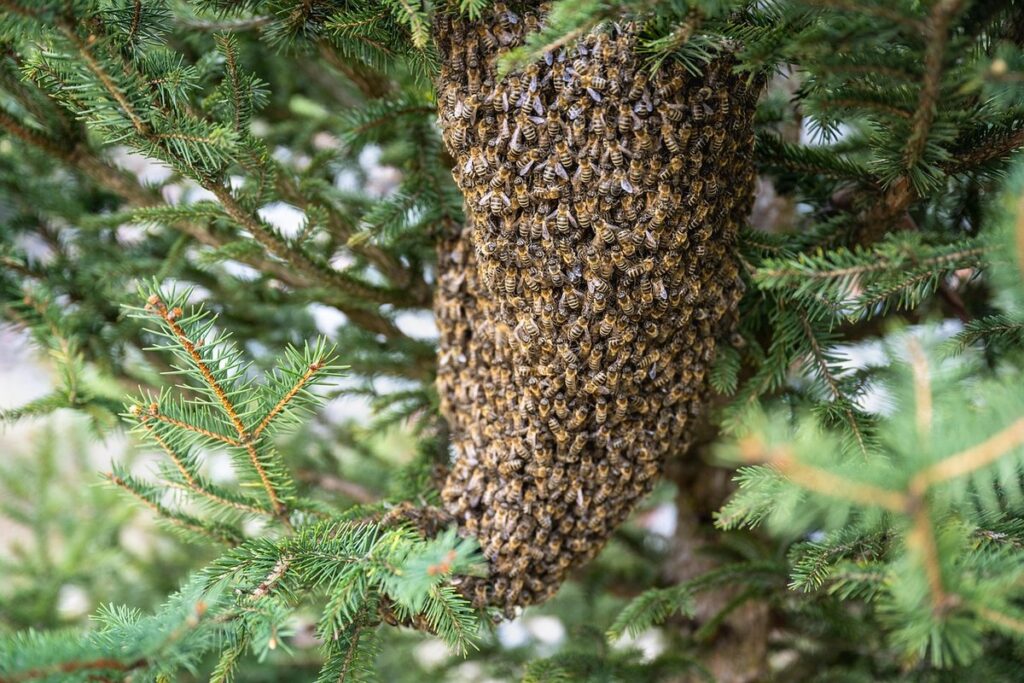
Understanding Bee Colonies
Bee colonies are incredibly complex societies, and understanding their social structure is key to appreciating their fascinating behaviors. Let’s break down how these tiny creatures organize themselves into thriving communities.
The Structure and Organization of a Hive
A bee colony is a complex social hierarchy with different castes working together for its survival. At the heart of every hive lies the queen bee, responsible for laying eggs and ensuring the colony’s growth. She is flanked by worker bees, which make up about 90% of the colony. These female bees perform various tasks such as foraging, caring for young, building honeycombs, and defending the colony.
A smaller number of male drones, or “drones,” are present in the hive during peak season to mate with the queen. Drones do not gather food or build the hive structure, but their sole purpose is to fertilize eggs. As you observe a hive, note how worker bees communicate through complex dance patterns and pheromones, coordinating tasks such as foraging trips.
In a healthy colony, different castes work together seamlessly, with each bee knowing its role. For example, guard bees stand watch at the hive entrance, ready to defend against predators, while nurse bees tend to brood cells where eggs are incubating. By understanding this intricate social structure, you’ll be better equipped to analyze and interpret observations of a living colony in your research.
Communication Methods in Bees
Bees employ a range of methods for communication, each serving a distinct purpose within their colony. One primary means is through dance patterns. These movements convey vital information about food sources, including location and quality. The waggle dance, performed by foragers returning to the hive, informs other bees of the direction, distance, and richness of nectar-rich flowers.
Pheromones also play a crucial role in bee communication. These chemical signals are released by individuals and can convey warnings about predators, attract mates, or even indicate the presence of food. For example, when a forager encounters danger, it will release an alarm pheromone to alert its fellow worker bees.
Body language is another essential aspect of bee communication. Bees use postures, facial expressions, and antennal interactions to convey emotions and intentions. When a dominant bee assumes a threatening posture, subordinate bees may retreat or submit. Observers can learn to recognize these cues by paying attention to the body language displayed during interactions within the hive.
These distinct methods often intersect and complement one another, illustrating the intricate social dynamics at play within a colony.
Choosing the Right Equipment
To get started on observing a bee colony, you’ll need to choose the right equipment that suits your specific needs and the type of study you’re conducting. This includes selecting from various tools like microscopes and camera traps.
Essential Tools for Beekeeping
Beekeeping requires a range of specialized equipment and tools. At its core, every beekeeper needs a suit to protect themselves from stings. This typically consists of a jacket and trousers made from thick, flexible material such as cotton or nylon.
Next on the list are gloves. These are designed to provide grip when handling frames and prevent stings by covering the hands. Smokers play a crucial role in keeping bees calm during inspections. By producing a gentle stream of smoke, you can lull them into a docile state.
The hive itself is also essential equipment. Beekeepers use Langstroth or Top-bar hives to house their colonies. The Langstroth hive features movable frames that allow for easy inspection, while the Top-bar hive has a more rustic, natural design. Each type of hive comes with its own advantages and disadvantages, and beekeepers often choose one based on their specific needs.
A hive stand elevates the equipment off the ground, improving airflow and reducing pest issues. Finally, beekeepers require frames, foundation sheets, and a bee brush for maintaining the colony’s health and structure. These tools allow you to carefully inspect each frame, check for pests, and monitor honey production.
Setting Up a Beehouse or Apiary
When setting up a beehouse or apiary, careful consideration must be given to location, size, and accessibility. A safe distance from foot traffic and other potential disturbances is essential; aim for at least 10 feet away from any pathways or roads. The site should also receive full sun for most of the day, as bees need warmth to thrive.
In terms of size, a general rule of thumb is to provide about 3-4 square feet of space per hive. This will allow for adequate airflow and prevent overcrowding. Consider the surrounding environment when choosing a location; avoid areas with standing water or where nearby plants might attract pests that could harm your bees.
Accessibility is also crucial; ensure you can easily access the apiary without having to disturb the bees unnecessarily. A clear path and good lighting will make it easier to inspect the hives regularly. When building a beehouse, consider using natural materials such as wood or bamboo, which can provide insulation and protection from the elements.
Observing and Recording Bee Behavior
To accurately study a bee colony, it’s essential to understand how to observe and record their behavior, allowing you to identify patterns and trends in their daily activities. By doing so, you’ll gain valuable insights into their social structure and communication methods.
Understanding the Importance of Observation
Observing bee behavior is crucial for understanding colony dynamics. By paying attention to how bees interact with each other and their environment, you can gain valuable insights into the colony’s overall health and well-being. For instance, observing the communication methods used by bees, such as pheromone signals or body language, can reveal important information about their social hierarchy and problem-solving strategies.
A clear example of this is when a bee colony experiences a pest infestation. By closely monitoring the behavior of individual bees, you may notice changes in foraging patterns, increased agitation, or even specific alarm dances. These observations can inform your decision-making process as a beekeeper, allowing you to intervene early and prevent potential harm to the colony.
It’s also essential to record these observations over time, noting any patterns or trends that emerge. By doing so, you’ll be able to identify specific triggers for changes in behavior and make more informed decisions about how to manage your colony. This level of attention to detail can greatly improve your understanding of bee colony dynamics and help you become a more effective beekeeper.
Techniques for Recording Data
When recording data on bee behavior, it’s essential to consider multiple factors beyond just observing the bees themselves. Start by noting the time of day and year, as well as weather conditions like temperature, humidity, and precipitation. This information can help you understand how environmental factors influence the colony’s behavior.
Take note of specific behaviors observed, such as foraging patterns, communication methods, and social interactions between different castes. You may also want to record details about the hive itself, including its size, condition, and any notable features like entrance orientation or nearby vegetation.
To make your data more comprehensive, consider implementing a standardized notation system. For example, you could use numbers or letters to denote specific behaviors, such as “1” for foraging or “F” for fighting. This will allow you to quickly scan your notes and identify patterns in the data. Keep a separate log for any notable events, like swarming or disease outbreaks, to help you track long-term trends.
Some beekeepers also find it helpful to create a behavior calendar, where they record specific activities on each day of the week or month. This can provide valuable insights into seasonal fluctuations and help you make more informed decisions about colony management.
Interpreting Data and Making Decisions
Now that you’ve collected your data, it’s time to put it into action: interpreting what your findings mean for the colony’s health and making informed decisions about its care. This crucial step requires careful consideration of various factors.
Analyzing Patterns and Trends
When analyzing patterns and trends in bee colony data, look for deviations from normal behavior. For example, if you notice a sudden drop in nectar collection, it may indicate a problem with foraging routes or food availability. Conversely, an unexpected surge in honey production could signal a particularly successful foraging season.
Changes in temperature and humidity can also influence patterns in bee behavior. Cooler temperatures may slow down brood development, while warmer temperatures might increase the risk of disease transmission. Keep track of these external factors to better understand their impact on your colony’s health.
Some trends to watch out for include:
- Changes in the proportion of worker bees to drones
- Shifts in foraging patterns or nectar source usage
- Increased or decreased honey production
- Abnormal brood development or egg-laying rates
Identifying these patterns and trends will help you make informed decisions about your colony’s management. For instance, if you notice a drop in bee numbers due to disease or pests, you may need to adjust your treatment strategies or consider introducing new bees to boost the population.
Making Informed Decisions Based on Observations
When making decisions about beekeeping practices, it’s essential to consider the insights gained from observations. You’ve likely noticed patterns and trends in your colony’s behavior, such as fluctuations in population size or changes in foraging habits. Now, you need to use this information to inform your decision-making.
Start by identifying key indicators of a healthy colony. For example, a strong colony typically has a consistent nectar flow, efficient pollen collection, and stable queen performance. Conversely, a declining colony may exhibit signs such as reduced honey production, increased disease susceptibility, or erratic queen behavior.
Consider the following factors when making decisions based on your observations:
• Monitor temperature fluctuations: If your colony’s temperature is consistently below 45°F (7°C), it may be too cold for optimal growth.
• Watch for pest and disease management: Regularly inspect your colonies for signs of pests like mites or small hive beetles, and take action promptly if you notice any issues.
• Keep an eye on nectar flow: Changes in nectar availability can impact the health and productivity of your colony.
Advanced Techniques for Studying Bee Colonies
If you’re serious about understanding bee colonies, mastering advanced techniques such as queen bee tracking and pheromone analysis is crucial to unlocking deeper insights. This section will delve into these specialized methods in detail.
Using Technology to Enhance Observation
When it comes to observing and recording bee behavior, technology can be a powerful tool for enhancing our understanding of these fascinating creatures. One way to do this is by using camera systems to monitor the hive from multiple angles. These cameras can be equipped with motion sensors or infrared capabilities to detect even slight movements within the colony. This allows researchers to capture detailed footage of bee activity without disturbing the colony itself.
Another option is to use sensor technology to track environmental factors such as temperature, humidity, and air quality around the hive. This data can help identify potential stressors on the colony and inform decision-making about hive management. For example, if a sudden drop in temperature triggers an increase in mortality rates among the bees, beekeepers can adjust their care routines accordingly.
By combining camera footage with sensor data, researchers can create a more comprehensive picture of the colony’s dynamics. This integrated approach can help identify patterns and trends that might be missed through observation alone.
Collaborative Research Methods
Collaborative research methods offer a unique opportunity for beekeepers and experts from related fields to pool their knowledge and expertise. By working together, researchers can tackle complex questions and gain a more comprehensive understanding of bee colony behavior.
One approach is to form a beekeeper’s network or cooperative, where individuals share resources, equipment, and data. This model allows participants to divide tasks and focus on specific areas of interest, such as foraging patterns or disease management. For example, one researcher may specialize in analyzing pheromone trails, while another focuses on monitoring environmental factors like temperature and humidity.
Collaborative research also enables the sharing of best practices and lessons learned from individual experiences. Beekeepers can contribute their hands-on knowledge to inform more accurate data collection methods and analysis techniques. This exchange of expertise can be facilitated through regular meetings, workshops, or online forums where participants can discuss findings, ask questions, and offer guidance.
In addition to improving research quality, collaborative efforts can help build a sense of community among beekeepers and researchers. By working together, individuals can pool their collective wisdom and develop more effective strategies for managing and studying bee colonies.
Best Practices for Working with Bees
To work safely and effectively with a thriving bee colony, it’s essential to establish clear protocols for handling the bees and their environment. This includes understanding how to communicate with your colony and avoid unnecessary disturbances.
Safety Precautions for Beekeepers
When working with bees, safety precautions are essential to prevent stings and protect against diseases. Always wear protective clothing, including a beekeeping suit, veil, and gloves, when inspecting or handling hives. This gear should be snug-fitting to prevent stingers from getting caught in seams.
Regularly clean and disinfect equipment, especially smoker and hive tools, to prevent the spread of diseases like American Foulbrood. Perform an initial inspection before opening a hive to look for signs of pests, disease, or other issues that may require attention.
Be cautious when smoking bees as excessive smoke can lead to stress, making them more aggressive. Use the correct ratio of fuel to air in your smoker and keep it at a safe distance from the hive entrance. When handling frames, avoid sudden movements that might provoke the bees.
It’s also crucial to understand that some individuals may be more susceptible to bee stings or allergic reactions. If you’re new to beekeeping, consider starting with a single honey super or nuc (nucleus colony) to minimize exposure. Keep emergency equipment and medications on hand in case of an allergic reaction.
Maintaining a Healthy and Thriving Colony
To maintain a healthy and thriving colony, focus on three key areas: nutrition, habitat, and disease management. Start by ensuring access to a diverse range of flowers, plants, and trees that provide nectar and pollen throughout the growing season. This can be achieved through a mix of native flora, bee-friendly garden plants, or even nearby wildflowers.
A well-ventilated hive with adequate space for expansion is also crucial. Bees need room to move around and store honeycomb cells without being crowded. Regular inspections should identify potential issues before they become major problems.
Disease management involves monitoring for signs of pests like mites, small hive beetles, or nosema, and taking action promptly if you notice any problems. This can be as simple as treating the hive with a gentle pesticide or quarantining affected colonies to prevent spread.
In addition, maintain cleanliness by removing debris and old honeycomb, and replace worn-out frames periodically. Consider implementing integrated pest management (IPM) strategies that combine physical barriers, biological controls, and chemical treatments only when necessary.
Frequently Asked Questions
Can I Start Studying a Bee Colony Without Any Prior Experience?
Yes, it’s possible to start studying a bee colony without prior experience, but it’s essential to begin with the basics. Understand the structure and organization of a hive, learn about communication methods in bees, and invest in proper equipment. As you gain more experience, you can move on to advanced techniques like using technology to enhance observation.
How Do I Handle Common Challenges Like Bee Stings or Disease Outbreaks?
When dealing with bee stings, it’s crucial to follow safety precautions and have a plan for emergency situations. For disease outbreaks, maintain a healthy colony by promoting good hygiene, monitoring for signs of illness, and taking prompt action if you notice any issues. Consider collaborating with other beekeepers or experts in related fields to gain insights from their experiences.
What If I Notice Unusual Behavior in My Bee Colony? Should I Be Concerned?
Yes, unusual behavior can be a cause for concern. Monitor your colony closely and take notes on the observed behaviors. Consult resources like online forums or expert advice to help you identify potential issues. It’s always better to err on the side of caution when it comes to bee health.
Can I Use Technology to Enhance Observation Without Breaking the Bank?
You can start with basic equipment like camera traps or smartphone apps that record data, and gradually invest in more advanced tools as your knowledge and budget grow. Collaborate with other beekeepers or research groups to share resources and expertise, reducing costs while gaining insights.
How Do I Know If My Bee Colony Is Healthy, and What Are the Signs of a Thriving Hive?
A healthy colony is characterized by strong communication, efficient foraging, and a stable population. Look for signs like regular brood cycles, adequate food storage, and minimal disease or pest issues. Regularly monitor your colony’s behavior, nutrition, habitat, and health to make informed decisions about its well-being.

