
Bee colonies are one of the most fascinating and complex social structures in nature, playing a vital role in pollination services that support plant reproduction and food production worldwide. These incredible insects live in intricate societies with defined roles for each member, from the queen bee who lays eggs to the worker bees who gather nectar and pollen. The life cycle of a bee colony is a remarkable process that involves growth, reproduction, and death, all interconnected and essential for the colony’s survival. However, bee colonies are facing numerous threats such as habitat loss, pesticides, and climate change, which can have devastating consequences on their health and pollination services. In this article, you’ll learn about the biology and importance of bee colonies, including their social hierarchy, life cycle, and role in pollination services, as well as conservation efforts to protect these vital ecosystems.
What is a Bee Colony?
A bee colony is a fascinating social structure, comprised of a queen and thousands of worker bees that work together to create a thriving ecosystem. Let’s take a closer look at what makes up this intricate community.
Structure and Organization
A bee colony is a complex social structure composed of three main castes: queens, workers, and drones. The queen bee, responsible for laying eggs, is the largest and most fertile female within the colony. She can live up to 5 years, while worker bees typically have a lifespan of around 4-6 weeks during summer and 4-8 months in winter.
Workers are female bees that perform various tasks such as foraging, caring for young, building honeycombs, and defending the colony. They age through distinct stages, with each stage specializing in specific roles: nurse bees tend to brood, housekeeping bees clean cells, guard bees defend the entrance, and forager bees collect nectar and pollen.
Drones are male bees whose sole purpose is to mate with the queen. They do not have stingers and rely on workers for food and protection. A single colony can contain one queen and tens of thousands of worker bees, but usually no more than a few hundred drones. The unique division of labor among castes enables a bee colony to efficiently manage resources and maintain social order, allowing the colony to thrive and grow.
Social Hierarchy and Communication
Bee colonies are highly organized societies with a complex social hierarchy. At the center is the queen bee, responsible for laying eggs and maintaining the colony’s population. Worker bees, all of which are female, perform various tasks including foraging, caring for young, and defending the colony. The age and experience of worker bees determine their role within the colony.
Communication among bees is crucial to maintaining this complex social structure. They use a combination of complex dances, pheromones, and body language to convey information about food sources, threats, and other important events. For example, when a forager bee returns to the colony with nectar, it performs a “waggle dance” that informs its fellow workers about the direction and quality of the food source.
Bees also use pheromones to communicate. They release specific scents to alert others to threats or to mark food sources. This chemical language allows bees to convey complex information quickly and efficiently. By observing these communication methods, beekeepers can gain valuable insights into the health and behavior of their colonies.
Colony Types and Specializations
Bee colonies come in various forms, each with its unique characteristics. Feral colonies, for example, are wild bee populations that live and thrive without human intervention. These colonies often form in natural cavities such as hollow trees or rock crevices. In contrast, managed colonies are kept by beekeepers who provide them with a controlled environment, including a hive structure and regular maintenance.
One key difference between feral and managed colonies lies in their social hierarchy. Feral colonies typically have a single dominant queen, while managed colonies often have multiple queens due to the practice of splitting hives. This can lead to a more complex social dynamics within managed colonies.
Some beekeepers also specialize in certain types of colonies, such as top-bar hives or Warre hives. These specialized setups cater to specific needs and preferences, providing benefits like increased pest resistance or reduced maintenance requirements. Understanding the characteristics of different colony types can help beekeepers make informed decisions about their apiary management practices.
Bee Colony Life Cycle
Bee colonies go through a complex life cycle, from establishing a new queen to eventually splitting into two colonies as they outgrow their homes. This process is crucial for the colony’s survival and success.
Founding a New Colony
Establishing a new colony is a complex process that requires precise timing, suitable conditions, and a strategic location. Swarming, typically occurring during late spring or early summer, marks the beginning of this process. As the existing colony approaches its maximum capacity, a swarm emerges from the parent hive, consisting of a queen bee accompanied by tens to hundreds of worker bees.
The swarm searches for an optimal site, often within a few kilometers of the original location. Factors such as proximity to water sources, food availability, and sunlight exposure play crucial roles in determining the suitability of a new site. The swarm usually selects a location with minimal risk from predators and rival colonies.
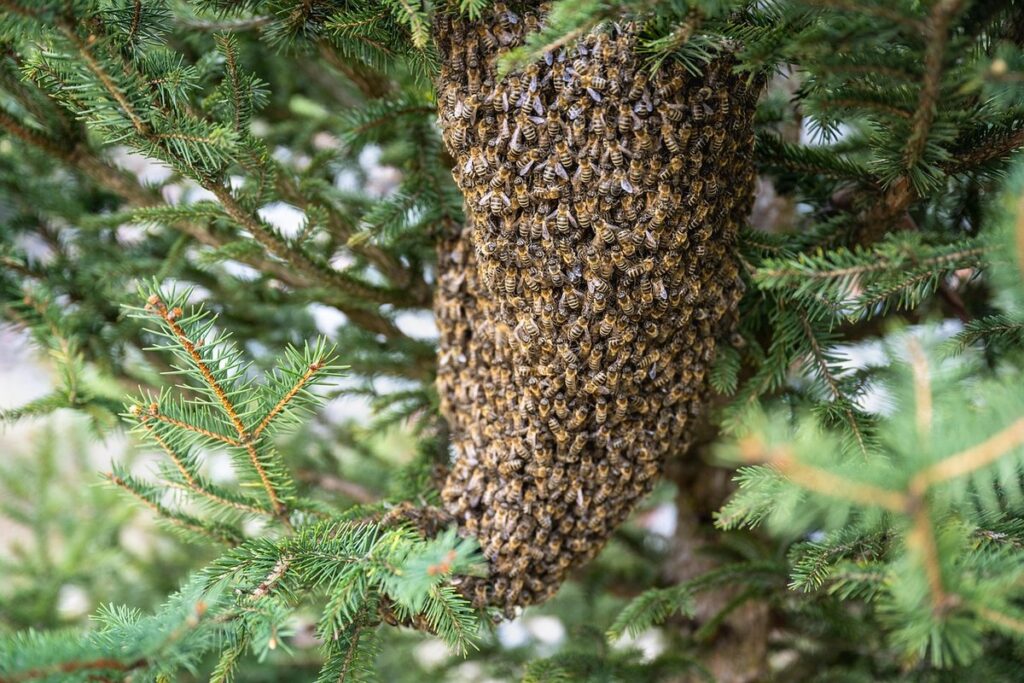
Once a suitable spot is identified, the swarm clusters on a nearby surface, often a tree branch or rock, while the queen bee begins to establish a new hive. This phase can take anywhere from a few hours to several days, depending on environmental conditions and the swarm’s size. To facilitate successful colony founding, beekeepers often create artificial nesting sites, such as apiaries or beehives, providing bees with a pre-established location for establishing their new home.
Growth and Development Stages
A new bee colony typically undergoes several distinct growth stages. The initial stage is characterized by rapid expansion as the queen lays eggs and the worker bees tend to them. This period can last from 2-6 weeks, during which the colony’s population increases exponentially.
Next comes peak production, where the colony reaches its maximum capacity in terms of honey production and brood rearing. This usually occurs between the second and fifth months after founding, when the colony has established a stable social hierarchy and communication network. During this time, the worker bees are fully engaged in foraging, caring for young, and producing honey.
As the season progresses, the colony’s energy reserves begin to dwindle, and the population gradually starts to decline. This is typically around 6-8 months after founding, as the queen’s egg-laying slows down, and the colony’s resources become scarce. At this point, beekeepers often prepare for the next growth cycle by ensuring a healthy queen and maintaining optimal living conditions.
In peak production, colonies can reach an average population of 40,000 to 60,000 individuals, with some larger colonies reaching up to 80,000 or more.
Factors Affecting Colony Health
Colony health is significantly impacted by external factors such as climate change. Rising temperatures can disrupt the delicate balance of nectar flow and pollen availability, making it difficult for bees to gather food. This, in turn, affects the colony’s ability to produce honey and raise new brood. Changes in precipitation patterns also play a crucial role, with droughts causing water scarcity and floods potentially washing away vital resources.
Pests like varroa mites and small hive beetles are another major concern for bee colonies. These parasites can decimate a colony by spreading diseases and consuming valuable food stores. In addition to pests, fungal and bacterial diseases such as American Foulbrood and Nosema can have devastating effects on colony health if left unchecked.
Human activities also pose a significant threat to colony well-being. Pesticide use is a major concern, as these chemicals can contaminate nectar and pollen, making them toxic to bees. Habitat loss and fragmentation due to urbanization further reduce the availability of foraging areas, forcing colonies to compete with other animals for resources. By understanding these external factors, beekeepers can take steps to mitigate their impact and promote colony health through sustainable practices and habitat preservation.
Importance of Bee Colonies to Ecosystems
Bee colonies play a crucial role in maintaining healthy ecosystems, pollinating plants that are essential for human food and biodiversity. Without them, entire ecosystems would collapse.
Pollination Services
Bee colonies play a vital role in pollination services, which are essential for food production and ecosystem diversity. Without bees to transfer pollen between plants, many crops would be unable to reproduce, leading to significant reductions in yield and quality. For instance, it’s estimated that one-third of the food we eat is directly or indirectly dependent on bee pollination.
In the United States alone, honey bees contribute to over $15 billion worth of crop production each year. This includes almonds, apples, blueberries, and avocados, among many other fruits and nuts. Bees also pollinate a wide range of vegetables, such as broccoli, cauliflower, and cucumbers.
To put this importance into perspective, consider the following: 1/3 of the world’s crops rely on animal pollination; bees are responsible for around 80% of this activity; and it takes only one honey bee colony to pollinate up to 300 million flowers in a single day. By protecting and preserving bee colonies, we can ensure continued access to nutritious food and maintain ecosystem health.
Biodiversity and Ecosystem Health
Bee colonies play a vital role in maintaining biodiversity and ecosystem health by pollinating a wide variety of plant species. This process is crucial for the reproduction of many flowering plants, which rely on bees to transfer pollen between them. Without bee pollination, these plants would be unable to reproduce, leading to a decline in their populations.
This has a ripple effect throughout ecosystems, as many animals and insects depend on these plant species for food and shelter. For example, butterflies, hummingbirds, and bats all rely on specific plant species that are pollinated by bees. By maintaining healthy bee colonies, we can help preserve the delicate balance of ecosystem services.
In addition to pollination, bee colonies also contribute to ecosystem health through their role in seed production. Bees collect nectar from flowers and use it to produce honey, but they also transfer pollen between plants, which helps to fertilize seeds. This process is essential for the reproduction of many plant species, including crops such as apples, blueberries, and almonds.
By protecting bee colonies and promoting their health, we can help maintain the integrity of ecosystems and preserve biodiversity. This requires a multifaceted approach that addresses threats to bee populations, such as pesticide use and climate change, through sustainable practices and community-led initiatives.
Economic Significance
Bee colonies provide a wide range of pollination services to agriculture, with a significant economic impact. In the United States alone, it’s estimated that one-third of all crops rely on bees for pollination. This includes staple foods like almonds, apples, and avocados. Without bee pollination, many of these crops would struggle to reproduce, leading to reduced yields and lower quality produce.
The value of pollination services provided by bees is substantial. In the United States, it’s estimated that bees contribute around $20 billion to the economy each year through improved crop yields and reduced costs associated with hand-pollination. This economic importance extends beyond agriculture, as bee-pollinated crops are also used in a range of industries including food processing and manufacturing.
In addition to their direct economic impact, pollination services provided by bees also support ecosystem health and biodiversity. By pollinating a wide variety of plants, bees help maintain the genetic diversity of crop species, which is essential for long-term sustainability. This highlights the importance of preserving bee colonies and maintaining healthy populations in agricultural ecosystems.
Threats to Bee Colonies
Bee colonies are facing numerous threats, including habitat loss, pesticide use, and climate change, which can have devastating consequences for their populations. Let’s take a closer look at these pressing issues affecting bee health.
Pesticide Use and Colony Decline
Research has shown a significant correlation between pesticide use and colony decline. Neonicotinoids, a common class of insecticides, have been found to be particularly toxic to bees. These chemicals can contaminate pollen and nectar, which bees bring back to their hives. Even at low concentrations, neonicotinoids have been shown to impair bee navigation, communication, and reproduction.
Studies have demonstrated that exposure to these pesticides can reduce the number of foraging trips made by individual bees, as well as their ability to navigate back to the hive. This not only affects colony health but also impacts pollination services. In fact, research suggests that widespread pesticide use may be contributing to the decline of bee populations at a rate of up to 30% per year.
When choosing which pesticides to use in your garden or agricultural practices, consider the risks they pose to local bee populations. Opt for integrated pest management (IPM) strategies that incorporate natural predators and beneficial insects whenever possible. This approach can help reduce chemical usage while maintaining crop yields. By taking a more holistic approach to pest control, you can contribute to protecting these vital pollinators.
Climate Change and Habitat Loss
Climate change is altering the delicate balance between bee colonies and their environment. Rising temperatures and changing precipitation patterns disrupt the timing of plant-bee interactions, making it harder for bees to find nectar-rich flowers when they’re needed most. Warmer winters can also lead to queen failure, which can decimate a colony in a single season.
Habitat loss is another pressing issue. As natural areas are converted into agricultural land or urban developments, bee colonies are left with fewer options for food and shelter. The destruction of pollinator-friendly plants like lavender and coneflower not only reduces the availability of nectar but also destroys nesting sites for solitary bees.
To mitigate these effects, gardeners and beekeepers can create bee-friendly habitats by planting a diverse range of flowers that provide pollen and nectar throughout the growing season. This includes native wildflowers, herbs, and vegetables like tomatoes and squash. By preserving natural areas and promoting sustainable land use practices, we can help ensure the long-term survival of bee colonies. A mix of annuals and perennials will provide a steady source of food for bees during different times of the year.
Varroa Mite Infestations
Varroa mite infestations can have devastating consequences for bee colonies. These parasitic mites feed on the hemolymph of bees, weakening their immune systems and making them more susceptible to disease. When left unchecked, varroa mites can cause colony collapse disorder (CCD), a phenomenon in which an entire colony dies over a short period.
The presence of varroa mites has been linked to CCD in numerous studies. Mite infestations can also lead to the spread of diseases such as deformed wing virus and nosema, further reducing a colony’s chances of survival. To prevent varroa mite infestations, beekeepers must monitor their colonies regularly for signs of mite activity.
Some common indicators of varroa mites include:
• A high level of dead bees in the hive
• Abnormal brood patterns or deformed pupae
• Visible mites on adult bees
Beekeepers can control varroa mite populations by performing regular treatments with miticides, such as oxalic acid or formic acid. These treatments should be done in conjunction with other best management practices, including integrated pest management strategies and colony health monitoring. Regular hive inspections and record-keeping are essential for detecting varroa mites early on and taking prompt action to prevent infestations from getting out of control.
Bee Colony Management and Conservation
Effective bee colony management is crucial for their survival, requiring careful consideration of factors such as population size, habitat quality, and disease management. We’ll explore these essential elements in detail below.
Best Practices for Beekeeping
When managing a bee colony, it’s essential to establish a routine for regular inspections. Check on the bees at least once a week during peak season, and more frequently if you notice any issues. Look for signs of disease or pests, such as unusual odors, excessive dead bees, or varroa mite infestations.
To maintain healthy colonies, beekeepers should also ensure proper nutrition. Provide your bees with a diverse range of nectar-rich flowers and supplement their diet with sugar water during periods of drought. It’s crucial to monitor for signs of nutrient deficiencies, such as slow growth rates or reduced honey production.
Another critical aspect is ensuring the colony has adequate space. Avoid over-crowding by splitting strong colonies in the spring, typically when they reach 60,000-80,000 bees. This will help prevent disease transmission and reduce stress on the queen.
When it comes to controlling pests and diseases, use integrated pest management (IPM) techniques whenever possible. Consider using natural deterrents like diatomaceous earth or essential oils instead of chemical pesticides. Regularly clean and maintain equipment to prevent cross-contamination and disease spread.
Sustainable Beekeeping Methods
Sustainable beekeeping methods prioritize environmental stewardship and colony conservation by adopting practices that minimize harm to bees and their ecosystems. This approach involves careful consideration of factors such as pesticide use, habitat destruction, and climate change.
Some key principles of sustainable beekeeping include maintaining small, diverse apiaries to reduce the risk of disease transmission; promoting local, native honeybee species over non-native ones; and using integrated pest management techniques instead of relying on chemicals. Integrated pest management involves monitoring for pests, introducing beneficial insects or microorganisms, and adopting cultural controls like reducing sugar syrup feeding.
Beekeepers can also contribute to sustainable beekeeping by planting pollinator-friendly flowers in their apiary surroundings, providing a source of nectar and pollen for the bees. This approach not only benefits the bees but also supports local biodiversity and ecosystem health. By adopting these methods, beekeepers can help mitigate the decline of bee colonies and promote the long-term sustainability of bee populations.
Community-Led Initiatives
Community-led initiatives have become increasingly crucial for protecting and conserving bee colonies. Urban beekeeping projects are a prime example of community-led efforts to create pollinator-friendly habitats within cities. These projects not only provide a source of fresh produce but also serve as education centers, teaching residents about the importance of bees and the challenges they face.
One notable approach is community-supported apiculture (CSA) programs. These programs allow individuals or families to purchase shares in a local apiary, providing a steady income stream for beekeepers while also promoting pollinator health. For instance, the Bee Conservancy in New York City offers CSA programs that not only provide honey and beeswax but also support local research initiatives.
Other community-led initiatives include rooftop gardens and green spaces designed specifically with pollinators in mind. These areas often feature a variety of flowers and herbs that provide a constant source of nectar and pollen for bees, helping to sustain their populations throughout the year. By integrating these projects into urban landscapes, communities can not only support local beekeepers but also contribute to a broader effort to preserve biodiversity.
Frequently Asked Questions
Can I establish my own bee colony with just one queen bee?
Yes, but it’s essential to ensure the queen is healthy and laying eggs regularly. A single queen can start a new colony, but it may take several months for the colony to grow and become self-sustaining.
How do I know if my local beekeeping regulations are up-to-date?
Check with your local government or agriculture department for information on beekeeping laws and regulations in your area. They should be able to provide you with the most current information and any necessary permits or licenses required for beekeeping.
What are some common mistakes beekeepers make when introducing new colonies, and how can I avoid them?
One common mistake is not providing enough space and resources for the new colony. Ensure that the hive has ample ventilation, food, and water. It’s also essential to monitor the colony regularly for signs of disease or pests.
Can I keep a single honey bee in my home as a pet?
No, honey bees are social creatures that require a colony to thrive. Keeping a single bee can be challenging and may not provide the bee with the best living conditions. It’s recommended to keep them in their natural habitat within a hive or apiary.
What if I notice a significant decline in my colony’s population due to pests or diseases? How do I take action?
Monitor your colony regularly for signs of disease or pest infestation, and consult with local beekeeping experts or veterinarians for advice on treatment options. Consider implementing integrated pest management (IPM) strategies to minimize harm to the colony.
Is it possible to establish a bee colony in an urban environment without proper permits, and what are the potential risks?
No, establishing a bee colony in an urban environment requires proper permits and licenses. Without them, you risk fines or even having your bees removed by local authorities. Consult with local authorities and follow best practices for urban beekeeping to ensure both you and the bees are protected.
Can I use alternative methods like top-bar hives or Warre hives instead of traditional Langstroth hives?
Yes, there are many alternative hive designs available that can be more suitable for specific climates or beekeeping styles. Research and consider factors such as ease of maintenance, cost, and the needs of your local bees when choosing a hive design.
What if I’m not able to keep my bees in a traditional apiary due to lack of space? Are there any other options?
Consider using a backyard bee hotel or a community garden with space for beehives. You can also explore options like rooftop beekeeping or partnering with local farmers to provide pollination services.
Can I rely solely on pesticides for controlling pests and diseases in my bee colony, or are there more effective methods?
No, relying solely on pesticides can harm your bees and the ecosystem as a whole. Consider integrated pest management (IPM) strategies that combine physical barriers, cultural controls, biological controls, and chemicals when necessary.
How do I ensure the long-term health of my bee colony through proper nutrition, habitat conservation, and disease prevention?
Provide a diverse range of flowers for foraging, maintain a clean and well-ventilated hive environment, and monitor your bees regularly for signs of disease or stress. Consider maintaining a healthy bee population by introducing new colonies periodically to refresh the genetic pool.
Can I use artificial sweeteners like sugar water as an alternative to nectar-rich flowers?
No, honey bees are adapted to feed on nectar-rich flowers, which provide essential nutrients and energy. Artificial sweeteners may not meet their nutritional needs, potentially harming the colony’s health in the long term.

