
Creating a monarch-friendly garden can be as simple as choosing the right plants. You might not know that adult monarch butterflies don’t just visit flowers to feed on nectar, but they also need specific host plants for their caterpillars to grow and develop. Milkweed, butterfly weed, and other plants are essential food sources for these vital life stages of the monarch’s lifecycle. Unfortunately, habitat loss and reduced availability of host plants have been contributing factors in the decline of monarch populations. In this article, we’ll explore some of the most effective host plants to attract adult monarchs and support their survival, including milkweed and butterfly weed. By the end of this guide, you’ll be able to identify and incorporate these vital resources into your garden, helping to create a haven for these incredible creatures.
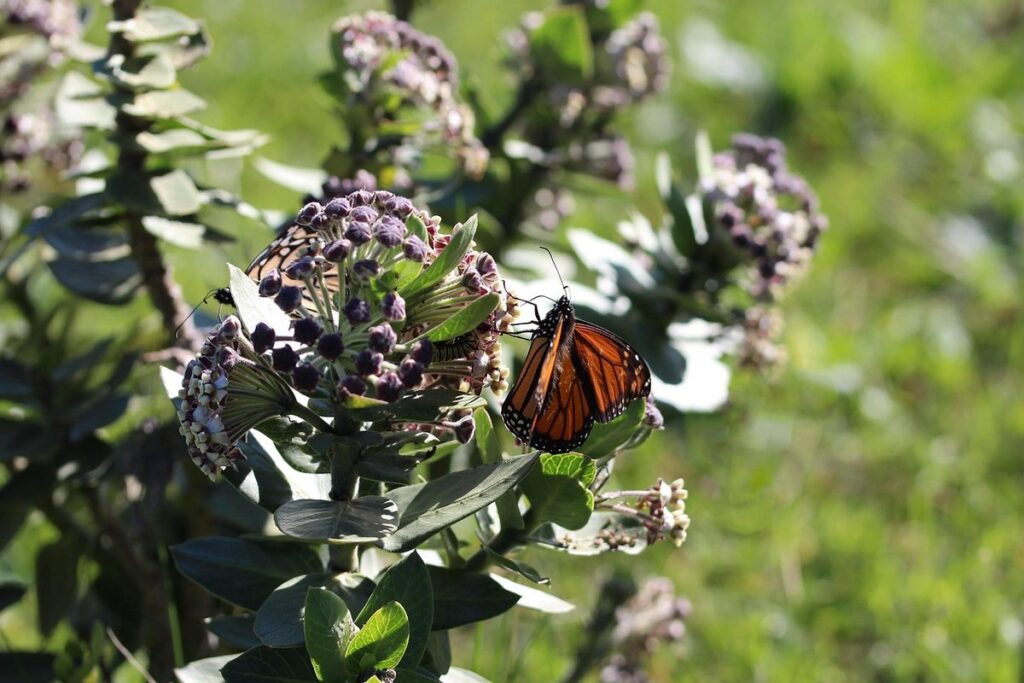
Understanding the Importance of Host Plants
To truly support the monarchs, it’s essential to grasp why host plants play a critical role in their life cycle. Let’s start by exploring the vital function they serve.
What are Host Plants and Why Do Monarchs Need Them?
Monarch caterpillars are incredibly specific about their diet. They can only eat plants from a particular group called host plants. These plants contain toxic compounds that monarchs absorb and store as they feed, making them unpalatable to predators. This unique relationship between the caterpillar and its host plant is crucial for the monarch’s survival.
The most well-known host plant for monarchs is milkweed (Asclepias spp.), which contains a group of chemicals called cardenolides. These compounds are toxic to many animals, but they provide protection for the caterpillar as it grows. Without access to these toxic compounds, monarchs would be more vulnerable to predators and less likely to survive.
Not all plants are host plants for monarchs, so it’s essential to choose the right species if you want to support local populations. Some common mistakes include planting ornamental flowers that may look similar to host plants but lack the necessary toxins. If you’re new to gardening for monarchs, start by researching native host plant species in your area and selecting a few varieties to get started.
How to Identify the Best Host Plants for Your Garden
When selecting host plants for your garden, it’s essential to consider your climate, region, and available space. In warmer climates with mild winters, plants like Lantana (Lantana camara) and Zinnia (Zinnia spp.) thrive and can provide a prolonged nectar source for monarchs.
In areas with cold winters, milkweed species like Asclepias syriaca are more suitable due to their hardiness. For gardens in regions with limited space, compact varieties of host plants like dwarf butterfly weed (Asclepias tuberosa ‘Heydei’) can be a good choice.
Consider the mature size of each plant when selecting host plants for your garden. Some species, such as sunflower (Helianthus annuus), can grow quite tall and may require staking or support to prevent damage from strong winds.
Before planting, research the specific needs of each host plant variety, including sunlight requirements, watering needs, and potential pest issues. This will help you create a well-planned and sustainable monarch-friendly habitat in your garden.
Top 5 Host Plants for Monarchs in North America
For monarch butterflies to thrive, it’s essential to have a variety of host plants on hand, and some species are better suited than others. Here are five top picks for creating a monarch-friendly garden in North America.
Milkweed (Asclepias spp.): The Primary Host Plant for Monarchs
Milkweed is a crucial host plant for monarch caterpillars, as they can only eat the leaves of this plant. Monarch caterpillars will spend most of their time eating milkweed leaves, which contain toxic compounds called cardenolides that make them unpalatable to predators. These toxins also accumulate in the caterpillar’s body and remain present in the adult butterfly, providing protection from predators.
There are approximately 145 species within the Asclepias genus, commonly known as milkweeds, and many of these species serve as host plants for monarchs. Some popular species include Common Milkweed (Asclepias syriaca), Butterfly Milkweed (Asclepias tuberosa), and Swamp Milkweed (Asclepias incarnata). When choosing a milkweed species to plant in your garden, consider the specific growing conditions and hardiness zone of the variety to ensure its success.
It’s essential to note that monarch caterpillars are highly selective about their food source. They will only eat milkweed leaves, so planting other host plants alongside milkweed is not necessary for their survival.
Butterfly Weed (Asclepias tuberosa)
Butterfly Weed (Asclepias tuberosa) is a vital component of any monarch garden. As a perennial milkweed species, it provides a reliable source of food for monarch caterpillars during the summer months. The leaves of Butterfly Weed are rich in nutrients, making them an essential stop on the monarch’s journey from egg to pupa.
In addition to its role as a food source, Butterfly Weed also offers shelter and protection for monarchs. Its tall stems and leafy foliage create a haven from harsh weather conditions, predators, and other threats. This makes it an ideal choice for gardeners looking to support monarch populations in their area.
When choosing Butterfly Weed for your garden, be sure to select a variety that is suitable for your region’s climate and soil type. Some popular varieties include ‘Gay Butterflies’ and ‘Cinderella’. Plant multiple stems together to create a vibrant display of orange and yellow flowers, which will attract pollinators and add visual interest to your garden.
Other Essential Host Plants for Monarchs
When it comes to supporting a healthy monarch population, having a diverse range of host plants can make all the difference. This section highlights some lesser-known options that are just as crucial for these iconic butterflies.
Lantana (Lantana camara) and Zinnia (Zinnia spp.)
Lantana (Lantana camara) and Zinnia (Zinnia spp.) offer a dual benefit for monarchs: their nectar-rich flowers attract adult butterflies, while also providing some protection from predators. Lantana’s clusters of small, fragrant blooms are particularly attractive to monarchs, who feed on the nectar to sustain themselves during migration. The shrub-like growth habit of lantana also provides a hiding place for monarch caterpillars, making it an excellent addition to a monarch garden.
Zinnia, with its vibrant, showy flowers, is another favorite of monarchs. These annual flowers come in a variety of colors and are easy to grow from seed. They bloom prolifically throughout the summer months, providing a constant source of nectar for adult monarchs. To maximize their benefit, plant lantana and zinnia together with milkweed or butterfly weed to create a diverse host plant arrangement that meets the needs of monarch caterpillars and adults.
When choosing between different varieties of lantana and zinnia, select those with high nectar content and minimal fragrance. This will make them more attractive to monarchs and other pollinators. By incorporating these plants into your garden, you can create a welcoming environment for adult monarchs and provide the resources they need to thrive.
Marigold (Tagetes spp.) and Sunflower (Helianthus annuus)
Marigold (Tagetes spp.) and sunflower (Helianthus annuus) are two versatile host plants that can complement a monarch-friendly garden. These annuals and perennials serve as secondary host plants for monarch caterpillars, providing an additional food source when milkweed is scarce. Marigolds, in particular, are known to attract beneficial insects like bees and butterflies, while sunflowers offer a rich source of nectar for adult monarchs.
When growing marigold or sunflower as host plants, consider their growth habits and space requirements. Marigolds can thrive in containers or directly sown into the ground, whereas sunflowers typically require more room to grow tall. Be sure to plant multiple marigold varieties to ensure a steady supply of host material for monarch caterpillars.
In terms of care, both plants prefer well-draining soil and full sun exposure. Water them regularly during their growing seasons, but avoid overwatering, which can lead to root rot. By incorporating these secondary host plants into your garden, you can create a more diverse and resilient ecosystem that supports the monarch population throughout its life stages.
Growing Host Plants in Your Garden
When it comes to attracting monarchs to your garden, choosing the right host plants is crucial for their survival. Here’s what you need to know about growing these essential plants at home.
Creating a Monarch-Friendly Habitat
Designing a monarch-friendly habitat involves careful consideration of native plants and habitat features. Native plants are essential for supporting local pollinators like monarchs, as they provide nectar-rich flowers and host plants. When selecting native plants for your garden, choose species that are specific to your region and cater to the needs of monarch butterflies.
Incorporate a mix of annuals and perennials to provide a constant source of nectar throughout the growing season. For example, plant milkweed (Asclepias spp.) in early spring to provide host plants for emerging monarch caterpillars. Later in the summer, add flowers like lantana or zinnia that offer nectar-rich blooms.
Consider adding habitat features such as rocks, logs, and shrubs to create a diverse environment that mimics the natural habitats of monarchs. These features can also serve as perches for adult butterflies to roost and survey their surroundings. When designing your garden, think about creating “hotspots” – areas with high concentrations of nectar-rich flowers and host plants – to attract and support local monarch populations. By incorporating these elements, you’ll be well on your way to creating a haven for monarchs in your garden.
Tips for Planting and Caring for Host Plants
When planting host plants, choose a location with full sun and well-draining soil. Most host plants prefer slightly acidic to neutral soil pH, between 6.0 and 7.5. Space plants according to their mature size to prevent overcrowding, which can lead to pests and diseases.
Water host plants regularly during their first growing season, but avoid overwatering, as this can cause root rot. Established plants are more drought-tolerant, but may still require occasional watering during prolonged dry spells. Fertilize lightly, as excessive nitrogen can promote leaf growth at the expense of flowers or foliage that monarchs rely on.
Prune host plants annually to maintain their shape and encourage new growth. Remove any dead or damaged stems to prevent the spread of disease. Avoid pruning too much, as this can weaken the plant and make it more susceptible to pests.
Some essential care tasks include monitoring for signs of pests, such as aphids, whiteflies, and spider mites, and treating infestations promptly. Regularly inspect plants for signs of disease, like yellowing leaves or black spots, and remove any affected areas to prevent the spread of infection.
Common Challenges and Solutions for Host Plant Growth
Growing host plants can be a challenge, but understanding common issues is key to success. Let’s address some of the most frequent hurdles and share solutions to overcome them.
Dealing with Pests and Diseases on Host Plants
When growing host plants for monarchs, it’s essential to be aware of common pests and diseases that can affect their health. One of the most significant threats is aphids, which can cause curled or distorted leaves. To manage aphid infestations, try introducing natural predators like ladybugs or lacewings to your garden.
Another common pest is the monarch butterfly caterpillar’s preferred food source – the milkweed plant’s sap can be a target for aphids and whiteflies. These pests can weaken the plant, making it more susceptible to disease. Regularly inspect your plants for signs of infestation, such as sticky honeydew or eggs on the underside of leaves.
Diseases like powdery mildew, root rot, and leaf spot are also prevalent among host plants. Fungal diseases often thrive in humid environments, so ensure good air circulation around your plants by pruning nearby vegetation and avoiding overwatering. Regularly inspect your plants for signs of disease, such as yellowing leaves or black spots.
To prevent pests and diseases from taking hold, maintain a balanced ecosystem by introducing beneficial insects and microorganisms to your garden. For example, beneficial nematodes can help control grubs that target plant roots. By adopting integrated pest management (IPM) strategies, you can minimize chemical use and promote a healthy balance of species in your garden.
Some host plants are more susceptible to pests and diseases than others. Milkweed, for instance, is often targeted by aphids and whiteflies due to its succulent sap. In contrast, Zinnia and Lantana tend to be less affected but can still fall prey to fungal diseases if not properly cared for.
Supporting Monarchs through Seasonal Changes
As monarchs migrate and adapt to changing seasons, it’s essential to provide them with host plants that thrive during these times. We’ll explore specific milkweed varieties that excel in different seasonal conditions.
What to Expect from Monarch Migration Patterns
Monarch migration patterns are a remarkable spectacle, with millions of monarchs traveling thousands of miles each year. During their fall migration, monarchs seek out host plants to fuel their journey and sustain themselves through periods of cold weather. This is particularly crucial for monarchs, as they need the energy reserves from host plants to survive the winter months in their overwintering sites.
In North America, the primary overwintering sites are located in California and Mexico, where milkweed is abundant. However, not all monarch populations migrate to these areas. Some populations remain in their summer habitats, relying on local host plants for sustenance during the winter.
As a host plant grower, it’s essential to understand that your plants play a critical role in supporting monarchs through migration patterns. By providing a reliable source of nectar and shelter, your host plants can help sustain monarchs as they travel. Consider planting multiple varieties of milkweed or other host plants to create a diverse and resilient ecosystem that supports monarchs throughout their life cycle.
How Host Plants Can Help with Overwintering
As monarchs begin to migrate south for the winter, they face a critical period of vulnerability. Overwintering is essential for their survival, and host plants play a crucial role in helping them prepare. By providing a constant food source, host plants enable monarchs to replenish their energy reserves and build up necessary fats.
In particular, milkweed and butterfly weed are excellent choices for overwintering, as they remain green throughout the winter months. These plants provide vital sustenance when other nectar sources may be scarce. Planting multiple species of host plants can also help attract monarchs to your garden during this critical period.
To maximize their benefits, plant host species that bloom in late summer or early fall. This allows monarchs to feed on nectar and lay eggs before the winter arrives. Consider planting a mix of annuals and perennials, which will provide a steady supply of food throughout the seasons. By providing host plants specifically chosen for their overwintering benefits, you can create a haven for monarchs during this challenging time.
Conclusion: Creating a Sustainable Monarch Ecosystem
As you’ve learned how to cultivate host plants that support monarchs, it’s now time to think about creating a sustainable ecosystem that will help these beautiful butterflies thrive for generations to come.
Integrating Host Plants into Your Existing Garden Design
When integrating host plants into your existing garden design, consider the mature size of each plant to ensure they won’t overcrowd or compete with other flowers for resources. For example, milkweed varieties like Asclepias syriaca can grow up to 3 feet tall and wide, while butterfly weed (Asclepias tuberosa) typically reaches a height of around 2-3 feet.
To make the most of your space, group host plants together in a designated area or “pollinator garden” within your existing design. This allows for efficient use of resources and creates a concentrated hotspot for monarchs to feed and lay eggs. In addition to host plants, incorporate other nectar-rich flowers that bloom at different times to provide a constant source of food for adult monarchs.
When selecting host plants for your garden, choose species that complement the existing design rather than overwhelming it. For instance, if you have a large area dedicated to perennials, consider adding a smaller patch of host plants or vice versa. Mixing host plants with other flowering species will create visual interest and draw in a variety of pollinators beyond monarchs.
Some practical tips for incorporating host plants into your garden include:
- Integrate native species: Native host plants tend to require less maintenance and are more appealing to local wildlife.
- Choose compact varieties: Opt for dwarf or compact host plant varieties that won’t outgrow their space quickly.
- Consider vertical gardening: Make use of wall-mounted planters, trellises, or arbors to maximize space and add visual interest.
Frequently Asked Questions
Can I Use Host Plants in Containers?
Yes, host plants can thrive in containers, making them a great option for small gardens or balconies. However, ensure the container is at least 5-7 gallons to accommodate the plant’s root system and provide enough space for growth.
How Do I Know If My Host Plants Are Attracting Monarchs Successfully?
Look for adult monarchs visiting your host plants, particularly milkweed, as this indicates they are feeding on nectar. You can also observe caterpillars on the leaves of your host plants, which is a sign that the plants are providing the necessary food source.
What Happens If I Have Multiple Host Plants in One Garden?
Having multiple host plants can create a diverse and resilient ecosystem for monarchs. However, it’s essential to ensure that each plant has enough space to grow and receive adequate sunlight. A mix of annuals and perennials can provide a constant supply of food throughout the growing season.
Can I Use Host Plants as a Substitute for Fertilizers or Pest Control?
While host plants can help support monarch populations, they should not be relied upon as a substitute for fertilizers or pest control measures. Regular gardening practices, such as watering and pruning, are still necessary to maintain healthy plants and prevent pests from damaging them.
How Do I Protect My Host Plants from Extreme Weather Conditions?
Extreme weather conditions like droughts, floods, or intense heat can impact host plant growth. To protect your plants, ensure they receive adequate water during dry spells, avoid overwatering, and provide some shade for sensitive species during periods of intense heat or sun exposure.

