
Creating a pollinator garden is one of the simplest ways to make a significant impact on your local ecosystem. These gardens are designed to attract bees, butterflies, and other beneficial insects that are essential for plant reproduction and maintaining biodiversity. Unfortunately, many species of pollinators are facing declining populations due to habitat loss, pesticide use, and climate change. By planting a pollinator garden in your backyard or community space, you can help provide a vital source of food and shelter for these important creatures.
In this article, we’ll take you through the process of selecting plants that will attract bees, butterflies, and other beneficial insects to your garden, as well as how to create a diverse habitat that meets their needs. We’ll also share some practical maintenance tips to ensure your pollinator garden remains healthy and thriving throughout the seasons. By following our expert guide, you’ll be able to create a haven for pollinators in your own yard, supporting these vital insects and contributing to a healthier environment.
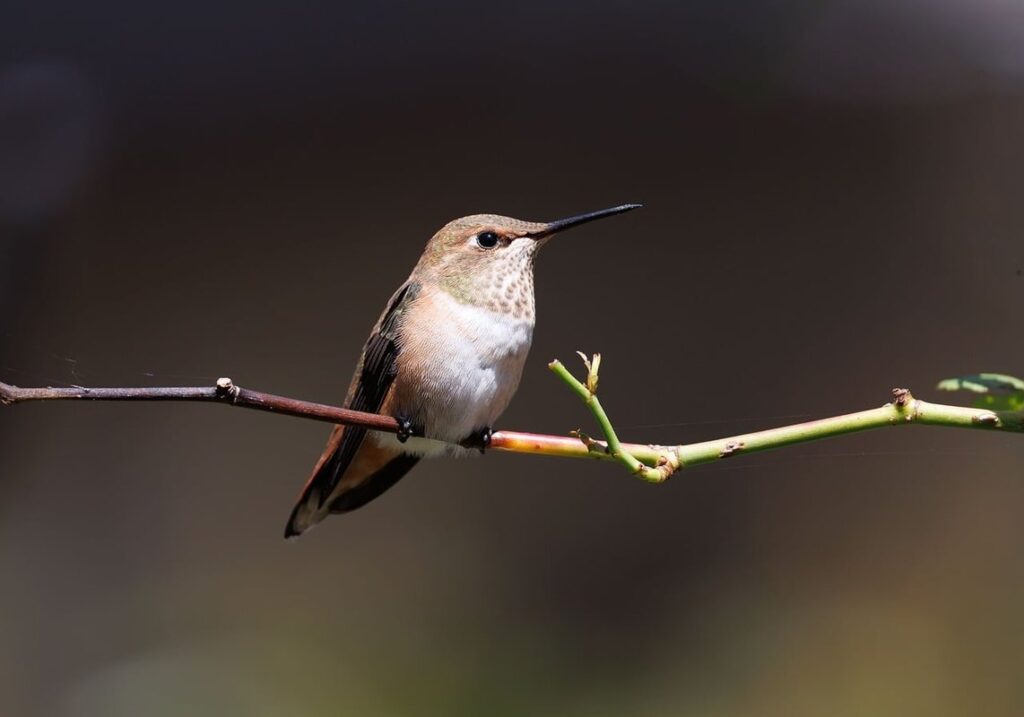
Understanding the Importance of Pollinators
As we explore the world of pollinator gardens, it’s crucial to understand why these tiny creatures play a massive role in our ecosystem. Without them, many plants and flowers wouldn’t be able to reproduce.
What are Pollinators?
Pollinators are organisms responsible for transferring pollen between flowers, facilitating plant reproduction. They play a vital role in food production, with one-third of the world’s crops relying on them for pollination. Bees, butterflies, hummingbirds, and even bats are among the diverse group of pollinators.
These creatures visit flowers to feed on nectar and, in the process, collect pollen from one plant, which they then transfer to another. This process leads to fertilization, allowing plants to set seed and reproduce. Without pollination, many plants would be unable to produce seeds, resulting in reduced crop yields and biodiversity loss.
Some examples of common pollinators include honey bees, monarch butterflies, and ruby-throated hummingbirds. Each species has unique characteristics that enable it to effectively collect nectar and pollen from flowers. For instance, bees use their hairy bodies to collect pollen, while butterflies rely on their long proboscis to reach deep into flowers.
In your pollinator garden, providing a variety of flowers that cater to different pollinators’ needs will help support these vital organisms. Consider incorporating plants with different shapes and sizes to accommodate various pollinators, such as trumpet-shaped flowers for hummingbirds or flat-topped flowers for bees.
The Threats Facing Pollinator Populations
Pollinators are facing numerous threats to their populations. Habitat loss is a significant concern, as natural habitats such as meadows and forests continue to be converted into agricultural land or urban developments. This reduction in habitat availability forces pollinators like bees and butterflies to travel longer distances in search of food and shelter, making them more vulnerable to other threats.
The use of pesticides is another major issue. Many commonly used pesticides can harm or kill pollinators, either directly or indirectly by contaminating their food sources. For example, neonicotinoids have been linked to bee deaths and colony collapse disorder. While some gardeners may rely on these chemicals for pest control, there are safer alternatives available.
Climate change is also having a profound impact on pollinator populations. As temperatures rise, plants bloom earlier or later than usual, disrupting the delicate timing between pollinators and their food sources. Additionally, extreme weather events like droughts and heatwaves can decimate local populations.
Finally, diseases such as American Foulbrood and Varroa mite infestations are affecting bee colonies worldwide. To support pollinator health in your garden, consider using integrated pest management techniques that minimize chemical use and focus on habitat creation and maintenance.
Planning Your Pollinator Garden
To create a thriving pollinator garden, you’ll need to consider the specific needs of your local pollinators and choose plants that will attract them. This involves selecting native species that bloom at different times of the year.
Choosing the Right Location
When selecting a location for your pollinator garden, it’s essential to consider three key factors: sunlight, soil type, and accessibility. A spot with at least six hours of direct sunlight per day is ideal for most pollinators, as they need warmth to fly and navigate.
Soil type is another crucial consideration. Pollinators often prefer well-drained soils that are rich in organic matter. If your native soil is heavy clay or sandy, consider amending it with compost or well-rotted manure before planting.
Accessibility is also vital for maintenance. Choose a location close to a water source and within easy reach of your garden tools and supplies. This will make it simpler to tend to your garden regularly, including tasks like watering, pruning, and monitoring for pests.
Consider the layout of your yard and how you can incorporate a pollinator garden into its existing design. For example, you might choose a spot near a fence or wall to create a microclimate that traps heat and extends the growing season.
Selecting Native Plant Species
When selecting native plant species for your pollinator garden, it’s essential to choose plants that have adapted growth habits suitable for your local climate and soil conditions. This means opting for plants that are naturally resistant to pests and diseases, reducing the need for pesticides and other chemicals. Native plants also produce nectar at times when other flowers may not be in bloom, providing a constant source of food for pollinators.
Consider the specific needs of different pollinator species, such as bees, butterflies, and hummingbirds. For example, bees are often attracted to deep-throated flowers with long tubes, while butterflies prefer flat-topped flowers with clusters of small blooms. Incorporating a variety of native plants that meet these specific needs will create a more diverse and resilient ecosystem.
Incorporating native plants also supports the local pollinator population by providing food for caterpillars and other larvae. For example, native milkweed is essential for monarch butterfly caterpillars, which feed exclusively on its leaves. By choosing native plant species that meet these specific needs, you’ll create a thriving pollinator garden that attracts a wide range of beneficial insects and supports their life cycles.
Incorporating Water Features and Habitat Diversity
Incorporating water features and habitat diversity elements is crucial to creating a thriving pollinator garden. A small pool or birdbath can provide a vital source of water for pollinators, allowing them to drink and even breed. Consider placing the water feature near plants that bloom at different times to attract a variety of pollinators throughout the season.
Rocks and logs are simple yet effective additions to your garden that can enhance habitat diversity. Pollinators often seek out sheltered spots to escape harsh weather or predators, so incorporating rocks or logs into your design can provide them with cozy hiding places. For example, you could create a rock pile by arranging flat stones in a corner of the garden, or place a log section near a patch of native flowers.
When selecting water features and habitat diversity elements, choose materials that are non-toxic and won’t harbor pests. A shallow dish or birdbath with fresh water is more appealing to pollinators than a deep pool or stagnant water source. Similarly, when adding rocks or logs, ensure they’re free from debris and pesticides.
By incorporating these simple elements, you can significantly enhance the biodiversity of your pollinator garden and attract a wider range of beneficial insects.
Plant Selection for Your Pollinator Garden
When choosing plants for your pollinator garden, it’s essential to select a variety of species that provide nectar and pollen sources throughout different seasons. This ensures a constant food supply for your beneficial visitors year-round.
Nectar-Rich Flowers for Early Bloomers
For pollinators to thrive in early spring, it’s essential to incorporate nectar-rich flowers into your garden. These flowers provide a vital source of energy for bees, butterflies, and other pollinators during a time when food options are scarce.
Crocus (Crocus spp.) is an excellent choice for early bloomers, producing copious amounts of nectar in shades of purple, yellow, and white. Daffodil (Narcissus pseudonarcissus) is another popular option, with its bright trumpet-shaped blooms attracting a wide range of pollinators.
Other notable flowers that provide high volumes of nectar during early bloom periods include Grape Hyacinth (Muscari armeniacum), Winter Aconite (Eranthis hyemalis), and Snowdrops (Galanthus nivalis). These species are often overlooked in favor of more showy blooms, but they offer a vital source of nutrition for pollinators.
When selecting flowers for your garden, consider factors such as bloom duration and nectar volume. For example, Grape Hyacinth produces nectar-rich blooms for approximately two weeks, making it an ideal choice for early bloomers. By incorporating these species into your garden design, you can provide a vital source of energy for pollinators during their most vulnerable time of year.
Flower Preferences for Mid-Season Bloomers
Mid-season bloomers are essential for pollinators that emerge during the warmer months. These flowers provide a rich source of nectar and pollen when early spring bloomers have finished blooming and late summer/early fall bloomers haven’t yet begun.
Black-eyed Susans (Rudbeckia hirta) are a popular choice among mid-season bloomers, attracting bees and butterflies with their bright yellow petals and dark centers. They’re also low-maintenance and drought-tolerant, making them an excellent option for pollinator gardens. Coneflowers (Echinacea spp.) are another favorite, offering large, showy flowers that draw in a variety of pollinators.
Milkweed (Asclepias spp.), on the other hand, is crucial for monarch butterflies, as it’s their sole food source during their caterpillar stage. These flowers also provide nectar for adult monarchs and attract other beneficial insects like bees and wasps. When selecting mid-season bloomers, consider planting a mix of these species to create a diverse and dynamic pollinator garden. This will not only support the local pollinator population but also add visual interest to your garden throughout the growing season.
Some tips for incorporating mid-season bloomers into your pollinator garden include:
- Planting in groups or clusters to maximize nectar and pollen availability
- Choosing varieties that are suitable for your region’s climate and soil type
- Incorporating native plants, which will require less maintenance and support local ecosystems
Creating a Pollinator-Friendly Landscape
To create a pollinator-friendly landscape, you’ll want to focus on planting a variety of flowers that bloom at different times to provide a constant source of nectar. This will ensure your garden is attractive to pollinators year-round.
Incorporating Bee Hotels and Insect Houses
Solitary bees, like mason bees and leafcutter bees, need specific nesting sites to lay their eggs. These sites are often called bee hotels or insect houses. By providing these structures, you can attract a wider variety of pollinators to your garden.
When building or purchasing a bee hotel, choose materials that mimic the natural habitats of solitary bees. Untreated wood and bamboo are excellent options, as they provide the necessary cavities for nesting. Avoid using pine or other softwoods, which can be toxic to bees. Consider adding different types of tubes in various diameters to accommodate different species.
Installation is straightforward: simply attach the bee hotel to a wall or fence in a sunny spot. Face it south to east to capture warmth and protect from harsh weather conditions. You can also hang it from a tree branch, but ensure it’s at least three feet off the ground to keep predators away. A general rule of thumb is to install multiple bee hotels in your garden, spaced about 10-15 feet apart, to create a network of nesting sites for solitary bees.
Mulching and Ground Cover Considerations
When selecting mulches for your pollinator garden, choose organic options like wood chips, bark, or leaves. These materials are low-maintenance and can help suppress weeds without releasing chemicals into the soil. Avoid using gravel, rock, or plastic sheeting, as they can overheat in direct sunlight and harm beneficial insects.
Consider adding ground covers to areas with poor soil or where weeds tend to grow. Creeping thyme, clover, and vinca minor are good options because they’re low-growing, drought-tolerant, and attract pollinators like bees and butterflies. Be sure to choose a mix of plants that bloom at different times to provide a constant source of nectar throughout the growing season.
Some examples of beneficial ground covers include:
- Creeping juniper for its ability to repel pests
- Sedum for its late-blooming flowers, which attract pollinators in the fall
- Wild strawberry for its runners and edible fruit
When incorporating mulches or ground covers into your garden design, consider the mature size of the plants and how they’ll spread over time. This will help you plan for adequate space and prevent overcrowding, which can lead to pest problems and reduced pollinator activity.
Maintaining Your Pollinator Garden
To keep your pollinator garden thriving, you’ll want to stay on top of regular maintenance tasks that ensure a healthy and diverse ecosystem for your plants and visitors. This includes monitoring water levels, pruning dead flowers, and more.
Seasonal Maintenance Tasks
To keep your pollinator garden thriving throughout the seasons, regular maintenance is essential. In late winter to early spring, prune back perennials to about one-third of their height to encourage new growth and prevent disease. This also allows for better air circulation, which can help prevent fungal infections.
As flowers begin to bloom in the spring, deadheading is crucial to promote continued blooming and prevent seed production. Remove spent blooms by cutting them off at the base, leaving the stem intact. This will direct the plant’s energy towards producing more flowers rather than seeds.
In the heat of summer, keep an eye on watering schedules. While pollinators appreciate a constant water source, overwatering can lead to root rot and other issues. Water deeply but infrequently to encourage deep root growth. Also, consider mulching around plants to retain moisture and suppress weeds.
In fall, cut back perennials once more, this time to about four to six inches from the ground. This will help protect them from harsh winter conditions and promote new growth in the spring. Finally, resist the temptation to clean up your garden too thoroughly after a long season – leave some dead plant material intact to provide habitat for beneficial insects overwintering in your garden.
Monitoring for Pests and Diseases
Regular monitoring is essential for identifying common pests like aphids, whiteflies, and spider mites that can infest plants in your pollinator garden. These insects can weaken plant immunity and reduce blooming periods, ultimately affecting the health of your entire ecosystem. To monitor effectively, inspect plants regularly, checking for signs such as curled or distorted leaves, sticky honeydew droplets, or actual insects on the undersides of leaves.
Diseases like powdery mildew, root rot, and leaf spot can also damage plants in your pollinator garden. These often result from overwatering, poor air circulation, or weak plant immunity. To prevent diseases, ensure good air circulation around plants by spacing them correctly and pruning leggy growth. You should also avoid overhead watering to minimize moisture accumulation on leaves.
If you do encounter pests or diseases, use integrated pest management (IPM) strategies that combine physical barriers, cultural controls, biological controls, and minimal chemical applications when necessary. For example, hand-pick aphids in the early morning with a gentle spray of water, while also introducing beneficial insects like ladybugs that prey on these pests.
Frequently Asked Questions about Pollinator Gardens
We’ve had many readers ask us similar questions about creating a pollinator garden, so we’re addressing some of the most common ones here.
These answers will provide you with a better understanding of how to create and maintain a thriving pollinator garden.
How Big Should My Garden Be?
A pollinator garden can be as small as 10 feet by 10 feet, but the ideal size will depend on the variety of plants you choose and how you want to use the space. For a productive garden, consider allocating at least 100 square feet per species of plant that requires its own growing area.
If your space is limited, prioritize native plants with compact growth habits or those that can be grown in containers. Some examples of these include coneflowers (Echinacea spp.), bee balm (Monarda didyma), and coral bells (Heuchera spp.). These species not only require less space but also offer a long blooming period, which is essential for attracting pollinators.
When designing your garden in a small space, group plants by their growth habits to create separate areas for low-growing, medium-sized, and tall plants. This will help you make the most of available space while ensuring adequate sunlight penetration and air circulation. Keep in mind that even a small garden can have a significant impact on local pollinator populations if it’s well-planned and maintained.
What Else Can I Do to Support Local Pollinators?
In addition to creating a pollinator garden, there are many other ways you can contribute to the health and well-being of local pollinators. One crucial step is to reduce pesticide use in your community. Many commercial pesticides harm or kill pollinators, so opting for integrated pest management techniques or using organic alternatives can make a significant difference.
You might also consider promoting urban beekeeping initiatives in your area. This not only provides a safe habitat for bees but also allows local residents to monitor and manage the health of their colonies. Participating in citizen science projects is another great way to get involved. These projects often involve monitoring pollinator populations, tracking species diversity, or collecting data on plant-pollinator interactions.
Some notable examples of successful community-driven initiatives include bee-friendly garden certifications, community-led insect surveys, and urban apiary programs. When exploring these opportunities, consider partnering with local organizations, such as botanical gardens, nature centers, or environmental groups, to amplify your impact. By taking a broader view of pollinator health, you can join forces with others in your community to create a more supportive ecosystem for these vital creatures.
Frequently Asked Questions
Can I Use Non-Native Plants in My Pollinator Garden?
Yes, it’s still possible to create a pollinator garden using non-native plants, but keep in mind that they might not provide the same level of support for local pollinators as native species. Research and choose plants that are known to attract pollinators and have similar growth habits to their native counterparts.
How Do I Handle Pests and Diseases Without Chemicals?
Integrated pest management (IPM) strategies involve monitoring your garden regularly, using physical barriers or traps when necessary, and introducing beneficial insects like ladybugs or lacewings. For diseases, remove infected plants, improve air circulation, and practice good sanitation techniques to prevent the spread.
What If I Don’t Have a Lot of Space? Can I Still Create a Pollinator Garden?
Yes, even small spaces can support pollinators! Consider using vertical planters or containers on balconies or rooftops. Choose compact or dwarf varieties of native plants that still provide nectar and pollen for pollinators.
How Do I Know If My Pollinator Garden Is Effective?
Monitor the diversity and abundance of pollinators visiting your garden over time. Look for an increase in the variety of species, such as bees, butterflies, and hummingbirds, and observe their behavior around flowers. Also, note any changes in plant growth or health, which can indicate a healthy ecosystem.
Can I Use Artificial Water Sources Instead of Ponds?
Yes, artificial water sources like birdbaths with fresh water can be beneficial for pollinators, especially during dry periods when natural water sources may be scarce. Make sure to clean and change the water frequently to prevent mosquito breeding and other issues.

