
Honey bees are some of the most fascinating creatures in the natural world, playing a vital role in pollinating ecosystems and contributing to food production. These tiny insects are responsible for producing honey, but their significance extends far beyond this sweet treat. In fact, one-third of the food you eat is directly or indirectly dependent on honey bee pollination. As alarming as it sounds, honey bees are facing numerous threats such as habitat loss, pesticide use, and climate change, making conservation efforts crucial to ensure their survival. This article will take you through the biology of honey bees, exploring how they communicate, forage, and live in colonies. You’ll also learn about the various ways humans can support these incredible pollinators, from planting bee-friendly flowers to reducing our environmental footprint. By the end of this article, you’ll have a deeper understanding of the vital role honey bees play in sustaining life on Earth.
Understanding Honey Bee Biology
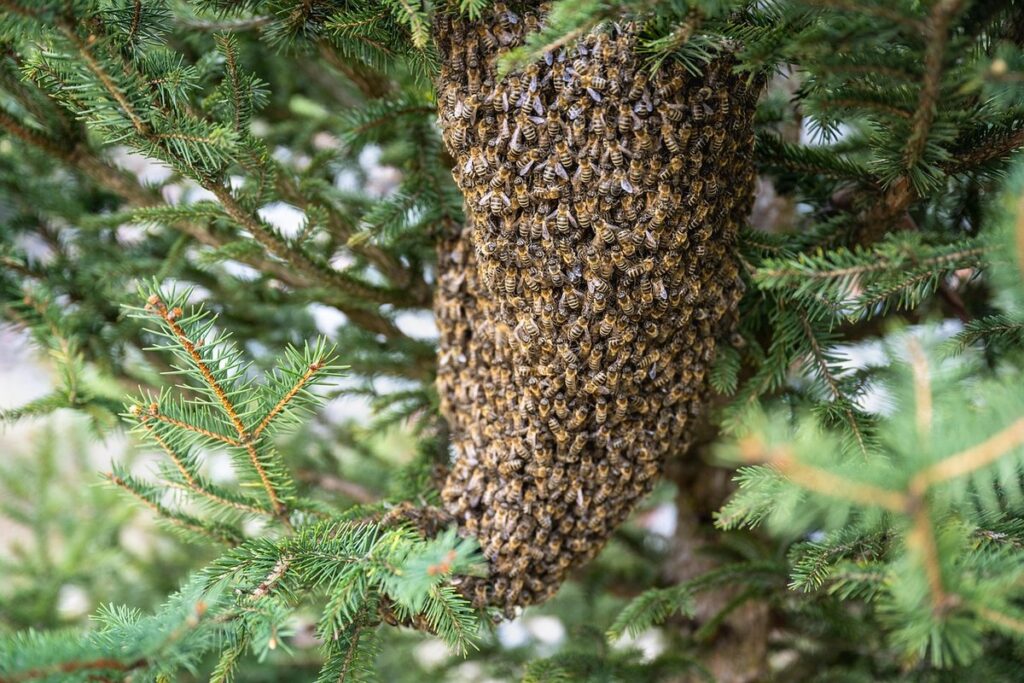
Honey bees are incredibly social creatures, living in colonies that are structured around a single queen bee and thousands of worker bees. To truly appreciate their fascinating biology, let’s take a closer look at their unique life cycles and social hierarchy.
Anatomy of a Honey Bee
A honey bee’s body is divided into three main sections: the head, thorax, and abdomen. The head houses the bee’s compound eyes, which are made up of thousands of individual lenses, giving them almost 360-degree vision. Two smaller simple eyes sit on either side of the compound eyes. The antennae, used for sensing vibrations and smells, protrude from the head.
The thorax is responsible for movement, with two pairs of wings attached to the sides. Honey bees beat their wings around 200 times per second, generating a humming noise as they fly. Six legs are also located in this section, with each leg ending in a sharp claw for grasping and climbing.
The abdomen contains the bee’s digestive system, including the honey stomach and the crop, where nectar is stored before being regurgitated to create honey. The reproductive organs are also found in the abdomen, with queens having an enlarged ovary that produces eggs. Understanding the basic anatomy of a honey bee provides insight into its unique characteristics and abilities, highlighting the intricate details of its biology.
Social Structure and Communication
Honey bees live in colonies with a strict social hierarchy, divided into castes. The colony is made up of one queen bee, thousands of worker bees, and a few hundred drones. The queen’s sole purpose is to lay eggs, while the workers are responsible for foraging, caring for young, and defending the colony.
Workers communicate through complex dance patterns, known as waggle dances, which inform other bees about food sources and nesting sites. These dances involve precise movements that convey information about distance, direction, and quality of nectar-rich flowers. Pheromones also play a crucial role in communication, used by bees to alert others to threats or indicate the presence of food.
Each caste has distinct physical characteristics: workers have smaller bodies and larger abdomens compared to drones, while queens are larger and have an elongated abdomen. The social hierarchy is essential for colony survival, as different castes specialize in various tasks, ensuring the colony’s overall efficiency and effectiveness.
Importance of Honey Bees to Ecosystems
Honey bees play a crucial role in pollinating plants, transferring pollen and facilitating the reproduction of countless species. This is essential for maintaining healthy ecosystems and preserving biodiversity.
Pollination Services
Honey bees are responsible for pollinating a vast array of plant species, including many crops that humans rely on for food. In fact, it’s estimated that one-third of all the food we eat is directly or indirectly dependent on honey bee pollination. This includes fruits like apples and blueberries, as well as vegetables like broccoli and tomatoes. Without bees to transfer pollen between plants, these species would be unable to reproduce.
The impact of a lack of pollination services from honey bees can be significant. In the United States alone, it’s estimated that the value of honey bee pollination is around $20 billion annually. This makes them an essential component of food production and ecosystem health. Many plant species, such as almonds and avocados, rely almost exclusively on honey bees for pollination.
To put this into perspective, consider a single almond tree: it requires over 100,000 honey bee visits to produce just one pound of almonds. This highlights the crucial role that honey bees play in ensuring the health and productivity of these crops. By understanding the importance of pollination services provided by honey bees, we can better appreciate the need for conservation efforts to protect these vital pollinators.
Economic Value of Honey Bees
Honey bees contribute significantly to agriculture through pollination services, with estimates suggesting they add value to over $200 billion worth of crops globally each year. This figure is often cited by the Food and Agriculture Organization (FAO) of the United Nations. In the United States alone, it’s estimated that one-third of all bee colonies are responsible for pollinating around 75% of major crop species.
Agricultural industries like almonds, apples, blueberries, and avocados rely heavily on honey bees for pollination. In fact, almond farmers in California often rent entire bee colonies to ensure adequate pollination for their crops. Without sufficient pollinators, many crops would struggle or fail to produce viable yields. This economic dependence underscores the importance of maintaining healthy honey bee populations.
Other industries also benefit from honey bees’ pollination services, including horticulture and flower production. In addition to these direct benefits, honey bees also contribute indirectly by supporting biodiversity and ecosystem health. By preserving natural habitats and reducing pesticide use, we can help maintain a stable and thriving population of these vital pollinators.
Threats Facing Honey Bee Populations
Honey bee populations are facing numerous threats, including habitat loss, pesticide use, and climate change, which can have devastating effects on their colonies. These challenges pose a significant risk to our ecosystem’s delicate balance.
Colony Collapse Disorder (CCD)
Colony Collapse Disorder (CCD) is a phenomenon where worker bees disappear or die, leaving the queen bee behind. This has been observed in numerous colonies across the globe, causing significant concern among beekeepers and scientists. The causes of CCD are multifaceted, but research suggests that it’s often linked to pesticide use, particularly neonicotinoids, which can impair the navigation skills of bees.
Another possible reason for CCD is habitat loss and fragmentation, as bees struggle to find sufficient food sources and shelter. A study found that bees from colonies affected by CCD had significantly lower levels of certain nutrients in their bodies compared to healthy colonies. This suggests a potential link between nutrient deficiencies and the disappearance of worker bees.
In terms of potential solutions, beekeepers can take steps to reduce pesticide use on their land or choose Integrated Pest Management (IPM) practices. They can also provide supplementary food sources for their bees, such as sugar water or protein-rich feed, to help alleviate nutrient deficiencies. However, these measures may not be enough to completely prevent CCD, and further research is needed to fully understand the causes of this complex issue.
Pesticide Use and Habitat Loss
Honey bees are particularly vulnerable to pesticide use due to their sensitive nervous systems. Neonicotinoids, a common class of pesticides used to control pests in agricultural fields and gardens, have been linked to bee deaths and colony decline. These chemicals can alter the bees’ behavior, causing them to become disoriented and fail to communicate effectively with each other.
A 2013 study found that neonicotinoids caused a significant increase in bee mortality when applied at concentrations typical of real-world use. Moreover, these pesticides can persist in soil and water for extended periods, allowing bees to continue being exposed long after the initial application.
Habitat loss due to urbanization also plays a crucial role in declining honey bee populations. As natural areas are converted into residential and commercial spaces, bees are left with limited resources to forage for nectar and pollen. A small garden or green space can provide vital sustenance for local bee populations; consider planting bee-friendly flowers like sunflowers, lavender, or coneflowers to support your neighborhood’s pollinators.
Conservation Efforts for Honey Bees
As we explore ways to protect these vital pollinators, it’s essential to examine the conservation efforts currently underway to safeguard honey bee populations and habitats. These initiatives offer a glimmer of hope for their survival.
Sustainable Beekeeping Practices
Beekeepers can adopt several sustainable practices to promote healthy bee colonies and prevent disease spread. One key practice is maintaining a balanced colony population by splitting strong colonies during peak season and re-queening weak ones. This helps distribute queen bees’ pheromones, reducing aggression within the colony.
Another essential practice is managing pests and diseases through integrated pest management (IPM) techniques. IPM involves using a combination of methods to control infestations, such as introducing beneficial insects, using targeted pesticides, and removing infested frames. For example, beekeepers can introduce mite-killing Varroa predator nematodes or use oxalic acid to treat for American Foulbrood.
Regular inspections also play a crucial role in sustainable beekeeping. Beekeepers should inspect their colonies at least once a week during peak season to monitor for signs of disease and pests. This allows them to take prompt action, reducing the risk of colony collapse. Some beekeepers also adopt organic practices, such as avoiding chemical treatments and using natural remedies like essential oils to promote healthy hive environments.
By adopting these sustainable practices, beekeepers can contribute to maintaining healthy honey bee populations and mitigating the impact of human activities on their colonies.
Creating Bee-Friendly Habitats
Creating bee-friendly habitats is a crucial step in supporting honey bee populations. Individuals and communities can make a significant impact by transforming their outdoor spaces into thriving ecosystems for these vital pollinators. A key component of creating such habitats is planting bee-friendly flowers that are rich in nectar and pollen, the primary sources of food for honey bees.
Choose flowers that are native to your region and bloom at different times throughout the growing season to provide a consistent source of food for honey bees. Some examples include sunflowers, lavender, coneflowers, and black-eyed Susans. Avoid using pesticides, which can be toxic to honey bees; instead, adopt integrated pest management techniques that minimize harm to pollinators.
When designing your bee-friendly habitat, consider the following tips:
• Plant a mix of annuals and perennials to ensure year-round blooms.
• Incorporate native grasses and shrubs to provide shelter and nesting sites for solitary bees.
• Avoid using invasive plant species that can outcompete native plants and harm local ecosystems.
Honey Bees in Culture and History
Honey bees have been a part of human culture for thousands of years, serving as symbols of industry and community in art, literature, and folklore. From ancient Egypt to modern-day festivals, their significance is still celebrated today.
Symbolism and Cultural Significance
Honey bees have been imbued with symbolic meaning across various cultures and historical periods. In ancient Greece, honey bees were associated with industry and hard work, as they toiled tirelessly to create their hives. This symbolism has carried over into modern times, with many companies using the image of a honey bee on their logos to convey diligence and productivity.
In many cultures, honey bees are also seen as a symbol of community and cooperation. Their complex social hierarchy, where different castes work together for the greater good, has inspired philosophers and writers throughout history. For example, Plato saw the hive as an ideal society, where individuals worked together for the common benefit.
Honey bees have also appeared in various forms of art and literature throughout history. In Greek mythology, Aristaeus was said to have received a gift from the gods that allowed him to domesticate honey bees. Similarly, in many indigenous cultures, honey bees are revered as sacred creatures, often depicted in traditional artwork and storytelling.
In addition to their symbolic significance, honey bees have also been used as metaphors for human societies. For instance, the way a single queen bee lays eggs while the worker bees tend to her and the young has inspired discussions about female leadership and power dynamics.
Historical Beekeeping Practices
Ancient civilizations employed various traditional beekeeping methods to manage honey bee colonies. In ancient Egypt, beekeepers used clay hives and smoke to calm the bees, allowing them to harvest honey without getting stung. Similarly, in Africa, the Masai people used hollowed-out tree trunks as beehives, while in Asia, the Chinese employed intricately carved wooden hives.
These traditional practices often involved a deep understanding of bee behavior and social structure. For instance, ancient Greek beekeepers recognized that bees communicate through complex dance patterns to coordinate foraging activities. By observing these patterns, beekeepers could infer the location of food sources and plan their harvesting accordingly.
As civilizations evolved, so did beekeeping techniques. In Europe during the Middle Ages, beekeepers developed the use of movable frames within hives, allowing for more efficient honey production and easier colony management. The introduction of new technologies, such as smokers and protective clothing, further improved safety and productivity in modern beekeeping practices.
The Future of Honey Bees: Challenges and Opportunities
As we look ahead, it’s essential to consider the pressing challenges facing honey bee populations worldwide, from habitat loss to climate change. These factors pose significant threats to their survival.
Addressing Climate Change and Other Threats
To mitigate the impact of climate change on honey bee populations, urgent action is required to reduce greenhouse gas emissions. Rising temperatures and altered precipitation patterns disrupt the delicate timing of plant-bee interactions, making it challenging for bees to adapt. For instance, warmer winters can shorten the period during which queen bees are active, leading to reduced colony growth.
One solution is to implement Integrated Pest Management (IPM) strategies that minimize pesticide use. IPM involves using a combination of techniques such as crop rotation, biological control, and cultural controls to manage pests. By reducing chemical pesticide use, we can also decrease the risk of harming beneficial insects like bees.
Collaboration between governments, scientists, and local communities is essential in addressing these threats. Governments can establish policies that support sustainable agriculture practices and provide funding for research on climate-resilient beekeeping methods. Local communities can create bee-friendly habitats by planting pollinator gardens and reducing pesticide use in their neighborhoods.
New Research and Technologies
Researchers have made significant strides in understanding honey bee biology and behavior. For example, studies have identified specific genes responsible for social immunity in honey bees, revealing how these colonies maintain their collective health. This breakthrough could inform the development of more targeted treatments against diseases like American Foulbrood.
Another area of research focuses on decoding the complex communication systems between honey bees. Scientists have discovered that bees use a variety of subtle cues, including scent and body language, to convey information about food sources and threats. This knowledge can be applied to create more effective bee-friendly habitats and reduce pesticide use.
New technologies are also emerging to support honey bee conservation. For instance, some beekeepers are experimenting with automated monitoring systems that track colony health and detect early warning signs of disease or pests. These innovative tools can help beekeepers make data-driven decisions and intervene earlier in the event of an issue. Additionally, researchers are developing novel ways to repurpose urban spaces as bee-friendly habitats, such as converting rooftops into mini-bee sanctuaries.
Frequently Asked Questions
Can I start beekeeping with just one hive?
Yes, it’s possible to begin beekeeping with a single hive, but keep in mind that maintaining multiple hives can help spread the risk of disease and loss. Consider starting small and gradually expanding your apiary as you gain experience.
How do I know if my bees are being affected by pesticide use?
Bees exposed to pesticides may exhibit changes in behavior, such as increased aggression or difficulty navigating. Monitor your bees’ health and watch for signs of pesticide poisoning, like a sudden drop in population or unusual dead bee clusters near the hive entrance.
Can I create a bee-friendly habitat in an urban area with limited space?
Yes, even small spaces can support pollinators by incorporating native flowers, herbs, or shrubs that attract bees. Consider using vertical gardening methods or selecting compact plant varieties to maximize your space and create a welcoming environment for honey bees.
What if I notice signs of colony collapse disorder (CCD) in my beehive?
If you suspect CCD is occurring in your hive, take immediate action by isolating the affected area, monitoring the queen’s health, and providing supplemental feeding. Consider consulting with an experienced beekeeper or local apiculturist for guidance on addressing this complex issue.
Are there any specific steps I can take to support honey bees’ pollination services during times of extreme weather?
During severe weather conditions like droughts or heatwaves, provide your bees with access to a reliable source of water and offer supplemental feeding if necessary. Consider creating “bee hotels” or other habitats that help mitigate the effects of extreme weather on pollinator populations.

