
Growing carrots can be a bit tricky, especially when you’re trying to choose the right variety for your home garden. With so many options available, it can be overwhelming to select the perfect one for your climate and preferences. If you’ve struggled with carrot crops in the past or are new to gardening altogether, you know how frustrating it can be to deal with pests, diseases, and poor yields. The good news is that there are countless unique and resilient varieties of carrots out there, carefully bred for specific growing conditions and characteristics. In this article, we’ll explore some expert tips for selecting and cultivating the best carrot variety for your needs, whether you’re gardening in warm or cool climates. By the end of it, you’ll know exactly which types to choose and how to grow them successfully.
Choosing the Right Variety
When it comes to growing carrots, selecting the right variety is crucial for success. With so many options available, let’s take a closer look at some of the most popular and recommended varieties for home gardeners.
Understanding the Purpose of Different Carrot Types
Carrots serve multiple purposes, from crunchy snacks and colorful salads to cooking and juicing. Different varieties are better suited for these various uses due to their unique characteristics.
For snacking, compact varieties like ‘Thumbelina’ or ‘Parisienne’ excel because of their small size and tender texture. These carrots typically have a higher solid-to-liquid ratio, making them sweeter and crunchier when raw.
For cooking and storage, larger varieties with longer taproots are preferred. These include ‘Nelson’, ‘Danver’, and ‘Imperator’. Their denser flesh holds up well to boiling, steaming, or roasting, and they store better due to their size.
When juicing, it’s best to use varieties that have a higher water content and lower fiber density. ‘Atomic Red’ and ‘Little Finger’ are suitable options because of their high juice yield and mild flavor.
In general, choose carrots based on the intended use rather than trying to grow multiple varieties for various purposes. This will help ensure you get the best results from your crop and enjoy the fruits of your labor.
Niche and Specialty Varieties
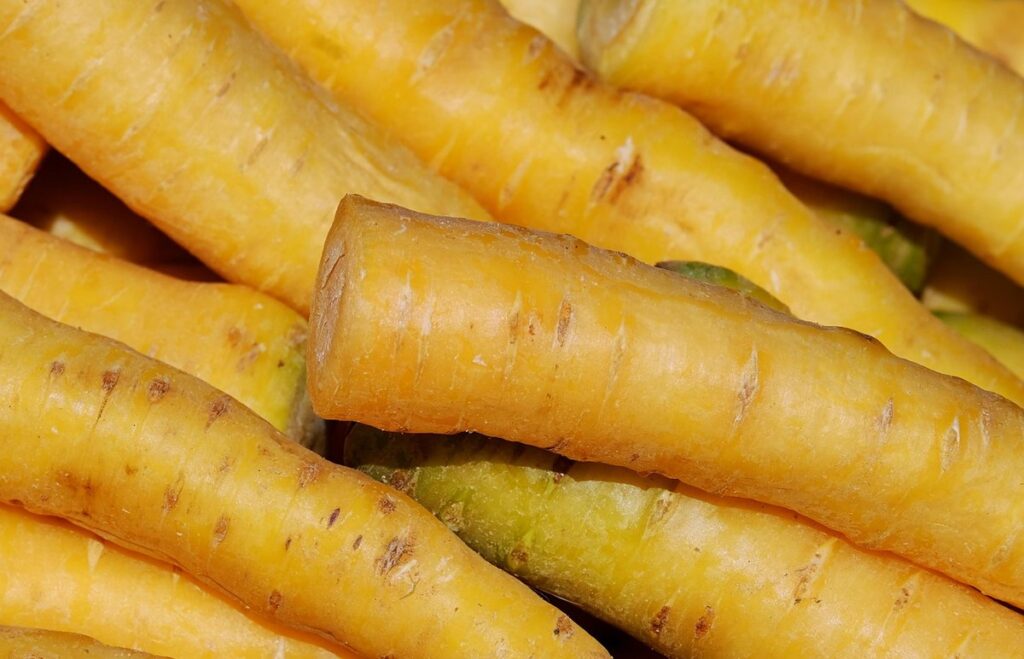
If you’re looking for something beyond the standard orange variety, there are numerous niche and specialty carrot varieties to explore. For instance, colorful carrots like ‘Atomic Red’, ‘Danver’s Half-Long’, and ‘Thumbelina’ offer a pop of color on the plate. These types can add visual interest to salads or serve as a fun garnish for soups.
Heirloom varieties, such as ‘Parisienne’ and ‘Belgian White’, are another specialty option. They often retain their unique flavor profiles and textures from their heritage, making them perfect for chefs seeking distinct flavors in their dishes. Some heirlooms may require more attention during cultivation due to their sensitivity to pests or disease.
When searching for niche varieties, consider factors like maturity days, growth habits, and disease resistance. This can help you find a variety that suits your specific needs. For example, ‘Parisienne’ matures relatively quickly (around 60-70 days) and has a compact growth habit, making it suitable for smaller gardens or containers.
In addition to these options, some specialty varieties cater to specific tastes or dietary requirements, such as carrots with reduced sugar content or those bred for their high beta-carotene levels.
Popular Carrot Varieties for Home Gardens
When selecting carrot varieties for your home garden, you’ll find a wealth of options to suit different tastes and growing conditions. From sweet and crunchy to vibrant and colorful, here are some popular choices.
‘Little Finger’ and Other Compact Varieties
Compact carrot varieties are perfect for home gardeners with limited space. These diminutive roots pack a punch when it comes to yield, often producing more carrots per square foot than their larger counterparts. One popular example is ‘Little Finger’, which grows to about 3-4 inches in length and requires minimal support as it matures.
Another advantage of compact varieties is their ability to mature quickly – typically within 50 to 60 days from sowing. This allows gardeners to harvest multiple crops throughout the growing season, maximizing space and minimizing waste.
In addition to ‘Little Finger’, other compact varieties worth considering include ‘Thumbelina’ and ‘Parisienne’. These carrots are well-suited for containers or small raised beds, making them ideal for urban gardens or spaces with limited real estate. When selecting a compact variety, look for those that have been bred specifically for their compact growth habit – this will ensure they perform optimally in smaller spaces.
‘Danver’ and Other Nantes-Type Varieties
‘Danver’ carrots are a classic Nantes-type variety, prized for their exceptional disease resistance. This characteristic makes them an excellent choice for gardeners who want to minimize the need for pesticides and other chemicals. One of the key advantages of Danver and similar varieties is their robust taproot, which grows straight down into the soil with minimal branching. This trait not only helps prevent root rot but also makes them easier to harvest.
Danver carrots are known for their slender shape, typically reaching 6-7 inches in length. Their bright orange color is a testament to their high beta-carotene content and sweet flavor profile. When grown correctly, Danver carrots can thrive in a wide range of conditions, making them suitable for both beginners and experienced gardeners.
When selecting Nantes-type varieties like Danver, look for seed packets or descriptions that highlight their disease resistance. Some common diseases affecting carrot crops include powdery mildew, leaf blight, and root rot. By choosing varieties with built-in resistance, you can reduce the risk of these issues and enjoy a healthier crop.
To maximize the benefits of Nantes-type carrots like Danver, ensure your soil is well-draining and has a pH between 6.0 and 6.8. Avoid overwatering, which can exacerbate disease susceptibility. By following proper cultivation practices and selecting resistant varieties, you can enjoy a bountiful harvest of delicious and nutritious ‘Danver’ carrots.
Heirloom and Heritage Carrot Varieties
Some carrot varieties have been passed down through generations, prized for their unique flavors and textures, and are worth getting to know in your own garden. Let’s take a closer look at these heirloom and heritage gems.
The Benefits of Growing Heirlooms
Heirloom carrots are prized for their complex, nuanced flavors and aromas. Unlike hybrid varieties, which often prioritize uniform appearance and long shelf life, heirlooms come in a stunning array of shapes, sizes, and colors. Their unique characteristics make them perfect for adding visual interest to salads and other dishes.
Growing heirlooms is also a way to connect with the past. Many have been preserved through generations of seed saving and are now making a comeback as home gardeners seek out new challenges and ways to preserve culinary heritage. For example, ‘Thumbelina’ carrots, which date back to 1982, have won over many hearts with their petite size and delicate flavor.
In addition to their historical significance, heirloom varieties often boast higher nutritional content than hybrid varieties. This is because they haven’t undergone the same level of breeding for disease resistance and other desirable traits that can come at the cost of nutrient density. When you grow your own heirlooms, you’ll be able to enjoy the full flavor and benefits of these remarkable carrots.
Heirloom carrots are also often more resistant to pests and diseases due to their diverse genetic makeup. This makes them a great choice for gardeners who want to avoid relying on chemical pesticides and other interventions. By growing heirlooms, you’ll not only be cultivating a unique culinary experience but also helping preserve the rich history of carrot cultivation.
Examples of Popular Heirloom Carrots
Heirloom carrots offer a unique combination of flavor, texture, and visual appeal. They often have a more complex, nuanced taste compared to hybrid varieties, and their appearance can range from vibrant colors like purple and red to subtle stripes and swirls. Here are some popular examples:
- ‘Thumbelina’ is a compact, round variety with a deep orange color and a sweet, earthy flavor.
- ‘Danver’s Half-Long’ has a distinctive half-long shape and a rich, slightly sweet taste.
- ‘St. Valery’ is a heritage French variety with a bright orange color and a crunchy texture.
- ‘Atomic Red’ boasts a vibrant red color and a tangy, slightly spicy flavor.
These heirloom varieties tend to be more sensitive to climate and soil conditions than hybrid carrots, but they can reward gardeners with a truly unique growing experience. When selecting an heirloom variety, consider factors like maturity days (some take longer to mature than others), growth habits, and pest/disease resistance. By choosing the right heirloom carrot for your specific needs and climate, you can enjoy a bountiful harvest of delicious, one-of-a-kind carrots.
How to Grow Carrots: Tips for Success
To grow delicious and healthy carrots, you need to provide them with the right conditions, including adequate sunlight, water, and soil quality. Proper care will ensure a bountiful harvest of crunchy carrots.
Soil Preparation and pH Requirements
Carrots prefer a well-draining, loose soil with a pH between 6.0 and 6.8. A slightly acidic to neutral soil condition is ideal for their growth. If your soil has a high concentration of clay or heavy metal content, it may hinder root development and lead to deformed or twisted carrots. To ensure optimal growth, test your soil pH before planting.
A pH that’s too far off from the recommended range can cause nutrient deficiencies in the carrot plants. For example, if the soil is too alkaline (high pH), it can cause a lack of boron, which is essential for root development and plant growth. On the other hand, if the soil is too acidic (low pH), it can lead to manganese toxicity, causing damage to the plant’s leaves and roots.
To prepare your soil, mix in 2-4 inches of compost or well-rotted manure to improve its structure and fertility. This will also help raise the pH level slightly, if needed. Avoid using fresh animal manure, as it can burn the roots and cause damage to the plants.
Sowing and Thinning Seeds Correctly
When sowing carrot seeds, it’s essential to plant them at the correct depth. Carrots need darkness to develop their flavor and texture, so sow seeds ¼ inch deep and ¼ inch apart. This allows for proper root growth without overcrowding. If you’re sowing directly into the garden bed, create a shallow furrow with your finger or a tool and place the seeds in it.
Water the soil gently but thoroughly after sowing to settle the seeds and provide consistent moisture during germination. Most carrot varieties take 7-10 days to emerge from the soil. Once seedlings have two sets of leaves, it’s time to thin them out.
Thin seedlings to about 1 inch apart by cutting off weaker ones at soil level using scissors or a small tool. This process can be done in stages: first, remove any seedlings that are too close together, and then evaluate the remaining plants for their size and vigor. Keep in mind that carrots grown from thinned seedlings will have more space to develop, resulting in larger roots.
Carrot Variety Selection by Climate and Region
When growing carrots, it’s essential to choose a variety that thrives in your local climate and region. This section highlights top picks for different climates and regions around the world.
Growing Carrots in Warm Climates
In warmer climates, growing carrots can be a challenging task due to their specific temperature requirements. Carrots need cool temperatures to develop their flavor and texture, typically between 60°F and 70°F (15°C and 21°C). Above this range, they may become misshapen or develop a woody taste. Additionally, warm climates often bring high humidity, which can lead to diseases such as powdery mildew.
To overcome these challenges, choose carrot varieties that are bred for warmer conditions. Some suitable options include ‘Little Finger’, ‘Thumbelina’, and ‘Parisienne’. These compact varieties mature quickly, typically within 50-60 days, reducing the risk of temperature-related damage. They also tend to have smaller roots, which can be less susceptible to fungal diseases.
When growing carrots in warm climates, it’s essential to provide them with optimal growing conditions. Ensure good air circulation by planting them in well-spaced rows or containers. Regularly inspect your crop for signs of disease and take action promptly if you notice any issues.
Carrot Varieties for Cooler Regions
In cooler regions, where temperatures often dip below 60°F (15°C), it’s essential to choose carrot varieties that can tolerate these conditions. These types typically have a longer maturation period and are more resistant to bolting. Some popular options for cooler climates include ‘Danver’, ‘Little Finger’, and ‘Thumbelina’. Danver carrots, developed in the 1920s in Massachusetts, are known for their cold hardiness and can thrive in temperatures as low as 40°F (4°C).
Another option is ‘Atomic Red’, a Nantes-type variety that’s resistant to bolting and has a longer storage life. These traits make it an excellent choice for growers in regions with shorter growing seasons or cooler summers. When selecting carrot varieties for your region, consider factors such as maturity days, resistance to diseases, and adaptability to local soil types.
Some key characteristics of cool-season carrot varieties include:
- Longer maturation periods (around 60-70 days)
- Resistance to bolting
- Cold hardiness
- Adaptability to cooler temperatures
Keep in mind that even with these traits, carrots will still require protection from extreme cold snaps. Adequate mulching and soil preparation can help ensure a successful harvest in cooler regions.
Frequently Asked Questions
Can I grow carrots in containers or raised beds?
Yes, you can grow carrots in containers or raised beds with well-draining soil and adequate depth for the variety. Keep in mind that compact varieties tend to perform better in smaller spaces.
How long does it take for carrot seeds to germinate?
Carrot seeds typically take 7-14 days to germinate under optimal conditions, depending on factors like temperature, moisture, and soil quality. Be patient and keep the soil consistently moist during this period.
What if I accidentally plant my carrot variety in a spot with poor drainage? Can it still thrive?
Yes, but it’s not ideal for carrots. While some varieties are more tolerant of wet conditions than others, overwatering can lead to root rot or other issues. If you notice the soil is consistently waterlogged, consider replanting in a better-draining area.
How do I preserve harvested carrots for longer storage?
Harvested carrots should be kept cool and dry, with the greens removed to prevent moisture loss. You can store them in a breathable container or bag in the refrigerator for up to 2-3 months. For longer-term storage, consider freezing or pickling your carrot harvest.
Can I grow multiple varieties of carrots together in the same bed?
Yes, you can interplant different carrot varieties, but make sure they have similar growth habits and space requirements. Some varieties may compete with others for resources like light, water, or nutrients. Keep in mind that growing multiple varieties can also increase the risk of disease transmission between plants.
