
Native bees are often overlooked in favor of their more charismatic counterparts, but these tiny creatures play a huge role in maintaining ecosystem health. Found across North America, native bees pollinate plants and flowers that provide food and shelter for countless other species. You might be surprised to learn that many common garden flowers rely on native bees for pollination, rather than the more famous honey bee.
Despite their importance, native bees are facing threats from habitat loss, pesticide use, and climate change. This is where you come in – by learning about these incredible pollinators and taking steps to support them, you can make a real difference in your community. In this article, we’ll delve into the unique characteristics of native bees and explore ways to create bee-friendly gardens and habitats. By the end of it, you’ll know how to contribute to ecosystem health and support these vital pollinators in your garden or community.
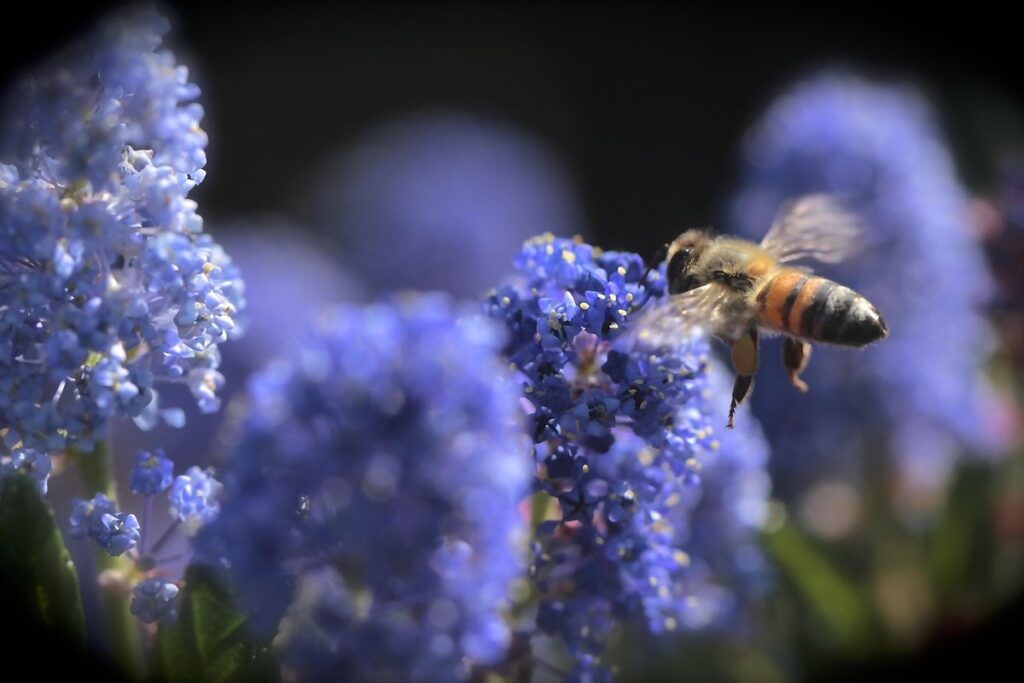
The Importance of Native Bees
Native bees are essential for pollinating plants and maintaining ecosystem health, but their populations are facing significant threats from habitat loss and climate change. We’ll explore why these native bees need our protection.
What Makes Native Bees Special?
Native bees have several characteristics that set them apart from honeybees. One key difference is their solitary nature: most native bee species do not live in colonies like honeybees. Instead, each female builds and defends her own nest, laying eggs inside to ensure the next generation. This means native bees are incredibly efficient pollinators, as they focus on individual plants rather than traveling long distances between hive locations.
Native bees also tend to be smaller than honeybees, with most species ranging in size from 1/4 inch to 1 inch (6-25 mm) in length. Their bodies often feature distinctive markings or coloration, helping them blend in with their surroundings and avoid predators. Some native bee species are even specialized to pollinate specific plants, such as squash bees that only visit certain types of gourds.
In contrast to honeybees, which communicate through complex dances and pheromones, native bees rely on visual cues and vibrations to navigate and locate nectar sources. This unique approach has allowed them to thrive in a wide range of environments, from meadows to backyards. By understanding these differences, gardeners and naturalists can better appreciate the importance of native bees and take steps to support their populations.
Role in Ecosystem Health
Native bees play a vital role in maintaining local ecosystem health through their interactions with other species. One crucial aspect of this relationship is seed production. Without native bees to pollinate flowers, many plant species would be unable to reproduce successfully. This has a ripple effect on the entire ecosystem, impacting not only the plants but also the animals that rely on them for food and shelter.
For example, some native bee species specialize in pollinating specific crops, such as alfalfa or clover. Without these bees, farmers might struggle to maintain healthy yields, leading to economic losses and reduced biodiversity. Similarly, when native bees are present, they help increase seed production, which can lead to a more diverse range of plant species.
Native bees also contribute to food source diversity by pollinating flowers that produce nectar-rich pollen. This is essential for the survival of many animals, from butterflies to birds, which rely on these resources for nutrition. By understanding and preserving native bee populations, we can maintain the delicate balance within our ecosystems and support the diverse range of plant and animal species that depend on them.
Types of Native Bees
There are over 4,000 species of native bees in North America alone, each with unique characteristics and habits. Let’s take a closer look at some of the most common types you might find in your backyard or local garden.
Solitary Bees: The Most Common Type
Solitary bees make up 70% of all bee species, yet they often fly under the radar due to their solitary nature. One reason for their relative obscurity is that they don’t live in colonies like honeybees do. Instead, each female solitary bee builds and maintains its own nest.
A single solitary bee nest can contain anywhere from a few dozen to several hundred individual cells, depending on the species. Each cell will hold an egg and a ball of pollen, which serves as food for the developing larva. Some species of solitary bees are cavity-nesters, meaning they’ll use pre-existing holes in trees or walls to lay their eggs. Others, like the mason bee, are mud-dauber specialists, collecting and shaping mud into perfect little cups.
While solitary bees may not be as flashy as their social counterparts, they play a vital role in pollination. In fact, many gardeners swear by the effectiveness of solitary bees at transferring pollen between plants. To attract these important pollinators to your garden, consider providing a source of mud for mud-dauber bees or installing a bee hotel with hollow reeds and bamboo tubes. By offering a safe haven for solitary bees, you’ll be supporting a crucial part of your local ecosystem.
Carpenter Bees: Large and Fierce
Carpenter bees are among the largest native bee species, with some females reaching lengths of over an inch. Their large size is matched by their fearsome reputation, as they’re known for aggressively defending their nests from perceived threats. This behavior can be intimidating to humans, but it’s essential for the carpenter bee’s survival.
Female carpenter bees use their powerful mandibles to excavate nesting holes in wood, often targeting untreated or weathered wood. This unique behavior sets them apart from other native bees and can lead to mistaken identifications as wasps or even rodents. Despite their fearsome reputation, carpenter bees are essential pollinators and contribute significantly to the reproduction of many plant species.
When it comes to managing carpenter bee populations, a key consideration is providing alternative nesting sites for these bees. By offering untreated wood or specifically designed bee houses, you can encourage carpenter bees to nest in a more controlled environment, reducing conflicts with humans. This approach also supports pollination efforts and helps maintain the overall health of local ecosystems.
Native Bee Behavior and Habitat
Native bees are fascinating creatures, and understanding their behavior and habitat is crucial for supporting these essential pollinators. Let’s take a closer look at where they live and how they interact with each other.
Nesting Habits and Preferences
Native bees exhibit a range of nesting habits and preferences, often determined by the availability of suitable materials and protection from predators. Some species, like leafcutter bees, excavate burrows underground where they can store pollen and nectar for their young. These nests typically have multiple cells, each containing an egg or developing larva.
Other native bees, such as mason bees, prefer to nest in abandoned insect holes or crevices in rocks. They collect mud and use it to construct a protective seal around the entrance of the nest. This helps regulate temperature and humidity levels inside the nest, allowing the female bee to successfully raise her offspring.
Some species, however, will make use of existing cavities, like hollow reeds or bamboo tubes. In each case, the nesting material is carefully selected to provide adequate protection and stability for the developing young. By understanding these preferences, gardeners and conservationists can create suitable habitats for native bees by providing a variety of nesting materials and structures.
Native bees often reuse previously occupied nests, so leaving some areas undisturbed can help support their populations.
Food Sources and Pollen Requirements
Native bees rely on specific plants for food and pollen. We’ll discuss the importance of native plant species and how they support these pollinators.
Native bees have a unique relationship with certain plant species, which provide them with the nutrients they need to survive. These plants are typically rich in nectar, a sweet, energy-rich liquid that serves as a primary source of food for adult bees. To meet their pollen requirements, native bees visit flowers that produce an abundance of this protein-rich substance.
Native plants like coneflower, black-eyed Susan, and milkweed are particularly attractive to native bees due to their high nectar and pollen content. These plants often bloom at times when other crops may not be in season, providing a crucial source of food for bees during periods of scarcity. To support your local native bee population, consider incorporating native plant species into your garden or landscape. By doing so, you’ll provide them with the necessary resources to thrive.
Some examples of native plants that are rich in nectar and pollen include:
- Wild bergamot (Monarda fistulosa)
- Blazing star (Liatris spp.)
- Butterfly milkweed (Asclepias tuberosa)
Threats to Native Bees and Conservation Efforts
Native bees face numerous threats, including habitat loss, pesticide use, and climate change, which can have devastating effects on their populations. We’ll examine these pressing issues in more detail to understand the scope of the problem.
Habitat Loss and Fragmentation
Human activities like deforestation and urbanization have led to widespread habitat loss and fragmentation for native bees. When forests are cleared for agriculture or development, native bee habitats are destroyed, leaving bees without the resources they need to survive. This is particularly true for solitary bees, which often nest in the ground or in existing vegetation.
As a result of habitat destruction, many native bees are forced to search for new habitats, often traveling long distances and expending precious energy reserves. This can lead to increased mortality rates among bee populations, as they struggle to find suitable nesting sites and food sources. In addition, fragmented habitats can isolate individual colonies, making it difficult for them to interact with each other or access essential resources.
To mitigate the effects of habitat loss and fragmentation, gardeners and landowners can create bee-friendly habitats by planting native vegetation and preserving natural areas. This can include setting aside small plots of land as “bee corridors,” where bees can travel between larger habitats and find food and shelter.
Pesticide Use and Climate Change
The increasing use of pesticides and climate change pose significant threats to native bee populations. Pesticides can harm bees directly by contaminating their food sources and nesting sites. For example, neonicotinoids have been shown to impair bees’ navigation skills, making it difficult for them to find food and mates. Additionally, pesticide residues can accumulate in bees over time, weakening their immune systems and increasing their susceptibility to disease.
Climate change also affects native bees by altering the timing of plant-pollinator interactions. As temperatures rise, plants may bloom earlier than usual, but this can leave bees struggling to adapt to the new schedule. This phenomenon is known as “temporal mismatch,” where bees arrive too late or too early for the available pollen and nectar.
To mitigate these effects, gardeners and bee enthusiasts can take steps to reduce pesticide use and create more resilient habitats. This includes choosing integrated pest management (IPM) methods that minimize chemical applications and maintaining diverse plant species with staggered bloom times. By adopting these strategies, we can help native bees cope with the challenges posed by pesticides and climate change.
Supporting Native Bees in Your Garden or Community
To create a welcoming environment for native bees, consider incorporating bee-friendly plants and features into your garden’s design. This can help attract these pollinators and support their populations.
Planting for Pollinators
When it comes to supporting native bees, choosing the right plants is a crucial decision. Native bee species have evolved alongside specific plant communities and have developed symbiotic relationships with them. To create a pollinator-friendly environment, you should focus on incorporating native plant species into your garden or community.
A good starting point is to select plants that are rich in pollen and nectar, as these provide essential nutrients for native bees. For example, coneflower (Echinacea spp.) and black-eyed Susan (Rudbeckia hirta) are excellent choices, as they offer a rich source of pollen and nectar during the summer months. You should also consider incorporating plants with different bloom times to ensure a steady food supply for native bees throughout the growing season.
Some other factors to keep in mind when selecting plants include their growth habits, soil requirements, and sunlight preferences. For instance, some native bee species prefer open, sunny areas, while others thrive in more shaded environments. Consider consulting with local nurseries or gardening experts to determine which native plant species are best suited for your specific region and climate.
When selecting multiple plants, aim for a diverse selection of at least 3-5 different species that cater to the unique needs of various native bee species.
Creating Bee-Friendly Habitats
Creating bee-friendly habitats is a crucial aspect of native bee conservation. In urban landscapes, community gardens, and even residential backyards, you can create havens for these pollinators by incorporating specific plants, structures, and design principles. For instance, plant a mix of nectar-rich flowers that bloom at different times to provide a constant food source throughout the growing season. Incorporate native wildflowers, shrubs, and trees, as they are naturally adapted to support local bee populations.
Consider adding nesting sites for solitary bees by installing bee hotels or providing undisturbed areas with loose soil or sand. These structures can be made from natural materials like bamboo, wood, or even repurposed containers. Make sure to face the entrance hole east to southeast to maximize sunlight and warmth. Be mindful of pesticide use in your garden, as these chemicals can harm native bees.
Incorporating rocks, logs, and other undisturbed areas with loose soil or sand provides a habitat for ground-nesting bees like mining bees. Avoid using invasive plants that may outcompete native species, and maintain a diverse range of flowers to support multiple bee species. By incorporating these elements into your garden design, you can create a thriving ecosystem that supports the well-being of native bees in your community.
Conclusion: Protecting Native Bees for the Future
Now that we’ve explored the world of native bees, it’s time to think about what we can do to ensure their survival for generations to come. We’ll discuss practical ways to protect these vital pollinators.
The Importance of Native Bee Conservation
Protecting native bees is essential for maintaining healthy ecosystems and preserving biodiversity. As we’ve discussed throughout this article, these pollinators play a crucial role in seed production, fruit set, and plant reproduction. Without them, many plant species would struggle to reproduce, leading to reduced crop yields and lower food quality.
Native bee conservation efforts focus on preserving their habitats and ensuring the continued presence of native flowers that provide them with nectar and pollen. This means creating and maintaining bee-friendly environments in gardens, parks, and other green spaces. One effective way to do this is by planting a diverse range of flowers that bloom at different times throughout the growing season. This approach ensures that bees have access to a constant food source throughout the year.
Research has shown that even small-scale conservation efforts can have significant impacts on native bee populations. For example, studies have demonstrated that urban gardens with intentionally planted pollinator-friendly flowers can support more than 10 species of native bees. These findings highlight the importance of continued research and conservation efforts to better understand and protect these vital pollinators.
To prioritize native bee conservation, consider participating in citizen science projects or volunteering for local organizations focused on pollinator protection. You can also contribute to ongoing research by reporting your own observations of native bee activity and providing data on their habitats and behaviors. By working together, we can ensure the long-term health and resilience of native bee populations.
Frequently Asked Questions
Can I create a bee-friendly habitat in a small urban space?
You can create a bee-friendly habitat even with limited space. Consider using vertical gardens or window boxes to plant native flowers and herbs that provide nectar and pollen for native bees. Even a small area like a balcony or patio can make a difference.
How do I know which plants are safe for native bees in my garden?
Choose plants that are native to your region, as they will be more likely to attract local bee species. Also, avoid using pesticides, which can harm native bees and other beneficial insects. Opt for organic gardening practices and consider consulting with a local nursery or gardening expert.
What if I accidentally harm a native bee while gardening?
If you accidentally disturb or harm a native bee, leave it alone and let it recover on its own. If the bee is severely injured, try to gently capture it in a container and release it elsewhere in your garden where it can recover. Avoid using chemicals to treat the area.
Can I attract both honeybees and native bees to my garden?
Yes, you can attract both honeybees and native bees to your garden by providing a diverse range of plants that cater to different bee species’ needs. Native bees tend to prefer single-petaled flowers like sunflowers and zinnias, while honeybees are attracted to a wider variety of blooms.
When is the best time to plant native bee-friendly flowers in my area?
The best time to plant native bee-friendly flowers depends on your region’s climate and the specific needs of the plants you’ve chosen. Research the specific planting times for your area and choose varieties that bloom at different times to provide a constant source of nectar and pollen throughout the growing season.

