Beekeepers have long been concerned with maintaining healthy colonies, but many traditional practices have unintended consequences on the environment. Pesticide use in beekeeping is not only detrimental to pollinators’ health but also compromises their ecosystem role. Sustainable beekeeping methods have gained attention as a way to mitigate these effects and promote eco-friendly practices. By adopting environmentally conscious techniques, you can not only reduce pesticide use but also contribute to pollinator health and well-being. Our comprehensive guide will walk you through the essential principles of sustainable beekeeping, exploring topics such as integrated pest management, natural hive treatments, and habitat preservation.
Benefits of Sustainable Beekeeping
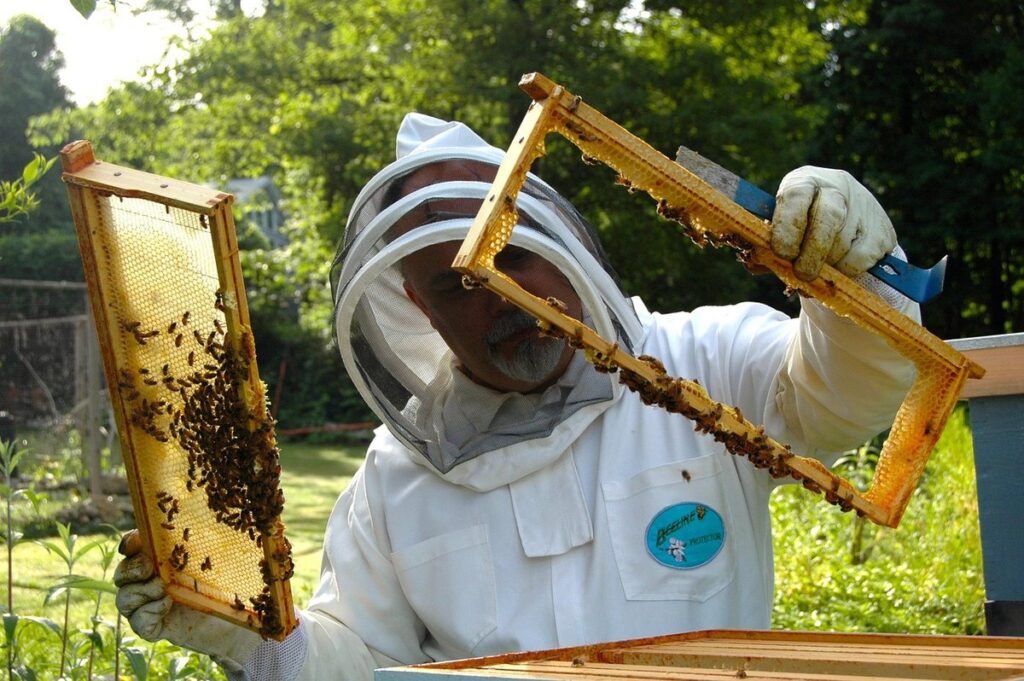
By practicing sustainable beekeeping, you can enjoy a multitude of benefits for both your bees and the environment. Let’s take a closer look at some of these advantages.
Importance of Bees in Ecosystems
Bees play a vital role in maintaining ecosystem health and ensuring food security. As primary pollinators, they facilitate the reproduction of around 75% of the world’s crop species, including fruits, vegetables, nuts, and seeds. Without bees, many of these crops would be unable to reproduce, resulting in significantly reduced yields and, consequently, economic losses for farmers.
The impact of bee pollination extends beyond agricultural productivity. Bees also contribute to maintaining biodiversity by facilitating the reproduction of wildflowers and other plant species. This diversity is essential for maintaining ecosystem resilience and supporting the complex relationships within ecosystems.
In addition to these benefits, bees also have a significant impact on seed quality. Many crop seeds rely on bees for proper pollination, which ensures that they produce viable offspring. Without this process, seeds would be less likely to germinate or produce healthy plants. To support bee populations and promote ecosystem health, consider planting bee-friendly flowers in your garden or local area. This simple action can provide a vital source of nectar and pollen for bees during peak pollination seasons.
Environmental Impact of Conventional Beekeeping
Conventional beekeeping methods can have devastating consequences on the environment. One of the most significant concerns is the use of pesticides, which are often applied to control varroa mites and other pests in beehives. However, these chemicals can drift into nearby ecosystems, harming beneficial insects and even contaminating water sources.
Habitat destruction is another critical issue associated with traditional beekeeping practices. When bees are kept in urban areas or monoculture landscapes, their natural foraging habits are disrupted, leading to malnourished colonies and weakened immunity. This can ultimately contribute to colony collapse disorder (CCD), a phenomenon where entire colonies disappear due to a combination of factors.
Climate change is also linked to conventional beekeeping methods. Bees require specific temperature and humidity conditions to thrive, which are becoming increasingly difficult to maintain as the planet warms. Warmer temperatures can also lead to an overabundance of pests, further stressing bees and their keepers. By adopting sustainable beekeeping practices, such as integrated pest management (IPM) techniques and natural hive management, beekeepers can mitigate these environmental impacts and promote a healthier ecosystem for both humans and pollinators.
Principles of Sustainable Beekeeping
At its core, sustainable beekeeping is built on a set of guiding principles that prioritize the health and well-being of both the bees and their environment. Let’s explore some of these key concepts together.
Natural Hive Management
Minimizing human intervention is crucial in natural hive management. This approach allows bees to take charge of their own populations and health, reducing the need for frequent inspections and interventions. By doing so, beekeepers can avoid disrupting the delicate social dynamics within the colony.
When bees are left to manage themselves, they naturally regulate their population by controlling queen production and worker reproduction. Without human interference, the colony develops a more resilient immune system, better equipped to handle pests and diseases on its own. This autonomy also enables the colony to adapt more effectively to changing environmental conditions.
One way to adopt natural hive management is to reduce inspection frequency. Instead of checking hives every week or two, try visiting them only once a month during peak activity periods. Monitor for signs of disease, such as discolored or deformed brood, and address any issues promptly. Avoid opening the hive too frequently, as this can stress the colony and weaken its defenses.
By stepping back and allowing bees to manage their own affairs, you’ll be giving them the best chance to thrive in a sustainable ecosystem.
Integrated Pest Management (IPM) Techniques
Integrated Pest Management (IPM) techniques are a crucial aspect of sustainable beekeeping. By using natural methods to control pests and diseases, you can minimize chemical use and create a healthier environment for your bees. This approach involves understanding the life cycles of pests and selecting breeds that are resistant to common diseases.
One effective method is introducing natural predators into the hive, such as ladybugs or lacewings, which feed on aphids and other pests. You can also use beneficial nematodes, microscopic worms that attack grubs in the soil. Some beekeepers also choose disease-resistant breeds, like Carniolan bees, which are less susceptible to American Foulbrood.
For example, consider introducing a small number of mason bees into your hive. These solitary bees don’t compete with honeybees for resources and will help pollinate nearby flowers. You can also plant a mix of herbs and flowers that repel pests, such as lavender or rosemary. By combining these methods, you’ll create a balanced ecosystem within the hive, reducing the need for chemical interventions.
Equipment and Supplies for Sustainable Beekeeping
When it comes to setting up your sustainable beekeeping operation, choosing the right equipment and supplies is crucial. This includes eco-friendly options like beehives made from local, sustainably-sourced materials.
Choosing Eco-Friendly Hives
When selecting a hive for sustainable beekeeping, consider the materials used in its construction. Traditional Langstroth hives are made from pine or fir, which may be treated with chemicals to resist rot and pests. In contrast, log hives are crafted from untreated wood, often sourced locally, which reduces transportation emissions.
Top-bar hives offer another eco-friendly option. Made from bamboo, cedar, or recycled plastic, these hives minimize the use of chemical-treated materials. However, some top-bar hive designs may require more frequent repairs due to their simplicity.
When evaluating a hive’s sustainability, examine its lifespan and recyclability. Langstroth hives can last for decades with proper maintenance but often end up in landfills when discarded. Log hives, on the other hand, can be repurposed as planters or furniture after their use as beehives.
Consider the following key factors when choosing an eco-friendly hive:
- Materials: Opt for untreated wood, bamboo, or recycled plastic.
- Lifespan and recyclability: Choose a design that allows for easy repairs and eventual reuse or recycling.
- Local sourcing: Select hives made from locally sourced materials to reduce transportation emissions.
Natural Wax and Honey Harvesting
When it comes to harvesting honey and wax from your beehives, there are alternative sources to traditional commercial supplies. One option is to use natural wax from beehive debris. After a hive inspection or when cleaning the hive, you can collect excess wax that’s been dropped by the bees. This wax can then be melted down and used for candle-making, cosmetics, or other purposes.
To harvest honey without harming the bees, it’s essential to understand their social structure and communication methods. You’ll need to use a technique called “draining” where you carefully remove excess honey from the frames while leaving enough for the colony’s needs. This method requires patience and observation of your bees’ behavior to determine when they’ve stored sufficient honey.
A key aspect of natural wax and honey harvesting is ensuring that it doesn’t disrupt the hive’s ecosystem. Beeswax, in particular, is a crucial component of their hives, providing insulation and structure. Harvesting excess wax without harming the colony is essential for maintaining healthy bees. Consider consulting with experienced beekeepers or joining a local apiary to learn more about sustainable harvesting practices.
Sustainable Beekeeping Practices for Beginners
As you begin your beekeeping journey, it’s essential to adopt sustainable practices that prioritize the health of both your bees and the environment. Let’s explore some beginner-friendly methods for reducing waste and promoting eco-friendliness in your apiary.
Starting Small: A Beginner’s Guide to Keeping Bees
When starting small as a beginner beekeeper, it’s essential to begin with the right equipment. Choose hives made from natural materials like cedar, cypress, or pine, which are resistant to rot and pests. Avoid metal hives, as they can conduct heat and harm the bees. For your first hive, consider a single-story Langstroth or Top-bar hive, as they are easier to manage and less expensive.
When setting up your hive, ensure it’s in a location with full sun, protection from wind, and easy access for maintenance. Face the hive entrance east to southeast to reduce morning dew and provide a natural breeze. Install a shallow super (or “supers” in plural) above the brood box to store honey and pollen.
Understand basic bee behavior: bees are most active during warm, sunny days and tend to cluster together at night. Monitor for signs of pests like small hive beetles or wax moths, and take action promptly if you notice any issues. Keep your hive inspection frequency to once a week in the first season, allowing the colony to establish itself before more frequent monitoring.
Common Challenges and Solutions for New Beekeepers
Swarming is a common concern for new beekeepers, as it can be unpredictable and difficult to manage. To prevent swarming, it’s essential to ensure your colony has enough space to expand. This means regularly inspecting the hive for signs of overcrowding and adding supers or splitting the colony when necessary. A general rule of thumb is to add a new super in late spring when the hive is about 75% full.
Pest control can also be a challenge, especially with varroa mites being a significant issue in many regions. To manage these pests sustainably, focus on building a strong and healthy colony through proper nutrition, hygiene, and monitoring. Use integrated pest management (IPM) techniques such as essential oil treatments or powdered sugar dusting to control infestations.
When it comes to disease management, new beekeepers often struggle with identifying symptoms early enough to take action. Regularly inspect the hive for signs of disease like discoloration, odor, or unusual behavior. If you suspect a problem, consult a trusted mentor or local expert and follow recommended treatment protocols.
Advanced Sustainable Beekeeping Techniques
For more experienced beekeepers, implementing advanced techniques can significantly enhance colony health and reduce environmental impact. We’ll explore some innovative methods to take your sustainable beekeeping practices to the next level.
Permaculture Principles for Integrated Farming Systems
Permaculture principles offer a holistic framework for creating integrated farming systems that prioritize bee health and biodiversity. By applying these principles, beekeepers can design thriving ecosystems that minimize external inputs and maximize resilience.
A key aspect of permaculture is observing and working with natural patterns, rather than imposing artificial ones. This means considering the local climate, soil type, and native plant species when designing the farm layout. For example, a permaculture-inspired farm might include a diverse range of flowers that provide nectar and pollen for bees throughout the growing season.
By integrating multiple crops and using techniques like companion planting, beekeepers can create complex ecosystems that support biodiversity and reduce pest pressure. This approach also encourages polycultures – where multiple plants are grown together to promote mutual benefits – which can help maintain healthy bee populations.
Some key permaculture principles for integrated farming systems include:
- Observing and working with natural patterns
- Diversifying crops and incorporating companion planting
- Using polycultures to promote biodiversity and reduce pest pressure
By applying these principles, beekeepers can create resilient and thriving ecosystems that support the health of both their bees and the surrounding environment.
Regenerative Agriculture and Pollinator Support
Regenerative agriculture practices not only promote soil health and biodiversity but also provide essential support for pollinators. By adopting regenerative methods, beekeepers can create a favorable environment for bees to thrive. Cover cropping, for instance, provides a source of nectar and pollen, while also protecting the hive from pests and diseases.
Crop rotation is another key aspect of regenerative agriculture that benefits pollinators. By rotating crops, farmers can reduce chemical use and promote beneficial insects. This approach also increases soil fertility, which in turn supports plant growth and pollinator health. For example, planting a mix of flowers and herbs alongside bee-friendly crops like lavender or sunflowers can provide a constant source of nutrition for bees.
Reduced chemical use is another critical component of regenerative agriculture that directly benefits pollinators. By minimizing pesticide application, farmers can reduce the risk of poisoning bees and other beneficial insects. This approach also promotes soil health and biodiversity, creating a more resilient ecosystem that supports both plants and pollinators. To integrate these practices into your beekeeping routine, start by assessing your farm’s current chemical use and develop a plan to gradually phase out synthetic inputs in favor of natural methods.
Conclusion: Embracing Sustainable Beekeeping Practices
Now that you’ve learned how to implement eco-friendly practices in your beekeeping routine, it’s time to reflect on what you’ve discovered and make lasting changes. This final section will help you solidify those new habits.
Key Takeaways for a Sustainable Future
As you conclude your sustainable beekeeping journey, it’s essential to distill the key takeaways for a future where pollinators and ecosystems thrive. Sustainable beekeeping practices not only benefit bees but also contribute to a healthier environment.
Firstly, adopt natural hive management techniques that mimic nature’s rhythms. This means avoiding chemical treatments and instead using integrated pest management (IPM) methods to control pests. For instance, introducing beneficial insects or using neem oil can effectively manage varroa mites without harming the bees.
Secondly, choose eco-friendly equipment and supplies whenever possible. Opt for hives made from sustainable materials like bamboo or cedar, and select natural wax cappings for your honeycombs. These small changes can significantly reduce your environmental footprint.
Lastly, don’t underestimate the power of community engagement. Encourage others to join the sustainable beekeeping movement by sharing your knowledge and experiences with friends and family. You can also participate in local beekeeper associations or attend workshops to stay updated on best practices.
By incorporating these key takeaways into your beekeeping routine, you’ll be contributing to a more resilient pollinator ecosystem for generations to come.
Encouraging Others to Join the Movement
As you’ve learned about sustainable beekeeping practices and their positive impact on the environment, you may be eager to share your knowledge with others. Encouraging friends, family, and community members to adopt eco-friendly beekeeping methods can have a collective impact on environmental sustainability.
Start by sharing what you’ve learned through local workshops, online forums, or social media groups focused on sustainable beekeeping. Connect with other enthusiasts who are already practicing integrated pest management techniques, natural hive management, and regenerative agriculture principles. Collaborate on projects that promote pollinator support and integrated farming systems.
You can also participate in community events, such as farmers’ markets or urban gardening initiatives, to showcase the importance of sustainable beekeeping. Consider partnering with local schools to develop educational programs that teach children about the value of bees and how to care for them sustainably.
When sharing your knowledge, emphasize the benefits of eco-friendly practices, such as increased honey quality, reduced chemical use, and improved biodiversity. Highlight the opportunities for collective impact, like creating pollinator-friendly habitats and supporting local beekeepers through purchases of sustainable products. By inspiring others to join the movement, you’ll contribute to a growing community of passionate individuals working towards environmental sustainability.
Frequently Asked Questions
How Often Should I Inspect My Bees for Signs of Disease or Pests?
Regular inspections are crucial in sustainable beekeeping. Aim to check your bees at least once a week during peak season, looking for signs of disease, pests, and other issues that could compromise the health of your colony.
Can I Use Integrated Pest Management (IPM) Techniques with Commercial Beekeepers?
While IPM is a key component of sustainable beekeeping, its implementation may be more challenging when working with commercial beekeepers. You can try to advocate for IPM methods during hive management, but ultimately, decisions may rest with the commercial beekeeper.
How Do I Balance My Desire to Harvest Honey with the Need to Protect My Bees’ Health?
Harvesting honey should not harm your bees. To avoid depleting your colony’s resources, take only what is necessary (about 10-15% of the annual production), and consider harvesting in the spring when bees are most active.
What If I Notice a Swarm Forming? Should I Intervene or Let Nature Take Its Course?
If you notice a swarm forming, it’s essential to act quickly. You can try to prevent swarming by giving your colony enough space and resources, but if the swarm has already left the hive, let nature take its course and allow the new colony to establish itself.
Can I Use Local, Sustainable Building Materials for My Beehouse That Are Not Mentioned in Your Article?
While the article explores popular eco-friendly hive options, you can certainly experiment with other sustainable materials when building your beehouse. Consider factors like durability, maintenance requirements, and potential impacts on local ecosystems before making a decision.