
Feeding bees honey is a common practice among beekeepers, but it can have both positive and negative effects on colony health. A beekeeper might consider supplementing their bees’ diet with honey to boost population growth or increase productivity during periods of scarcity. However, this approach requires careful consideration to avoid disrupting the natural balance within the colony. When done correctly, feeding bees honey can provide a much-needed energy boost and support the development of new queens. But if not managed properly, it can lead to dependency on external food sources and even decrease population growth in the long run. In this article, you’ll learn best practices for feeding bees honey, including how to determine when your colony needs supplements and how to avoid common risks associated with honey feeding. By the end of this post, you’ll know how to use honey feeding as a strategic tool to support a thriving bee population.
Understanding Bee Nutrition and Feeding Habits
Bee nutrition is a complex topic, and understanding what bees need to thrive is crucial when it comes to feeding them. We’ll explore the intricacies of bee diet and what happens when honey is introduced as food.
What Do Bees Typically Eat in Nature?
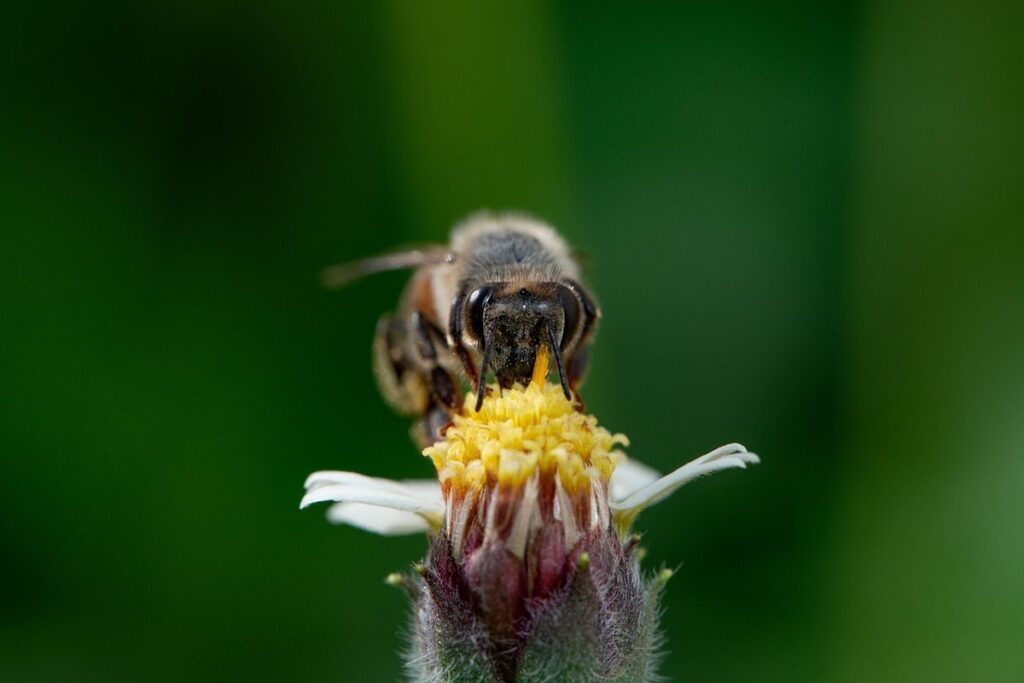
In nature, bees typically eat a diet rich in nectar, pollen, and water. Nectar is a primary source of carbohydrates for bees, which they collect from flowers using their long tongues. A single flower can provide just enough nectar to fuel a bee’s flight back to the colony, where it will be stored in honeycomb cells.
Bees also rely on pollen as a rich source of protein and other essential nutrients. They gather pollen from various plant species, often storing it in specialized baskets called corbiculae on their legs. This pollen is then used to feed larvae and support the overall health of the colony.
Access to clean water is another critical component of a bee’s natural diet. Bees collect water from sources such as ponds, lakes, or even birdbaths, often using it to cool their bodies during hot weather. Without access to these essential resources, bees may struggle to thrive, making it crucial for beekeepers to understand the complex relationships between nutrition, environment, and colony health.
The Role of Honey in a Bee Colony’s Diet
Honey is a vital component of a bee colony‘s diet, serving as a primary source of nutrition during periods of scarcity. When nectar-rich flowers are scarce, honey stored from previous seasons provides the necessary energy for bees to sustain themselves. The colony relies on this stored honey to survive winter months when food sources are limited.
In addition to providing sustenance during times of need, honey plays a crucial role in brood rearing. Bees use honey as a nutrient-rich food source to fuel the growth and development of their young. A diet rich in honey supports the health and vitality of larvae, ensuring they grow strong and healthy.
The nutritional profile of honey makes it an ideal food source for bees. Rich in carbohydrates, proteins, and micronutrients, honey provides bees with the necessary building blocks for growth and maintenance. This is particularly important during periods of rapid brood development or when bees are preparing for winter.
To maintain a healthy bee colony, it’s essential to understand the role of honey in their diet. By recognizing its importance, beekeepers can better manage their colonies’ nutritional needs and provide optimal care during times of scarcity.
Why Feed Bees Honey?
Feeding bees honey is a common practice, but many beekeepers wonder if it’s truly beneficial for their colonies. Let’s examine the reasoning behind feeding bees honey in this section.
Benefits of Feeding Bees Honey During Droughts or Prolonged Dry Spells
During droughts or prolonged dry spells, feeding bees honey can significantly improve their health and increase honey production. When nectar flows are scarce, bees must rely on stored honey for energy and nutrition. Supplementing with additional honey helps maintain the colony’s nutritional balance and ensures they have enough resources to thrive.
Bees that receive extra honey during these periods tend to exhibit healthier behavior, including more efficient foraging and brood rearing. As a result, colonies are better equipped to recover from drought conditions once rain returns. Furthermore, supplemental honey can stimulate increased honey production when nectar flows resume, allowing bees to store more honey for future use.
A common misconception is that feeding bees honey during dry spells will lead to dependency on human supplementation. However, this is not the case. Bees will still forage and produce nectar once conditions improve, and supplemental honey serves as a temporary bridge to help them weather the drought. To maximize benefits, feed bees in moderation – typically 1-2 pounds per colony every 7-10 days – and monitor their behavior and honey stores closely.
Increasing Population Growth with Supplemental Honey
Feeding bees honey can play a significant role in population growth by providing essential nutrients and energy for brood development. Brood rearing is an energetically costly process, requiring bees to allocate resources towards feeding the developing larvae. Supplemental honey can bridge the gap during periods of scarcity or when natural nectar sources are limited.
A key aspect to consider is the nutrient profile of honey. Rich in carbohydrates and water, honey serves as a readily available energy source for brood development. Moreover, honey contains small amounts of vitamins and minerals that support the overall health and development of the larvae. This is particularly important during the early stages of brood rearing when the colony’s nutritional reserves are most critical.
To effectively utilize supplemental honey for population growth, beekeepers should consider timing their feedings to coincide with periods of peak brood rearing activity. Typically, this occurs in late spring and early summer when the queen is laying eggs at her highest rate. By providing a consistent source of energy-rich food during these critical periods, beekeepers can support the colony’s overall growth and development, ultimately leading to increased population numbers.
How to Feed Bees Honey: Best Practices
When feeding bees honey, it’s essential to do so safely and effectively to avoid harming the colony. We’ll explore the best practices for supplementing a bee’s diet with honey.
Preparing the Right Amount of Honey for Your Bees
When preparing honey for your bees, it’s essential to determine the correct amount to ensure they receive what they need without overfeeding. A general rule of thumb is to provide 1-2 pounds (0.5-1 kg) of honey per colony per week during optimal weather conditions. However, this amount can vary depending on the size and age of your colony.
To calculate the right amount for your bees, consider their average daily consumption rate: typically around 10-15% of their stored honey reserves. For a thriving colony with a strong queen, you may need to provide more honey, especially during extended dry spells or when nectar flows are scarce. Conversely, smaller colonies or those experiencing adequate food sources might require less.
Keep in mind that weather conditions play a significant role in determining the right amount of honey for your bees. In areas with frequent rain or mild temperatures, bees may have an easier time gathering nectar and require fewer supplements. Conversely, during prolonged dry spells or extreme heatwaves, they’ll need more sustenance to maintain their energy levels. Monitor your colony’s behavior and adjust your feeding strategy accordingly.
Methods for Feeding Bees Honey in Different Environments
In apiaries with multiple hives, feeding bees honey can be a challenge due to logistical constraints. One approach is to use a centralized feeder system, where a single feeder serves multiple hives through a network of tubes or pipes. This method allows for efficient distribution of honey and minimizes waste.
For apiaries located in areas prone to drought, it’s essential to ensure bees have access to sufficient water as well as honey. Installing a shallow dish or tray filled with fresh water near the hive entrance can help bees collect water without competing with the feeder. Additionally, using a gravity-fed system or an automatic feeder that dispenses honey directly into the hive can simplify the feeding process.
In areas where space is limited, consider using a hive-top feeder or a frame feeder that attaches directly to the honeycomb frames. These designs allow for targeted feeding and help prevent honey from spilling or attracting pests. By choosing the right feeding method for your specific environment, you can ensure your bees receive the nutrients they need while minimizing waste and logistical challenges.
Risks Associated with Overfeeding Bees Honey
While feeding bees honey can be beneficial, overdoing it can have serious consequences for the colony’s health and your safety. Let’s examine some of the risks associated with overfeeding bees honey.
The Consequences of Excess Sugar Consumption
Overfeeding bees honey can lead to digestive issues, including a range of problems. For instance, when bees consume excessive amounts of sugar, their bodies may struggle to break it down efficiently. This can cause stomach ulcers and other gastrointestinal problems, making the colony more susceptible to disease.
One notable concern is the increased risk of fungal infections. Bees that eat too much honey are more likely to develop a condition known as “nosema,” which is caused by a fungus that attacks their digestive system. This issue has become increasingly prevalent in recent years due to factors like climate change and varroa mite infestations.
To mitigate these risks, beekeepers should carefully monitor the amount of honey being fed to their colonies. A good rule of thumb is to provide no more than 10-20 pounds (4.5-9 kg) of honey per hive each week. Regular monitoring of colony health and performance can also help identify potential issues before they become severe problems.
Impact on Colony Dynamics and Social Structure
Overfeeding bees honey can disrupt colony dynamics by creating an imbalance in their natural diet and social structure. When honey is readily available, foragers may become less active in searching for nectar-rich flowers, reducing the diversity of pollen sources and potentially weakening the colony’s overall nutrition.
As a result, the queen bee may experience reduced fertility or performance due to inadequate nutritional support. In extreme cases, overfeeding can even lead to hive abandonment as the colony becomes too reliant on supplemental honey and neglects its natural foraging activities.
To mitigate these risks, it’s essential to monitor your colony’s honey consumption and adjust feeding strategies accordingly. A general rule of thumb is to limit honey supplementation to 1-2 pounds per hive per week during periods of drought or scarcity. Regularly inspect your hives to ensure that bees are not over-relying on honey, and consider introducing alternative food sources or foraging opportunities to maintain a balanced diet.
A well-managed feeding strategy can help prevent these issues while still providing essential support during times of need.
Monitoring and Maintaining a Healthy Bee Population through Honey Feeding
When feeding bees honey, it’s essential to consider how it affects their natural behavior and population health, including maintaining a balanced ecosystem. This involves monitoring various factors that impact bee populations.
Regular Checks for Signs of Overfeeding or Underfeeding
When supplementing bees with honey, regular checks for signs of overfeeding or underfeeding are crucial to maintaining a healthy bee population. Overfeeding can lead to digestive issues and weaken the colony’s natural defenses, while underfeeding can cause malnutrition and reduced honey production.
Be on the lookout for changes in brood development and egg-laying rates. If bees are overfed, they may produce more brood than the colony can sustain, leading to overcrowding and increased disease susceptibility. Conversely, underfeeding can result in reduced brood numbers and a decrease in colony growth.
Monitor your bee’s honey stores as well. Overfederal colonies often accumulate excessive honey reserves, while underfed colonies struggle to maintain adequate stores. Check for signs of bee congestion around food sources, such as the feeding station or nearby flowers. If bees are having trouble accessing the honey, it may be a sign that they’re overfed.
Keep an eye out for changes in your bees’ behavior, including increased agitation or restlessness near the feeding station. This can indicate that they’re experiencing digestive issues due to overfeeding.
Adjusting Your Feeding Strategy Based on Seasonal Changes
As seasons change, so do nectar flows and weather patterns. To maintain a healthy bee population, you need to adjust your feeding strategy accordingly. In spring, when new flowers bloom and nectar is abundant, bees require less supplemental honey. You can reduce or even stop feeding during this period to avoid overfeeding. Monitor your bees’ activity and watch for signs of over-indulgence.
In contrast, summer’s heat and dry spells can lead to a decline in natural nectar sources. Supplemental honey becomes crucial during these times. Be prepared to increase feeding rates if drought conditions persist. Keep an eye on local weather forecasts to anticipate and adjust your strategy before the dry spell sets in.
Autumn typically brings a decrease in nectar flows as flowers fade, while winter often sees a scarcity of food due to snow cover and freezing temperatures. In these seasons, it’s essential to provide bees with enough honey stores to sustain them until spring returns. Be mindful of the amount you’re feeding, as excess honey can spoil or become contaminated during cold months.
Regularly inspect your beehives to ensure they have sufficient honey reserves for each season.
Frequently Asked Questions
Can I Mix Honey with Other Supplements for My Bees?
You can mix honey with other supplements like pollen or sugar water, but it’s essential to consider the overall nutritional balance and potential interactions. Start by consulting with a beekeeping expert or conducting research on compatible supplement combinations.
What If I Notice Signs of Overfeeding While in the Middle of a Drought?
Yes, it’s still crucial to monitor your bees’ behavior during times of drought. Although you may be feeding them honey due to scarcity, overfeeding can lead to negative consequences like digestive issues and disease. Adjust your feeding strategy promptly if you observe signs of overfeeding.
How Do I Know When My Bees Are No Longer Needing Supplemental Honey?
Regularly inspect your hives for signs of strong brood growth, increased nectar collection, and a robust queen performance. As these indicators improve, gradually reduce or discontinue supplemental honey feeding to allow your bees to focus on natural food sources.
Can I Use Local, Raw Honey from My Own Harvest for Feeding Bees?
Yes, using local, raw honey can be an excellent option for feeding your bees. This approach not only provides essential nutrients but also supports the local ecosystem by promoting pollination and contributing to the local nectar flow.
