
When you notice your bee population is struggling to find nectar-rich flowers during droughts or extreme weather conditions, it can be tempting to feed them directly. However, giving bees sugar water or other supplements without understanding their needs and the environment they live in can do more harm than good. In fact, a well-planned diet that includes nectar-rich flowers is crucial for maintaining healthy bee populations. A bee-friendly garden with a diverse selection of blooms can provide your bees with everything they need to thrive, but sometimes even the best laid plans can be disrupted by weather conditions or pests. This article will cover how to create a bee-friendly environment and supplement your bees’ diet during times of need, ensuring they stay healthy and productive throughout the year.
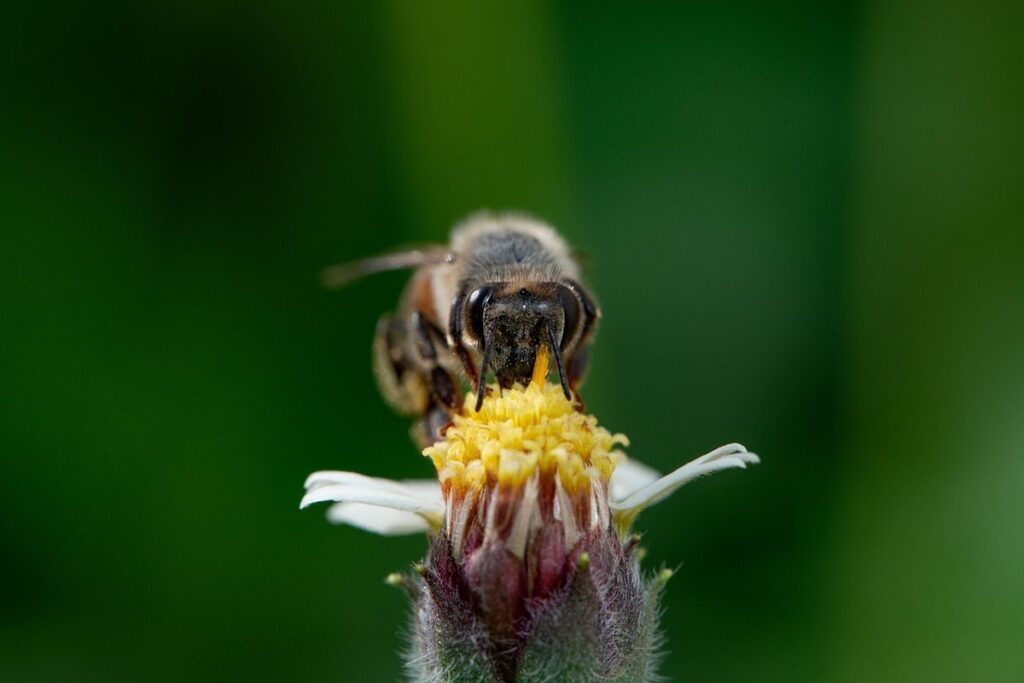
Understanding Bee Nutrition and Dietary Needs
When it comes to feeding bees, understanding their nutritional needs is essential for creating a balanced diet that supports their health and well-being. This includes knowing what nutrients they require and how to provide them in a natural way.
The Importance of Sugar for Bees
Bees need sugar for several reasons. Firstly, during times of nectar scarcity, such as during cold weather or when flowers are not in bloom, bees rely on stored sugars to sustain themselves. This is because nectar’s primary component, sucrose, breaks down into glucose and fructose, which bees store in their honey stomachs. When this reserve runs low, they turn to sugar water feeders provided by beekeepers.
In addition to supplementing their diet during shortages, sugar also plays a role in the social hierarchy of the colony. Younger bees, known as house bees, rely on stored sugars for energy while performing tasks such as brood care and hive maintenance.
Bees also use sugar to fuel their growth and development. Royal jelly, which is rich in sugars, is fed to developing queens to promote their health and fertility. As a result, beekeepers often provide sugar-rich feeders specifically designed for queen rearing.
Protein Sources for Bees
Bees require protein to build and repair their bodies, making it essential for beekeepers to provide a reliable source of protein-rich food. Pollen is an excellent natural source of protein for bees, containing all 10 amino acids they need. Bee-friendly flowers like lavender, coneflower, and black-eyed Susan are rich in pollen and nectar, providing a double dose of nutrition.
However, relying solely on nectar-rich flowers may not provide enough protein during periods of high demand or when these plants are scarce. In such cases, commercial bee feeds can supplement the bees’ diet with additional protein. These feeds typically contain a combination of sugar, proteins, and vitamins specifically formulated to meet a colony’s needs.
Some examples of commercial bee feeds include gel-based feeds, dry powdered feeds, and liquid feeds. When choosing a commercial feed, consider factors like the feed’s protein content, ingredient quality, and ease of use. It’s also essential to follow the manufacturer’s instructions for preparation and application to ensure optimal benefits for your bees.
Bee-Friendly Plants: A Guide to Nectar-Rich Flowers
Planting bee-friendly flowers is one of the simplest and most effective ways to support your local pollinators, attracting them to your garden. By choosing nectar-rich blooms, you can make a big impact on their survival.
Choosing the Right Blooms for Your Garden
When selecting plants for your garden, it’s essential to choose varieties that are rich in nectar and pollen. These two resources provide bees with the energy they need to fly, navigate, and reproduce. Look for plants that have a high nectar concentration, as this is a better indicator of their suitability than the number of flowers.
Some excellent options include lavender, coneflower, black-eyed Susan, and bee balm. These plants are all perennials, meaning they come back year after year, providing a consistent source of food for your local pollinators. Consider incorporating a mix of early-blooming flowers like crocuses and grape hyacinths to provide nectar in the spring, as well as mid-summer bloomers like sunflowers and cosmos.
When selecting plants, also think about their growth habits. For example, tall plants like sunflowers can be used as a trellis for climbing flowers like clematis or roses. This will not only add visual interest but also provide more nectar-rich blooms for bees to access. Additionally, choose plants that are native to your region, as they will require less maintenance and care, leaving you with more resources to devote to supporting your local pollinators.
Seasonal Considerations for Bee Food Sources
As you plan your bee-friendly garden, it’s essential to consider the seasonal fluctuations in nectar availability. Different seasons bring unique blooms and varying levels of nectar production. In spring, bees feast on the early-blooming flowers like crocuses, daffodils, and apple blossoms. These plants are often rich in nectar and provide a vital source of energy for honeybees as they emerge from their winter clusters.
Summer months offer an abundance of blooms, but some popular bee-friendly flowers like sunflowers and cosmos may not be as productive as others. For example, lavender is a low-maintenance option that’s rich in nectar and attracts pollinators throughout the summer. In contrast, late-summer blooms like goldenrod and asters provide a final burst of nectar before the cold winter months.
In autumn, bees focus on storing up energy reserves for the winter ahead. They’re particularly drawn to flowers with high nectar content, such as chrysanthemums and sedum. By planting a mix of these seasonal blooms in your garden, you can provide a consistent supply of food for bees throughout the year. Consider incorporating plants that bloom at different times to create a staggered nectar flow, ensuring a steady source of nutrition for your local pollinators.
Creating a Bee-Friendly Environment
To create a welcoming environment for bees, you’ll want to consider plants that provide a source of nectar and pollen throughout the growing season. Choose flowers that are native to your area and bloom at different times.
Providing Water Sources for Bees
Bees need access to clean water for drinking and cooling their bodies. A shallow dish or birdbath with fresh water is ideal, as it allows bees to easily land on the edge and drink without drowning. When creating a bee-friendly water source, avoid using deep containers or those with steep sides, as they can be intimidating for bees.
Place the water source in an area that receives partial shade, especially during hot summer months, to prevent algae growth and keep the water fresh. Change the water frequently to maintain its cleanliness. A general rule of thumb is to change the water every 2-3 days or whenever it becomes cloudy or murky.
To make your bee-friendly water source even more appealing, consider adding a few rocks or twigs near the edge. Bees often use these as landing platforms to access the water without having to hover above it. By providing a reliable and accessible water source, you can help support the health and well-being of your local pollinators.
Minimizing Pesticide Use and Other Hazards
When managing pests in your garden, it’s easy to reach for chemical pesticides. However, these can be a significant threat to bees and other beneficial pollinators. Many commercial pesticides contain neonicotinoids, which have been linked to bee colony decline and even death. To minimize exposure, consider using integrated pest management (IPM) techniques instead.
IPM involves combining physical barriers, hand-picking, and biological controls to manage pests. For example, you can use fine mesh or row covers to prevent whiteflies and aphids from reaching your plants. Hand-picking pests like slugs and snails is also effective when done regularly. Biological controls, such as introducing beneficial nematodes or ladybugs, can help control pest populations.
When using IPM methods, it’s essential to monitor your garden closely for signs of infestation. Regularly inspect your plants for damage, eggs, or actual pests. Early detection allows you to take swift action and prevent the problem from escalating.
In addition to IPM, there are also organic pesticides available that are safer for bees. Look for products containing pyrethrin or Bt (Bacillus thuringiensis), which can help control aphids and other pests without harming pollinators. Always read labels carefully and follow application instructions to minimize risks.
Feeding Bees During Droughts or Extreme Weather
When severe weather conditions strike, your bees’ food sources may dwindle, leaving them vulnerable to starvation. We’ll explore how to provide supplemental nutrition during these challenging times.
Emergency Bee Feeding Strategies
In times of drought or extreme weather, bees may struggle to find food. This is particularly concerning for beekeepers who rely on their colonies for pollination and honey production. To support their colonies during these events, beekeepers can implement emergency feeding strategies. One approach is to provide supplemental sugar water feeders. These feeders should be placed in the shade to prevent fermentation, which can harm the bees.
Another strategy is to offer protein-rich foods like pollen or bee bread. This can be purchased from a reputable supplier or made at home using a mixture of flour and pollen. It’s essential to ensure that these food sources are fresh and not contaminated with pesticides or other toxins.
When selecting a feed, choose one that is specifically designed for bees and contains the necessary nutrients they require. Some beekeepers also use homemade sugar syrup recipes, but it’s crucial to follow proper guidelines to avoid creating a breeding ground for bacteria. By taking proactive steps to support their colonies during droughts or extreme weather, beekeepers can help ensure their bees stay healthy and thrive.
Preparing Your Garden for Future Challenges
When planning for future challenges, it’s essential to think about the long-term sustainability of your garden’s bee-friendly features. This means selecting plants that are not only drought-tolerant but also able to thrive in a variety of weather conditions. Consider incorporating native flowers and shrubs that have evolved alongside local pollinators.
To maintain a consistent supply of food for bees, focus on creating layers of flowering plants with different bloom times. This will ensure that there’s always something in bloom, regardless of the season or weather pattern. For example, plant early-blooming bulbs like crocuses and daffodils, followed by perennials like coneflowers and black-eyed Susans.
When selecting plants, look for those with a deep root system, which allows them to access water deeper in the soil. This will help them survive during periods of drought. Also, choose plants that are resistant to pests and diseases, reducing the need for pesticides and other chemicals that can harm bees.
By incorporating these strategies into your garden design, you’ll be well-prepared to support local pollinators through unpredictable weather patterns.
Beekeeping Best Practices: Supplemental Feeding
When it comes to supporting your local pollinators, supplemental feeding is a crucial aspect of beekeeping that requires careful consideration and planning. We’ll explore the dos and don’ts of providing a sweet treat for your bees.
Types of Commercial Bee Feeds
Commercial bee feeds come in various forms to cater to different needs and circumstances. Honey bees, for instance, can be fed sugar syrups like 1:1 or 2:1 sugar water ratios during the winter months when nectar sources are scarce. Some commercial beekeepers also use protein supplements like pollen substitute to support colony growth. Another type of feed is bee bread, a mixture of pollen and sugar that mimics the natural diet of honey bees.
In terms of convenience and ease of use, powdered feeds are popular among beekeepers who need a quick solution for supplementing their colonies. These powders can be easily mixed with water to create a sugar syrup or used as a substitute for pollen in certain situations. It’s essential to note that some commercial bee feeds may contain added nutrients like vitamins or minerals, so beekeepers should always check the label and follow the manufacturer’s instructions.
When selecting a commercial bee feed, consider factors such as the colony’s size, age, and nutritional needs. It’s also crucial to introduce new feeds gradually to prevent digestive issues in the bees. By understanding the types of commercial bee feeds available and their benefits, beekeepers can make informed decisions about supplementing their colonies during times of need.
Tips for Using Supplemental Feeds Effectively
When using supplemental feeds, it’s essential to strike a balance between providing for your bees’ needs and avoiding overfeeding. A general rule of thumb is to offer supplementary food only when natural sources are scarce or during periods of extreme weather. This might mean feeding your colony 1-2 times per week, depending on the severity of the conditions.
To determine the correct quantity, consider the size of your colony and the amount of nectar it’s likely to consume from its own resources. A good starting point is to offer about 10 pounds (4.5 kg) of feed per hive every 7-10 days during peak demand periods. However, this can vary depending on factors like temperature, humidity, and the specific type of feed being used.
It’s also crucial to monitor your bees’ behavior and adjust feeding schedules accordingly. If you notice them ignoring or rejecting the supplement, it may be a sign that they’re not hungry or that the feed is too concentrated. Regularly inspecting your hive for signs of overfeeding – such as an excessive buildup of honey or sugar crystals – will help prevent this issue from arising in the first place.
Common Mistakes to Avoid When Feeding Bees
When feeding bees, it’s easy to make mistakes that can harm them instead of helping. Common pitfalls include using old or contaminated food sources and failing to provide adequate water.
Understanding Bee Health Indicators
Bee health indicators can signal when your bees are struggling, prompting you to intervene and provide supplemental feeding. Look for changes in colony behavior, such as reduced activity around the hive entrance or decreased communication between worker bees. Monitor population size: a decline in bee numbers may indicate disease, pests, or nutritional deficiencies.
Check for physical signs of distress, like deformed wings, discolored bodies, or excessive brood mortality. These can be indicative of parasites, fungal infections, or poor nutrition. Also, inspect the hive for signs of pests, such as small holes in comb or a sticky substance on the surfaces.
Keep an eye out for changes in nectar and pollen storage: if these stores are consistently low, it may indicate that your bees are not able to gather enough food from natural sources. Finally, monitor sugar levels in the hive; a sudden drop can signal that your bees need extra sustenance.
The Risks of Over-Reliance on Supplemental Feeding
Over-reliance on supplemental feeding can lead to a decline in your colony’s ability to forage effectively. When bees are consistently fed sugar or other nutrients, they may become dependent on these sources and lose their natural inclination to gather nectar and pollen from flowers.
This can have long-term consequences, including reduced resistance to disease and pests. A weak foraging instinct also means that the colony will struggle to adapt to changing environmental conditions, such as shifts in local plant populations or unexpected weather patterns.
To maintain a healthy balance, it’s essential to introduce supplemental feeding only when necessary, rather than making it a regular practice. Monitor your colony’s health indicators and adjust your feeding strategy accordingly. Typically, a well-established colony should be able to gather enough nectar and pollen from natural sources to meet its nutritional needs.
If you do need to use supplemental feeds, consider the following:
Frequently Asked Questions
How often should I replace the sugar water in my bee feeder?
Replacing the sugar water in your bee feeder every 1-2 weeks is recommended to prevent fermentation and mold growth. This frequency may vary depending on weather conditions, such as high temperatures or humidity. Monitor your bees’ behavior and adjust accordingly.
What if I live in an area with frequent droughts? Should I always have a supplemental feeding plan in place?
While it’s essential to have a contingency plan for extreme weather conditions, not all areas experience prolonged droughts. Assess your local climate and bee population needs before investing in supplemental feeds. Consider alternative strategies, such as creating bee-friendly habitats or implementing water conservation measures.
Can bees get too much of a good thing when it comes to protein sources?
Yes. Bees can over-rely on high-protein foods like commercial bee feeds, leading to an imbalance in their diet. Monitor your colony’s health and adjust their nutrition accordingly. A balanced diet should include a mix of nectar-rich flowers, pollen, and other protein sources.
How do I know if my bees are getting enough water from the birdbath or shallow dish?
Observe your bees’ behavior around water sources during hot or dry periods. If they seem to be struggling to find or access water, consider providing additional sources or ensuring existing ones remain clean and accessible.

