If you’re considering adding goats to your farm or homestead, one of the first decisions you’ll need to make is which breed to choose. With over 300 recognized breeds worldwide, selecting the right goat for your needs can be a daunting task. Popular meat and dairy breeds like the Boer, Nubian, and LaMancha offer distinct advantages in terms of production, but they also have unique care and management requirements that must be taken into account.
In this article, we’ll explore the characteristics and traits of various popular goat breeds to help you make an informed decision. We’ll cover the pros and cons of raising meat and dairy goats, as well as provide expert tips on caring for your new additions. By the time you finish reading, you’ll have a solid understanding of which breed is right for you and be able to successfully integrate them into your farm or homestead operation.
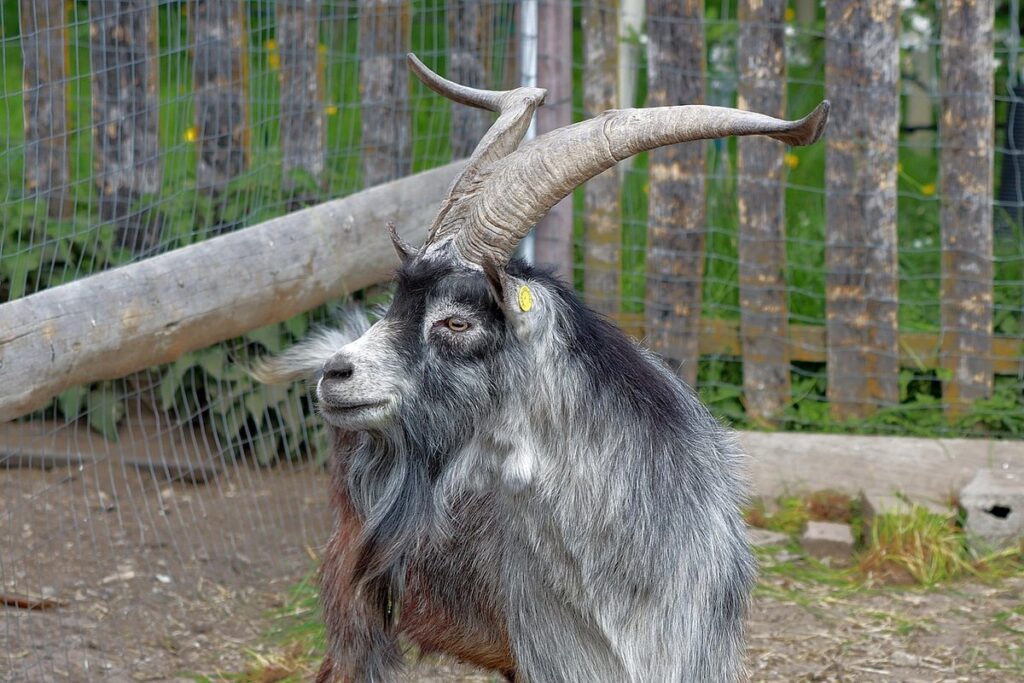
Understanding Goat Breeds
With over 1000 recognized goat breeds worldwide, it can be overwhelming to decide which one is right for you. Let’s start by breaking down the main categories of goat breeds.
Overview of Goat Classification Systems
Goats are classified into breeds using various systems worldwide. The most widely used classification system is the American Goat Society’s (AGS) breed registry, which groups goats based on their ancestry and physical characteristics. Another prominent system is the International Association for Animal Protection’s (IAAP) breed classification, which categorizes goats according to their origin, purpose, and genetic makeup.
The AGS system recognizes over 30 distinct goat breeds, each with its unique features and characteristics. For instance, meat-producing breeds like the Boer and Kiko are bred for their fast growth rate and high lean meat percentage, while dairy breeds like the Nubian and LaMancha are prized for their rich milk production.
Some countries use a breed classification system that combines genetic and phenotypic traits. In the United Kingdom, for example, the British Goat Society uses a system that categorizes goats as either “purebred” or “hybrid,” depending on their ancestry. Understanding these different classification systems is essential for goat owners and breeders who want to choose the right breed for their specific needs and purposes.
A key consideration when selecting a breed is its adaptability to local climate and management conditions. Goat breeds can be broadly categorized into three groups: temperate, tropical, and subtropical.
Characteristics of Different Breed Types
Goats come in a wide range of sizes, from the tiny Nigerian Dwarf and Pygmy breeds to the larger Boer and Kiko. While size can be an important consideration for certain purposes – such as meat production or show animals – it’s not always the most critical factor.
Coat type is another significant characteristic that distinguishes different breed types. Some goats have a smooth, glossy coat, while others are rougher or more wiry. The Nubian and LaMancha breeds, for example, typically have a distinctive “Roman nose” and short ears, along with a relatively smooth coat.
Horn shape is also an important consideration. Some breeds – such as the Boer and Kiko – are naturally horned, while others – like the Nigerian Dwarf and Pygmy – are often disbudded or dehorned at birth to prevent injury. In some cases, breeders may deliberately breed for specific horn shapes or types.
In addition to size, coat type, and horn shape, other characteristics can also be important in choosing a breed. These include temperament, fertility, and resistance to disease – all of which can impact the overall health and productivity of your goat herd.
Purpose-Bred Goats vs. Heritage Goats
Purpose-bred goats and heritage goats are two distinct categories within the goat breed spectrum. Purpose-bred goats are specifically raised for particular purposes, such as meat or dairy production. These breeds are often developed to excel in specific traits like rapid growth rate, high milk yield, or robust health. For instance, Boer goats are a popular choice for their accelerated growth and lean meat quality.
On the other hand, heritage goats are preserved for their unique characteristics and historical significance. They may not necessarily excel in one particular trait but retain their original features that make them valuable to breeders and owners who prioritize preservation over commercial use. Nigerian Dwarf goats, with their compact size and distinctive coat patterns, are a prime example of a heritage breed.
Understanding the distinction between purpose-bred and heritage goats is essential when selecting a breed for your needs. If you’re focused on maximizing production or efficiency, purpose-bred goats might be the better fit. However, if you value genetic diversity, preservation of unique characteristics, or want to maintain a distinct breed profile, heritage goats could be the way to go.
Popular Meat Goat Breeds
If you’re looking for a meat goat breed that’s perfect for your homestead, several popular options offer desirable traits such as hardiness and fast growth rates.
Kiko Goats: A Hardy and Productive Choice
Kiko goats originated from New Zealand and have since become a popular choice for small-scale farmers due to their hardiness and high fertility. They are known for their ability to thrive in harsh environments with minimal care, making them an excellent option for those who want a low-maintenance meat goat breed.
One of the standout characteristics of Kiko goats is their impressive growth rate. They can reach market weight in just 6-8 months, which is significantly faster than many other breeds. This rapid growth means that farmers can expect to see a return on investment sooner, making them an attractive choice for those who want to get into goat meat production.
In terms of temperament, Kiko goats are generally friendly and easy-going, making them suitable for small-scale farms where they will be handled regularly. However, like any breed, they do require proper care and handling from an early age to ensure they develop good behavior.
When choosing a Kiko goat, look for those with a strong immune system and good parasite resistance. This will help minimize the risk of disease and illness, which can be costly and time-consuming to manage.
Boer Goats: Known for Their Fast Growth Rate
Boer goats are renowned for their exceptional growth rate, which is a significant factor contributing to their popularity among farmers. These South African natives have been bred specifically for their meat production capabilities and have proven themselves to be highly efficient in this regard. On average, Boer kids can reach market weight in just 6-7 months, making them an attractive choice for producers looking to maximize profits.
One of the key reasons behind Boer goats’ rapid growth rate is their high-quality diet. They require a balanced mix of nutrients to thrive, and farmers often supplement their feed with high-energy pellets to support muscle growth and development. Additionally, Boer goats are known for their hardiness and adaptability, which allows them to perform well in various environmental conditions.
When selecting Boer goats for your farm or homestead, it’s essential to look for individuals that exhibit good conformation, muscling, and a strong genetic profile. This will help ensure that your animals grow at an optimal rate and produce high-quality meat. By incorporating Boer goats into your breeding program, you can take advantage of their exceptional growth rate and enjoy the benefits of increased productivity and profitability.
Spanish Goat Breeds: A Versatile Option
Spanish goat breeds are a versatile option for farmers and homesteaders due to their adaptability to different climates and management systems. One notable example is the Murciano-Granadina breed, which excels in hot and dry environments. These goats have a unique characteristic of being able to thrive on poor-quality forage, making them ideal for areas with limited grazing options.
Their ability to adapt also extends to management systems, as they can be easily integrated into existing farms or homesteads. For instance, Murciano-Granadinas are known to perform well in rotational grazing systems and can even tolerate some level of confinement. This flexibility makes them a great option for farmers who want to experiment with different production methods.
In terms of meat quality, Spanish goat breeds like the Murciano-Granadina offer a tender and flavorful product that is highly prized by consumers. When selecting a Spanish breed, consider factors such as climate tolerance, management needs, and desired end-product quality. By choosing a breed that fits your specific situation, you can ensure a successful and sustainable goat-keeping operation.
Dairy Goat Breeds
There are over 300 recognized dairy goat breeds worldwide, each with its unique characteristics, strengths, and weaknesses. Let’s explore some of the most popular dairy goat breeds you might consider for your farm or homestead.
Nubian Goats: Known for Their Rich Milk Production
Nubian goats are a popular dairy breed known for their exceptional milk production. They can produce an average of 1-2 gallons of milk per day, making them an ideal choice for small-scale dairy farms or homesteads looking to produce high-quality milk for cheese-making, butter-churning, and other dairy products. Their rich milk is also often used in soap-making and lotion recipes due to its high fat content.
One of the key advantages of Nubian goats is their friendly temperament. They are known to be docile, gentle, and easy to handle, making them a great choice for first-time goat owners or those with limited experience handling livestock. This amiable nature also makes them an excellent addition to family farms or homesteads where children can learn about animal care.
In terms of physical characteristics, Nubian goats are easily recognizable due to their short, sleek coats and distinctive Roman-nose profile. They come in a variety of colors, including fawn, brown, and black, making them a visually appealing addition to any farm or homestead. With proper care and management, Nubian goats can thrive and provide years of rich milk production.
LaMancha Goats: A Popular Choice for Small-Scale Dairy Farms
LaMancha goats are a popular choice for small-scale dairy farms due to their unique characteristics and rich milk production. One of the most distinctive features of LaMancha goats is their lack of external ears, which can make them appear quite endearing. However, this physical trait also means they have less surface area exposed to heat stress, making them better suited to hot climates.
LaManchas are known for producing a high volume of milk with an average fat content of 3-4%. This makes them an excellent choice for small-scale dairy operations where every liter counts. Their rich milk is often used to make cheese and butter, and their friendly nature makes them a pleasure to work with.
When it comes to management, LaManchas are relatively low maintenance. They are hardy and adaptable, thriving on a variety of pasture types and requiring minimal specialized care. This ease of management makes them an ideal choice for small-scale dairy farmers who want a reliable and efficient milk supply. Overall, the unique combination of physical characteristics, rich milk production, and easy management make LaManchas a popular choice among dairy goat breeders.
Oberhasli Goats: A Swiss Breed with a Rich History
The Oberhasli breed hails from Switzerland, where it has been prized for centuries for its rich milk production. This Swiss dairy goat is a hardy and versatile animal, well-suited to life on small-scale farms and homesteads. With their distinctive brown coats featuring white markings on the face and legs, Oberhaslis are an attractive addition to any dairy operation.
One of the key attractions of the Oberhasli breed is its high-quality milk. Rich in fat and protein, Oberhasli milk is ideal for cheese-making and other artisanal dairy products. Dairy farmers appreciate the breed’s ability to produce a steady supply of milk throughout the year, making it an excellent choice for those looking to establish a reliable dairy operation.
In recent years, Oberhaslis have gained popularity among small-scale dairy farmers due to their ease of handling and relatively low maintenance requirements. Their calm temperament makes them an excellent choice for families or individuals new to goat ownership, while their hardiness allows them to thrive in a variety of climates and living conditions.
Heritage Goat Breeds
For those interested in a more rustic, traditional goat-keeping experience, heritage breeds offer a unique combination of hardiness and charm. Let’s take a closer look at some of these fascinating varieties.
Nigerian Dwarf Goats: Preserving Their Unique Characteristics
Nigerian Dwarf Goats are a treasured heritage breed prized for their diminutive size, rich milk production, and distinctive characteristics. One of the primary reasons to preserve these unique goats is to safeguard their genetic diversity. With fewer than 10,000 registered Nigerian Dwarfs worldwide, inbreeding is a significant concern. To mitigate this risk, responsible breeders prioritize outcrossing with other purebred individuals or carefully selected crossbreds.
Another crucial aspect of preserving Nigerian Dwarf characteristics lies in maintaining their traditional temperament and conformation. These goats are known for their friendly, outgoing nature and sturdy build, making them well-suited to small-scale dairy farms and homesteads. Breeders should focus on selecting individuals that embody these desirable traits while also promoting a healthy and robust gene pool.
To preserve Nigerian Dwarf characteristics, breeders can follow several key guidelines: choose animals with proven heritage lineage; prioritize selection based on temperament and conformation over productivity alone; and maintain accurate breeding records to track genetic diversity. By taking these steps, you can help ensure the long-term sustainability of this beloved breed.
Pygmy Goats: A Delightful Addition to Any Farm or Homestead
Pygmy goats are a delightful addition to any farm or homestead due to their friendly nature and hardiness. These small but mighty animals have been prized for centuries for their gentle disposition, intelligence, and adaptability. They are often described as “big personalities in small packages,” making them an excellent choice for families with children or for those who want a low-maintenance pet.
One of the key advantages of Pygmy goats is their ability to thrive in a variety of environments. They require minimal space and can live comfortably on small plots of land, making them ideal for homesteads or farms with limited acreage. Their hardiness also means they are less prone to illness and disease, which reduces the need for veterinary care.
In terms of management, Pygmy goats are relatively easy to care for. They are browsers rather than grazers, so they require a diet rich in hay and browse. With proper care and attention, they can live up to 12-15 years or more, providing companionship and entertainment for many years. Overall, Pygmy goats make an excellent addition to any farm or homestead due to their unique combination of charm, hardiness, and versatility.
Goat Care and Management
To care for your goat properly, you’ll need to consider its living space, nutrition, health checks, and regular vaccinations. Proper management is crucial for a happy and healthy goat.
Nutrition and Feeding Strategies for Healthy Goats
When it comes to goat nutrition, a well-planned feeding strategy is crucial for maintaining overall health and preventing common issues like obesity, digestive problems, and nutrient deficiencies. Goats are ruminants, meaning they have a four-chambered stomach designed specifically for breaking down plant-based foods.
A balanced diet should consist of high-quality hay or pasture, supplemented with grains and minerals as needed. The quality of hay is more important than its quantity – aim to provide fresh hay daily, and avoid moldy or spoiled hay that can lead to digestive issues. In terms of supplements, a small amount of calcium and phosphorus is essential for maintaining strong bones and teeth.
Here are some key considerations when selecting supplements:
- Calcium: Ensure adequate levels in the diet, especially for pregnant and lactating does.
- Phosphorus: Balance with calcium to maintain optimal bone health.
- Vitamin E: Supports immune function and overall health.
- Salt: Provide access to a free-choice salt block or mineral supplement.
Remember that individual goats have unique nutritional needs based on factors like age, breed, and productivity level. Consult with a veterinarian or experienced goat breeder to determine the best feeding strategy for your specific herd.
Health Considerations for Goat Owners
Goats are susceptible to a range of health issues, from parasites and respiratory problems to gastrointestinal disorders. Regular deworming is essential, as internal parasites can cause anemia, weight loss, and even death if left unchecked. External parasites like ticks and lice can also transfer diseases like anaplasmosis and babesiosis.
Respiratory problems are another common concern, particularly in areas with high humidity or dust levels. Regular vaccinations against respiratory pathogens like Pasteurella and Mannheimia are crucial to maintaining your goats’ overall health. You should also ensure good ventilation in their living quarters, using techniques such as installing fans or opening windows to improve airflow.
Gastrointestinal issues can arise from poor nutrition, contamination of feed, or the presence of internal parasites. Monitor your goats’ appetite, fecal quality, and stool consistency closely, taking prompt action if you notice any unusual signs. Consult with a veterinarian experienced in goat care to determine the best feeding strategies for your herd.
Some common signs of illness include lethargy, loss of appetite, and changes in behavior or demeanor. If you suspect any health issues, seek professional advice immediately to prevent further complications.
Conclusion
Choosing the right goat breed is a crucial decision for any farmer or owner. After reviewing various characteristics and needs, it’s essential to narrow down your options based on specific criteria such as climate, feed availability, and intended use of the goats. Some breeds thrive in hot climates while others prefer cooler temperatures. Similarly, certain breeds are well-suited for milk production while others excel at meat production.
Practical considerations also come into play when selecting a breed. For example, some breeds have a reputation for being more aggressive or difficult to handle, which may be a concern for inexperienced owners. Additionally, the size and weight of the breed should be taken into account to ensure that your farm’s infrastructure can accommodate them comfortably. Ultimately, choosing the right breed requires careful consideration of these factors to ensure a successful and fulfilling experience with your goats.
Frequently Asked Questions
What if I’m new to goat farming and want to start with just one or two goats?
Yes, it’s perfectly fine to start small. Many farmers begin with a few goats and gradually expand their herd as they gain experience and confidence. Starting with a manageable number will also allow you to develop the necessary skills and infrastructure before scaling up.
How do I know which breed is best for my specific climate and management system?
To determine the ideal breed for your farm or homestead, consider factors such as temperature tolerance, humidity levels, and available space. For example, if you live in a hot and humid region, a hardy breed like the Kiko might be suitable. If you have limited space, a compact breed like the Nigerian Dwarf could be an excellent choice.
Can I raise goats for both meat and dairy production on the same farm?
Yes, it’s possible to raise goats for multiple purposes, but it requires careful planning and management. To do this successfully, ensure that your facilities and resources are adaptable to meet the needs of both types of goats. For instance, you may need separate areas for breeding, raising, and milking, as well as different feeding strategies.
What if I’m not sure about the nutritional needs of my specific breed of goat?
To ensure the optimal nutrition for your goats, consult with a veterinarian or a qualified animal nutritionist who has experience with goat breeds similar to yours. They can help you create a customized feeding plan that addresses the unique requirements of your animals.
How do I handle the potential health issues associated with raising goats, such as parasites and respiratory problems?
To minimize the risk of common health issues in goats, maintain strict sanitation and hygiene practices on your farm or homestead. Regularly inspect your animals for signs of illness or stress, and consult with a veterinarian if you notice any unusual symptoms. Implementing preventative measures such as deworming programs and providing access to clean water and nutritious food can also help keep your goats healthy.