
Calculating the right amount of alfalfa seeds to plant per acre can be a daunting task, especially for small-scale farmers or those new to livestock production. Alfalfa is one of the most widely used hay crops in the world, providing essential nutrients for cattle and other animals, but its success relies heavily on proper seed placement. If you’re not using enough alfalfa seeds per acre, germination rates may suffer, resulting in lower yields and reduced feed quality. Conversely, planting too many seeds can lead to overcrowding, stunted growth, and wasted resources. In this article, we’ll explore the intricacies of determining optimal alfalfa seed requirements per acre, including considerations for soil type, climate, and intended use. By the end of it, you’ll be able to accurately calculate your alfalfa seed needs, ensuring a healthy and productive crop that meets the nutritional demands of your livestock.
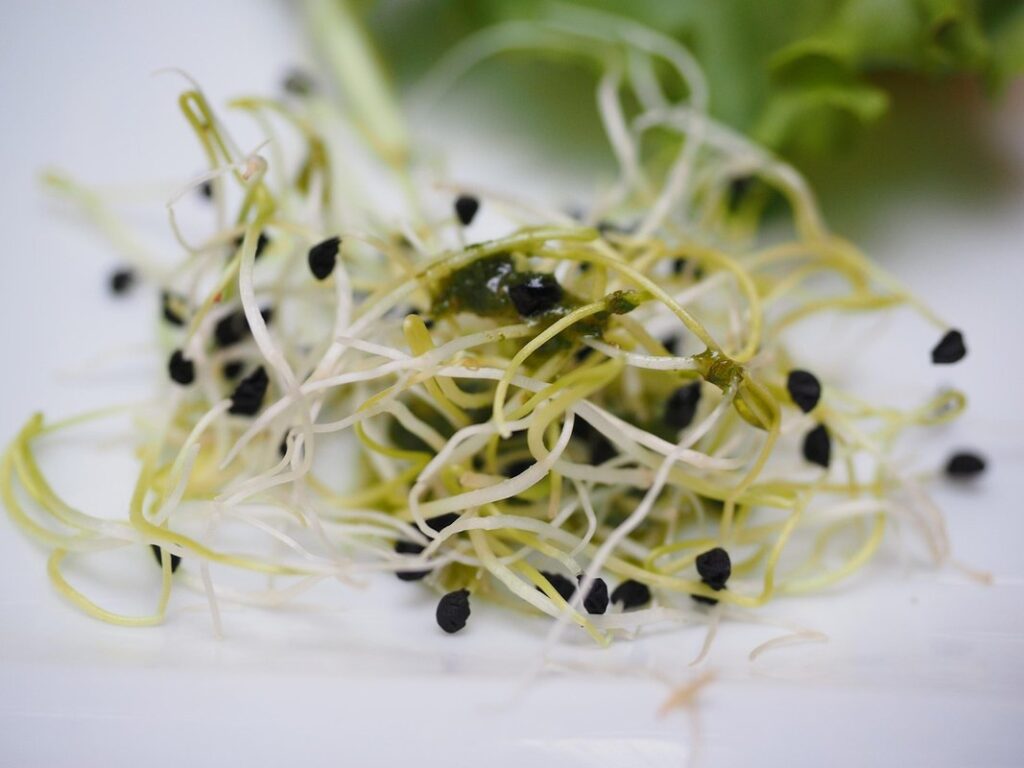
Understanding Alfalfa Basics
To grow a healthy alfalfa crop, it’s essential to understand the basics of this versatile legume, including its characteristics and growth habits. Let’s start by examining these key factors up close.
What is Alfalfa?
A legume crop by nature, alfalfa is a versatile and nutritious plant that plays a crucial role in animal feed. Its high nutritional value makes it an essential ingredient in many livestock diets, particularly for cattle and horses. The legume’s rich profile includes protein, fiber, and minerals such as calcium and phosphorus, which are vital for optimal health.
Alfalfa is often grown specifically to be harvested as hay or silage, providing a valuable source of nutrients during periods when other feed options may be scarce. For example, alfalfa hay can help supplement the diets of lactating dairy cows, supporting milk production and overall animal well-being. In addition to its use in animal feed, alfalfa is also valued for its environmental benefits, such as soil conservation through nitrogen fixation.
The crop’s adaptability to various climates and soils has made it a popular choice among farmers worldwide. With proper care and management, alfalfa can thrive even in challenging conditions, making it an attractive option for those looking to establish a resilient and productive farm or ranch operation.
Benefits of Growing Alfalfa
Growing alfalfa offers numerous benefits for farmers and agricultural landowners. One of its most significant advantages is its high protein content, making it an excellent crop choice for livestock feed. Alfalfa contains up to 18% protein by dry weight, which is significantly higher than other common hay crops.
Alfalfa’s drought tolerance is another important benefit. This legume can survive with minimal watering due to its deep root system, allowing farmers to plant alfalfa in areas where water scarcity may be a concern. Additionally, alfalfa’s adaptability to various soil types enables it to thrive on land that might not support other crops.
Alfalfa also serves as a valuable rotation crop, helping to improve soil health by fixing nitrogen and reducing erosion. Its extensive root system brings up nutrients from deep in the soil, making them available for subsequent crops. This benefit is particularly important for maintaining soil fertility and reducing the need for synthetic fertilizers.
Determining Alfalfa Seed Requirements
To determine alfalfa seed requirements, you’ll need to consider factors such as soil type, climate, and intended use of the crop. Let’s break down these key considerations together.
Calculating Alfalfa Seed Per Acre
When calculating alfalfa seed per acre, you need to consider several factors to ensure accurate seeding rates. The quality of the seed is a crucial factor, as high-quality seeds will germinate more uniformly and efficiently. Typically, high-quality seeds will have a higher germination rate than lower-quality seeds.
Soil type also plays a significant role in determining the required alfalfa seed quantity per acre. Alfalfa grows best in well-draining soils with a pH between 6.0 and 7.0. If your soil is heavy clay or has poor drainage, you may need to adjust your seeding rate accordingly.
Climate is another critical factor to consider. In regions with high temperatures and low rainfall, alfalfa seedlings may require more frequent watering and closer spacing to prevent scorching. Conversely, in cooler climates with ample moisture, you can space seeds farther apart to allow for optimal growth.
To give you a better idea of the factors at play, here are some general guidelines:
- High-quality seeds: 10-15% higher seeding rate
- Poor soil drainage or heavy clay: 5-10% lower seeding rate
- Hot and dry climates: 5-10% higher seeding rate
Factors Influencing Seed Quantity
When determining alfalfa seed requirements per acre, several key factors influence the quantity of seed needed. Seed rate is a critical consideration, as it directly impacts the number of plants established per acre. A general rule of thumb is to use 10-15 pounds of seed per acre for first-year stands and 5-7 pounds per acre for subsequent years. However, this can vary depending on factors such as soil quality, climate, and desired stand density.
Germination percentage is another important factor that affects the quantity of seed needed. Alfalfa seeds typically have a high germination rate, ranging from 80% to over 90%. However, if your seed lot has a lower germination rate, you may need to adjust the seeding rate accordingly. For example, if the germination rate is 70%, you may need to increase the seeding rate by 10-15% to compensate for the reduced number of viable seeds.
Stand density also plays a significant role in determining the quantity of seed needed per acre. A stand density of around 100,000 plants per acre is generally considered optimal for alfalfa production. However, this can vary depending on factors such as market demand and intended use (e.g., hay or silage).
Choosing the Right Alfalfa Variety
When selecting a new alfalfa variety for your fields, you’ll want to consider factors such as climate tolerance, yield potential, and disease resistance. This helps ensure optimal growth and profitability.
Understanding Alfalfa Types
There are several main types of alfalfa varieties, each with its unique characteristics and growth habits. One popular variety is the ‘Larry’ type, which grows relatively short at around 24-30 inches tall and has a moderate yield potential. Another common variety is the ‘Vernal’ type, known for its high-quality hay production but requiring more moisture to thrive.
The ‘Milo’ type of alfalfa stands out due to its exceptional cold tolerance, making it suitable for regions with harsh winters. Meanwhile, the ‘Rose-glo’ and ‘Pacifica’ types excel in warmer climates with mild winters. These varieties typically grow taller at around 30-36 inches tall but require more fertilization.
When selecting an alfalfa variety, consider your specific climate and soil conditions. For example, if you live in a dry region, choose a drought-tolerant variety like ‘Milo’. If you have poor soil quality, opt for a variety with improved root depth like ‘Pacifica’. By understanding the growth habits and requirements of different alfalfa types, you can make informed decisions about which variety is best suited for your needs.
Selecting the Best Variety for Your Needs
When selecting an alfalfa variety, regional climate and soil conditions play a significant role. Alfalfa grown in areas with hot summers and cold winters requires more drought tolerance than varieties grown in milder climates. For instance, the ‘Alfagraze’ variety excels in dryland production, whereas ‘WL 821’ is better suited for areas with ample moisture.
Soil type also influences alfalfa performance. Varieties like ‘Curtis’ and ‘Ranger’ perform well on clay soils, while ‘Ladak’ and ‘Wimmille’ are more tolerant of sandy conditions. Intended use is another crucial factor. Alfalfa varieties destined for hay production prioritize yield and fiber quality over other traits, whereas those intended for silage focus on high moisture content and rapid growth.
To make an informed choice, consider your specific needs and circumstances. If you’re looking to produce hay, prioritize yield and fiber quality. For silage production, focus on moisture retention and rapid growth. Be aware that some varieties are bred specifically for their ability to thrive in certain conditions or for their disease resistance. Research the strengths and weaknesses of various alfalfa varieties to ensure you select one that aligns with your farm’s unique requirements.
Alfalfa Seed Application Methods
When planting alfalfa seeds, you have several application methods at your disposal, each with its own set of advantages and considerations to keep in mind. We’ll break down these different approaches for a more informed seeding process.
Drilling vs. Broadcasting
When it comes to sowing alfalfa seed, farmers often have two main methods at their disposal: drilling and broadcasting. Drilling involves using a drill or planter to precisely place individual seeds into the soil at a consistent depth and spacing. This method allows for greater control over seed placement and can reduce waste by minimizing gaps between rows.
Broadcasting, on the other hand, involves scattering the seed evenly across the field using an applicator or spreader. While this method is often faster and more cost-effective, it can result in uneven coverage and increased seed loss due to wind or erosion.
Drilling tends to be a better option for smaller fields or those with complex topography, as it allows for more precise control over seed placement. Broadcasting, however, may be more suitable for larger fields where the increased speed and efficiency outweigh the potential drawbacks.
When choosing between these methods, consider your specific field conditions and equipment capabilities. Drilling typically requires specialized machinery, while broadcasting can often be done using existing farm equipment.
Other Application Considerations
When applying alfalfa seed, you’ll want to consider other important factors beyond just the type of equipment used. Soil moisture is a critical consideration – alfalfa seeds won’t germinate if the soil is too dry or waterlogged. Aim for a moist but not saturated condition. You can check soil moisture by inserting your finger into the soil up to the first knuckle; if it feels damp, it’s ready for seeding.
pH levels also play a crucial role in alfalfa seed application. Alfalfa prefers slightly acidic to neutral soils with a pH between 6.0 and 7.0. If your soil is too alkaline or acidic, it can impact seed germination and growth. Consider getting a soil test to determine your soil’s pH level.
Weed control measures are another essential consideration. Alfalfa seeds can be vulnerable to competition from weeds, which can reduce yields and decrease crop quality. Use a pre-emergent herbicide application before seeding to prevent weed growth. You can also use physical barriers or mulch to suppress weeds and retain moisture in the soil.
Ensuring Optimal Germination and Growth
To achieve maximum yields, it’s crucial that your alfalfa seeds germinate and grow optimally, which relies on several key factors that we’ll explore next. Let’s examine the essential considerations for successful germination and growth.
Soil Preparation and Conditioning
Proper soil preparation and conditioning are crucial for optimal alfalfa germination and growth. Alfalfa seeds require a well-draining, fertile soil with a pH between 6.0 and 7.5 to thrive. To improve soil fertility, test the soil’s nutrient levels and adjust accordingly. Add organic matter like compost or manure to increase nitrogen availability, which is essential for alfalfa’s high growth rate.
Improve soil structure by incorporating perlite or vermiculite to enhance drainage and aeration. These amendments also help break up compacted soil, reducing erosion and promoting healthy root development. For example, mixing 1-2 inches of compost into the top 6-8 inches of soil can significantly boost fertility without overloading the soil.
Maintain optimal soil moisture by avoiding excessive waterlogging or drought conditions. Alfalfa seeds are sensitive to flooding, which can lead to seed rot and poor germination rates. Aim for a consistent moisture level, typically around 1-2 inches per week, depending on climate and soil type. By prioritizing soil preparation and conditioning, you’ll create an environment conducive to healthy alfalfa growth and maximize the potential yield from your alfalfa seed application.
Post-Application Care and Maintenance
After alfalfa seeds have germinated and begun growing, it’s crucial to provide optimal care and maintenance. Irrigation management plays a vital role, as alfalfa requires consistent moisture levels, especially during its establishment phase. Typically, this means applying about 1-2 inches of water per week through rainfall or irrigation. However, be cautious not to overwater, as excessive moisture can lead to root rot and other issues.
To control pests and diseases, implement integrated pest management (IPM) strategies that combine physical, cultural, and chemical controls. Monitor your field regularly for signs of infestation or disease, such as aphids, whiteflies, or powdery mildew. When necessary, use targeted pesticides or fungicides according to label instructions.
Nutrient application is also essential during the growth phase. Alfalfa has high nitrogen requirements, so consider applying a starter fertilizer (typically 10-20-10 N-P-K) at planting time and follow-up with additional nitrogen applications as needed based on soil tests and crop monitoring.
Common Challenges and Solutions
Farmers often face unexpected obstacles when planting alfalfa seed per acre, and knowing how to troubleshoot common issues is crucial for success. This section addresses some of these challenges and practical solutions to overcome them effectively.
Identifying Alfalfa Seed Quality Issues
When inspecting alfalfa seed quality, it’s essential to look for issues that can impact germination rates and stand establishment. One common problem is low germination rates due to poor storage conditions or old seeds. Check the seed packet for a dated germination test; if it’s more than a year old, consider purchasing fresh seed.
Visible signs of damage on individual seeds, such as cracks or broken coats, can also indicate lower quality. Examine seeds closely, and avoid any that appear discolored, moldy, or otherwise compromised.
Another issue is poor stand establishment due to excessive moisture or inadequate soil preparation. Check the seed label for specific instructions on minimum temperature requirements; planting too early in cold soils can lead to reduced germination rates.
When evaluating alfalfa seed quality, consider factors like seed size and uniformity. Larger seeds tend to have better germination rates than smaller ones, so choose a variety with consistent seed sizes whenever possible.
To ensure optimal germination rates, select seeds that are specifically labeled as “fresh” or “high-germination.” This can make a significant difference in stand establishment and overall crop yield.
Overcoming Common Alfalfa Growth Challenges
Nutrient deficiencies can significantly impact alfalfa growth and yield. To address these issues, farmers should conduct regular soil tests to identify nutrient gaps. This will allow them to make informed decisions about fertilizer applications. For example, applying phosphorus-rich fertilizers can help correct phosphorus deficiencies, which are common in alfalfa crops.
Pests and diseases can also hinder alfalfa growth. Integrated pest management (IPM) strategies that combine physical, cultural, and chemical controls can be effective in managing infestations. For instance, using crop rotation to break disease cycles and introducing beneficial insects to control pests can help reduce the need for chemical pesticides.
Diseases such as powdery mildew and crown rot are common threats to alfalfa crops. To prevent these issues, farmers should maintain good sanitation practices, including proper disposal of infected plant material and strict hygiene in equipment handling. Regular monitoring of plants for early signs of disease can also help prevent outbreaks from getting out of control.
Additionally, using resistant varieties and implementing crop rotation schedules can help minimize the risk of disease and pest problems.
Frequently Asked Questions
Can I use alfalfa seed from last year’s harvest for this season’s planting?
Yes, it is possible to reuse alfalfa seed from the previous year’s harvest, but its viability and germination rate may have decreased. It’s essential to test the seed’s quality before planting to ensure optimal results.
What if my soil pH is too high or too low for optimal alfalfa growth? Can I still use the recommended seed quantity?
Yes, you can adjust the recommended seed quantity based on your specific soil conditions. However, it’s crucial to identify and address any underlying issues affecting your soil’s pH levels, as this can impact alfalfa germination and growth.
How do I know if my alfalfa stand is overcrowded or underpopulated? What are the signs?
Signs of an overcrowded alfalfa stand include reduced yields, increased susceptibility to pests and diseases, and decreased drought tolerance. Conversely, a sparse stand may indicate inadequate seed application or poor soil conditions. Monitor your field’s growth patterns and adjust your management strategies accordingly.
Can I use a combination of drilling and broadcasting methods for sowing alfalfa seed? Are there any benefits to this approach?
Yes, combining drilling and broadcasting can be an effective strategy for achieving uniform seed distribution and optimal stand establishment. This method allows you to address specific areas of the field that may require additional seed application or have unique soil conditions.
What if I’ve already applied the recommended amount of alfalfa seed per acre but still encounter low germination rates? Are there any potential causes?
Low germination rates can be caused by factors such as inadequate soil preparation, poor seed quality, or insufficient moisture during the critical germination period. Investigate these potential causes and adjust your management practices to optimize future planting success.
