
Butterflies are some of the most beautiful and fascinating creatures in nature, and creating a garden that attracts them can be a wonderful way to bring life and color into your outdoor space. However, many annual flowers that attract butterflies are often overlooked in favor of more traditional perennials or shrubs. This is surprising, given the important role these flowers play in supporting the butterfly’s life cycle, from nectar sources for adult butterflies to host plants for caterpillars.
If you’re looking to create a butterfly-friendly garden using annual flowers, this guide will walk you through some popular options and provide tips on how to plant and maintain them.
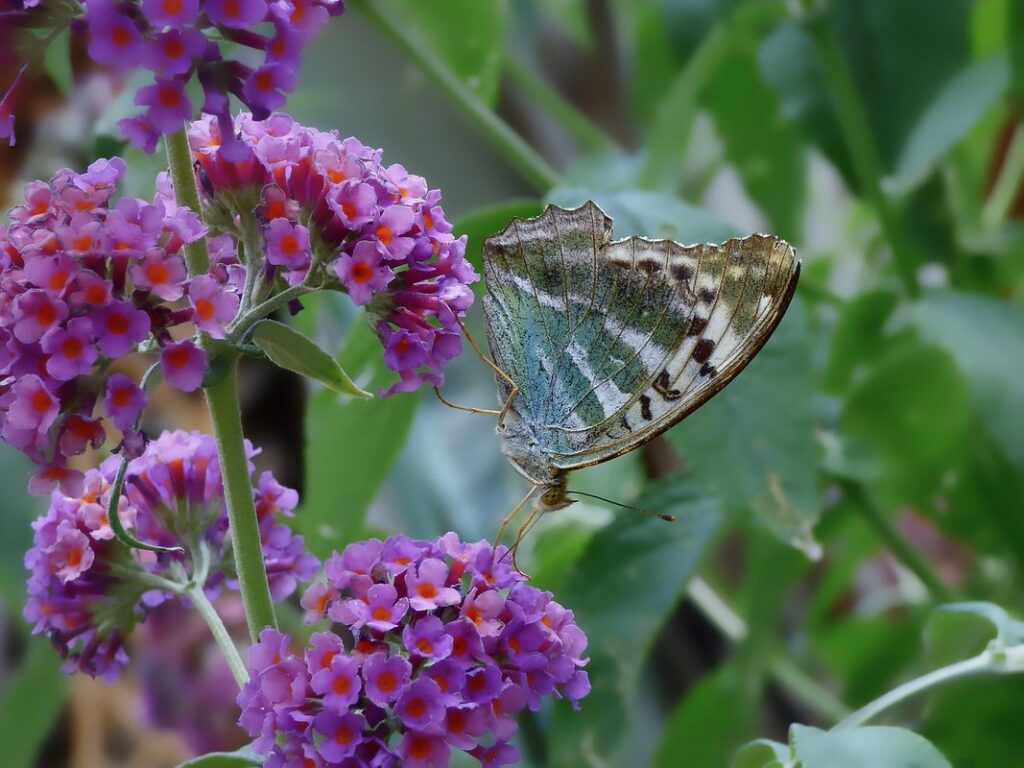
Choosing the Right Annual Flowers
When selecting annual flowers for a butterfly-friendly garden, it’s essential to choose varieties that are rich in nectar and attract these beautiful creatures. Consider a mix of colors and bloom times to ensure a constant butterfly buffet.
Benefits of Using Annuals for Attracting Butterflies
When it comes to attracting butterflies to your garden, annual flowers offer an attractive and low-maintenance option. Unlike perennials, which require regular pruning and maintenance, annuals bloom for a single season before needing to be replanted. This makes them ideal for busy gardeners or those who want to create a butterfly-friendly space without committing to long-term care.
One of the main benefits of using annuals is their flexibility. Since they’re easy to plant and maintain, you can experiment with different varieties and arrangements until you find the perfect combination that attracts your desired species. For example, marigolds are known for attracting clouded sulfurs and American ladies, while zinnias attract monarchs and swallowtails.
Annuals also offer a wide range of colors and bloom times, allowing you to create a dynamic and changing landscape throughout the growing season. By selecting annuals that bloom at different times, you can ensure a constant source of nectar for visiting butterflies.
Popular Annual Flower Options for Butterfly Gardens
Marigolds, zinnias, and sunflowers are among the most popular annual flower options for attracting butterflies to your garden. Marigolds, with their bright yellow and orange hues, are a favorite of monarchs and swallowtails, which are drawn to their strong scent and nectar-rich blooms. Zinnias come in a variety of colors and are a hit with butterflies like painted ladies and American ladies.
Sunflowers, while often thought of as a perennial, can be grown as annuals in cooler climates and are a favorite of monarchs and other large butterfly species. They provide a rich source of nectar and pollen for adult butterflies, which is essential for their survival. Other popular options include lantana, cosmos, and hibiscus, all of which produce vibrant flowers that are rich in nectar.
When selecting annual flower options, consider the bloom times and colors to create a constant source of nectar for visiting butterflies. Planting a mix of early-blooming flowers like marigolds and zinnias, followed by mid-to-late summer bloomers like sunflowers and lantana, will provide a year-round attraction for these beautiful creatures.
Some additional tips for incorporating annual flower options into your butterfly garden include:
- Mixing tall sunflowers with shorter varieties like zinnias or cosmos to create visual interest
- Planting a variety of colors to attract different species
- Choosing flowers that bloom at different times to provide a constant source of nectar
Understanding the Butterfly Life Cycle
Butterflies undergo a remarkable transformation from egg to caterpillar to chrysalis and finally, magnificent adult butterfly. Let’s take a closer look at these four distinct life stages.
The Four Stages of a Butterfly’s Life
A butterfly’s life cycle is divided into four distinct stages: egg, larva, pupa, and adult. The first stage begins when a female butterfly lays her eggs on a suitable host plant, typically one that will provide the necessary nutrients for the emerging larvae. These tiny eggs are usually laid in clusters or rows and hatch within a few days.
During the second stage, the larva emerges from the egg and begins to feed on the surrounding leaves. This is the caterpillar stage, where the butterfly develops its body and organs. As it grows, the caterpillar molts several times before entering the third stage: pupation. Inside the pupa or chrysalis, the caterpillar undergoes a dramatic transformation as its body breaks down and reorganizes into the adult form.
The fourth and final stage is when the adult butterfly emerges from the chrysalis, its wings still soft and folded. It will spend the next few hours pumping blood into its wings to expand them and dry them out, ready for flight. Understanding these stages is essential for creating a butterfly-friendly garden that meets their specific needs at each stage of development.
How Annual Flowers Support Each Stage
As adult butterflies flit from flower to flower, they rely on nectar-rich blooms for energy and sustenance. Annual flowers like marigolds, zinnias, and cosmos are perfect for providing this essential resource. Planting a variety of annuals with different bloom times ensures a constant nectar source throughout the growing season.
Butterfly larvae, on the other hand, require host plants to feed on leaves and grow into healthy adults. Some annual flowers, like milkweed and sunflower, serve as host plants for specific butterfly species. For example, monarch butterflies rely on milkweed for their caterpillars to eat, making it a crucial component of a butterfly garden.
When choosing annuals to support each stage of the butterfly life cycle, consider the specific needs of the species you’re trying to attract. Research which plants serve as host plants and provide nectar-rich blooms during the growing season. By incorporating these flowers into your garden, you’ll create a welcoming environment for butterflies at every stage of their life cycle.
Some popular annuals that meet both needs include:
• Sunflower (Helianthus annuus): Host plant for western tiger swallowtail caterpillars and nectar source for adult butterflies.
• Milkweed (Asclepias spp.): Host plant for monarch butterfly caterpillars and a low-maintenance, drought-tolerant annual.
• Lantana (Lantana camara): Nectar-rich blooms that attract a variety of butterfly species, including the gray hairstreak and clouded sulfur.
Selecting Annual Flowers Based on Climate and Region
When choosing annual flowers for your butterfly-friendly garden, consider the specific climate and region you live in to ensure optimal growth and success. Different regions have their own unique growing conditions that affect flower selection.
Climate Considerations for Choosing Annuals
When selecting annual flowers for a butterfly garden, climate considerations are crucial. In hot and dry climates, choose annuals with deep taproots to access water deeper in the soil, such as lantana or zinnia. These plants can thrive in areas with low rainfall and high temperatures.
In cooler climates, opt for annuals that bloom earlier in the season, like pansies or violas, which provide nectar-rich flowers when butterflies are most active. In regions with mild winters, select annuals that can tolerate frost, such as marigolds or cosmos.
Avoid planting annuals that require excessive moisture in areas prone to flooding or where waterlogged soil is a concern. For example, impatiens and coleus prefer well-draining soil and may not perform well in low-lying areas.
Some regions experience distinct temperature fluctuations between day and night. When selecting annual flowers for these climates, choose varieties with adapted growth habits, such as sun-loving plants that can tolerate cooler evenings or heat-tolerant plants that can handle warmer nights.
Regional Variations in Annual Flower Selection
When creating a butterfly-friendly garden with annual flowers, it’s essential to consider regional variations in annual flower selection. In warmer climates, such as those found in the southern United States, warm-season flowers like lantana, zinnia, and sunflower thrive during the long growing season. These vibrant blooms provide a constant source of nectar for butterflies from spring through fall.
In contrast, northern gardens with shorter growing seasons require cool-season flowers that bloom earlier in the season. Consider planting annuals like pansies, violas, and snapdragons in early spring or late summer/early fall to attract butterflies during these periods. These hardy flowers can tolerate cooler temperatures and provide a vital source of nectar for butterflies when other blooms are scarce.
In regions with mild winters, such as the Pacific Northwest, butterfly gardens can also include winter annuals like calendula and sweet alyssum, which bloom from late fall through early spring. By selecting annual flowers that match your region’s climate and growing season, you’ll create a thriving habitat for butterflies to visit throughout the year.
Planting and Caring for Your Butterfly Garden
To ensure a thriving butterfly garden, it’s essential to learn how to properly plant and care for these beautiful flowers. Let’s explore the specific needs of annual flowers that attract butterflies.
Tips for Planting Annual Flowers in a Butterfly-Friendly Manner
When planting annual flowers in a butterfly-friendly manner, consider grouping plants together by type and color. This not only creates a visually appealing display but also makes it easier for butterflies to navigate through the garden. For instance, clustering nectar-rich flowers like zinnias or marigolds allows butterflies to fuel up quickly without expending excess energy searching for individual blooms.
Grouping plants by life stage is another effective strategy. Plant host plants that cater to the larvae’s needs near the nectar sources that adult butterflies prefer. This way, you can support both stages of a butterfly’s life cycle within a single garden bed. Consider a “butterfly corridor” design, where paths and clearings lead visitors through a winding route that encourages exploration.
Aim for a mix of tall, mid-level, and low-growing plants to create layers and visual interest. This layered approach also helps attract butterflies from different heights and allows them to feed without competing for resources. By incorporating these simple yet effective planting strategies, you can create a welcoming environment that supports the needs of local butterfly populations.
Watering and Maintenance Techniques for Supporting Butterflies
Butterflies need access to clean water for drinking and puddling, where they collect minerals from mud. A shallow dish or birdbath with fresh water is essential. Change the water frequently, as butterflies are sensitive to bacteria and other contaminants. Consider adding a few rocks or sticks to create a landing site, making it easier for them to access the water.
In addition to watering, regular maintenance of your butterfly garden is crucial. Deadhead spent flowers regularly to encourage more blooms and prevent seed production, which can divert energy away from nectar-rich blooms that attract butterflies. Also, remove weeds that compete with your annuals for resources, ensuring they receive adequate sunlight, water, and nutrients.
Keep the soil moist but not waterlogged, as this can lead to root rot and other issues. Most annual flowers prefer well-draining soil, so if your garden’s soil is heavy clay or prone to waterlogging, consider adding organic matter like compost to improve drainage. By maintaining a clean and healthy environment, you’ll be creating an inviting space for butterflies to visit and thrive in.
Encouraging Repeat Visits from Butterflies
To keep those beautiful butterflies coming back, you’ll want to focus on incorporating plants that attract multiple species and offer a constant food source throughout their lives. This includes selecting annual flowers that provide nectar-rich blooms.
Nectar-Rich Annual Flowers for Continuous Support
Adult butterflies require nectar-rich flowers as a primary source of energy throughout their life cycle. To ensure continuous support for these visitors, incorporate annual flowers with high nectar concentrations into your butterfly garden. These flowers provide the necessary fuel for butterflies to fly, mate, and engage in other essential activities.
Some top choices for nectar-rich annuals include cosmos, zinnia, marigold, and sunflower. Cosmos, with their delicate blooms, are particularly attractive to swallowtails and painted ladies. Marigolds, on the other hand, offer a vibrant yellow color that draws in cloudless sulphurs and American ladies.
When selecting nectar-rich flowers, consider factors like bloom duration and timing. Some annuals, such as marigold and zinnia, produce blooms for an extended period, while others, like cosmos, have shorter blooming cycles. Ensure there’s a continuous supply of nectar-rich flowers to meet the demands of visiting butterflies.
By incorporating these annual flowers into your garden, you’ll create a haven that supports adult butterflies throughout their life cycle.
Host Plants for Larvae in a Butterfly Garden
Host plants provide a vital source of nutrition for butterfly larvae, allowing them to grow and develop into healthy adult butterflies. Without host plants, many species would not be able to complete their life cycle. In a butterfly garden, incorporating host plants is crucial to support the entire lifecycle of these beautiful creatures.
When selecting host plants for your annual flower garden, consider the specific needs of each butterfly species you want to attract. For example, monarch butterflies require milkweed as their primary host plant, while black swallowtails rely on plants in the carrot family. Plant multiple host plants together to create a diverse landscape that meets the nutritional requirements of various butterfly species.
Incorporate host plants into your garden design by planting them alongside annual flowers that provide nectar for adult butterflies. This will allow larvae to feed on host plants while their mothers are feeding on nearby nectar-rich flowers. Be sure to choose host plants that thrive in your local climate and have similar growing conditions to the annual flowers in your garden.
Additional Tips for Creating a Thriving Butterfly Garden
To take your butterfly garden to the next level, consider adding some unique features and plant combinations that will make it a haven for these beautiful creatures. We’ll share some expert advice on how to create a thriving butterfly-friendly oasis.
Incorporating Other Pollinator-Friendly Features
Incorporating native grasses and shrubs into your butterfly garden can provide additional support for pollinators. These plants offer a source of food and shelter for butterflies at various stages of their life cycle. Native grasses, such as little bluestem or switchgrass, provide nectar-rich flowers in late summer when many annuals have finished blooming. They also offer host plants for larvae, which can be particularly beneficial for species like the monarch butterfly.
Shrubs, including beautyberry and coral honeysuckle, offer nectar-rich flowers and a source of shelter for adult butterflies. Some shrubs, such as milkweed, serve as critical host plants for specific butterfly species. When selecting native grasses or shrubs, ensure they are well-suited to your local climate and region. Incorporating these pollinator-friendly features can enhance the overall biodiversity of your garden and support a wider range of butterfly species.
When choosing native grasses or shrubs, consider their mature size, growth habits, and maintenance requirements to ensure they complement your existing annual flower selection. By incorporating these elements, you can create a more comprehensive and supportive environment for pollinators in your butterfly garden.
Long-Term Planning and Adaptation for Your Butterfly Garden
A thriving butterfly garden requires more than just initial planting and maintenance. Long-term planning and adaptation are essential to ensure a continuous nectar source for adult butterflies and a suitable environment for their larvae. Observe your garden’s performance over the seasons, taking note of which annual flowers attract the most visitors and when they bloom.
Consider incorporating a mix of early-summer, mid-summer, and late-summer bloomers to provide a consistent food source throughout the growing season. For example, add a succession planting schedule for nectar-rich flowers like zinnias, cosmos, and sunflowers, which will attract butterflies during their peak blooming periods.
Make space in your garden for host plants that cater to specific butterfly species, allowing them to complete their life cycle within your garden. Some popular host plants include milkweed for monarchs and passionflower for gulf fritillaries. Monitor local weather patterns and adjust your plant selection accordingly to ensure a continued supply of nectar-rich flowers and host plants. By regularly reviewing and adapting your garden’s layout, you can create a dynamic ecosystem that supports the changing needs of butterfly populations throughout the seasons.
Frequently Asked Questions
Can I use annual flowers that bloom at different times to provide a constant nectar source for butterflies?
Yes, using a mix of early- and late-blooming annuals can ensure a continuous supply of nectar throughout the growing season. This is especially important in areas with mild winters or long growing seasons.
How do I know if my butterfly garden is attracting the right types of butterflies for its climate and region?
To determine this, observe the types of butterflies visiting your garden and research which species are native to your area. You can also consult with local nurseries or gardening experts to get advice on choosing annual flowers that will attract the desired species.
What if I don’t have a large space – can I still create a butterfly-friendly garden using annual flowers?
Yes, even small spaces like balconies or containers can be used to create a butterfly-friendly garden. Choose compact or dwarf varieties of annual flowers and group them together in a way that makes it easy for butterflies to access their nectar.
How often should I replace the annual flowers in my butterfly garden to maintain its effectiveness?
Replace annual flowers every 6-8 weeks, or when they start to fade. This will ensure that your garden continues to provide a fresh supply of nectar and host plants throughout the growing season.
Can I use pesticides in my butterfly garden if I have a problem with pests – or are there other ways to manage them?
Yes, but avoid using broad-spectrum pesticides as they can harm butterflies and other beneficial insects. Instead, try introducing natural predators or using physical barriers to control pest populations.

