
Tomato plants have been a staple in gardens for centuries, but many gardeners still wonder about their reproductive habits. One common question is whether tomato plants are self-pollinating or not. While it’s often assumed that tomatoes can reproduce on their own, the reality is more complex than that. Tomato plants do produce flowers, which can lead to fruit growth, but they require some assistance from external pollinators to achieve successful reproduction. This process is called cross-pollination, and it involves bees, butterflies, or other insects transferring pollen between different tomato plants. However, tomatoes also have the ability to self-pollinate, where pollen from one plant’s anther falls onto its own stigma, resulting in fruit growth. In this article, we’ll explore both self-pollination and cross-pollination processes in more detail, providing you with tips for encouraging successful pollination in your garden so you can grow healthier and more productive tomato plants.
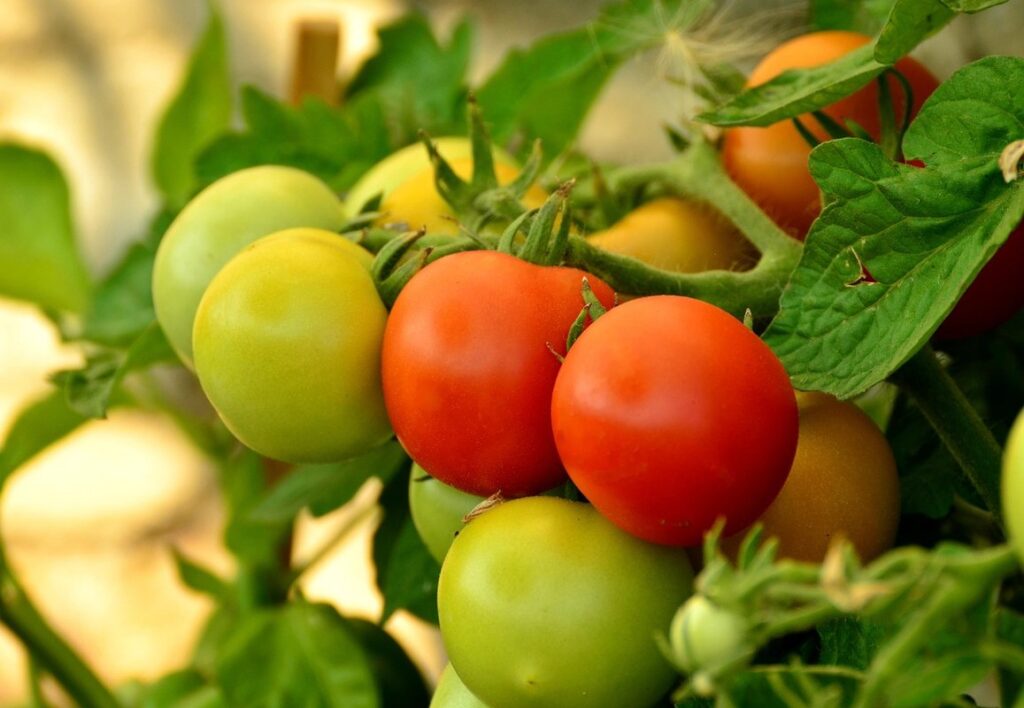
Understanding Tomato Plant Reproduction
To reproduce successfully, tomato plants rely on a combination of self-pollination and cross-pollination mechanisms that are still not fully understood by many gardeners.
This section will break down these processes to help you grasp how your tomato plant’s reproductive cycle works.
The Basics of Pollination in Tomatoes
Tomato plants produce two main types of flowers: perfect flowers and staminate flowers. Perfect flowers contain both male and female reproductive parts, which are necessary for pollination to occur. They typically have five petals and a prominent stigma at the center, where pollen from other flowers can land. In contrast, staminate flowers lack ovaries and produce only pollen. These flowers often have fewer petals than perfect flowers and are usually found in clusters.
Pollinators like bees play a crucial role in transferring pollen between flowers. As they visit flowers in search of nectar, some of the pollen from one flower sticks to their bodies and is carried to other flowers. This process can occur within the same plant or between different plants. In the case of tomatoes, pollination typically occurs when a bee visits a perfect flower, collects pollen, and then transfers it to another perfect flower on the same or a different plant.
Understanding these basic concepts is essential for recognizing how self-pollination works in tomato plants.
Types of Tomato Flowers and Their Roles
A tomato plant has two main types of flowers: perfect flowers and staminate flowers. Perfect flowers contain both male and female reproductive parts and are responsible for producing fruit, as they allow for fertilization to occur within the same flower. These flowers typically have five petals and a prominent yellow center.
Staminate flowers, on the other hand, produce pollen but lack ovules, making them incapable of forming fruit on their own. They usually have smaller petals than perfect flowers and are often clustered around the plant’s nodes. While they may seem redundant, staminate flowers serve an important purpose: they release excess pollen into the air to aid in pollination.
Both types of flowers contribute to a tomato plant’s ability to self-pollinate. Perfect flowers can be fertilized by their own pollen, while staminate flowers provide additional pollen that can help facilitate this process. However, it’s worth noting that having both flower types doesn’t guarantee successful self-pollination – other factors come into play as well.
Self-Pollination vs. Cross-Pollination in Tomatoes
When growing tomatoes, it’s essential to understand whether your plants rely on self-pollination or require cross-pollination from other varieties for optimal fruit production. We’ll explore these two pollination methods in more detail below.
What is Self-Pollination?
Self-pollination is a process where pollen from the anther of one flower fertilizes the stigma of the same plant. In tomatoes, self-pollination typically occurs between flowers on the same plant, usually those on the same branch or within a few inches of each other. This happens when pollen grains released by the anthers fall onto the stigma of nearby flowers.
While it may seem counterintuitive that plants would self-pollinate at all, this process has several benefits for tomatoes. For one, it allows them to reproduce more quickly and efficiently, as they don’t need to rely on external pollinators like bees or butterflies. Additionally, self-pollination can be especially useful in greenhouses or indoor growing spaces where access to outside pollinators is limited.
In many varieties of tomato plants, self-pollination is the primary means of reproduction. However, it’s worth noting that some types are more adept at self-pollination than others. For example, determinate tomatoes tend to produce more fruit that can be pollinated internally, whereas indeterminate varieties often require external assistance.
Self-pollination in tomatoes also relies on a few key factors, such as the plant’s overall health and the presence of proper growing conditions.
Factors Influencing Self-Pollination in Tomato Plants
Environmental factors such as temperature and humidity play a significant role in influencing self-pollination in tomato plants. High temperatures above 85°F (30°C) can reduce pollen viability and decrease the chances of successful pollination, while low temperatures below 55°F (13°C) can slow down the process. Similarly, excessive moisture can lead to fungal diseases that harm the plant’s ability to self-pollinate.
Plant-related factors also impact self-pollination in tomato plants. The position of the plant’s flowers is crucial; flowers that are not exposed to sufficient light or are shaded by leaves may experience reduced pollination success. Additionally, nutrient deficiencies, particularly in phosphorus and potassium, can affect pollen production and viability.
The variety of tomato plant itself also influences self-pollination. Some varieties, such as cherry tomatoes, have a higher rate of self-pollination due to their compact growth habit and smaller flower size, making it easier for pollen to reach the stigma. In contrast, larger-fruited varieties may require more effort from the plant or external factors like wind to facilitate pollination.
Are Tomatoes Completely Self-Pollinating?
While many people assume tomatoes are completely self-pollinating, there’s a more nuanced truth to consider when it comes to their pollination process. Let’s take a closer look at how tomato plants actually reproduce.
Exceptions to the Rule: Varieties That Rely on Cross-Pollination
Some tomato varieties are incapable of setting fruit without cross-pollination. These include certain heirloom and open-pollinated types like Brandywine, Cherokee Purple, and Black Krim. These plants require the transfer of pollen from one flower to another, typically facilitated by bees or other pollinators.
The reason some tomatoes need cross-pollination is due to their genetic makeup. Many of these varieties have been bred for specific characteristics such as flavor, texture, or color, which can come at the cost of reduced self-pollination capabilities. In contrast, many hybrid tomato varieties are specifically designed to be more self-sufficient.
If you’re growing one of these cross-pollination reliant varieties, it’s essential to provide them with a pollinator-friendly environment. This may involve planting multiple plants together or using other means to attract pollinators like bees and butterflies. You can also manually transfer pollen from one flower to another as a last resort. It’s worth noting that even though these tomatoes require cross-pollination, they still have functional anthers and stamens, allowing them to self-pollinate in some cases. However, this is often insufficient for successful fruit set.
The Role of Wind and Other Pollinators in Tomato Reproduction
Wind and other pollinators play a crucial role in tomato reproduction, especially when self-pollination is limited. Wind, in particular, is an effective pollinator for tomatoes, transferring pollen from one flower to another with ease. This process occurs most frequently during warm, dry weather when the flowers are fully open.
Other pollinators like bees and butterflies also contribute significantly to tomato pollination. These insects visit flowers in search of nectar and inadvertently collect pollen on their bodies. When they move from one plant to another, they deposit this pollen, facilitating fertilization. To maximize the effectiveness of wind and other pollinators, gardeners can create a welcoming environment by planting a diverse range of flowers that attract these beneficial insects.
While self-pollination is possible in tomatoes, relying solely on this method can be inefficient. In such cases, wind and other pollinators become essential for successful reproduction. By understanding the importance of these factors, growers can take steps to promote cross-pollination and increase their tomato yields.
Factors Affecting Self-Pollination Success
Several factors influence whether a tomato plant successfully pollinates itself, including its genetic makeup and environmental conditions. Understanding these variables is crucial for growers to optimize their plants’ chances of self-pollination.
Weather Conditions That Impact Pollination
Temperature fluctuations can significantly impact self-pollination in tomato plants. If it’s too hot, pollen may degrade quickly, reducing the chances of successful pollination. On the other hand, extremely low temperatures can slow down the plant’s metabolic processes, making it harder for the pollen to reach the stigma.
Humidity also plays a crucial role in pollination. High humidity can lead to fungal growth and infection, which can compromise the plant’s ability to self-pollinate. Conversely, very dry conditions may cause pollen to become brittle and less effective at transferring between flowers.
Precipitation patterns also affect self-pollination success. Frequent or prolonged rain showers can make it difficult for pollen to travel from one flower to another. This is because water can weigh down the pollen grains, reducing their mobility. Additionally, heavy rainfall can damage the plant’s reproductive structures, further hindering pollination.
To mitigate these effects, gardeners can create a sheltered environment for their tomato plants, providing protection from extreme weather conditions. They can also ensure good air circulation around the plants to prevent moisture buildup and reduce the risk of fungal infections.
Plant Health and Nutrition’s Effect on Pollination
Tomato plants rely heavily on their internal health and nutritional state to facilitate successful self-pollination. A plant’s overall vigor and nutrient levels play a crucial role in determining its ability to produce viable pollen and stigma tissue.
Soil quality, in particular, is a key factor in supporting healthy tomato plant growth. Well-draining, rich soil with adequate organic matter can help promote robust root development, which in turn supports optimal photosynthesis and nutrient uptake. In contrast, nutrient-poor or waterlogged soils can lead to weakened plants that struggle to produce sufficient pollen.
Adequate calcium levels are also essential for maintaining healthy cell walls within the flower reproductive structures. Calcium deficiency has been linked to reduced fertility and poor pollination success in tomato plants. Similarly, a lack of boron can impair plant growth, leading to weaker stems and smaller flowers that may not be able to support successful pollination.
To optimize your tomato plants’ internal health and promote successful self-pollination, focus on providing them with rich, well-draining soil and adequate nutrient levels. Regular fertilization, along with careful monitoring of calcium and boron levels, can help ensure your plants are at their best when it comes to pollination.
Tips for Encouraging Self-Pollination in Tomato Plants
To encourage self-pollination, tomato plants need some gentle assistance to ensure they produce a bountiful harvest. Let’s explore simple techniques for boosting their natural pollination process.
Creating an Optimal Growing Environment
To create an optimal growing environment for successful self-pollination in tomato plants, consider providing a few key conditions. First, ensure adequate air circulation to prevent fungal diseases that can hinder pollination. This means leaving enough space between rows and plants to allow for good airflow. A temperature range of 65°F to 75°F (18°C to 24°C) during the day is also crucial, as temperatures outside this range can slow down or even halt pollination.
Another essential factor is humidity control. Tomatoes thrive in an environment with moderate humidity levels – around 50% to 60%. High humidity can lead to fungal growth and disease, while low humidity may result in water stress that affects pollination. To achieve the right balance, ensure your garden has adequate drainage and avoid overwatering.
Lastly, choose a location for your tomato plants that receives plenty of direct sunlight – at least six hours per day. This will not only promote healthy plant growth but also stimulate the production of flowers necessary for self-pollination. By providing these optimal growing conditions, you’ll be creating an environment that supports successful self-pollination in your tomato plants.
Techniques for Enhancing Pollinator Activity
Attracting pollinators to your tomato plants can significantly boost self-pollination success. A diverse range of flowers nearby can provide a valuable source of nectar and pollen for beneficial insects like bees, butterflies, and moths. Consider planting companion flowers that are rich in these resources, such as sunflowers, zinnias, or cosmos. These flowers will also draw additional pollinators to your garden.
To further enhance pollinator activity, incorporate native plants into your garden. Native species often have co-evolved with local pollinators and offer a more reliable source of food. For example, if you’re growing tomatoes in the eastern United States, plant coneflower or black-eyed Susan, which are both popular among bees.
Avoid using pesticides, which can harm or kill pollinators. Instead, adopt integrated pest management techniques that minimize harm to beneficial insects. You can also create a shallow water source, like a birdbath with fresh water and rocks for landing sites, to provide an essential resource for pollinators.
Remember, it’s essential to plant multiple varieties of tomatoes to promote cross-pollination when necessary. This will help ensure your plants receive the genetic diversity they need to thrive.
Common Misconceptions About Tomato Self-Pollination
Many gardeners assume tomato plants can’t self-pollinate, but this myth has some surprising exceptions and nuances you should know about. Let’s set the record straight on what really works for these popular vegetables.
Debunking the Myth of Complete Self-Sufficiency
Many gardeners and tomato enthusiasts believe that their plants can thrive completely on their own, without any external help. However, this is far from the truth. While tomatoes are indeed self-pollinating to a certain extent, they still require some assistance to produce optimal yields.
One of the main reasons why complete self-sufficiency is not possible with tomato plants is that they need some cross-pollination to achieve genetic diversity. Even though they can pollinate themselves through wind or insects, this process may not be efficient enough to ensure healthy and robust growth. In fact, most commercial tomato varieties are bred for high yields and disease resistance, which often relies on a small amount of cross-pollination.
To clarify the situation, consider the following: even if your tomato plant is technically self-pollinating, it will still benefit from some external pollination to boost its genetic diversity. This can be achieved by introducing other plants with complementary pollen, or by encouraging natural pollinators like bees and butterflies in your garden. By acknowledging this limitation and taking steps to enhance cross-pollination, you can expect a healthier and more productive tomato crop.
Separating Fact from Fiction in Tomato Pollination
When examining claims about tomato pollination, it’s essential to consult scientific evidence. Research suggests that while tomatoes can self-pollinate, some varieties rely on cross-pollination for optimal fruit set and quality. A study published in the Journal of Experimental Botany found that certain tomato cultivars exhibit reduced seed germination rates when self-pollinated.
In contrast, another study demonstrated that cross-pollination significantly improved yields and fruit size in certain tomato varieties. However, it’s crucial to note that some hybrid tomatoes may not be fully self-fertile due to their breeding history. For instance, F1 hybrid tomatoes often require cross-pollination to set fruit.
To separate fact from fiction, consider the following: if a variety is labeled as “hybrid” or has been bred for specific traits like disease resistance, it may rely on cross-pollination. Additionally, pay attention to seed packet descriptions or the specific characteristics of your tomato variety. By understanding the scientific evidence and being aware of the specific needs of your plants, you can make informed decisions about how to support their pollination needs.
Frequently Asked Questions
Can I still get fruit from my tomato plant even if it’s not fully self-pollinating?
Yes, you can still obtain fruit from your tomato plant even if it’s not entirely self-pollinating. While some varieties may require cross-pollination for optimal fruit set, many will still produce some fruit through self-pollination.
How do I know when my tomato plant is successfully self-pollinating?
You’ll typically notice a higher rate of pollination and fruit production when your tomato plants have healthy flowers, are receiving adequate light, water, and nutrients, and are free from pests and diseases. Regular observation can help you identify the signs of successful self-pollination.
Can I use other methods to enhance cross-pollination in my tomato plant if it’s not self-pollinating?
Yes, you can try using various techniques such as hand pollination or vibrating the plants gently to encourage cross-pollination. Additionally, maintaining a diverse garden with multiple tomato varieties and flowers that attract pollinators can increase the chances of successful cross-pollination.
What happens if my weather conditions are not ideal for self-pollination?
If your weather conditions are not favorable for self-pollination, you may need to take extra measures such as providing protection from wind or extreme temperatures. Regularly inspecting and maintaining your plants’ health can help mitigate the effects of unfavorable weather.
Can I use the same tips for encouraging pollinators in other types of fruiting plants besides tomatoes?
Yes, many principles for attracting pollinators and promoting cross-pollination are transferable to other fruiting plants like peppers, eggplants, and squash. By understanding the specific needs of your plants and adapting these techniques, you can create a more efficient pollinator-friendly garden.
